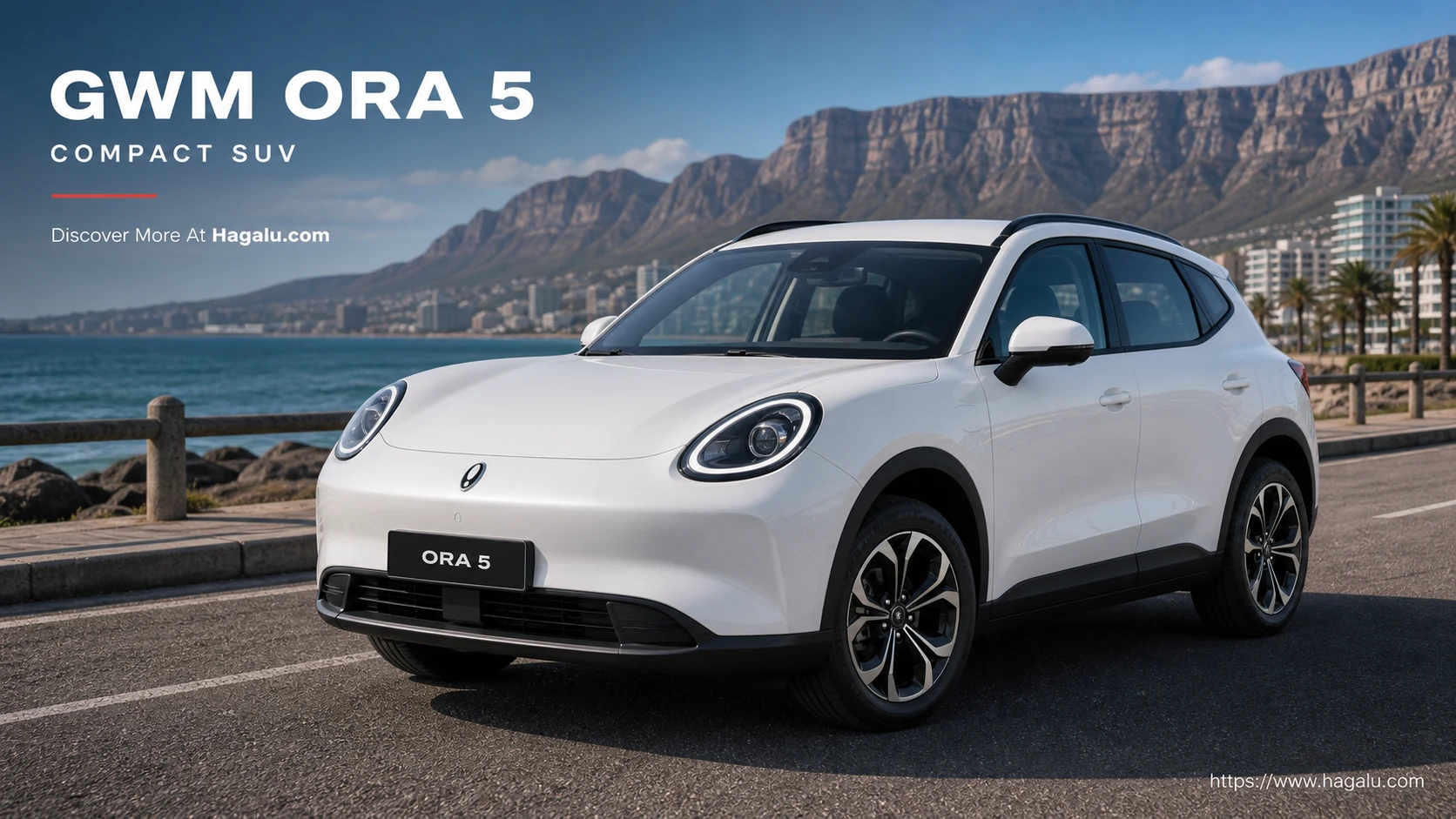
The GWM ORA 5 arrived in South African showrooms in July 2026 as a much broader proposition than its pre-launch coverage suggested. It is not an electric-only replacement for the ORA 03. GWM launched one body with three different powertrain strategies: a 1.5-litre turbo-petrol with a seven-speed dual-clutch transmission, a 1.5T hybrid with a dedicated hybrid transmission, and a battery-electric version. Each powertrain is offered in Super Luxury and Ultra Luxury trim, producing a six-derivative range from R364,900 to R599,900. That spread is the central fact of the ORA 5. A buyer can choose the shape and cabin first, then decide whether conventional refuelling, hybrid assistance or fully electric driving fits the household. The petrol ORA 5 produces 105 kW and 210 Nm. It is the price-led route into the range at R364,900 for Super Luxury and R409,900 for Ultra Luxury. The hybrid raises the published system figures to 164 kW and 476 Nm, with prices of R424,900 and R474,900. The BEV uses a 150 kW, 260 Nm electric motor and a 58.33 kWh battery. GWM quotes a 520 km NEDC pure-electric range for both BEV grades and prices them at R549,900 and R599,900. NEDC is a laboratory cycle, not a promise of South African motorway range, so buyers should not use 520 km as a guaranteed Joburg-to-Durban planning figure. The July brochure does not publish an AC charge time, DC peak rate or a local real-world range. Those details should be confirmed with a dealer before an EV purchase. All six derivatives share the same basic footprint: 4,471 mm long, 1,833 mm wide and 1,641 mm high on a 2,720 mm wheelbase. Every version uses 225/60 R18 tyres, with a T135/90 D17 temporary spare, MacPherson independent front suspension and a multi-link independent rear. Those are useful South African ownership details. The 60-profile tyres offer more sidewall than the fashion- driven low-profile fitments on some compact SUVs, while the multi-link rear layout should help isolate broken suburban surfaces. GWM does not publish ground clearance, luggage capacity, kerb mass, towing capacity or turning circle in the July 2026 brochure. Hagalu therefore leaves those figures blank rather than recycling overseas specifications that may not match local cars. Super Luxury is not a bare fleet grade. It includes LED headlamps and tail lamps, daytime running lamps, roof rails, automatic front wipers, a rear wiper, synthetic leather upholstery, a six-way electrically adjustable driver's seat, automatic air conditioning with rear outlets, a 10.25-inch digital cluster, a 14.6-inch touchscreen, voice control, six speakers, wireless Apple CarPlay and Android Auto, three USB connections, keyless entry, reverse parking sensors and a 360-degree panoramic camera. Six airbags, electronic stability control, traction control, ABS, electronic brake-force distribution, hill-hold control, tyre-pressure monitoring and ISOFIX are common across the range. That equipment makes the base grade a credible car, not merely a low advertised price. Ultra Luxury is a clear comfort-and-assistance upgrade. It replaces the manual tailgate with an electric one, adds a panoramic glass roof, a 50 W wireless phone charger, electric adjustment for the front passenger seat, heated and ventilated front seats, driver's-seat memory and welcome function, electric folding and heated mirrors, four-door one-touch windows, rhythmic multi-colour ambient lighting and intelligent high/low-beam switching. It also adds the full driver-assistance set shown in the local derivative table: adaptive cruise control, forward-collision warning, autonomous emergency braking including pedestrian and bicycle functions, lane-departure warning, lane-keeping and lane-centring assistance, blind-spot monitoring, lane-change assist, emergency lane keeping, rear cross-traffic alert and braking, rear- collision warning and door-open warning. Super Luxury retains normal cruise control but does not receive those Ultra-only systems. The price steps deserve careful reading. Moving from petrol Super Luxury to petrol Ultra Luxury costs R45,000. The corresponding Ultra Luxury premium is R50,000 on the hybrid and BEV. That extra spend buys the same broad equipment package in each powertrain, so buyers can assess it independently of engine choice. Someone who parks outdoors and does not want a glass roof may prefer Super Luxury even with a generous budget. Someone who spends hours on the N1 or N3 may value adaptive cruise, blind-spot monitoring and the heated and ventilated front seats enough to justify Ultra Luxury. The useful comparison is not simply cheapest versus flagship; it is powertrain first, grade second. City users have the widest choice. The petrol car has the lowest purchase price and familiar refuelling, the hybrid offers the strongest quoted torque without requiring a charging routine, and the BEV offers silent low-speed progress for households that can charge reliably. The ORA 5's 4.47-metre length is compact enough for normal shopping-centre parking, and the standard 360-degree camera is unusually helpful at the Super Luxury price point. The official brochure does not give fuel-consumption figures for the petrol or hybrid, so an honest running-cost comparison must wait for verified local consumption rather than importing numbers from another market. Long-distance buyers should separate performance from infrastructure. The hybrid's 164 kW and 476 Nm make it the most powerful ORA 5 on the published figures, while the petrol's 105 kW and 210 Nm are aimed at a more accessible purchase price. The BEV's 150 kW and immediate 260 Nm should suit overtaking, but route planning depends on usable range and charging speed that GWM's July brochure does not quantify. For regular inter-provincial travel, request the current charging curve and connector information in writing and plan around the chargers that actually operate on the route. Ownership cover is a strong common point. GWM lists a seven-year/200,000 km vehicle warranty, seven years of roadside assistance with unlimited distance, a seven-year/75,000 km service plan and 12-month/15,000 km service intervals. Hybrid and BEV versions add an eight-year/150,000 km high-voltage battery- system warranty. The brochure's later graphic uses different shorthand for some cover, but the derivative specification table is the more precise source and is what Hagalu records. Buyers should still ask the selling dealer for the signed warranty and service-plan schedules because time, distance, exclusions and transfer rules matter more than a headline badge. The ORA 5 is most convincing when treated as six deliberately different cars rather than one model with a confusing price spread. Petrol Super Luxury is the value anchor. Petrol Ultra Luxury adds the full cabin and assistance pack. Hybrid Super Luxury is the route to maximum quoted system output without the Ultra equipment cost, while Hybrid Ultra Luxury combines both. BEV Super Luxury delivers the electric hardware at the lowest EV price, and BEV Ultra Luxury is the complete flagship. GWM has published enough local information to make those roles clear, but not every technical figure. The right buying approach is therefore to choose the energy strategy and equipment level from confirmed facts, then obtain the missing consumption, charging, mass and capacity data from the dealer before signing.
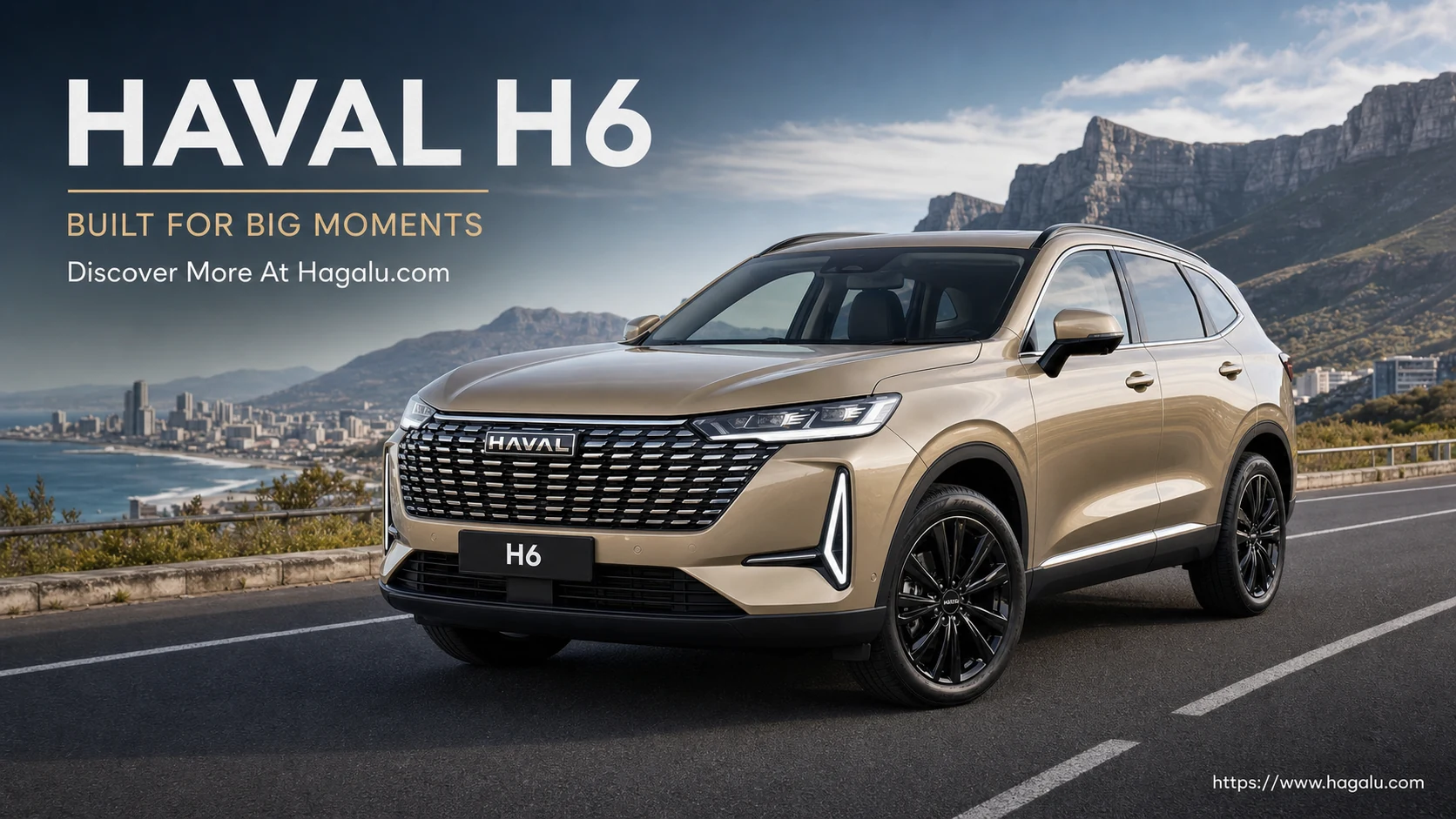
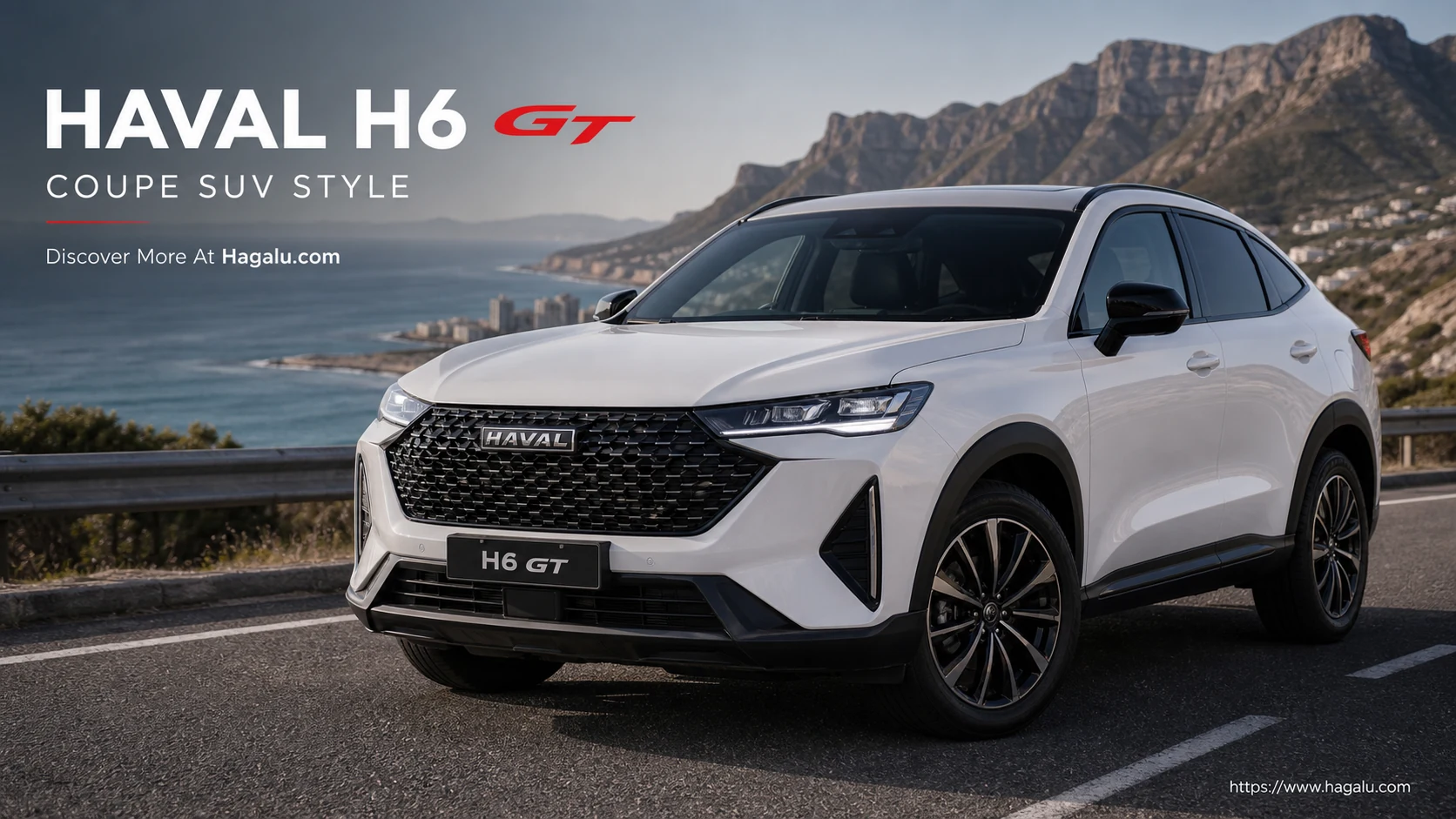
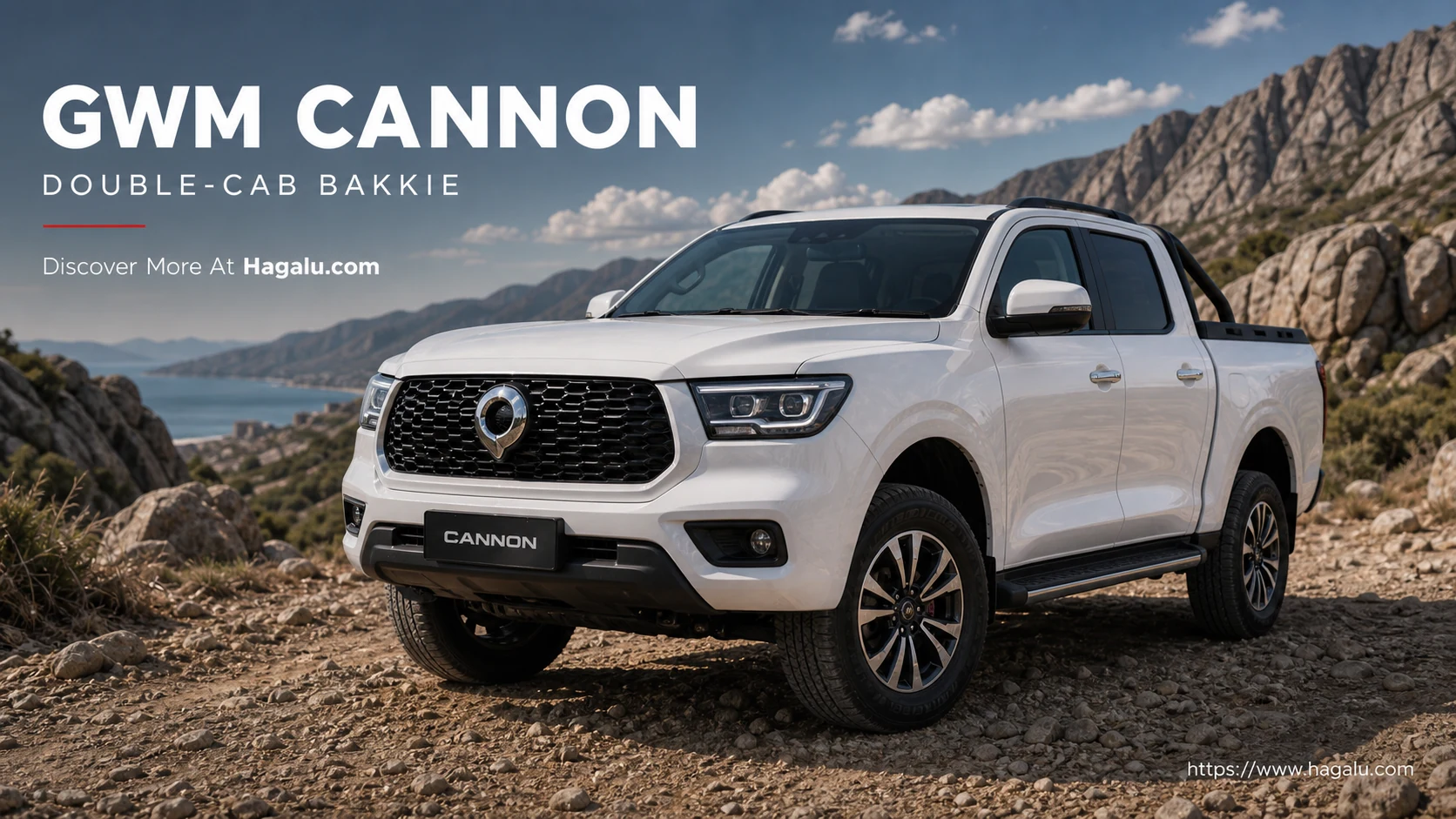
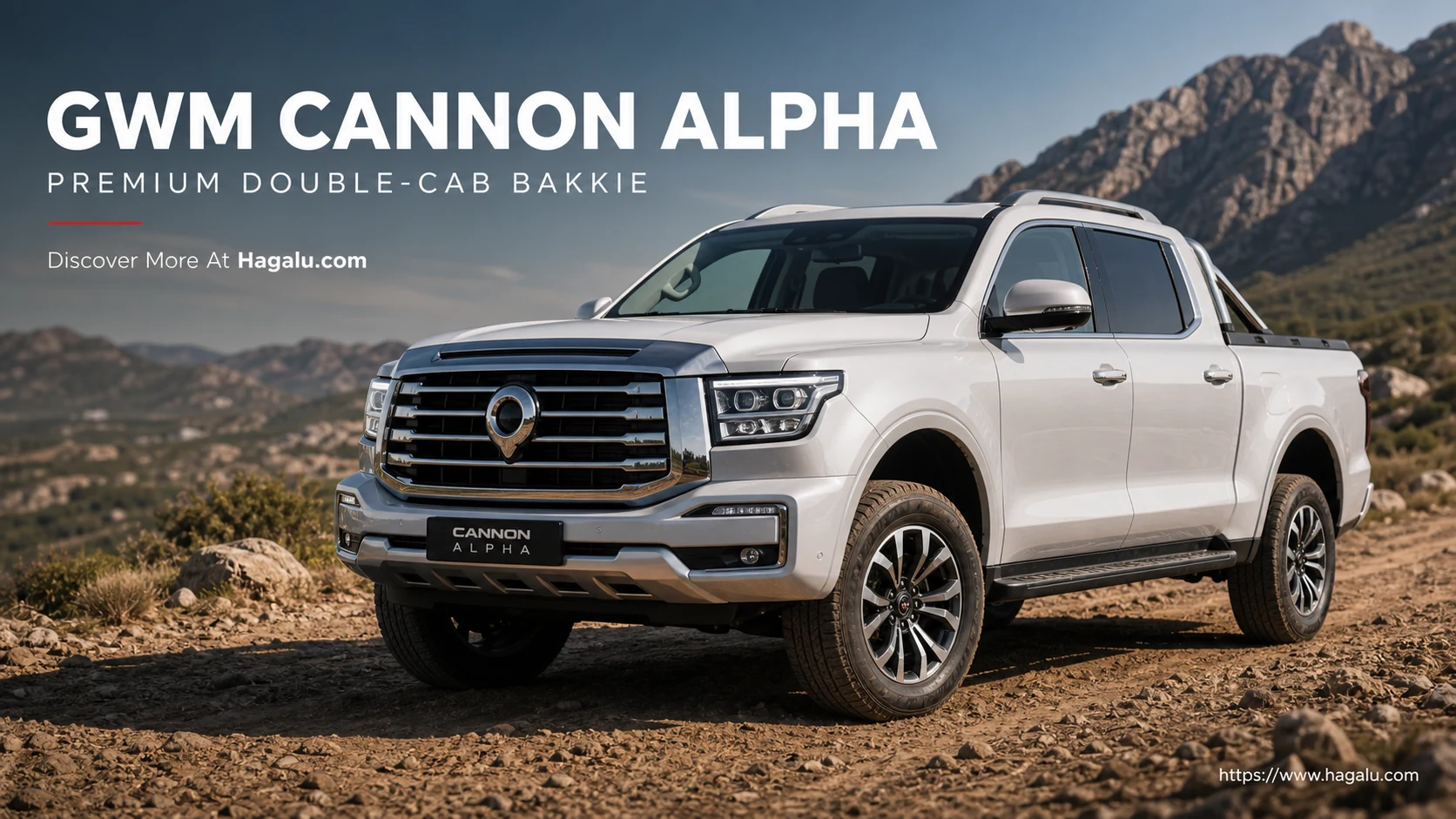
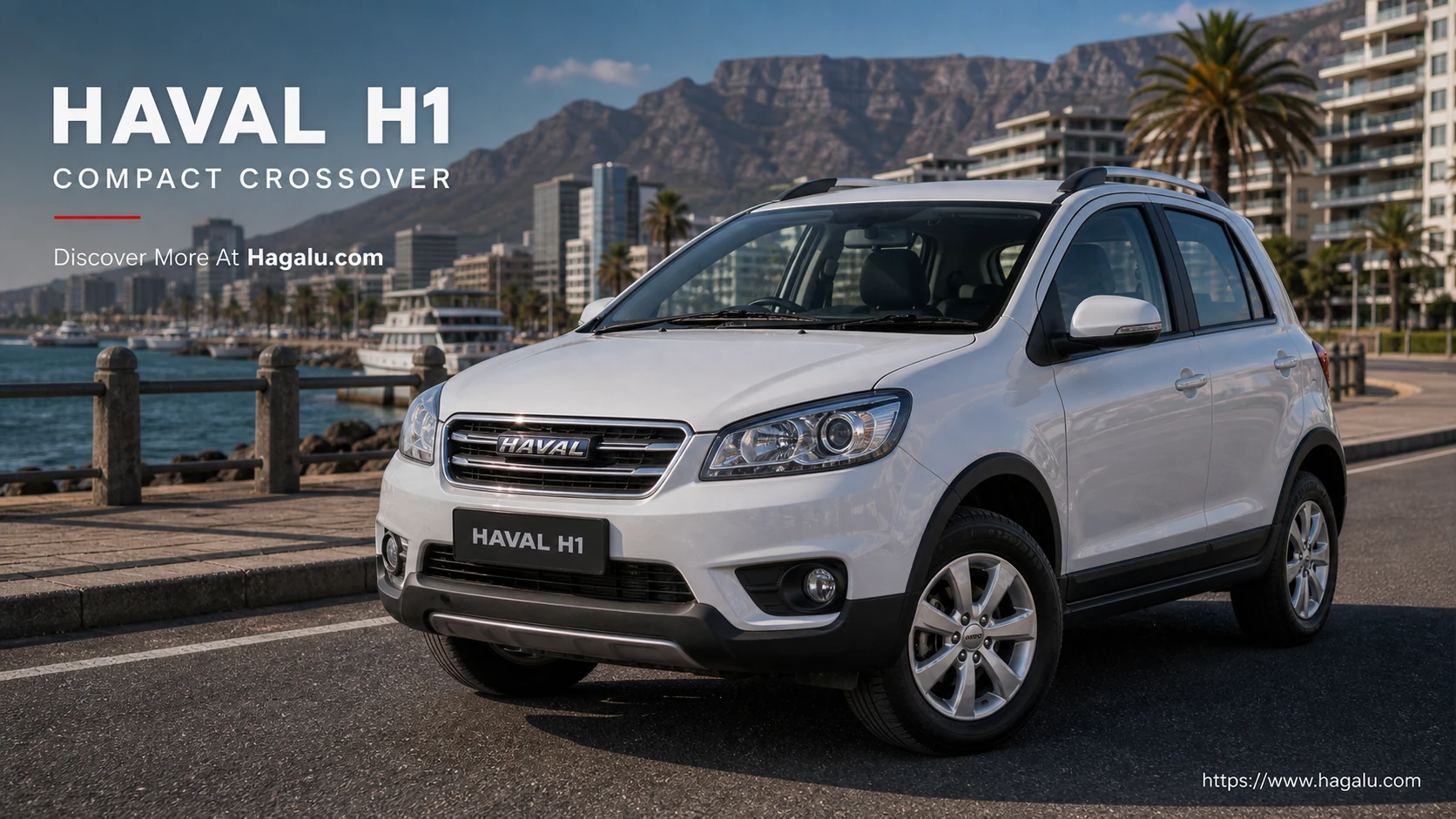
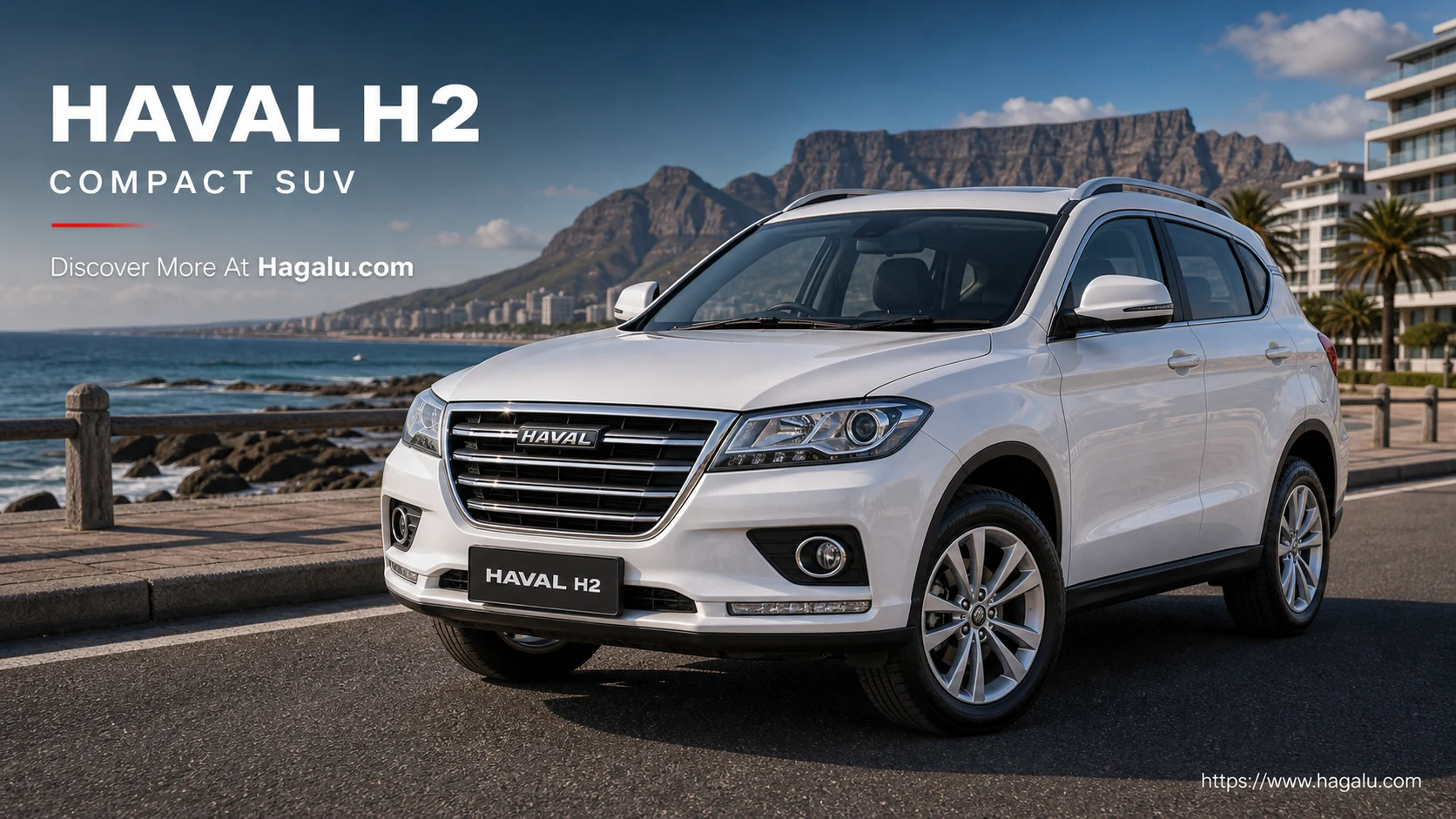
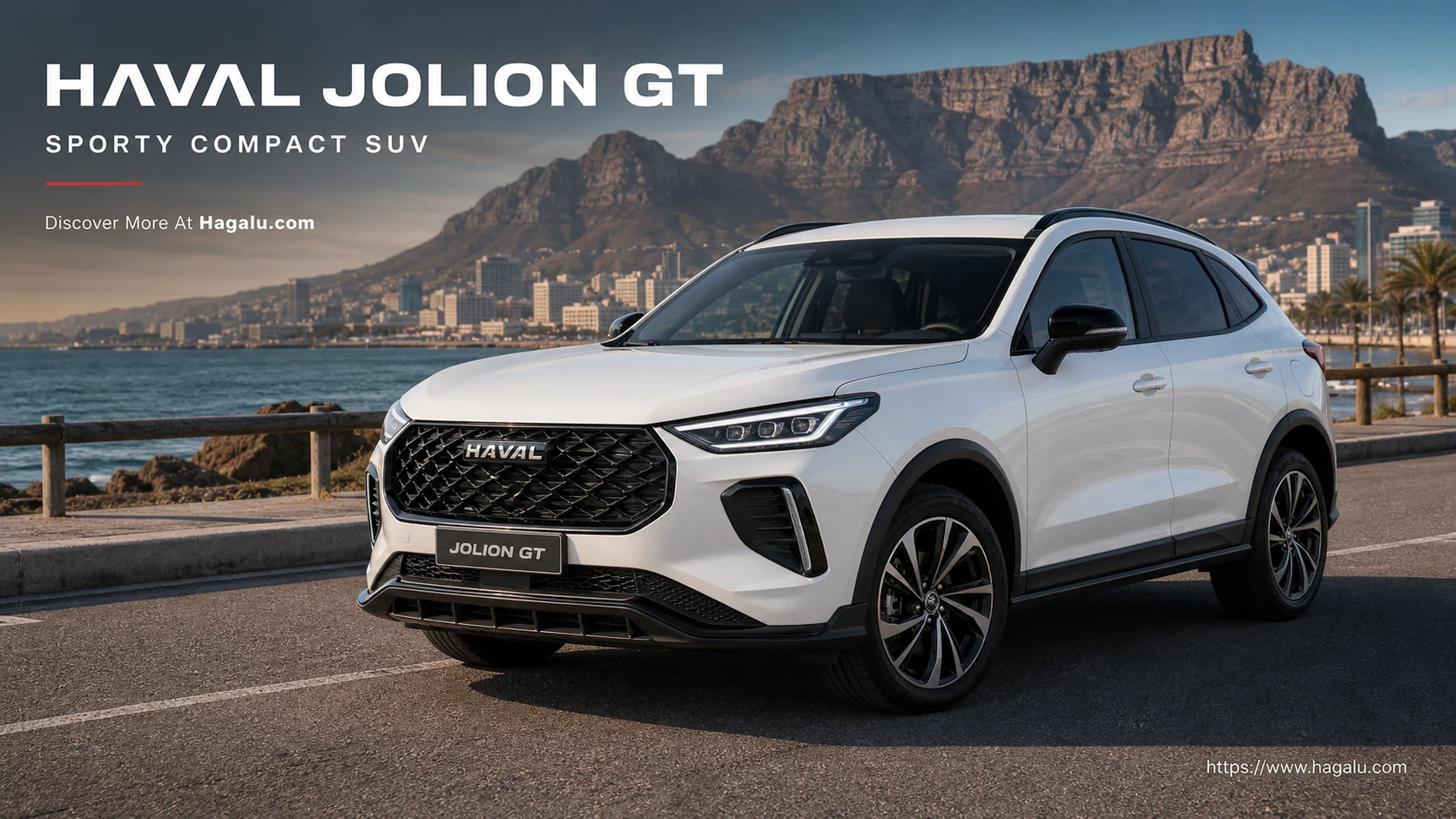
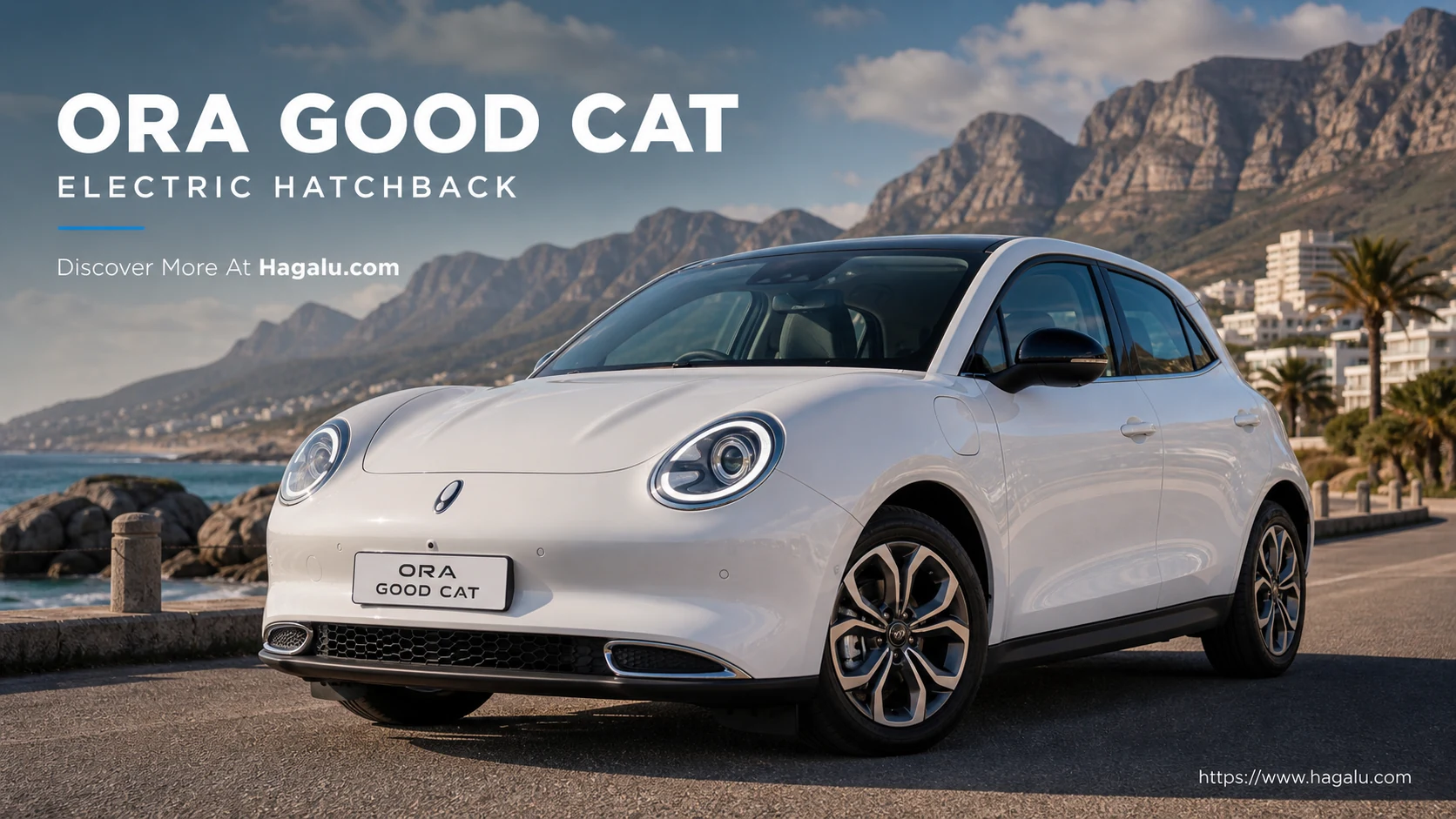
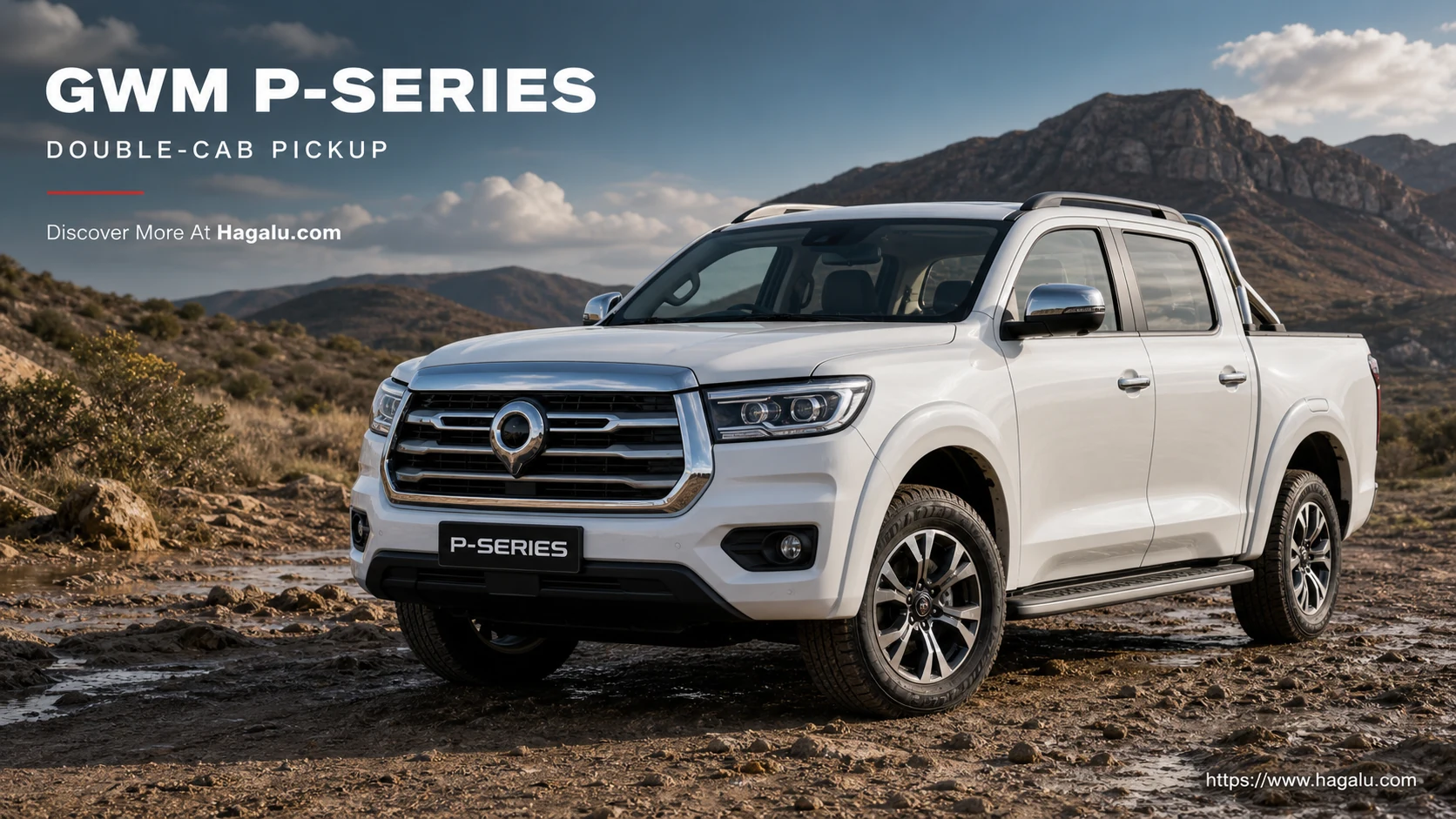
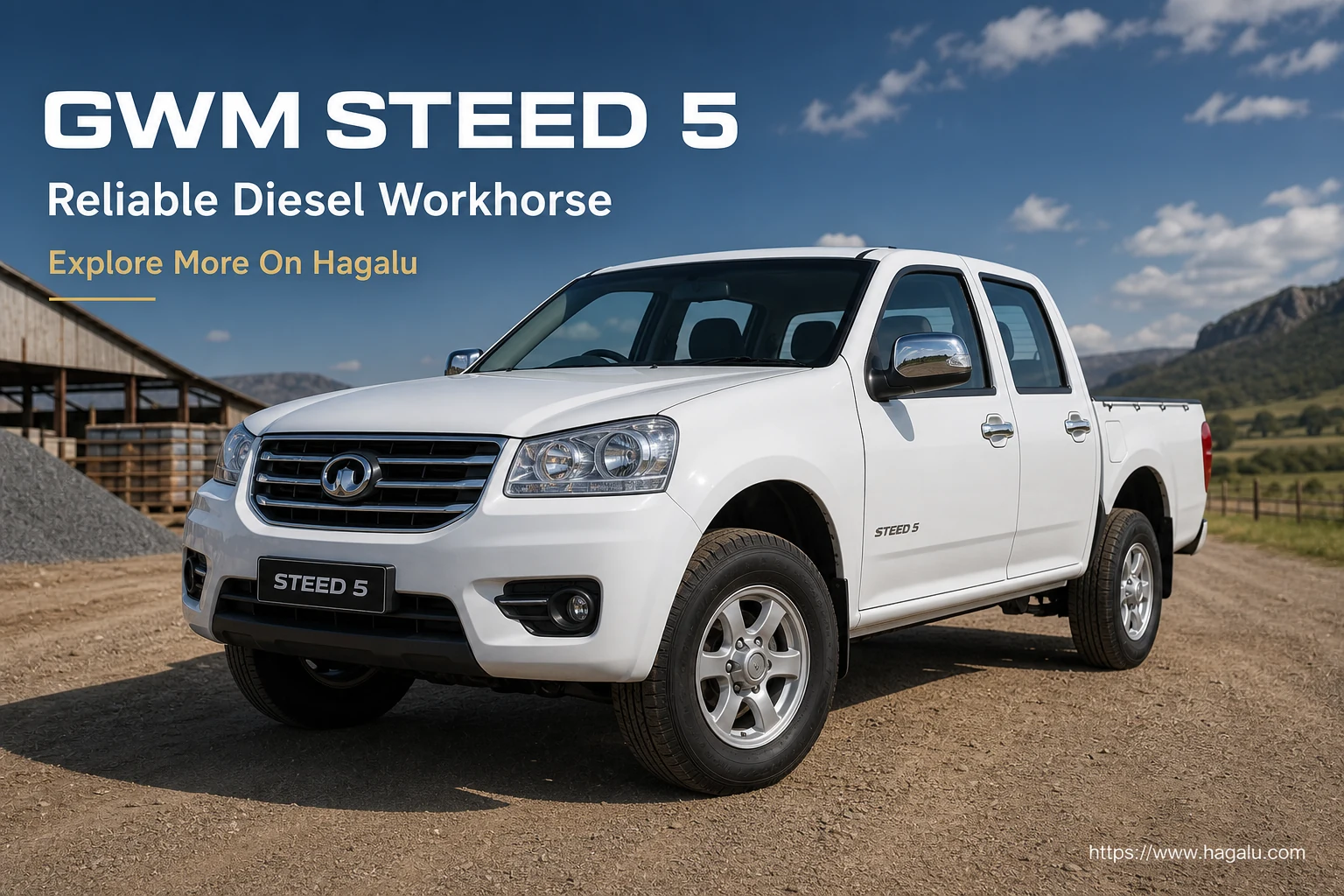
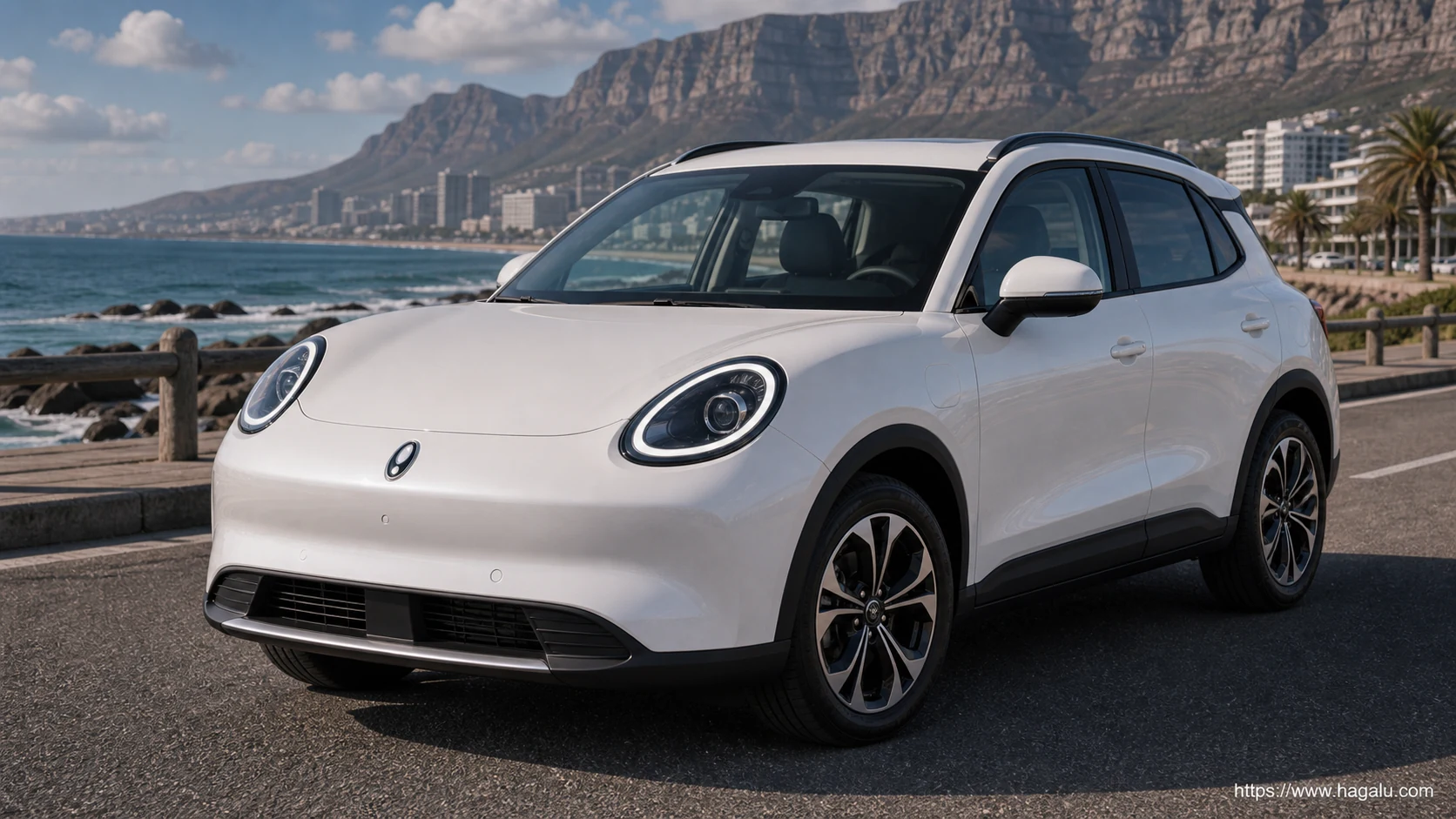 Model-range gallery; colour, wheels and trim may differ
1 / 5
Model-range gallery; colour, wheels and trim may differ
1 / 5