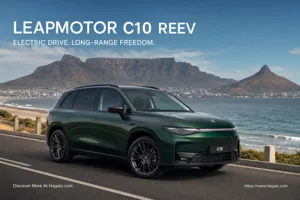
City
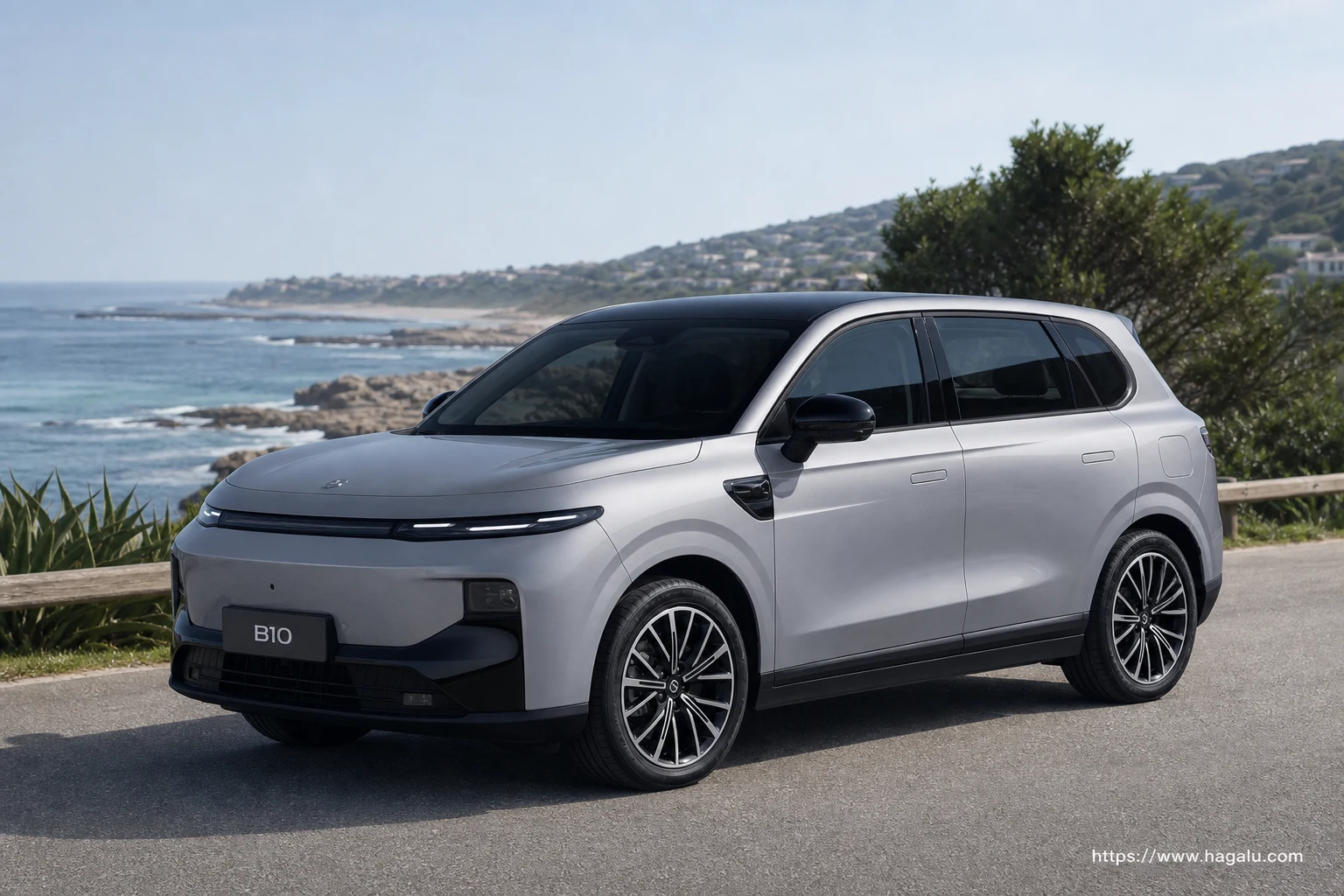 Model-range gallery; colour, wheels and trim may differ
1 / 5
Model-range gallery; colour, wheels and trim may differ
1 / 5
Suv
Not Published
Not Published
Leapmotor B10
Confirmed South African specifications and launch details
Model year
2026
Generation
Upcoming first South African-market Leapmotor B10; final local BEV and REEV derivative matrix pending
Body style
SUV
B10 Promotional Preview holds the confirmed BEV-and-REEV announcement until Leapmotor publishes exact South African derivatives.
Fuel Economy
km/l · US mpg equivalent
Combined
To be announced
City
To be announced
Highway
To be announced
Launch timing, final pricing and derivative availability may change until confirmed by the South African manufacturer.