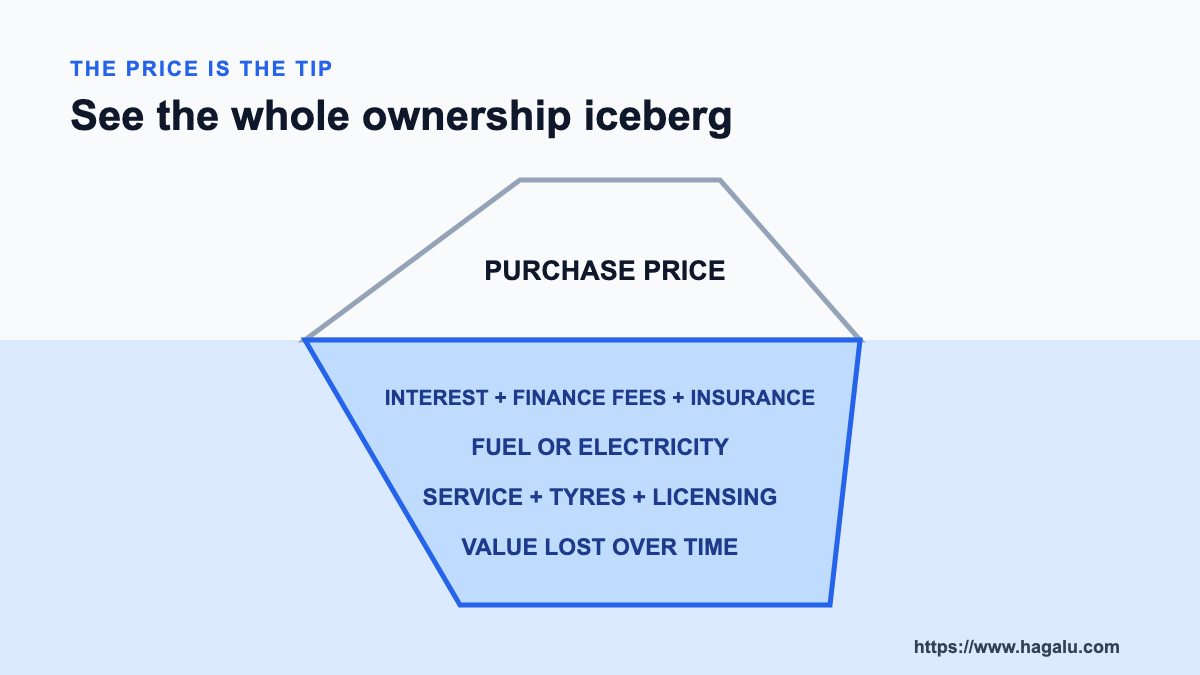
https://www.hagalu.comThe payment is visible; tyres, service, insurance, fuel and value loss are easier to forget.On a phone, swipe the diagram sideways to read it at a larger size.Open full-size image ·
Hagalu Editorial Studio ·
image usage termsStart with the decision
What you need to know first
Two vehicles with similar KES prices can cost very different amounts to keep. One may use more fuel in traffic, require more expensive tyres or attract a higher insurance premium. Another may lose more value or have a service plan that covers a different set of work. Looking only at the instalment makes these differences disappear.
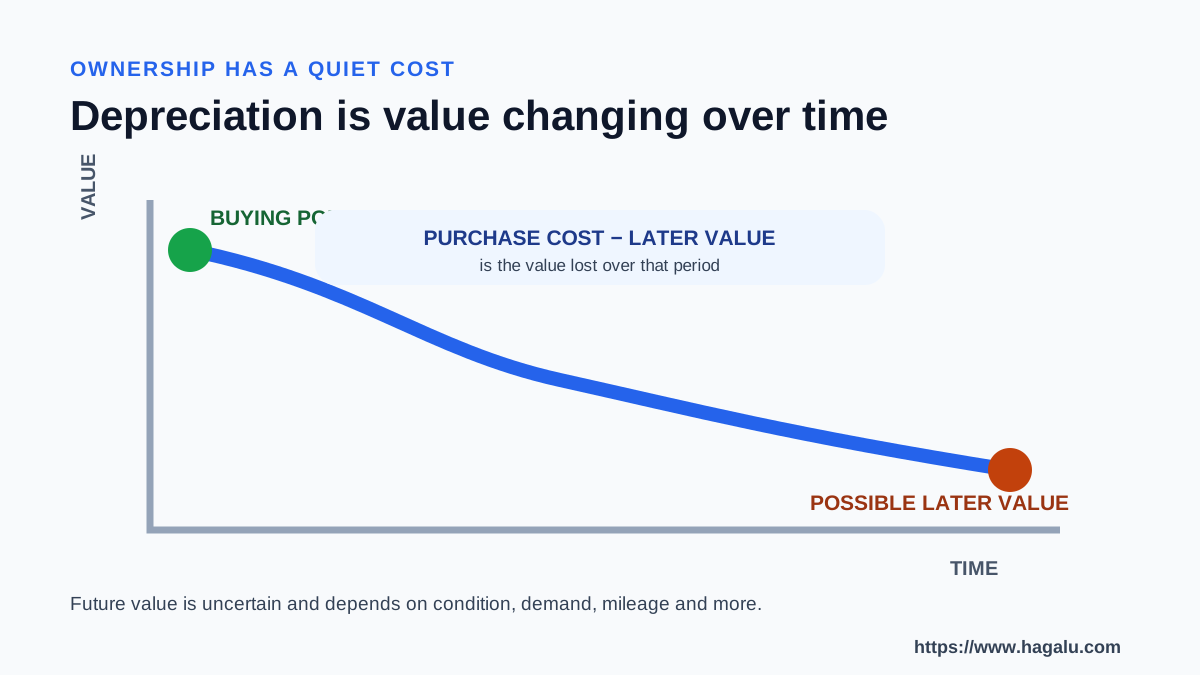
This calculator separates the cost groups so a buyer can see where the result comes from. It includes value lost during the selected period as a scenario, not a prediction. It also keeps finance interest and the vehicle purchase price distinct, because adding the principal and the full purchase price again would count the same car twice.
Live, checked catalogue
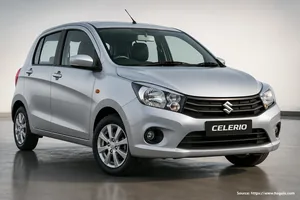
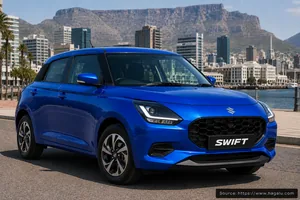
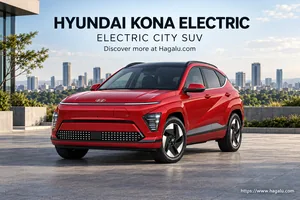
Lower-priced Kenya examples for ownership planning
Use these live priced variants as examples in the calculator. The output is a scenario, not a guarantee about future fuel, repairs, insurance or resale.
Choose a purchase and resale scenario, then add finance cost, city delivery, distance, energy, insurance, licensing, service, tyres and parking. The result spreads the selected period into a monthly planning figure.
Average ownership cost per month
Total over the chosen period
Estimated energy cost
Estimated value lost
Average cost per kilometre
Repairs, changing prices and actual resale value can make the real total higher or lower.
The ownership bill is wider than the monthly debit order
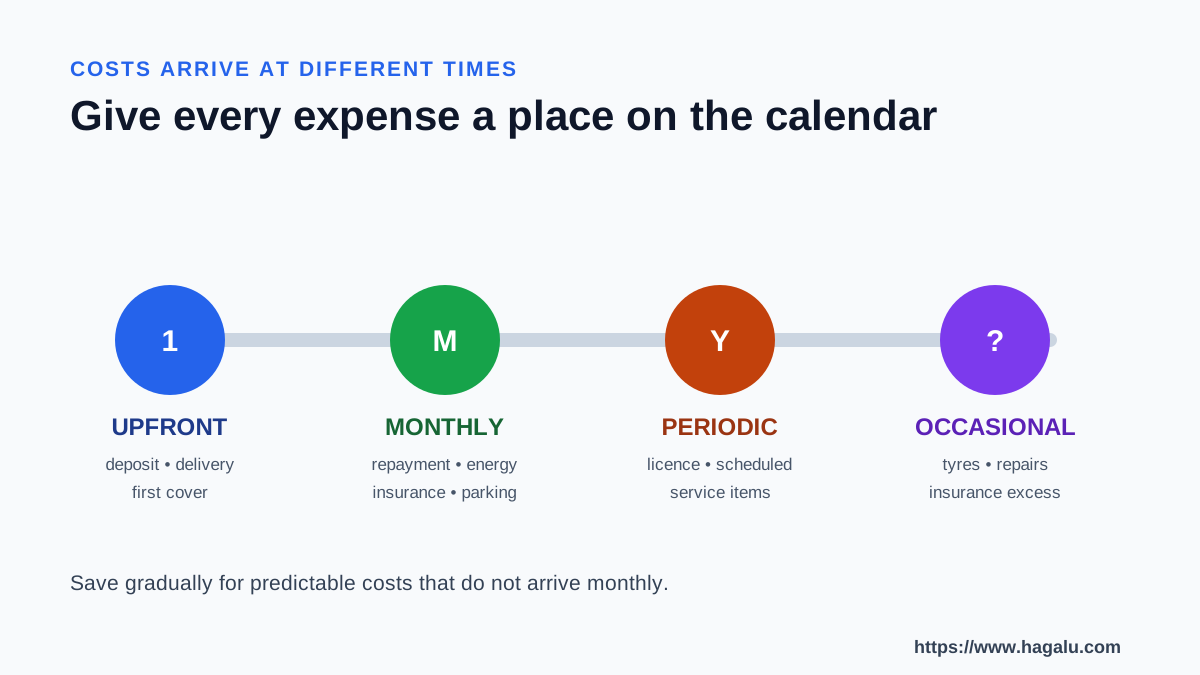
Start with the KES purchase basis and selected-city on-road amount. Then list finance interest and fees, insurance, fuel or charging, scheduled service, tyres, parking, tolls, licensing and a reserve for irregular repairs. If the vehicle has a service plan, read its exclusions before reducing the maintenance allowance. Plans do not necessarily cover every wear item.
The purpose is not to produce a magical exact total. It is to compare two vehicles using the same assumptions and notice which one depends on optimistic inputs. A cautious estimate that remains comfortable is more useful than a precise-looking number that omits tyres or insurance.
Use the exact variant price, not a model-level starting number.
Convert annual and irregular costs into a monthly reserve.
Keep depreciation as a scenario and show more than one resale outcome.
Energy follows the route
Fuel cost needs kilometres, consumption and a current price
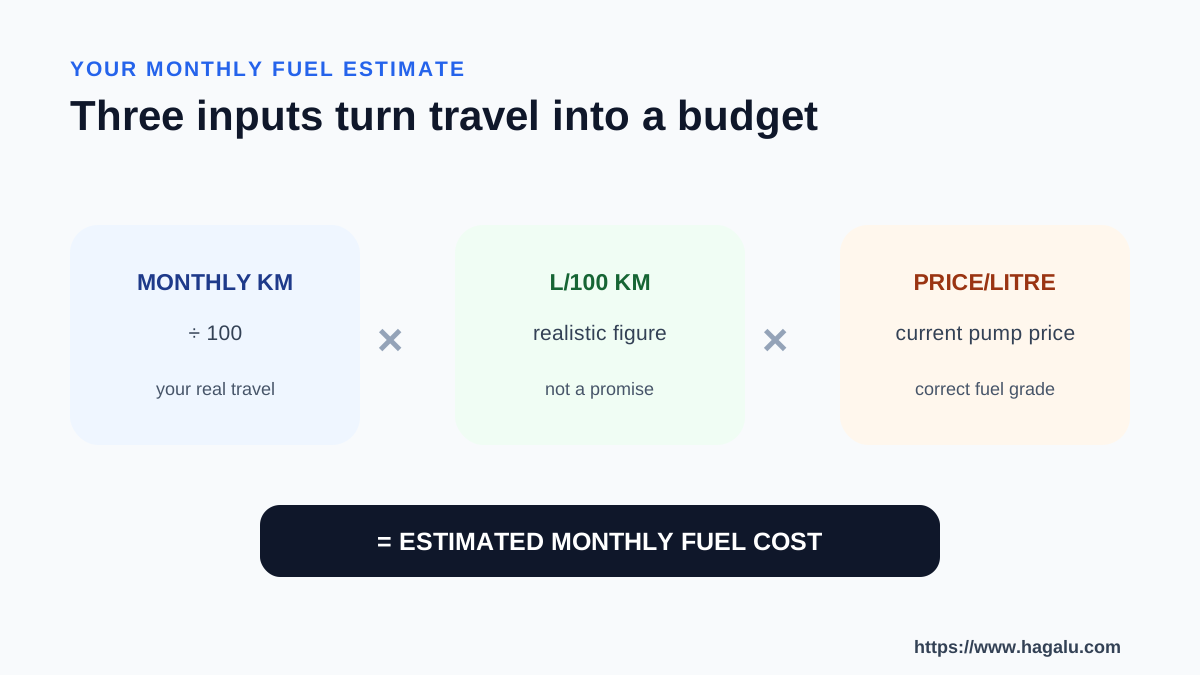
For a combustion vehicle, monthly fuel cost is monthly kilometres divided by 100, multiplied by L/100 km and multiplied by the current price per litre. The calculation becomes more useful when the distance reflects the real week: school trips, commuting, business travel, weekend journeys and occasional long routes.
An EV or hybrid needs a different energy conversation. Use kWh and charging access where the exact data supports it, and include public charging or home electricity assumptions separately. Never disguise one powertrain's energy cost as another's fuel figure merely to make the table simple.
Run a quiet month and a busy month.
Include traffic, load and air-conditioning margin.
Record actual fill-ups or charging bills after delivery and update the scenario.
Plan the irregular bill
Tyres and service are easier when they are not surprises
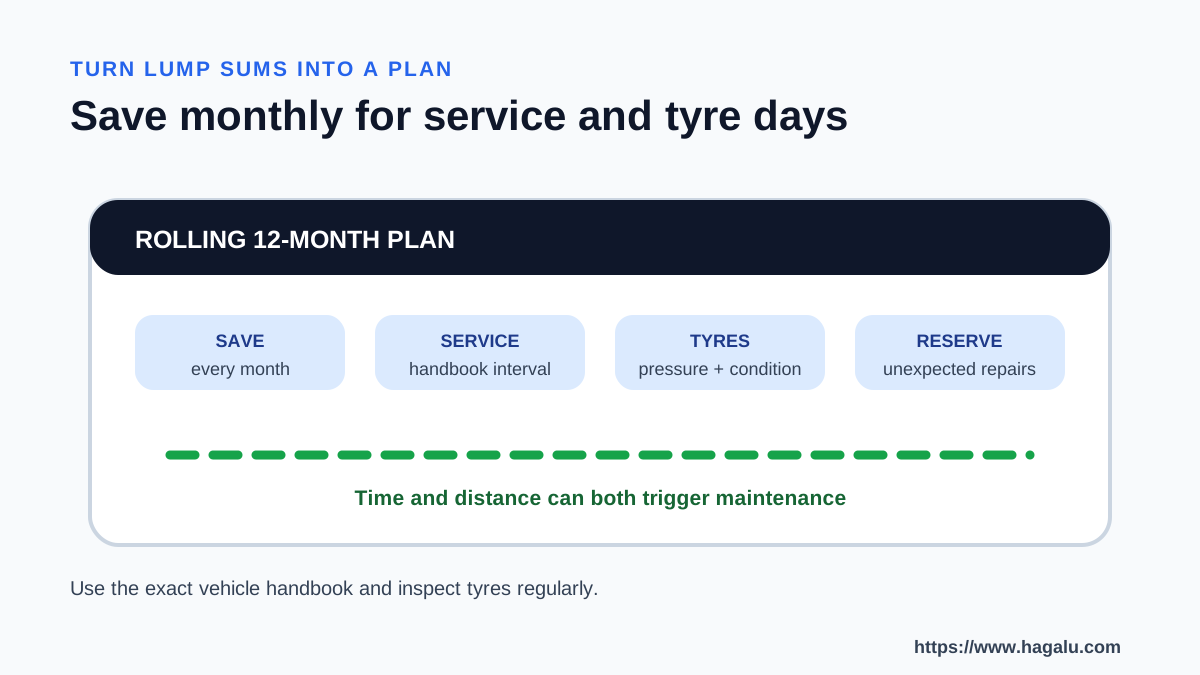
A service may be scheduled, but the cash timing can still be inconvenient. Tyres, brakes, battery replacement, punctures and repairs do not arrive neatly every month. Divide a realistic annual or ownership-period allowance into a monthly reserve so the budget does not depend on a perfect year.
The same discipline helps with annual charges and city delivery. National processes should not be turned into invented city taxes. Use the Kenya city rows for their stated planning role, retain the assumptions and ask the seller to confirm what the final quotation includes.
Price the exact tyre size and wheel package.
Read service-plan distance and time limits together.
Keep an emergency repair reserve outside the scheduled service amount.
Take this with you
Kenya ownership-cost inputs to collect
Tick each item before deciding
Exact ex-showroom and selected-city on-road quote.
Finance interest, fees, term, deposit and any balloon.
Personal insurance premium and excess.
Monthly distance, exact consumption and current fuel or electricity price.
Service-plan coverage, tyre price and annual licensing allowance.
Low, middle and high resale-value scenarios.
No jargon test
Words on this page, made simple
Derivative
The exact version of a model—its engine, gearbox and equipment—not merely the badge on the boot.
ESC
Electronic stability control. It can brake individual wheels to help the car follow the driver's intended path during a skid.
ISOFIX
Built-in metal anchor points used by compatible child seats. The vehicle and child-seat manuals must still agree.
Payload
The combined weight the vehicle may carry, including people, bags and accessories.
Braked towing limit
The heaviest trailer the vehicle may tow when that trailer has its own working brakes.
Tow-ball limit
The most downward weight the trailer may press onto the vehicle's towbar connection.
Gross combination mass
The highest allowed total weight of the loaded vehicle and loaded trailer together.
PHEV
A plug-in hybrid: it has a battery that can be charged from an external plug as well as an engine.
Principal
The money borrowed before interest and finance fees are added.
Balloon payment
A large part of the debt deliberately left for the end of the finance agreement.
Annualise
Turn an irregular cost into a yearly amount, so monthly and occasional bills can be compared fairly.
How the list was built
Method, eligibility and limits
The calculation separates purchase value loss, finance cost, energy and recurring ownership costs.
Annual and irregular amounts are converted to monthly equivalents for comparison.
Fuel and electricity are user inputs; the page does not freeze a national tariff into a personal bill.
Resale value is a scenario and is not presented as a guaranteed future price.
What is included in total car ownership cost in Kenya?
Include purchase or finance cost, insurance, fuel or charging, service, tyres, licensing, delivery, parking, tolls and a repair reserve. Depreciation can be shown as a separate value-loss scenario.
Should I include the full purchase price and finance principal?
No. Keep the vehicle value and finance interest or fees conceptually separate so the same principal is not counted twice.
Can the exact five-year cost be known before buying?
No. Fuel, insurance, repairs, kilometres and resale value can change. Use scenarios and update the model with real bills.
Are service plans the same as maintenance plans?
Not necessarily. Read the exact plan definitions and exclusions for service labour, fluids, wear items, tyres, brakes and unscheduled repairs.
Evidence before excitement
Sources and checking method
Primary technical references checked 27 September 2026. Illustrations are conceptual, not photographs or specifications of a particular vehicle. Worked examples use explicitly stated assumptions, not current tariffs or quotations.
Toyota Kenya vehicle range — Kenyan Toyota model and derivative reference used alongside Hagalu's dated Kenya price records.
Ford Kenya vehicle range — Kenyan Ford range and derivative reference for Ranger and Everest buyer guidance.
Prices, equipment and availability can change after publication. Ranked model cards link their recorded vehicle source when one is available; the broader sources above explain market, legal or calculation context. Always verify the exact derivative in a current OEM document and written dealer quotation.