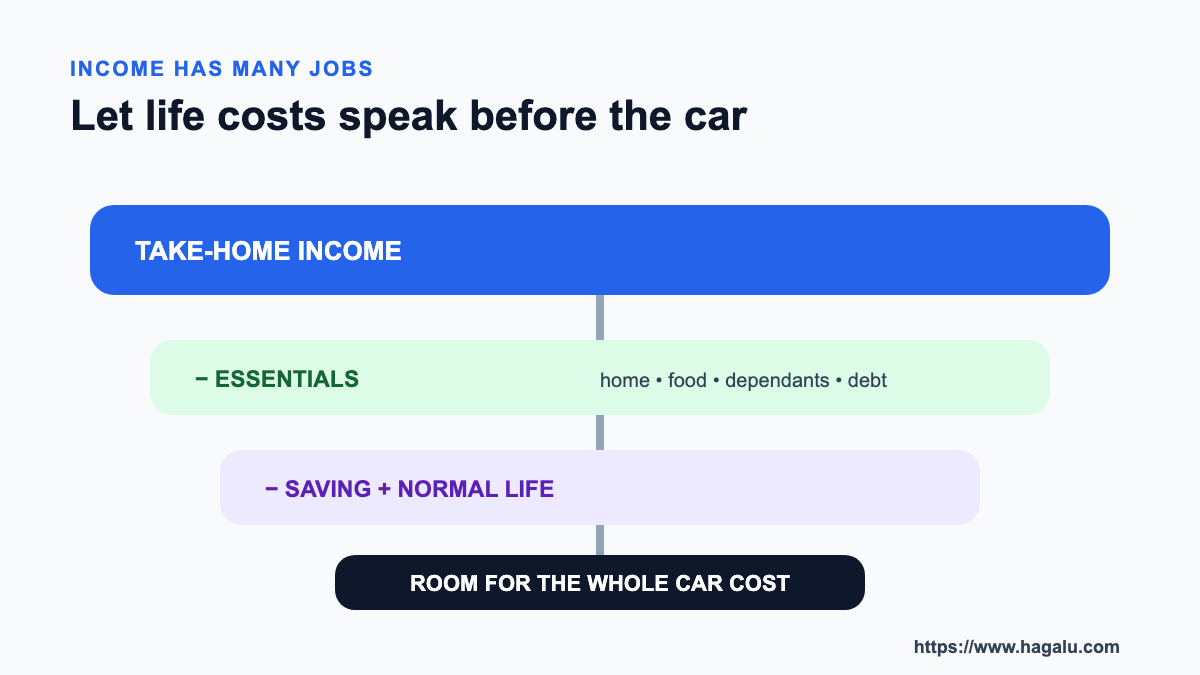
https://www.hagalu.comSet the full transport budget first; only the remainder can safely become a vehicle instalment.On a phone, swipe the diagram sideways to read it at a larger size.Open full-size image ·
Hagalu Editorial Studio ·
image usage termsStart with the decision
What you need to know first
A KES monthly instalment is attractive because it is easy to remember. It is also the number most likely to hide the other costs. Insurance may be higher for one model than another; fuel depends on kilometres and traffic; service and tyres arrive at different times; and a city delivery estimate may change the amount needed before the first journey.
The calculator works backwards. Start with the full transport amount you can live with, subtract the costs that must be paid even when the car is parked, and let the remainder become a practice loan payment. Then test the result with a higher interest rate, a busier driving month and an emergency reserve. The result is a planning boundary, not a lender decision.
Live, checked catalogue
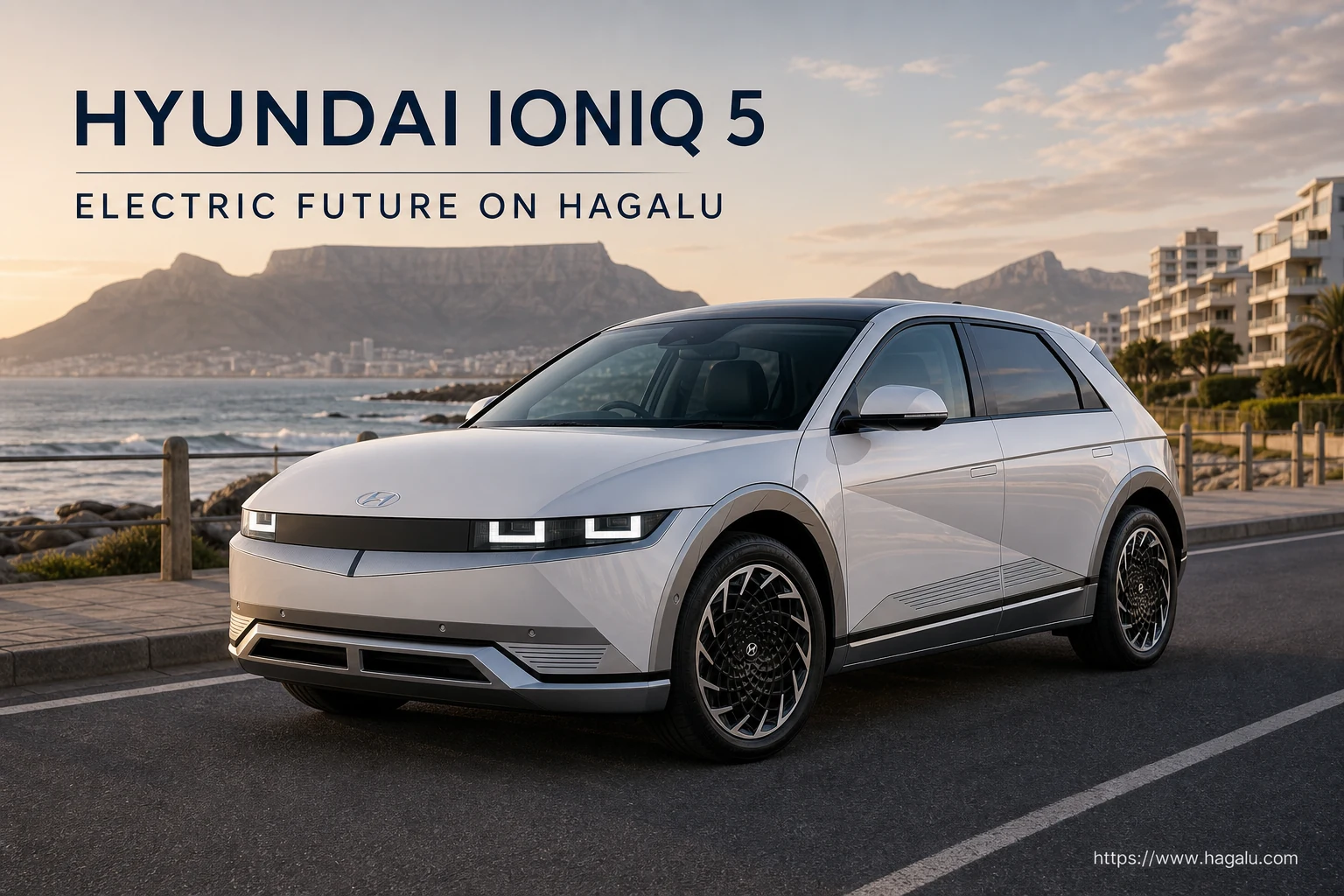
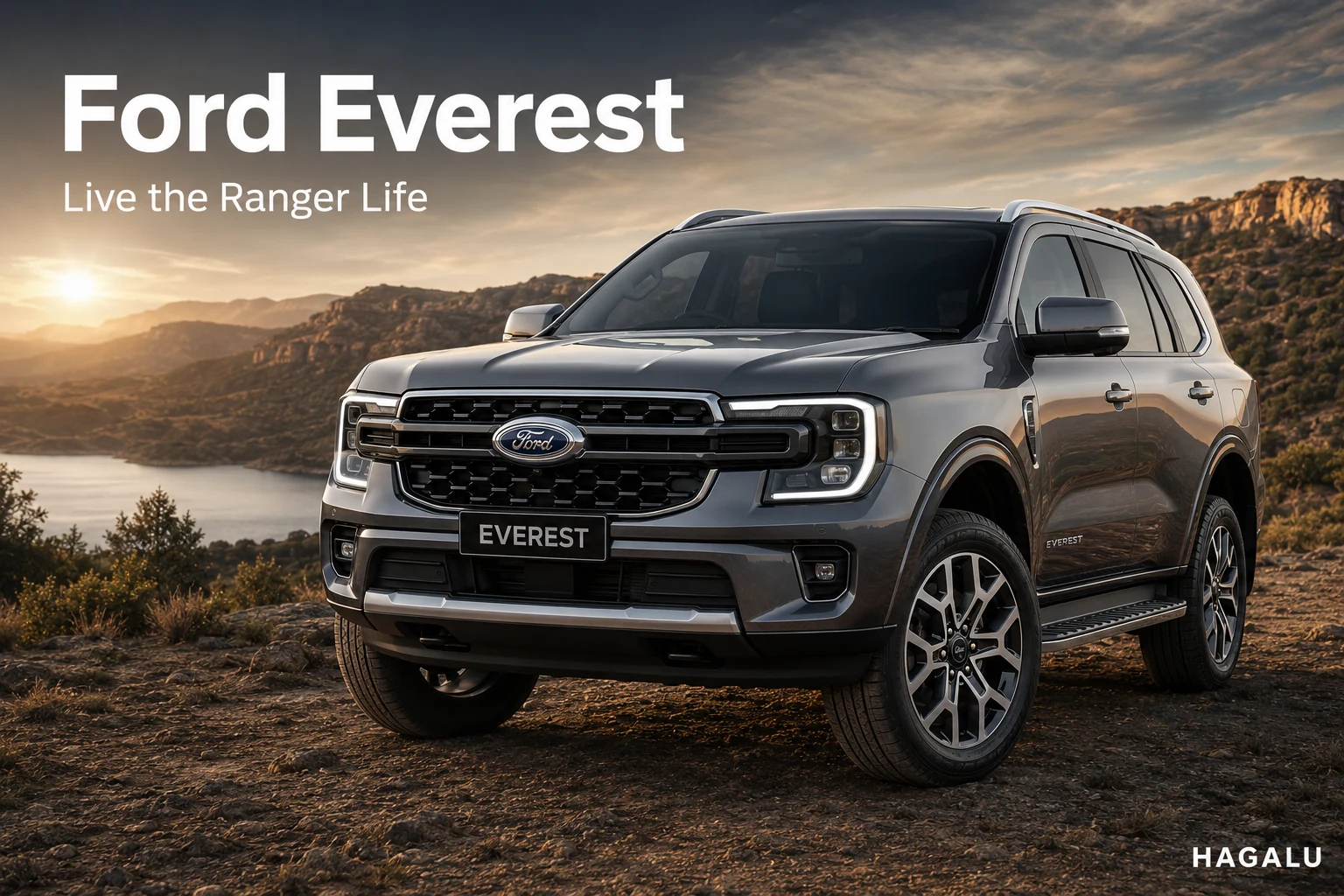
Lower-priced Kenya examples for the budget exercise
The examples below are not approvals or recommendations. They help you see how a chosen monthly transport budget relates to live Kenya variants with dated prices.
Enter the full amount you can allocate to transport each month. The calculation reserves space for insurance, energy, upkeep and other costs before estimating the vehicle price that the remaining payment could support.
Estimated maximum vehicle price
Available for the loan each month
Estimated amount financed
Balloon still due at the end
Maximum price if the rate rises by 2 points
This is a planning estimate, not approval or a lender quotation.
Do not let the instalment consume the transport budget
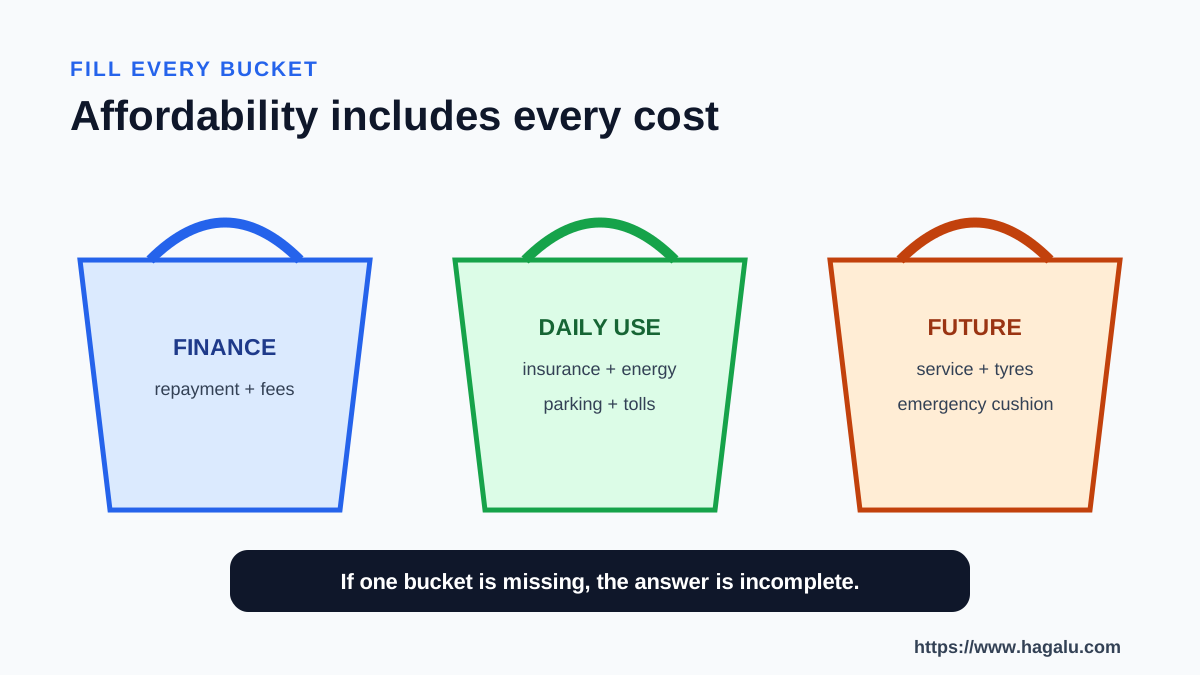
List the costs that will continue after the car is delivered: insurance, fuel or charging, service, tyres, parking, tolls, tracking where required and a small repair reserve. Some are monthly and some arrive annually or unexpectedly, so convert them into a monthly allowance before comparing vehicles.
A buyer who only asks what a bank might lend can end up with a payment that fits on paper but not in the household. The safer question is what amount remains after ordinary needs, savings and a realistic vehicle budget have been respected.
Use take-home income and actual household commitments, not gross salary alone.
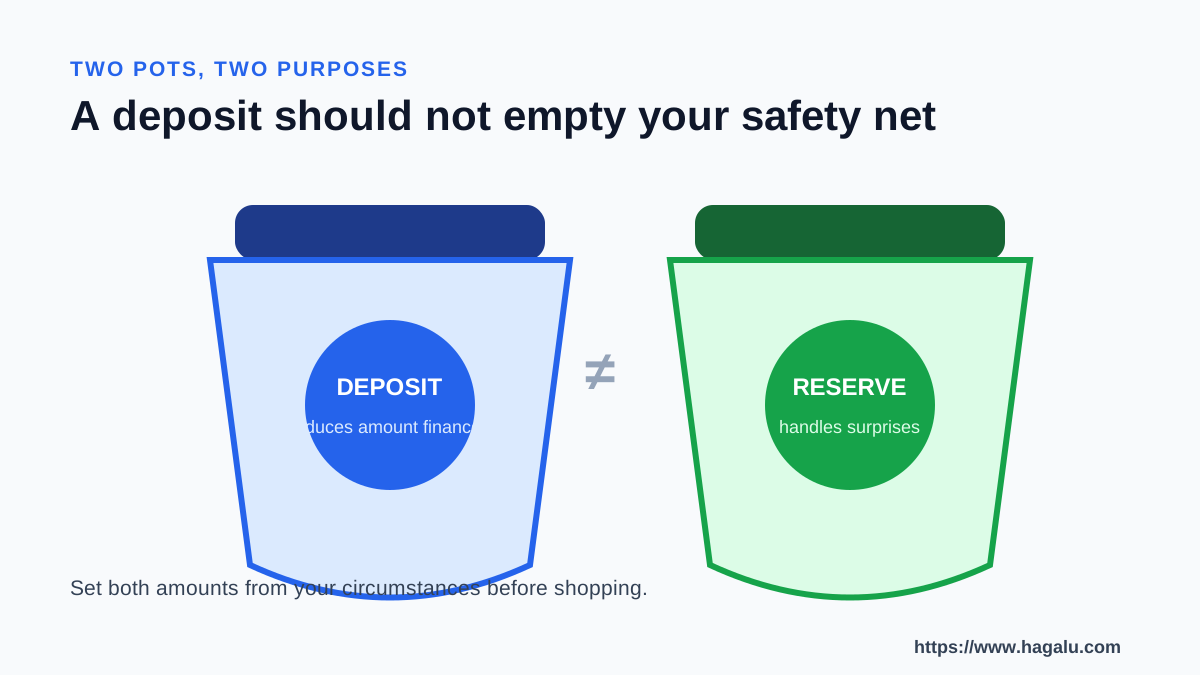
Keep an emergency reserve outside the deposit.
Run a higher-rate scenario before treating the estimate as comfortable.
The balloon is still debt
A smaller payment can leave a large final problem
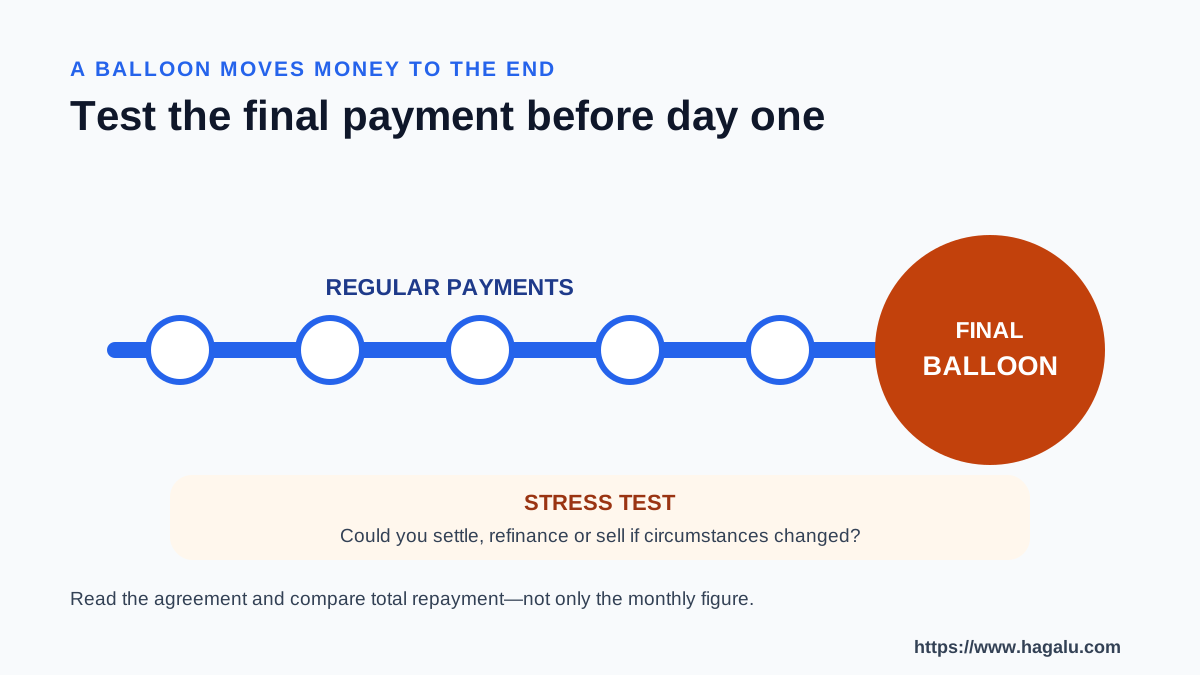
A balloon arrangement postpones part of the principal to the end of the agreement. It can reduce the earlier payment, but the amount does not disappear. The future car value may not cover it, and a new loan or trade-in is not guaranteed. Compare the total repayment and end balance beside the monthly number.
If a vehicle only fits after adding a large balloon, treat that as a signal to step down the price or increase the deposit only when the reserve remains healthy. A reliable budget survives an ordinary surprise without needing a new loan immediately.
Write the final balloon in the same table as the monthly payment.
Stress-test the rate and the future resale value separately.
Never confuse a lower payment with a lower total cost.
Use real inputs
A personal insurance quote is more useful than a market average
Insurance depends on the driver, location, parking, use, annual distance, vehicle, excess and cover. Two people buying the same Toyota or Suzuki can receive different premiums. Use a written quote for the regular driver and the actual address rather than filling the calculator with a number from a friend.
Fuel should be calculated from the route and the current price paid. Maintenance should include scheduled service and a reserve for tyres and wear. If the inputs are uncertain, run low, middle and high cases and make the purchase decision using the middle or high case you can genuinely afford.
Replace the example fuel price with your current local price.
Ask for insurance premium and excess before signing.
Keep the city on-road estimate separate from the finance principal.
Take this with you
Before accepting a Kenya finance quotation
Tick each item before deciding
Write the full monthly transport budget before choosing a car.
Subtract insurance, fuel, maintenance, tyres, parking and a reserve.
Compare deposit, rate, term, fees, balloon and total repayment.
Use a personal insurance quotation rather than a generic estimate.
Test the payment after a higher-rate or higher-fuel scenario.
No jargon test
Words on this page, made simple
Derivative
The exact version of a model—its engine, gearbox and equipment—not merely the badge on the boot.
ESC
Electronic stability control. It can brake individual wheels to help the car follow the driver's intended path during a skid.
ISOFIX
Built-in metal anchor points used by compatible child seats. The vehicle and child-seat manuals must still agree.
Payload
The combined weight the vehicle may carry, including people, bags and accessories.
Braked towing limit
The heaviest trailer the vehicle may tow when that trailer has its own working brakes.
Tow-ball limit
The most downward weight the trailer may press onto the vehicle's towbar connection.
Gross combination mass
The highest allowed total weight of the loaded vehicle and loaded trailer together.
PHEV
A plug-in hybrid: it has a battery that can be charged from an external plug as well as an engine.
Principal
The money borrowed before interest and finance fees are added.
Balloon payment
A large part of the debt deliberately left for the end of the finance agreement.
Annualise
Turn an irregular cost into a yearly amount, so monthly and occasional bills can be compared fairly.
How the list was built
Method, eligibility and limits
The calculator is educational and does not assess credit eligibility.
Ownership allowances are deducted before the illustrative payment is solved.
A rate stress case is shown to expose sensitivity rather than predict future lending rates.
Live Kenya model cards are examples linked to the dated price records; they are not approvals.
What percentage of income should go to a car in Kenya?
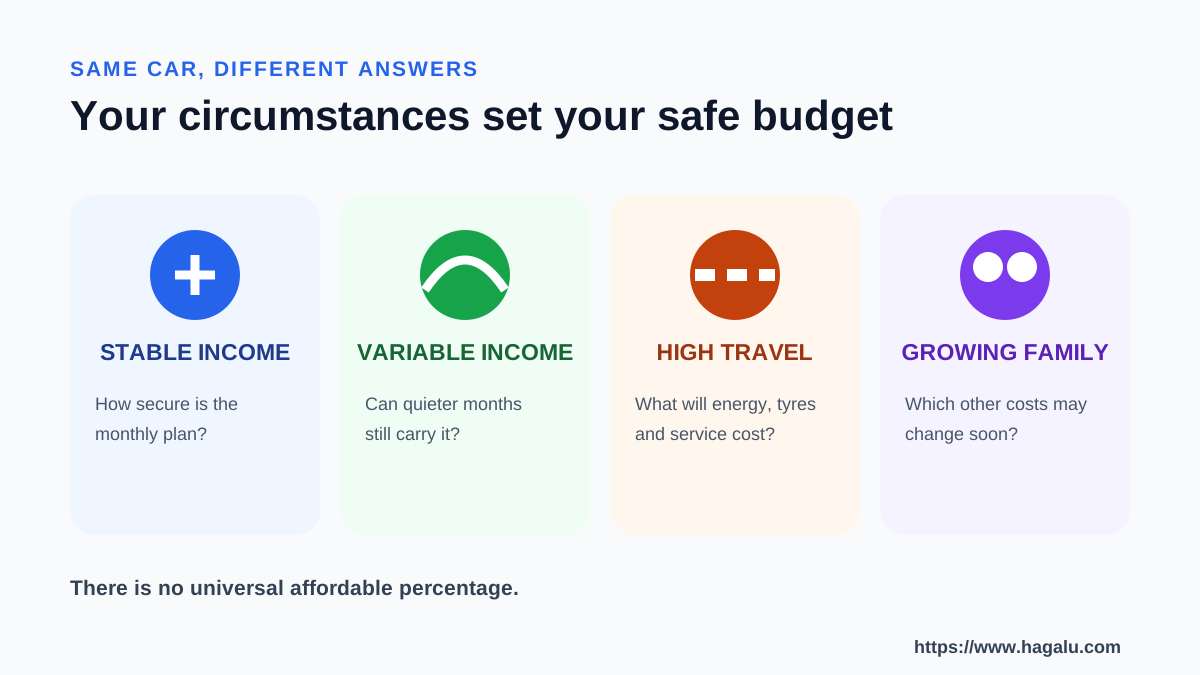
There is no safe universal percentage for every household. Start with take-home income and real commitments, reserve ownership costs and keep an emergency cushion before choosing the instalment.
Should I use a balloon payment to afford a better car?
A balloon lowers earlier payments by leaving debt to the end. Compare total repayment and the final balance; do not use it to disguise a vehicle that is beyond the comfortable budget.
Why is the calculator different from a bank quote?
The calculator is a planning model. A lender applies its own rate, fees, credit assessment, deposit rules, insurance requirements and approval terms.
What should I subtract before calculating the car payment?
Reserve for insurance, fuel or charging, service, tyres, parking, required charges and an emergency repair allowance. Add real quotes as soon as you have them.
Evidence before excitement
Sources and checking method
Primary technical references checked 27 September 2026. Illustrations are conceptual, not photographs or specifications of a particular vehicle. Worked examples use explicitly stated assumptions, not current tariffs or quotations.
Prices, equipment and availability can change after publication. Ranked model cards link their recorded vehicle source when one is available; the broader sources above explain market, legal or calculation context. Always verify the exact derivative in a current OEM document and written dealer quotation.