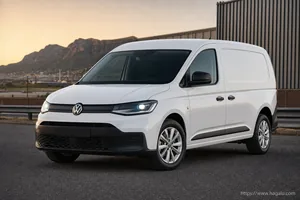
Van Diesel Manual 2-seat

Volkswagen Caddy Cargo

Price in South Africa, real specs & fuel economy — 2026

Model year Current Generation Current South African Caddy Cargo listing; generation notes should be kept tied to the local model year and confirmed derivative data. Current version Original current-generation version Body style Van
Volkswagen Caddy Cargo is a South African Van model with confirmed local variants and ownership context.
ZAR 646,650
On-road in
ZAR 665,409
Ex-showroom ZAR 646,650
Finance estimate from ZAR 8,247/month Based on 1.6i Manual Ex-showroom basis · approx. 20% deposit · 11.5% p.a. · 60 months · no balloon
Engine:1968cc (2.0L) Torque:300Nm (221 lb-ft) Ground Clearance:144mm (5.7″) Power:81kW (109 bhp) Boot3900L (137.7 cu ft)

Hover or tap any pill for a plain-English explanation. Bracketed values show common equivalents (bhp, lb-ft, inches, cu ft).

Fuel Economy km/l · US mpg equivalent
Combined 18.2 km/l (43 mpg)
City 14.8 km/l (35 mpg)
Highway 21.3 km/l (50 mpg)

On-road pricing varies by dealer. Fuel figures are manufacturer claims or source-backed estimates where a separate city/highway cycle is not published; your real numbers depend on traffic, terrain and driving style.

Model Range PDF
₿ Pay with crypto BTC · ETH · USDT · USDC
Monthly EMI
ZAR 8,247
Total Interest
ZAR 119,834
Total Payable
ZAR 494,834
Principal Interest

* Illustrative estimate based on the ex-showroom price, approximately 20% deposit, 11.5% nominal annual interest, 60 months and no balloon payment, using the 1.6i Manual. Excludes initiation fees, monthly service fees, credit-life insurance and vehicle insurance. Your lender quotation may differ.

Source-backed vehicle data • Verified by the Hagalu team

Volkswagen Caddy Cargo

Volkswagen Caddy Cargo is a South African Van model with confirmed local variants and ownership context.

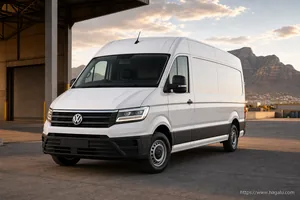
The Volkswagen Caddy Cargo sits in the South African market as a compact Volkswagen business van. It is not a car to understand only by its badge; it makes more sense when viewed through the job it is expected to do. For many shoppers that job is deliveries, tools, conversions and business kilometres. Suits small fleets, technicians and city deliveries, so the strongest buying case comes from matching the body style, fuel type and grade to the week the vehicle will actually live through. In the current South African range the Caddy Cargo as a van with petrol power. That combination gives the buyer a useful starting point. A bakkie buyer will think about payload, towing and surface durability. An SUV buyer will care about seating comfort, visibility and long-trip luggage space. A van or bus buyer will look harder at door openings, uptime and passenger or cargo layout. The same model badge can therefore mean different things to a private owner, a fleet manager and a small-business operator. The active derivative spread includes 1.6i Manual, 2.0 TDI Manual, Maxi Cargo 2.0 TDI Manual. The smart comparison is not only cheapest against dearest. It is whether the derivative has the correct gearbox, drivetrain, seating arrangement and service support. In South Africa, the right vehicle often has to cope with school traffic, highway stretches, rough tar, gravel turn-offs and hot-weather air-conditioning use in the same month. A clean listing should help the shopper narrow that decision before they phone a dealer. Cabin and equipment expectations should stay realistic. Screens, upholstery, wheel design, safety systems and convenience features can vary by grade. That is why the Caddy Cargo should be checked against the exact derivative before a buyer assumes a feature is standard. Colours can also move with production batch and dealer stock, especially on new or limited-run vehicles. Neutral colours are usually easier to find, while launch or special colours may need a specific order. The final reason to shortlist the Volkswagen Caddy Cargo is practical fit. It should make daily driving easier, not merely look good on a comparison table. If it will work for a living, focus on payload, service intervals, tyres and downtime. If it will carry family, focus on rear-seat access, comfort and safety equipment. If it will travel long distances, focus on cruising comfort, fuel range and dealer support outside the big metros. Ownership should also be read through cost and support. A Volkswagen Caddy Cargo buyer will usually care about more than the monthly instalment: insurance, tyres, servicing, resale confidence, parts availability and dealer proximity all affect the real value of the car. These details are less glamorous than wheels or screens, but they decide whether the Caddy Cargo remains easy to live with after the first few months. The best page for this model should therefore explain the buying context in plain language and let the technical rows carry the fine detail. For shoppers comparing alternatives, the Caddy Cargo should be placed next to vehicles with the same body style and ownership role. A van with petrol power is not always cross-shopped against the cheapest car in the brand range; it is usually compared with models that solve the same transport problem. That is the practical way to decide whether the Caddy Cargo is the right fit, too much vehicle, or not enough vehicle for the work. A useful ownership check for the Volkswagen Caddy Cargo is to separate the emotional appeal of the Van shape from the weekly jobs it must do. A local buyer should write down the normal passenger count, parking conditions, monthly distance, holiday luggage, work equipment and the worst road surface the vehicle will realistically see. That list quickly shows whether the entry derivative is enough, whether a middle grade is the sensible comfort point, or whether the top grade adds hardware that will actually be used. With 3 confirmed local derivatives, the smartest comparison is usually within the range first and against rivals second. Finance cost, insurance, tyres and service cover should be checked at the same time as the brochure features, because a small jump in purchase price can become meaningful over a normal ownership term.

Volkswagen Caddy Cargo — Quick Facts

Volkswagen Caddy Cargo Variants & Prices

Pick up to 3 variants, hit Compare Variants and you'll get a proper side-by-side spec breakdown.

Maximum 3 variants reached
Uncheck one of the selected variants below before choosing another.
Cmp Variant Trim Fuel Transmission Price
1.6i Manual Base Petrol Manual ZAR 466,700
2.0 TDI Manual Mid Diesel Manual ZAR 598,000
Maxi Cargo 2.0 TDI Manual Top Diesel Manual ZAR 646,650
Cmp Variant Trim Fuel Transmission Price
1.6i Manual Base Petrol Manual ZAR 466,700
Cmp Variant Trim Fuel Transmission Price
2.0 TDI Manual Mid Diesel Manual ZAR 598,000
Maxi Cargo 2.0 TDI Manual Top Diesel Manual ZAR 646,650
2 variants selected

Volkswagen Caddy Cargo Specifications

Length
4853 mm
Width
1855 mm
Height
1823 mm
Wheelbase
2970 mm
Ground Clearance (Default)
144 mm
Fuel Tank Capacity
50 l
Boot/Cargo Space
3900 l
Kerb Weight
1706 kg
Gross Vehicle Weight (GVW)
2350 kg
Payload Capacity
644 kg
Towing Capacity
1500 kg
Seating Capacity
2 seats
Doors
4 doors
Minimum Turning Radius
12.1 m
Driving fit

Where the Volkswagen Caddy Cargo Fits Best

A practical view of the buyer and roads this model is best suited to.

Who buys this

The best buyer for the Caddy Cargo is someone who has a clear use case: deliveries, tools, conversions and business kilometres. It suits shoppers who compare practical ownership needs before paying for extra trim or image. For the Volkswagen Caddy Cargo, the best buyer is someone who can match the vehicle to a known routine instead of shopping only by advertised price or exterior style.

City
In city use, the Caddy Cargo should be judged on kerb access, loading height, door opening and traffic fatigue. A good daily vehicle must be easy to place in traffic, comfortable in heat, and simple to live with when parking, loading people or dealing with short trips. For the Caddy Cargo, city use also means potholes, tight shopping-centre ramps, speed humps, heat-soaked traffic and short trips where fuel use can rise. The most comfortable derivative is the one that combines the right gearbox response, seating position and parking support with tyre sizes that do not punish everyday surfaces.
Highway
On highways, look at driver comfort, cruise stability, fuel use and service uptime. Long South African trips expose weak seats, noisy cabins and engines that work too hard, so cruising comfort and range matter as much as headline equipment. A buyer who drives between provinces or carries family on holiday should also consider noise, seat support, spare-wheel arrangements, overtaking response and how confidently the vehicle holds speed when loaded. Those details often separate two trims that look similar on paper.
Off-Road
For rough-road use, check unsealed depots, construction entrances and rural delivery routes. A raised body or tough badge is useful only when the tyres, clearance, drivetrain and load rating support the roads the owner actually drives. Where rougher roads are part of ownership, the buyer should check tyres, underbody clearance, approach to traction control and recovery practicality before relying on the body style. If the route is mainly tar, comfort and running costs should take priority over unused off-road image.

Volkswagen Caddy Cargo — Should You Buy It?

Caddy Cargo is strongest when its body style and derivative match the buyer’s real work.

The Volkswagen Caddy Cargo is a sensible shortlist item when its practical role is clear. It should not be bought only because of badge familiarity or a high equipment count. The better approach is to compare the exact grade, price, drivetrain and ownership terms against the job it must do every week. The fairest verdict on the Volkswagen Caddy Cargo is therefore use-case driven. It can be a strong South African choice when the buyer chooses the correct derivative for the intended mix of city driving, freeway work, passengers, cargo and rough-road exposure. It becomes less convincing when bought only for styling or badge appeal without checking the practical numbers and ownership costs that will matter after delivery.

What's Good
  • Clear van role for deliveries, tools, conversions and business kilometres.
  • Useful body style for South African ownership conditions.
  • Derivative choice can be matched to budget and use.
  • Straightforward comparison when fuel type and gearbox are checked carefully.
  • Good fit for shoppers who prioritise practical ownership over image.
  • Can support clean model pages when prices and specs stay current.
Watch Out For
  • Final equipment can vary by derivative and model year.
  • Colour and accessory availability may differ by dealer stock.
  • Some buyers may need a more specialised grade for towing, payload or rough-road use.
  • Full confidence still depends on the latest local price list and specification sheet.
  • Running costs depend heavily on route, load and driving style.

Volkswagen Caddy Cargo FAQs

Current recommended retail prices for the Volkswagen Caddy Cargo run from R466,700 to R646,650, depending on the derivative. Compare the exact trim before calculating finance because options, insurance and dealer charges can change the final monthly cost.

The current South African range comprises 1.6i Manual, 2.0 TDI Manual, Maxi Cargo 2.0 TDI Manual. Prices and equipment are shown by derivative so buyers can compare the actual local range rather than specifications from another market.

The listed ground clearance for the Volkswagen Caddy Cargo is 144 mm. Use that number as a practical comparison point against similar cars, especially if you regularly deal with steep driveways, gravel roads or uneven parking areas.

The Volkswagen Caddy Cargo engine specification depends on derivative: 1.6i Manual: 1598 cc, 81 kW (109 bhp); 2.0 TDI Manual, Maxi Cargo 2.0 TDI Manual: 1968 cc, 81 kW (109 bhp). Compare the exact trim because its gearbox and equipment may also differ.

Combined fuel-economy figures differ across the Volkswagen Caddy Cargo range: 1.6i Manual: 14.9 km/l; 2.0 TDI Manual, Maxi Cargo 2.0 TDI Manual: 18.2 km/l.

The best buyer for the Caddy Cargo is someone who has a clear use case: deliveries, tools, conversions and business kilometres. It suits shoppers who compare practical ownership needs before paying for extra trim or image. For the Volkswagen Caddy Cargo, the best buyer is someone who can match the vehicle to a known routine instead of shopping only by advertised price or exterior style.

In city use, the Caddy Cargo should be judged on kerb access, loading height, door opening and traffic fatigue. A good daily vehicle must be easy to place in traffic, comfortable in heat, and simple to live with when parking, loading people or dealing with short trips. For the Caddy Cargo, city use also means potholes, tight shopping-centre ramps, speed humps, heat-soaked traffic and short trips where fuel use can rise. The most comfortable derivative is the one that combines the right gearbox response, seating position and parking support with tyre sizes that do not punish everyday surfaces.

On highways, look at driver comfort, cruise stability, fuel use and service uptime. Long South African trips expose weak seats, noisy cabins and engines that work too hard, so cruising comfort and range matter as much as headline equipment. A buyer who drives between provinces or carries family on holiday should also consider noise, seat support, spare-wheel arrangements, overtaking response and how confidently the vehicle holds speed when loaded. Those details often separate two trims that look similar on paper.

Compare Volkswagen Caddy Cargo with Similar Vans

Tap any card to see a full head-to-head — specs, scores and a clear verdict on which one's worth your money.

Volkswagen Caddy Cargo
VS
Mahindra S4 Refrigeration
Caddy Cargo vs S4 Refrigeration
Diesel van 3 Variants
Mahindra S4 Refrigeration from ZAR 457,149
See full specs & who wins →
Volkswagen Caddy Cargo
VS
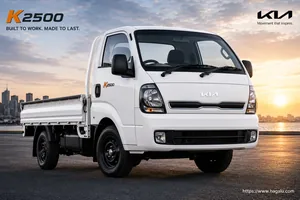
KIA K2500
Caddy Cargo vs K2500
Diesel van 3 Variants
KIA K2500 from ZAR 424,995
See full specs & who wins →
Volkswagen Caddy Cargo
VS
Toyota Hiace Ses'fikile
Caddy Cargo vs Hiace Ses'fikile
Diesel van 1 Variant
Toyota Hiace Ses'fikile from ZAR 549,300
See full specs & who wins →
Volkswagen Caddy Cargo
VS
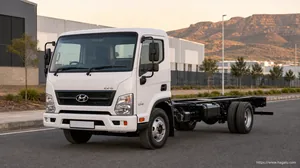
Hyundai EX-8 Chassis Cab
Caddy Cargo vs EX-8 Chassis Cab
Diesel van 1 Variant
Hyundai EX-8 Chassis Cab from ZAR 581,900
See full specs & who wins →

Also Worth Exploring in South Africa

Different body types — refreshed every visit so you discover something new.

Suzuki Jimny 5-Door Petrol
Suzuki Jimny 5-Door
Suv 3 Variants
From R439,900
Lexus RX petrol, hybrid and plug-in hybrid
Lexus RX
Suv 5 Variants
From R1,516,500
Mitsubishi Outlander Petrol
Mitsubishi Outlander
Suv 5 Variants
From R759,995
Toyota Hilux Xtra Cab Diesel
Toyota Hilux Xtra Cab
Pickup 3 Variants
From R574,500

Other Current Volkswagen Models in South Africa

Models currently listed for sale in the South African range.

Volkswagen Amarok Diesel
Volkswagen
Amarok
Pickup 16 Variants
Starting from ZAR 596,800
Volkswagen Caddy Petrol
Volkswagen
Caddy
van 3 Variants
Starting from ZAR 573,200
Volkswagen Crafter Diesel
Volkswagen
Crafter
van 11 Variants
Starting from ZAR 861,200
Volkswagen Golf 1.4 TSI Petrol
Volkswagen
Golf 1.4 TSI
Hatchback 4 Variants
Starting from ZAR 580,900
Archive

Discontinued & Earlier Volkswagen Models

Historical model pages remain available without competing with vehicles currently on sale.

Full Volkswagen range
Volkswagen Golf discontinued model reference in South Africa Golf Discontinued Hatchback Volkswagen Tiguan Allspace discontinued model reference in South Africa Tiguan Allspace Discontinued SUV

Data verified against: Volkswagen Official South Africa Website

More from Volkswagen