Hagalu
Home
›
South Africa
›
Compare
›
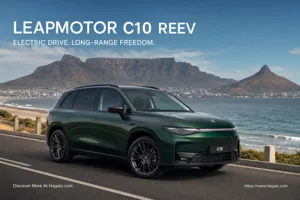
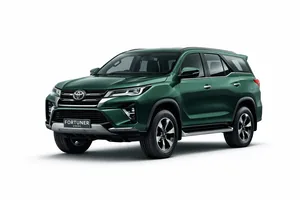
C10 REEV vs Fortuner
A proper head-to-head in South Africa — we cover price, performance,
petrol economy, safety and what it'll actually cost you to own each one long term.
Design
Hybrid
Automatic
ZAR 799,900
ex-showroom
⚡ 158 kW
🔧 320 Nm
Chery Tiggo 4 Cross
Chery Tiggo 4 Cross HEV
Chery Tiggo 4 Pro
Chery Tiggo 4 Pro Panel Van
Chery Tiggo 7
Chery Tiggo 7 PHEV
Chery Tiggo 7 Pro
Chery Tiggo 8 PHEV
Chery Tiggo 8 Pro
Chery Tiggo 8 Pro Max
Chery Tiggo 9
Chery Tiggo 9 PHEV
Ford Everest
Ford Mustang
Ford Ranger Platinum
Ford Ranger Raptor
Ford Ranger Sport
Ford Ranger Tremor
Ford Ranger Wildtrak
Ford Ranger XL
Ford Ranger XLT
Ford Territory
Ford Tourneo Custom
Ford Transit Custom
Ford Transit Van
GWM H6
GWM H6 GT
GWM H6 GT PHEV
GWM H6 PHEV
GWM H7
GWM Jolion
GWM Jolion Pro
GWM Jolion Pro Limited
GWM Ora 03
GWM ORA 5
GWM P300
GWM P500
GWM Tank 300
GWM Tank 500
Honda Amaze
Honda Civic RS
Honda Civic Type R
Honda CR-V
Honda Elevate
Honda Fit
Honda HR-V
Hyundai ALCAZAR
Hyundai EX-8 Chassis Cab
Hyundai EX-8 Dropside
Hyundai EX-8 Tipper
Hyundai EX-8 Van Body
Hyundai EXTER
Hyundai Grand i10
Hyundai Grand i10 Cargo
Hyundai Grand i10 Sedan
Hyundai H-100 Chassis Cab
Hyundai H-100 Deck
Hyundai H-100 Tipper
Hyundai i20
Hyundai Santa Fe Hybrid
Hyundai Staria
Hyundai Staria Panelvan
Hyundai Tucson
Hyundai Venue Cargo
Isuzu D-Max Arctic Trucks AT35
Isuzu D-Max Double Cab
Isuzu D-Max Extended Cab
Isuzu D-Max Single Cab
Isuzu D-Max X-Rider
Isuzu MU-X
Jaecoo J5
Jaecoo J7
Jaecoo J7 SHS
Jetour Dashing
Jetour T1
Jetour T1 i-DM
Jetour T2
Jetour X70 Plus
KIA Carens
KIA Carnival
KIA K2500
KIA K2700
KIA Pegas
KIA Picanto
KIA Picanto Panel Van
KIA Seltos
KIA Sonet
KIA Sonet Panel Van
KIA Sorento
KIA Sportage
KIA Tasman
Leapmotor C10 REEV
LEPAS L4
Lexus ES
Lexus GX
Lexus LX
Lexus NX
Lexus RX
Lexus RZ
Lexus UX
Mahindra Bolero
Mahindra Karoo Special Edition Dawn
Mahindra Karoo Special Edition Dew
Mahindra Karoo Special Edition Dusk
Mahindra Karoo Special Edition Storm
Mahindra Pik Up Double Cab
Mahindra Pik Up Single Cab
Mahindra S4 Game Viewer
Mahindra S4 Refrigeration
Mahindra S6 Ambulance
Mahindra S6 Mining
Mahindra Scorpio-N
Mahindra XUV3XO
Mahindra XUV 3XO Xprez Panel Van
Mahindra XUV700
Mazda CX-3
Mazda CX-30
Mazda CX-5
Mazda CX-60
Mazda Mazda2
Mazda Mazda3
Nissan Magnite
Nissan Navara Double Cab
Nissan Navara Single Cab
Nissan X-Trail
Omoda C5
Omoda C5 SHS
Omoda C5-X
Omoda C7
Omoda C9
Omoda C9 SHS
Renault Captur
Renault Duster
Renault Kiger
Renault Kwid
Renault Kwid Limited Edition
Renault Trafic Panel Van
Renault Triber
Renault Triber Express
Suzuki Across
Suzuki Baleno
Suzuki Celerio
Suzuki Dzire
Suzuki Eeco
Suzuki Ertiga
Suzuki Fronx
Suzuki Grand Vitara
Suzuki Ignis
Suzuki Jimny
Suzuki Jimny 5-Door
Suzuki S-Presso
Suzuki Super Carry
Suzuki Swift
Suzuki Swift Sport
Suzuki XL6
Toyota bZ4X
Toyota Coaster
Toyota Corolla
Toyota Corolla Cross
Toyota Corolla Hatch
Toyota Fortuner
Toyota GR86
Toyota GR Corolla
Toyota GR Supra
Toyota GR Yaris
Toyota Hiace
Toyota Hiace Ses'fikile
Toyota Hilux Double Cab
Toyota Hilux Single Cab
Toyota Hilux Xtra Cab
Toyota Land Cruiser 300
Toyota Land Cruiser 76
Toyota Land Cruiser 79 Double Cab
Toyota Land Cruiser 79 Single Cab
Toyota Land Cruiser FJ
Toyota Land Cruiser Prado
Toyota Quantum Bus
Toyota Quantum Panel Van
Toyota RAV4
Toyota Rumion
Toyota Starlet
Toyota Starlet Cross
Toyota Urban Cruiser
Toyota Vitz
Volkswagen Amarok
Volkswagen Caddy
Volkswagen Caddy Cargo
Volkswagen Crafter
Volkswagen Golf 1.4 TSI
Volkswagen Golf GTI
Volkswagen Polo
Volkswagen Polo Sedan
Volkswagen Polo-Vivo
Volkswagen Taigo
Volkswagen Tayron
Volkswagen T-Cross
Volkswagen Tiguan
Volkswagen Touareg
Volkswagen Transporter Kombi
Volkswagen Transporter Vans
Volkswagen T-Roc
Ford EcoSport (archived)
Ford Puma (archived)
Ford Ranger (archived)
GWM Cannon (archived)
GWM Cannon Alpha (archived)
GWM H1 (archived)
GWM H2 (archived)
GWM Jolion GT (archived)
GWM Ora Good Cat (archived)
GWM P Series (archived)
GWM Steed 6 (archived)
Hyundai Creta (archived)
Hyundai Elantra (archived)
Hyundai H1 (archived)
Hyundai i30 (archived)
Hyundai IONIQ 5 (archived)
Hyundai IONIQ 6 (archived)
Hyundai Kona (archived)
Hyundai Palisade (archived)
Hyundai Santa Fe (archived)
Hyundai Venue (archived)
Isuzu D-Max (archived)
Mahindra KUV100 (archived)
Mahindra XUV300 (archived)
Mahindra XUV500 (archived)
Nissan Navara (archived)
Nissan NP200 (archived)
Nissan NP300 Hardbody (archived)
Nissan Patrol (archived)
Nissan Qashqai (archived)
Toyota Agya (archived)
Toyota Camry (archived)
Toyota C-HR (archived)
Toyota Corolla Sedan (archived)
Toyota Hilux (archived)
Toyota Hilux Custom Builds (archived)
Toyota Land Cruiser 79 (archived)
Toyota Quantum (archived)
Toyota Yaris (archived)
Volkswagen Golf (archived)
Volkswagen Tiguan Allspace (archived)
VS
2.8 GD-6 4X4 GR-Sport 6AT
Diesel
Automatic
ZAR 999,000
ex-showroom
⚡ 150 kW
🔧 500 Nm Nm
⛽ 13.2 km/l
Chery Tiggo 4 Cross
Chery Tiggo 4 Cross HEV
Chery Tiggo 4 Pro
Chery Tiggo 4 Pro Panel Van
Chery Tiggo 7
Chery Tiggo 7 PHEV
Chery Tiggo 7 Pro
Chery Tiggo 8 PHEV
Chery Tiggo 8 Pro
Chery Tiggo 8 Pro Max
Chery Tiggo 9
Chery Tiggo 9 PHEV
Ford Everest
Ford Mustang
Ford Ranger Platinum
Ford Ranger Raptor
Ford Ranger Sport
Ford Ranger Tremor
Ford Ranger Wildtrak
Ford Ranger XL
Ford Ranger XLT
Ford Territory
Ford Tourneo Custom
Ford Transit Custom
Ford Transit Van
GWM H6
GWM H6 GT
GWM H6 GT PHEV
GWM H6 PHEV
GWM H7
GWM Jolion
GWM Jolion Pro
GWM Jolion Pro Limited
GWM Ora 03
GWM ORA 5
GWM P300
GWM P500
GWM Tank 300
GWM Tank 500
Honda Amaze
Honda Civic RS
Honda Civic Type R
Honda CR-V
Honda Elevate
Honda Fit
Honda HR-V
Hyundai ALCAZAR
Hyundai EX-8 Chassis Cab
Hyundai EX-8 Dropside
Hyundai EX-8 Tipper
Hyundai EX-8 Van Body
Hyundai EXTER
Hyundai Grand i10
Hyundai Grand i10 Cargo
Hyundai Grand i10 Sedan
Hyundai H-100 Chassis Cab
Hyundai H-100 Deck
Hyundai H-100 Tipper
Hyundai i20
Hyundai Santa Fe Hybrid
Hyundai Staria
Hyundai Staria Panelvan
Hyundai Tucson
Hyundai Venue Cargo
Isuzu D-Max Arctic Trucks AT35
Isuzu D-Max Double Cab
Isuzu D-Max Extended Cab
Isuzu D-Max Single Cab
Isuzu D-Max X-Rider
Isuzu MU-X
Jaecoo J5
Jaecoo J7
Jaecoo J7 SHS
Jetour Dashing
Jetour T1
Jetour T1 i-DM
Jetour T2
Jetour X70 Plus
KIA Carens
KIA Carnival
KIA K2500
KIA K2700
KIA Pegas
KIA Picanto
KIA Picanto Panel Van
KIA Seltos
KIA Sonet
KIA Sonet Panel Van
KIA Sorento
KIA Sportage
KIA Tasman
Leapmotor C10 REEV
LEPAS L4
Lexus ES
Lexus GX
Lexus LX
Lexus NX
Lexus RX
Lexus RZ
Lexus UX
Mahindra Bolero
Mahindra Karoo Special Edition Dawn
Mahindra Karoo Special Edition Dew
Mahindra Karoo Special Edition Dusk
Mahindra Karoo Special Edition Storm
Mahindra Pik Up Double Cab
Mahindra Pik Up Single Cab
Mahindra S4 Game Viewer
Mahindra S4 Refrigeration
Mahindra S6 Ambulance
Mahindra S6 Mining
Mahindra Scorpio-N
Mahindra XUV3XO
Mahindra XUV 3XO Xprez Panel Van
Mahindra XUV700
Mazda CX-3
Mazda CX-30
Mazda CX-5
Mazda CX-60
Mazda Mazda2
Mazda Mazda3
Nissan Magnite
Nissan Navara Double Cab
Nissan Navara Single Cab
Nissan X-Trail
Omoda C5
Omoda C5 SHS
Omoda C5-X
Omoda C7
Omoda C9
Omoda C9 SHS
Renault Captur
Renault Duster
Renault Kiger
Renault Kwid
Renault Kwid Limited Edition
Renault Trafic Panel Van
Renault Triber
Renault Triber Express
Suzuki Across
Suzuki Baleno
Suzuki Celerio
Suzuki Dzire
Suzuki Eeco
Suzuki Ertiga
Suzuki Fronx
Suzuki Grand Vitara
Suzuki Ignis
Suzuki Jimny
Suzuki Jimny 5-Door
Suzuki S-Presso
Suzuki Super Carry
Suzuki Swift
Suzuki Swift Sport
Suzuki XL6
Toyota bZ4X
Toyota Coaster
Toyota Corolla
Toyota Corolla Cross
Toyota Corolla Hatch
Toyota Fortuner
Toyota GR86
Toyota GR Corolla
Toyota GR Supra
Toyota GR Yaris
Toyota Hiace
Toyota Hiace Ses'fikile
Toyota Hilux Double Cab
Toyota Hilux Single Cab
Toyota Hilux Xtra Cab
Toyota Land Cruiser 300
Toyota Land Cruiser 76
Toyota Land Cruiser 79 Double Cab
Toyota Land Cruiser 79 Single Cab
Toyota Land Cruiser FJ
Toyota Land Cruiser Prado
Toyota Quantum Bus
Toyota Quantum Panel Van
Toyota RAV4
Toyota Rumion
Toyota Starlet
Toyota Starlet Cross
Toyota Urban Cruiser
Toyota Vitz
Volkswagen Amarok
Volkswagen Caddy
Volkswagen Caddy Cargo
Volkswagen Crafter
Volkswagen Golf 1.4 TSI
Volkswagen Golf GTI
Volkswagen Polo
Volkswagen Polo Sedan
Volkswagen Polo-Vivo
Volkswagen Taigo
Volkswagen Tayron
Volkswagen T-Cross
Volkswagen Tiguan
Volkswagen Touareg
Volkswagen Transporter Kombi
Volkswagen Transporter Vans
Volkswagen T-Roc
Ford EcoSport (archived)
Ford Puma (archived)
Ford Ranger (archived)
GWM Cannon (archived)
GWM Cannon Alpha (archived)
GWM H1 (archived)
GWM H2 (archived)
GWM Jolion GT (archived)
GWM Ora Good Cat (archived)
GWM P Series (archived)
GWM Steed 6 (archived)
Hyundai Creta (archived)
Hyundai Elantra (archived)
Hyundai H1 (archived)
Hyundai i30 (archived)
Hyundai IONIQ 5 (archived)
Hyundai IONIQ 6 (archived)
Hyundai Kona (archived)
Hyundai Palisade (archived)
Hyundai Santa Fe (archived)
Hyundai Venue (archived)
Isuzu D-Max (archived)
Mahindra KUV100 (archived)
Mahindra XUV300 (archived)
Mahindra XUV500 (archived)
Nissan Navara (archived)
Nissan NP200 (archived)
Nissan NP300 Hardbody (archived)
Nissan Patrol (archived)
Nissan Qashqai (archived)
Toyota Agya (archived)
Toyota Camry (archived)
Toyota C-HR (archived)
Toyota Corolla Sedan (archived)
Toyota Hilux (archived)
Toyota Hilux Custom Builds (archived)
Toyota Land Cruiser 79 (archived)
Toyota Quantum (archived)
Toyota Yaris (archived)
Volkswagen Golf (archived)
Volkswagen Tiguan Allspace (archived)
+
Add a 3rd car
Select a car to compare…
Chery Tiggo 4 Cross
Chery Tiggo 4 Cross HEV
Chery Tiggo 4 Pro
Chery Tiggo 4 Pro Panel Van
Chery Tiggo 7
Chery Tiggo 7 PHEV
Chery Tiggo 7 Pro
Chery Tiggo 8 PHEV
Chery Tiggo 8 Pro
Chery Tiggo 8 Pro Max
Chery Tiggo 9
Chery Tiggo 9 PHEV
Ford Everest
Ford Mustang
Ford Ranger Platinum
Ford Ranger Raptor
Ford Ranger Sport
Ford Ranger Tremor
Ford Ranger Wildtrak
Ford Ranger XL
Ford Ranger XLT
Ford Territory
Ford Tourneo Custom
Ford Transit Custom
Ford Transit Van
GWM H6
GWM H6 GT
GWM H6 GT PHEV
GWM H6 PHEV
GWM H7
GWM Jolion
GWM Jolion Pro
GWM Jolion Pro Limited
GWM Ora 03
GWM ORA 5
GWM P300
GWM P500
GWM Tank 300
GWM Tank 500
Honda Amaze
Honda Civic RS
Honda Civic Type R
Honda CR-V
Honda Elevate
Honda Fit
Honda HR-V
Hyundai ALCAZAR
Hyundai EX-8 Chassis Cab
Hyundai EX-8 Dropside
Hyundai EX-8 Tipper
Hyundai EX-8 Van Body
Hyundai EXTER
Hyundai Grand i10
Hyundai Grand i10 Cargo
Hyundai Grand i10 Sedan
Hyundai H-100 Chassis Cab
Hyundai H-100 Deck
Hyundai H-100 Tipper
Hyundai i20
Hyundai Santa Fe Hybrid
Hyundai Staria
Hyundai Staria Panelvan
Hyundai Tucson
Hyundai Venue Cargo
Isuzu D-Max Arctic Trucks AT35
Isuzu D-Max Double Cab
Isuzu D-Max Extended Cab
Isuzu D-Max Single Cab
Isuzu D-Max X-Rider
Isuzu MU-X
Jaecoo J5
Jaecoo J7
Jaecoo J7 SHS
Jetour Dashing
Jetour T1
Jetour T1 i-DM
Jetour T2
Jetour X70 Plus
KIA Carens
KIA Carnival
KIA K2500
KIA K2700
KIA Pegas
KIA Picanto
KIA Picanto Panel Van
KIA Seltos
KIA Sonet
KIA Sonet Panel Van
KIA Sorento
KIA Sportage
KIA Tasman
Leapmotor C10 REEV
LEPAS L4
Lexus ES
Lexus GX
Lexus LX
Lexus NX
Lexus RX
Lexus RZ
Lexus UX
Mahindra Bolero
Mahindra Karoo Special Edition Dawn
Mahindra Karoo Special Edition Dew
Mahindra Karoo Special Edition Dusk
Mahindra Karoo Special Edition Storm
Mahindra Pik Up Double Cab
Mahindra Pik Up Single Cab
Mahindra S4 Game Viewer
Mahindra S4 Refrigeration
Mahindra S6 Ambulance
Mahindra S6 Mining
Mahindra Scorpio-N
Mahindra XUV3XO
Mahindra XUV 3XO Xprez Panel Van
Mahindra XUV700
Mazda CX-3
Mazda CX-30
Mazda CX-5
Mazda CX-60
Mazda Mazda2
Mazda Mazda3
Nissan Magnite
Nissan Navara Double Cab
Nissan Navara Single Cab
Nissan X-Trail
Omoda C5
Omoda C5 SHS
Omoda C5-X
Omoda C7
Omoda C9
Omoda C9 SHS
Renault Captur
Renault Duster
Renault Kiger
Renault Kwid
Renault Kwid Limited Edition
Renault Trafic Panel Van
Renault Triber
Renault Triber Express
Suzuki Across
Suzuki Baleno
Suzuki Celerio
Suzuki Dzire
Suzuki Eeco
Suzuki Ertiga
Suzuki Fronx
Suzuki Grand Vitara
Suzuki Ignis
Suzuki Jimny
Suzuki Jimny 5-Door
Suzuki S-Presso
Suzuki Super Carry
Suzuki Swift
Suzuki Swift Sport
Suzuki XL6
Toyota bZ4X
Toyota Coaster
Toyota Corolla
Toyota Corolla Cross
Toyota Corolla Hatch
Toyota Fortuner
Toyota GR86
Toyota GR Corolla
Toyota GR Supra
Toyota GR Yaris
Toyota Hiace
Toyota Hiace Ses'fikile
Toyota Hilux Double Cab
Toyota Hilux Single Cab
Toyota Hilux Xtra Cab
Toyota Land Cruiser 300
Toyota Land Cruiser 76
Toyota Land Cruiser 79 Double Cab
Toyota Land Cruiser 79 Single Cab
Toyota Land Cruiser FJ
Toyota Land Cruiser Prado
Toyota Quantum Bus
Toyota Quantum Panel Van
Toyota RAV4
Toyota Rumion
Toyota Starlet
Toyota Starlet Cross
Toyota Urban Cruiser
Toyota Vitz
Volkswagen Amarok
Volkswagen Caddy
Volkswagen Caddy Cargo
Volkswagen Crafter
Volkswagen Golf 1.4 TSI
Volkswagen Golf GTI
Volkswagen Polo
Volkswagen Polo Sedan
Volkswagen Polo-Vivo
Volkswagen Taigo
Volkswagen Tayron
Volkswagen T-Cross
Volkswagen Tiguan
Volkswagen Touareg
Volkswagen Transporter Kombi
Volkswagen Transporter Vans
Volkswagen T-Roc
Ford EcoSport (archived)
Ford Puma (archived)
Ford Ranger (archived)
GWM Cannon (archived)
GWM Cannon Alpha (archived)
GWM H1 (archived)
GWM H2 (archived)
GWM Jolion GT (archived)
GWM Ora Good Cat (archived)
GWM P Series (archived)
GWM Steed 6 (archived)
Hyundai Creta (archived)
Hyundai Elantra (archived)
Hyundai H1 (archived)
Hyundai i30 (archived)
Hyundai IONIQ 5 (archived)
Hyundai IONIQ 6 (archived)
Hyundai Kona (archived)
Hyundai Palisade (archived)
Hyundai Santa Fe (archived)
Hyundai Venue (archived)
Isuzu D-Max (archived)
Mahindra KUV100 (archived)
Mahindra XUV300 (archived)
Mahindra XUV500 (archived)
Nissan Navara (archived)
Nissan NP200 (archived)
Nissan NP300 Hardbody (archived)
Nissan Patrol (archived)
Nissan Qashqai (archived)
Toyota Agya (archived)
Toyota Camry (archived)
Toyota C-HR (archived)
Toyota Corolla Sedan (archived)
Toyota Hilux (archived)
Toyota Hilux Custom Builds (archived)
Toyota Land Cruiser 79 (archived)
Toyota Quantum (archived)
Toyota Yaris (archived)
Volkswagen Golf (archived)
Volkswagen Tiguan Allspace (archived)
Add
Key Specs
All Specs
Scores
Verdict
FAQs
At a Glance — Who Wins What
⚡
Performance
Fortuner
⛽
Fuel Economy
C10 REEV
🛡
Safety
C10 REEV
📦
Practicality
Fortuner
🔑
Ownership
C10 REEV
Fortuner starts ZAR 759900 cheaper
C10 REEV from ZAR 759,900 · Fortuner from ZAR 685,900
Key Specs Side by Side
The specs that matter most — highlighted where one car leads.
Spec
C10 REEV
Fortuner
Engine Power
150 kW
Torque
320 Nm
Engine Size
1.5 l
Claimed Mileage
13.2 km/l
Ground Clearance
180 mm
Boot / Load Bay
400 l
Three-row cargo area; Toyota SA does not publish litre volume
Airbags
7
Side, curtain, driver, passenger and driver knee airbags
Kerb Weight
1950 kg
GVM 2735 kg; Toyota SA does not publish kerb mass
Seating Capacity
5
Warranty
3 years / 100 000 km
The Bottom Line
C10 REEV holds a noticeable edge over Fortuner, especially in key ownership areas.
Where They Actually Differ
Performance
Fortuner
+15 pts
Efficiency
C10 REEV
+44 pts
Safety
C10 REEV
+71 pts
Practicality
Fortuner
+24 pts
Ownership
C10 REEV
+4 pts
What Each Car Gets Right (and Wrong)
🏆 Overall Winner
C10 REEV
Strengths
Better fuel efficiency
Stronger safety package
Better long-term ownership value
Weak Spots
Less powerful engine setup
Less practical in daily usage
Best suited to:
Fuel Efficiency
Fortuner
Strengths
More powerful engine output
More practical for daily use
Weak Spots
Lower fuel efficiency
Less comprehensive safety features
Shorter warranty coverage
Best suited to:
Highway Driving
Family Usage
Which One's Right for You?
C10 REEV
Buyers looking for better fuel efficiency Families prioritising stronger safety equipment Long-term owners valuing warranty and ownership peace of mind
Fortuner
Drivers who prioritise strong highway performance and overtaking power Large families needing more practicality and usability
Full Specs, Side by Side
Vehicle Details
▾
Spec
C10 REEV
Fortuner
Model Introduced Year
2025
2006
Generation
First-generation Leapmotor C10 range-extended electric SUV
Currently sold Fortuner belongs to the second generation with periodic feature and safety upgrades
Facelift History
The C10 REEV launched in South Africa in October 2025 as Leapmotor's first local model.
Major updates in 2016 (new generation) and feature refreshes in 2021 with improved infotainment, safety tech, and design tweaks
Facelift Launched Since
2025
2021
Facelift Version Ending
Current
Current
Body Style
SUV
SUV
Model Year
2026
Current
Production Status
Active
published
Segment
D-segment family SUV
SUV
Vehicle Type
SUV
SUV
Color Note
-
White, Black, Silver, Dark Green, Grey
Dealer Stock Note
-
Flagship grade in the South Africa lineup
Drivetrain Note
-
Drive layout derived from the official derivative naming: 2.8 GD-6 4X4 GR-Sport 6AT
Dimensions
▾
Spec
C10 REEV
Fortuner
Ground Clearance
180 mm
279 mm
Wheelbase
2825 mm
2745 mm
Length
4739 mm
4795 mm
Width
1900 mm
1855 mm
Height
1680 mm
1835 mm
Kerb Weight
1950 kg
GVM 2735 kg; Toyota SA does not publish kerb mass
Seating Capacity
5
7
Boot Space
400 l
Three-row cargo area; Toyota SA does not publish litre volume
Turning Radius
5.6 m
-
Load Bed Length
400 l
Three-row cargo area; Toyota SA does not publish litre volume
Load Bed Width
-
-
Boot Space Seats Folded
1375 l
-
Number of Doors
5
5
Boot Volume
400 l
Three-row cargo area; Toyota SA does not publish litre volume
Doors
5
5
Seats
5
7
Fuel Tank Capacity
50 l
80 l
Ground Clearance Max
180 mm
279 mm
Ground Clearance Min
180 mm
279 mm
Ground Clearance Mm
180 mm
279 mm
Height Mm
1680 mm
1835 mm
Length Mm
4739 mm
4795 mm
Loadbox Length Mm
400 l
Three-row cargo area; Toyota SA does not publish litre volume
Loadbox Width Mm
-
-
Cargo Volume
400 l
Three-row cargo area; Toyota SA does not publish litre volume
Tare Mass Kg
1950 kg
GVM 2735 kg; Toyota SA does not publish kerb mass
Turning Circle
5.6 m
-
Turning Circle M
5.6 m
-
Width Mm
1900 mm
1855 mm
Gross Vehicle Weight
-
2735 kg
Towing Capacity
-
2800 kg
Front Track Width
-
-
Rear Track Width
-
-
Front Legroom
-
-
Rear Legroom
-
-
Front Headroom
-
-
Rear Headroom
-
-
Front Shoulder Room
-
-
Rear Shoulder Room
-
-
Max Payload
-
-
Gross Vehicle Mass Kg
-
2735 kg
Payload Kg
-
-
Engine & Performance
▾
Spec
C10 REEV
Fortuner
Engine
Rear permanent-magnet synchronous electric motor with 1.5-litre four-cylinder petrol range extender
2.8-litre GD-6 turbo diesel
Engine Type
Rear permanent-magnet synchronous electric motor with 1.5-litre four-cylinder petrol range extender
2.8-litre GD-6 turbo diesel
Cylinders
4
-
Power
158 kW
150 kW
Torque
320 Nm
500 Nm
Top Speed
171 km/h
-
0-100 km/h
8.5 sec
-
Power
215 bhp
201 bhp
Cylinder Layout
Inline
-
Engine Type Config
Rear permanent-magnet synchronous electric motor with 1.5-litre four-cylinder petrol range extender
2.8-litre GD-6 turbo diesel
0–100 km/h
8.5 sec
-
Battery Capacity
28.4 kWh LFP
-
Engine Displacement Litres
1.5 l
2755 cc
Acceleration 0 100
8.5 sec
-
Engine Config
Rear permanent-magnet synchronous electric motor with 1.5-litre four-cylinder petrol range extender
2.8-litre GD-6 turbo diesel
Engine Cylinders
4
-
Engine Power kW
158 kW
150 kW
Engine Torque Nm
320 Nm
500 Nm
Max Power kW
158 kW
150 kW
Max Torque Nm
320 Nm
500 Nm
Maximum Power
158 kW
150 kW
Maximum Torque
320 Nm
500 Nm
Displacement
1.5 l
2755 cc
Valves per Cylinder
-
-
Power @ RPM
-
-
Torque @ RPM
-
400 Nm
Fuel System
-
-
Turbocharger
-
-
Compression Ratio
-
-
Cylinder Bore
-
-
Piston Stroke
-
-
Engine Code
-
-
Fuel Grade Required
-
Diesel
Engine Aspiration
-
-
Charging Port
-
-
AC Charging Time
-
-
Engine Displacement
1.5 l
2755 cc
EV Range
-
-
Combined System Power
-
-
Combined System Torque
-
-
Engine Displacement Cc
1.5 l
2755 cc
Engine Valves
-
-
Induction
-
-
Motor Position
-
-
Motor Power
-
-
Motor Torque
-
-
Motor Type
-
-
Power kW Rpm
-
-
System Output
-
-
Torque Nm Rpm
-
400 Nm
Turbo Type
-
-
Transmission & Drivetrain
▾
Spec
C10 REEV
Fortuner
Transmission
Single-speed electric reduction gear
Automatic
Drive Type
RWD
4WD / AWD
Drivetrain Layout
Rear motor, rear-wheel drive
Ladder frame
Transfer Case
-
Confirmed 4WD derivative
Differential Lock
-
-
Number of Gears
1 km/h
6 km/h
Transmission Type
Single-speed electric reduction gear
Automatic
Clutch Type
-
-
Drivetrain
RWD
4WD / AWD
Transmission
Single-speed electric reduction gear
Automatic
4WD Engagement
-
Available
4WD Hi Range
-
Available
4WD Lo Range
-
Available where 4WD low range is fitted
4WD Selector
-
Confirmed 4WD derivative
Front Differential Lock
-
-
Gearbox Type
Single-speed electric reduction gear
Automatic
Low Range
-
Available where 4WD low range is fitted
Axle Layout
RWD
4WD / AWD
Rear Differential Lock
-
-
Transmission Speeds
1 km/h
6 km/h
LSD Available
-
-
Paddle Shifters
-
-
Final Drive Ratio
-
-
Automatic Shift Paddles
-
-
Drive Mode Selector
-
4WD/off-road drive mode support
Mileage & Efficiency
▾
Spec
C10 REEV
Fortuner
Fuel Tank Capacity
50 l
80 l
AdBlue Tank Capacity
-
-
Auto Start Stop
Automatic range-extender generator management
-
Average Fuel Consumption
0.3 l/100km
7.6 l/100km
Claimed Fuel Consumption
0.3 l/100km
7.6 l/100km
AC Charging Power
6.6
-
Charging Port Type
CCS2
-
Charging Time AC Full
Approximately 5 hours
-
Charging Time DC Fast 80pct
Approximately 30 minutes
-
Charging Type
AC and DC fast charging
-
Combined Consumption
0.3 l/100km
7.6 l/100km
Combined Consumption L 100km
0.3 l/100km
7.6 l/100km
DC Charging Power
65
-
Fuel Economy Combined
0.3 l/100km
7.6 l/100km
Fuel Tank Litres
50 l
80 l
Fuel Type
Range-extended electric
Diesel
Low Range Ratio
-
-
Combined Driving Range
970
-
Claimed Mileage
-
13.2 km/l
City Mileage
-
10.8 km/l
Highway Mileage
-
15.3 km/l
Emission Standard
-
-
Fuel Efficiency
0.3 l/100km
7.6 l/100km
Real-world Mileage
-
13.2 km/l
Electric Consumption
-
-
Range Real World Highway
-
-
Range Real World Mixed
-
-
Range Wltp
-
-
Safety
▾
Spec
C10 REEV
Fortuner
Airbags
7
Side, curtain, driver, passenger and driver knee airbags
ABS
Standard
Standard
Electronic Stability Control
Standard
-
Traction Control
Standard
Standard
Hill Descent Control
Standard
Confirmed 4WD derivative
Hill Start Assist
Standard
-
ISOFIX Mounts
Standard
-
Brake Assist
Standard
-
Tyre Pressure Monitor
Standard
-
Engine Immobiliser
Standard
Standard
Seatbelt Warning All Seats
Standard
-
AEB
Standard
-
BA
Standard
-
Curtain Airbags
Standard
Standard
Driver Airbag
Standard
Standard
EBD
Standard
Standard
Engine Immobiliser
Standard
Standard
Hill Hold
Standard
-
Passenger Airbag
Standard
Standard
Rear Cross Traffic Alert
Standard
-
Side Airbags
Standard
Standard
TCS
Standard
Standard
ABS EBD
Standard
Standard
Child Safety Lock
-
-
Front Parking Sensors
-
-
Brake Override System
-
-
Seatbelt Pretensioners
-
-
Knee Airbag
-
Driver knee airbag
Driver Assistance
▾
Spec
C10 REEV
Fortuner
Cruise Control
Standard
Standard
Adaptive Cruise Control
Standard
-
Lane Keep Assist
Standard
-
Lane Departure Warning
Standard
-
Blind Spot Monitoring
Standard
-
Rear Cross Traffic Alert
Standard
-
Rear View Camera
Standard
-
360 Degree Camera
Standard
-
Autonomous Emergency Braking
Standard
-
Driver Fatigue Alert
Standard
-
Auto Highbeam
Standard
-
Auto Wipers
Standard
-
Drive Modes
Eco, Normal, Sport, Custom
-
Reverse Camera
Standard
-
Adaptive Cruise Control
Standard
-
Around View Monitor
Standard
-
Blind Spot Warning
Standard
-
Forward Collision Warning
Standard
-
Parking Sensors
-
-
Traffic Sign Recognition
-
-
EV Mode
-
-
Rear Parking Sensors
-
-
Park Assist
-
-
Interior
▾
Spec
C10 REEV
Fortuner
Seat Material
Silicone leather
-
Heated Seats
Standard
-
Ventilated Seats
Standard
-
Ambient Lighting
Standard
-
60 40 Split Seat
Standard
-
Driver Seat Adjustment
6-way power
-
Passenger Seat Adjustment
4-way power
-
Seat Trim
Silicone leather
-
Steering Wheel Material
-
-
Interior Colour Options
-
5
Interior Courtesy Lamps
-
Premium dashboard layout, touchscreen infotainment, Android Auto & Apple CarPlay, comfortable seating, climate control
Interior Colours
-
5
Seat Capacity
-
7
Seat Count
-
7
Comfort & Convenience
▾
Spec
C10 REEV
Fortuner
Climate Control
Dual-zone automatic
-
Power Windows
One-touch with anti-pinch
-
Keyless Entry
Standard
-
Push Button Start
Standard
-
Wireless Charging
Standard
-
Sunroof
Panoramic
-
Electric Tailgate
Standard
-
Rain Sensing Wipers
Standard
-
AC Type
Dual-zone automatic
-
Gear Shift Type
Automatic
Automatic
Seatbelt Reminder
Standard
-
Service Plan
5 years / 100,000 km
9 services / 90 000 km
Stability Control
Standard
-
Side Steps
-
Standard/available
Skid Plates
-
Confirmed 4WD derivative
Valves Per Cylinder
-
-
Battery Preconditioning
-
-
Battery Voltage
-
-
Bed Extender
-
-
Canopy Fitment
-
-
Intelligent Battery System
-
-
Load Bed Cover
-
-
Load Bed Light
-
-
Load Bed Steps
-
-
Loadbox Depth Mm
-
-
Loadbox Rope Hooks
-
-
Loadbox Tiedown Brackets
-
-
One Pedal Driving
-
-
Rear Electric Motor
-
-
Regenerative Braking
-
-
Regenerative Braking Levels
-
-
Side Step
-
Standard/available
Source Model Column
-
fortuner
Sports Bar
-
-
Tailgate Damper
-
-
Tailgate Lock
-
-
Tow Bar Type
-
-
Trailer Stability Assist
-
Confirmed 4WD derivative
Trailer Sway Control
-
Confirmed 4WD derivative
Trim Level
-
flagship
Variant Role
-
Performance-focused derivative
Vehicle To Grid
-
-
Vehicle To Load
-
-
Infotainment & Connectivity
▾
Spec
C10 REEV
Fortuner
Infotainment Screen
14.6-inch central touchscreen
-
Bluetooth Connectivity
Standard
Standard
Number of Speakers
12
-
Digital Instrument Cluster
10.25-inch
-
USB Ports
4
-
Infotainment Screen
14.6-inch
-
Over-the-air Updates
Standard
-
Touchscreen
14.6-inch
-
Apple CarPlay
-
-
Android Auto
-
-
Smartphone Connectivity
-
Bluetooth
Exterior
▾
Spec
C10 REEV
Fortuner
LED Headlamps
Standard
-
Daytime Running Lamps
Standard
-
Fog Lamps
Standard
-
Roof Rails
Standard
-
Headlights
Standard
-
Panoramic Sunroof
Standard
-
Exterior Colour Options
-
5
Body Type
-
SUV
Exterior Colour Options
-
2
Load Bed Liner
-
-
Off-road Capability
▾
Spec
C10 REEV
Fortuner
Locking Differential
-
-
4WD System Type
RWD
4WD / AWD
Approach Angle
-
-
Departure Angle
-
-
Wading Depth
-
-
Terrain Modes
-
4WD/off-road drive mode support
Underbody Protection
-
Confirmed 4WD derivative
Hill Descent Control
Standard
Confirmed 4WD derivative
Breakover Angle
-
-
Energy Recovery Display
-
-
Off Road Traction Assist
-
Confirmed 4WD derivative
Terrain Mode Mud
-
Confirmed 4WD derivative
Terrain Mode Sand
-
Confirmed 4WD derivative
Terrain Mode Snow
-
Confirmed 4WD derivative
Tyres, Wheels & Brakes
▾
Spec
C10 REEV
Fortuner
Tyre Size
245/45 R20
-
Front Brake Type
Ventilated disc
-
Rear Brake Type
Ventilated disc
-
Wheel Rim Size
20-inch
-
Handbrake Type
Electronic
-
Spare Wheel Type
-
-
Fifth Wheel Prep
-
-
Wheelbase Mm
2825 mm
2745 mm
Suspension & Chassis
▾
Spec
C10 REEV
Fortuner
Front Suspension
MacPherson strut
-
Rear Suspension
Multi-link
-
Environmental & Emissions
▾
Spec
C10 REEV
Fortuner
CO2 Emissions
7 g/km
-
Hybrid System Type
-
-
Fuel Octane Requirement
-
Diesel
Pricing & Ownership
▾
Spec
C10 REEV
Fortuner
Ownership Role
comfort-focused flagship derivative
South Africa market model
Price Source
https://www.media.stellantis.com/me-en/leapmotor/press/leapmotor-c10-reev-launch-in-south-africa-and-opens-a-new-chapter-in-electric-mobility
South Africa variant price CSV; verify against latest OEM price list
Price Zar
799900 ZAR
999000 ZAR
Pricing Role
comfort-focused flagship derivative
Current Toyota South Africa lineup
Starting Price
799900
999000
Starting Price Zar
799900
999000
Warranty
▾
Spec
C10 REEV
Fortuner
Warranty
5 years / 100,000 km
3 years / 100 000 km
Warranty Years
5 years / 100,000 km
3 years / 100 000 km
Warranty Kilometers
5 years / 100,000 km
3 years / 100 000 km
Roadside Assistance
-
3 Years
Basic Warranty
5 years / 100,000 km
3 years / 100 000 km
Roadside Assistance
-
3 Years
Warranty Roadside Assistance
-
3 Years
Service & Maintenance
▾
Spec
C10 REEV
Fortuner
Maintenance Plan
-
9 services / 90 000 km
Service Plan Duration
5 years / 100,000 km
9 services / 90 000 km
Service Plan Distance
5 years / 100,000 km
9 services / 90 000 km
Battery Type
-
-
Gear Shift Indicator
-
-
Overall Verdict Score
Decision-grade view of the winner, score gap and category strengths.
Weighted / 100
Verdict readout
C10 REEV leads by 15 points
C10 REEV holds a noticeable edge over Fortuner, especially in key ownership areas.
Winner
77
/100
Lead
15
points
Data
87%
confidence
77
#1
Winner
C10 REEV
87% data confidence
2 strong categories
Best at
Efficiency 100
Check
Ownership 55
Performance
65
Efficiency
100
Safety
99
Practicality
65
Ownership
55
Leads by 15 points
62
#2
Fortuner
74% data confidence
2 strong categories
Best at
Practicality 89
Check
Safety 28
Performance
80
Efficiency
56
Safety
28
Practicality
89
Ownership
51
Performance 24%Safety 22%Practicality 22%Efficiency 17%Ownership 15%
Category leaders
What moves the verdict
Performance
Fortuner +15
Efficiency
C10 REEV +44
Safety
C10 REEV +71
Practicality
Fortuner +24
Ownership
C10 REEV +4
Moderate difference between the models.
Why this score
View full breakdown
So, Which One Should You Buy?
🏆
Leapmotor C10 REEV
wins with 77 pts
vs 62 pts for Fortuner
In structured scoring, C10 REEV emerges as the stronger overall package. However, Fortuner may appeal to buyers prioritising different factors. Ultimately, the right choice depends on your driving priorities in South Africa.
Buyers Also Looked At These
Other comparisons that people in the same boat tend to check out.
Questions Buyers Usually Ask
Which is better — C10 REEV or Fortuner?
+
On our scoring the C10 REEV edges ahead overall. That said, the right choice depends on what you actually use the car for — the breakdown above shows exactly where each one wins and loses.
Which is more fuel-efficient — C10 REEV or Fortuner?
+
Efficiency scores: C10 REEV 100 vs Fortuner 56. In the real world, diesel variants of either car will beat the claimed figure on long highways and fall short in Joburg traffic.
Which is the safer car — C10 REEV or Fortuner?
+
Safety scores: C10 REEV 99, Fortuner 28. Check each model page for NCAP ratings and which trim levels include AEB and blind-spot monitoring — those features aren't always standard.
Which is cheaper to own over five years?
+
Long-term ownership scores: C10 REEV 55, Fortuner 51. Service intervals, parts availability in SA, and whether a service plan is bundled all factor in — check the individual variant specs for that detail.
Which is the better family car — C10 REEV or Fortuner?
+
Practicality scores: C10 REEV 65, Fortuner 89. This covers boot space, seat flexibility, and day-to-day usability — not just interior dimensions on paper.
Which has more engine performance — C10 REEV or Fortuner?
+
Performance scores: C10 REEV 65, Fortuner 80. This looks at real-world pace — 0–100 kph, highway flexibility, and how either car feels when you actually need to overtake on an N-road.
Which holds its value better in South Africa?
+
Resale varies with colour, spec, and market timing, but Japanese brands — and Toyota specifically — have a strong track record in SA. Check current used prices for both on AutoTrader to see the real gap right now.
Which is better off-road — C10 REEV or Fortuner?
+
Ground clearance and 4WD availability are what matter most here. Scroll to the spec table above to compare both side by side — if either model offers a 4WD variant, that's the version worth comparing.
Which has lower monthly running costs?
+
Fuel, insurance, and service costs are the big three. Diesel variants of both models typically save R800–R1,500/month in fuel at current SA pump prices. The C10 REEV edges the overall ownership score, but check whether either variant includes a service plan — that changes the monthly maths significantly.
Is the C10 REEV worth the extra price over the Fortuner?
+
The C10 REEV scores better overall, but neither car is a bad buy here. It comes down to what features matter to you — check the full spec table above to see exactly what you gain and lose at each price point.
In Depth — Breaking It All Down
The comparison between C10 REEV and Fortuner in South Africa
evaluates performance, efficiency, safety, practicality and long-term ownership value.
Performance: C10 REEV scores 65 vs 80.
Efficiency: C10 REEV scores 100 vs 56.
Safety: C10 REEV scores 99 vs 28.
Practicality: C10 REEV scores 65 vs 89.
Ownership: C10 REEV scores 55 vs 51.
Final structured scoring gives C10 REEV
the advantage in this comparison.