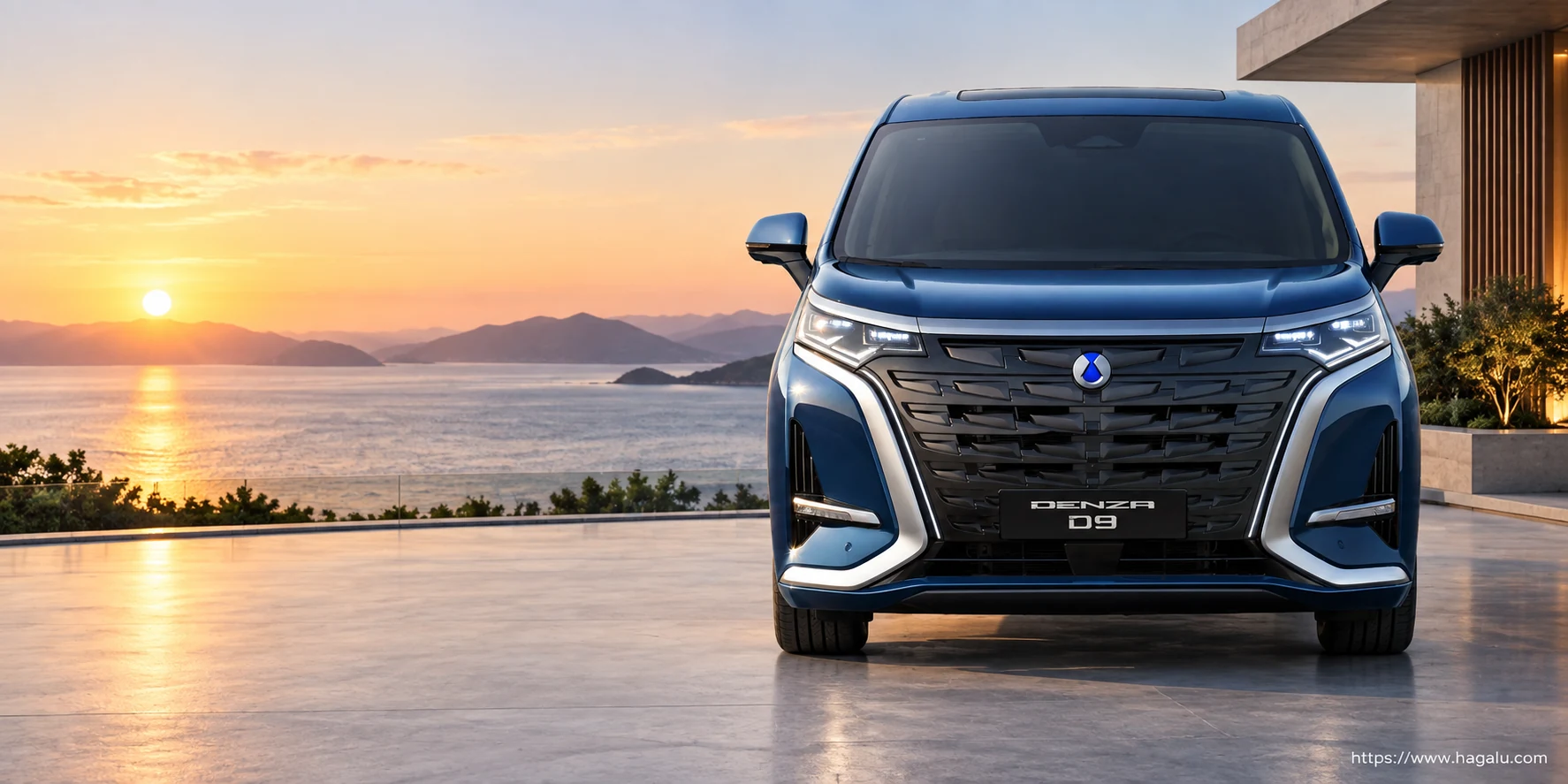
A D9 launch would be judged by everyday passenger experience and after-sales dependability. The global comfort equipment is attractive, yet local buyers also need dependable doors, climate control, battery support, software and parts. A premium badge cannot answer those questions. For now, the D9 remains a possible future product rather than a local alternative. Its place in the watchlist is justified by a distinct MPV role, not by a confirmed South African programme. A professional passenger operator should be even more exacting. Door cycles, rear climate performance, seat-belt access, luggage loading, charging turnaround and parts availability affect every booking. A family buyer should make the same checks on a smaller scale, including child-seat anchorage and the space left behind occupied seats. The global D9 cabin is a useful indication of intent, but the South African product would need to prove that comfort remains usable on local roads and that the business can support it after the first year. Until those facts appear, this preview should inform research rather than trigger a reservation. The same discipline applies to the D9’s electrified range. If South Africa receives a plug-in hybrid, the owner needs a home-charging plan and a clear understanding of how the vehicle behaves on long trips with a full passenger load. If the local offer is battery electric, route planning and charging availability become even more important. The model name alone cannot answer that distinction. A final local page must do so before the D9 can be treated as anything more than a carefully labelled possibility. A later review should therefore compare passenger comfort with door reliability, charging time, insurance and downtime rather than with styling alone. This is the point of keeping the page short on certainty: it gives a prospective owner a useful checklist without pretending that an overseas people mover is already supported locally. A future quotation should settle those questions.