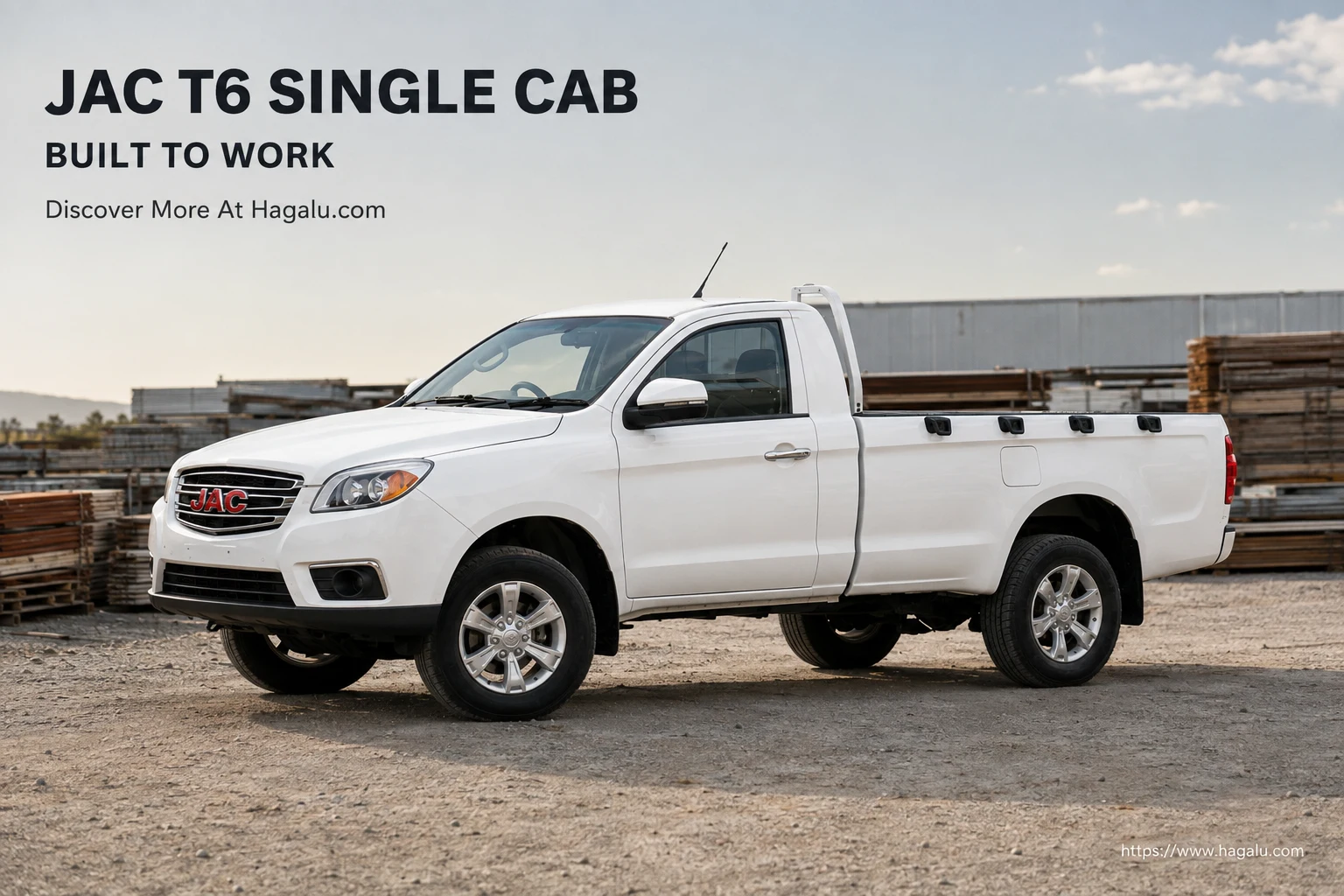
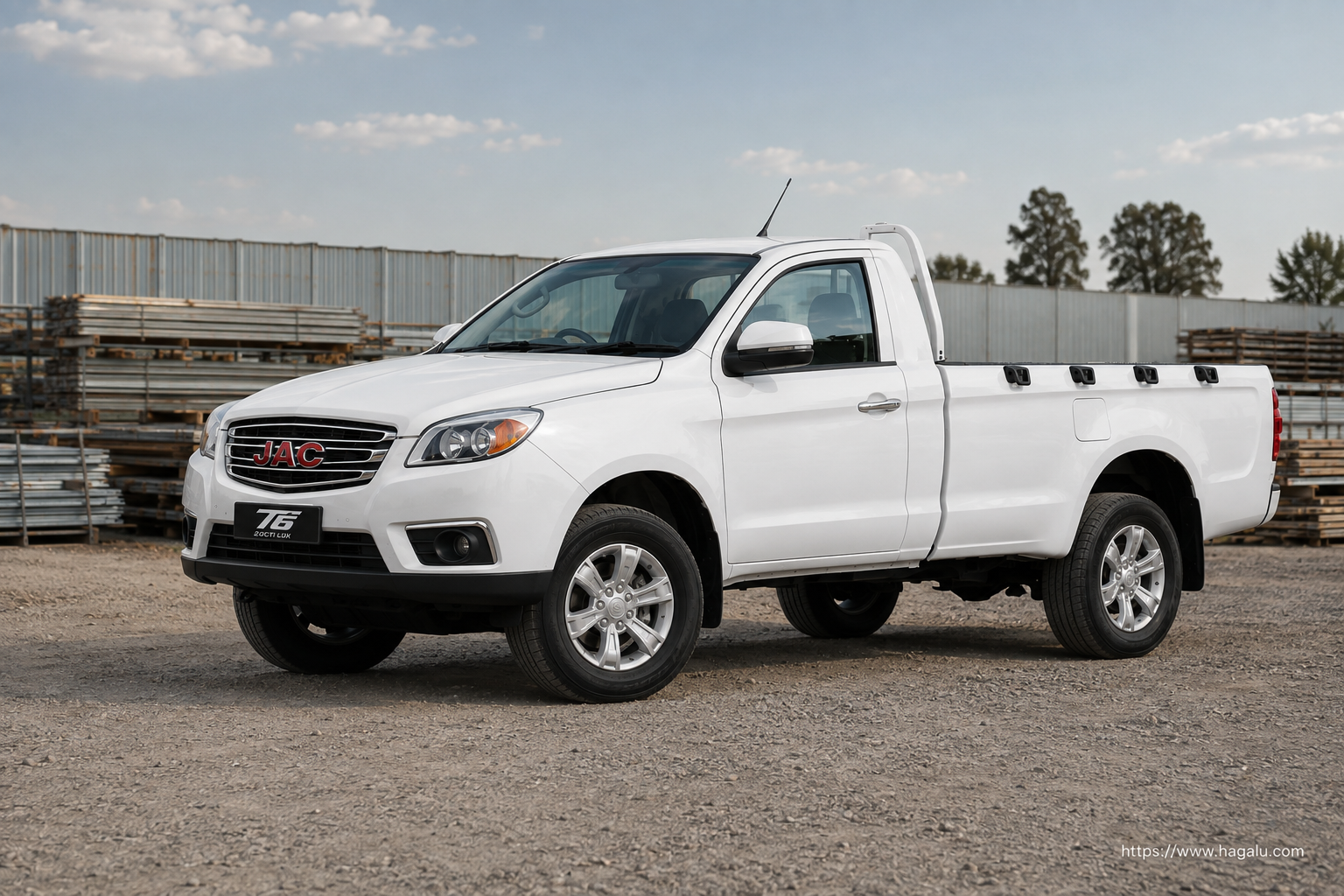
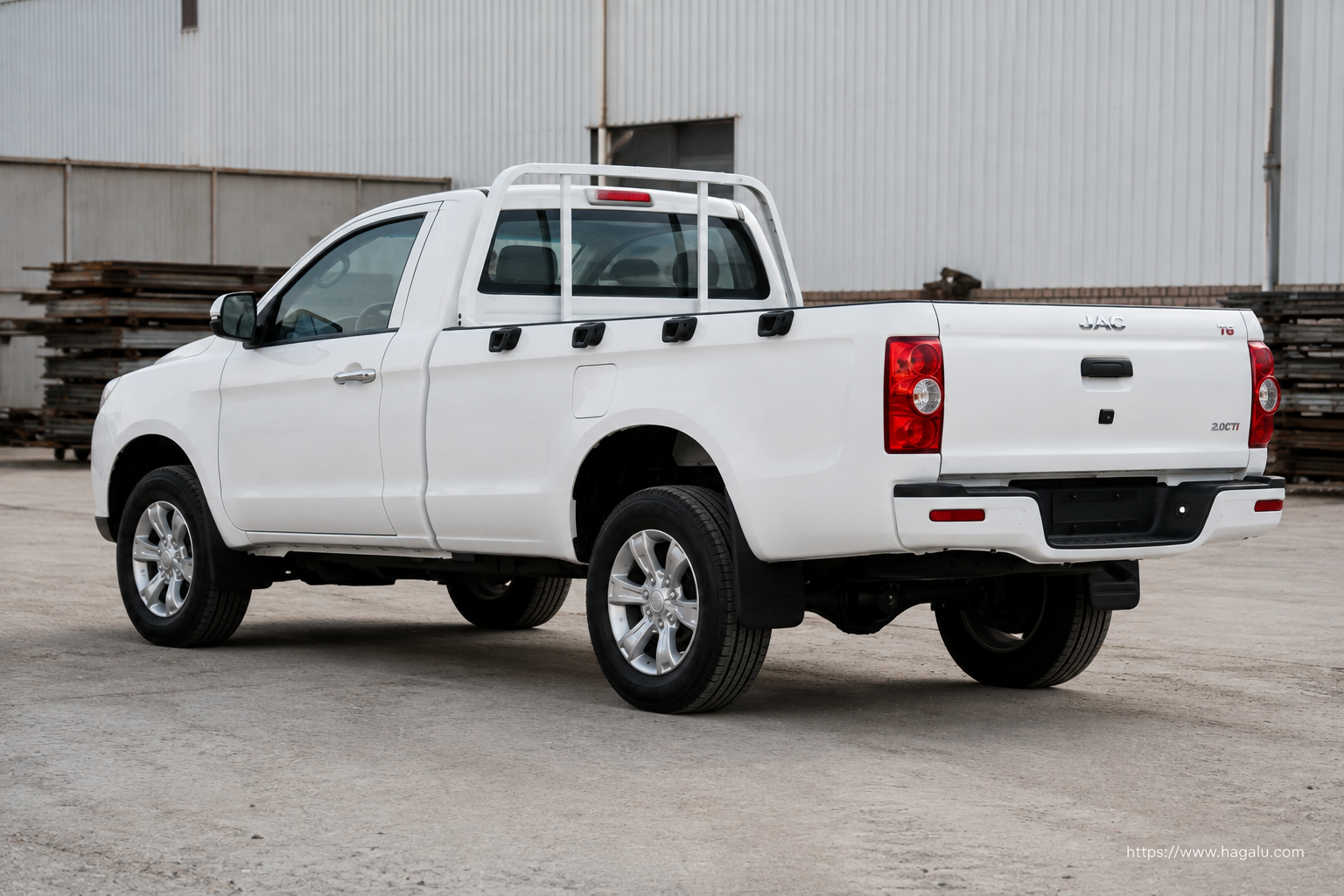
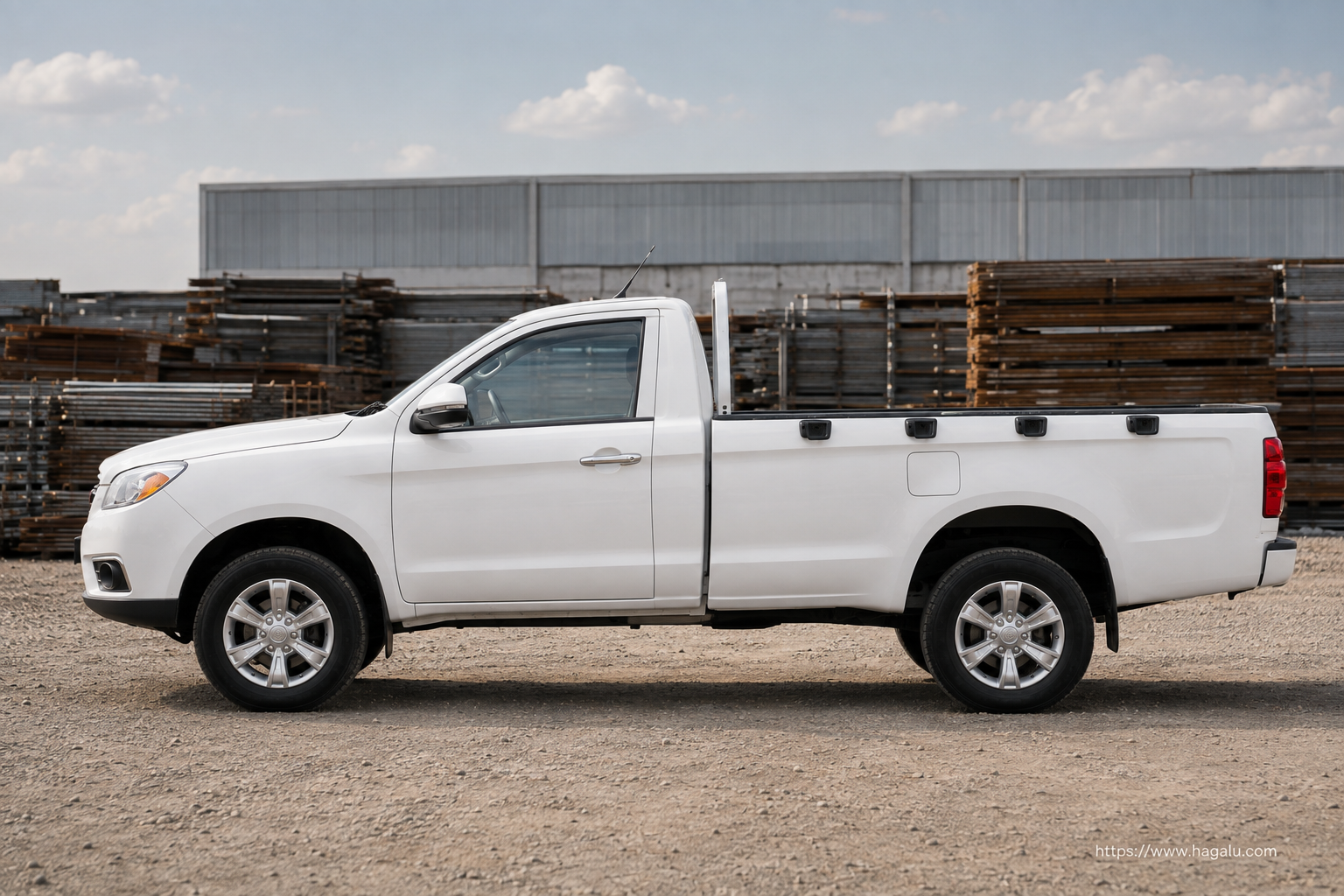
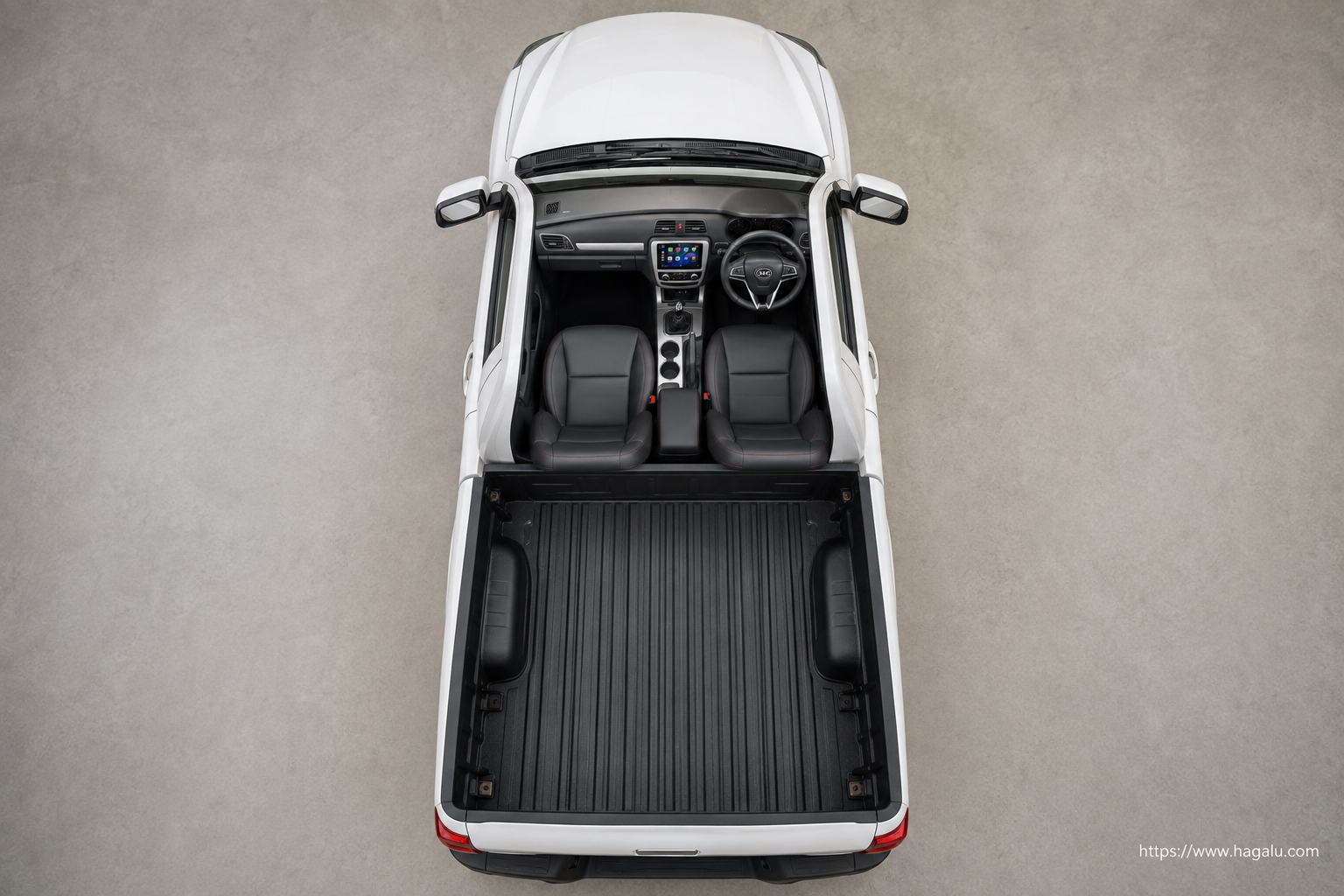
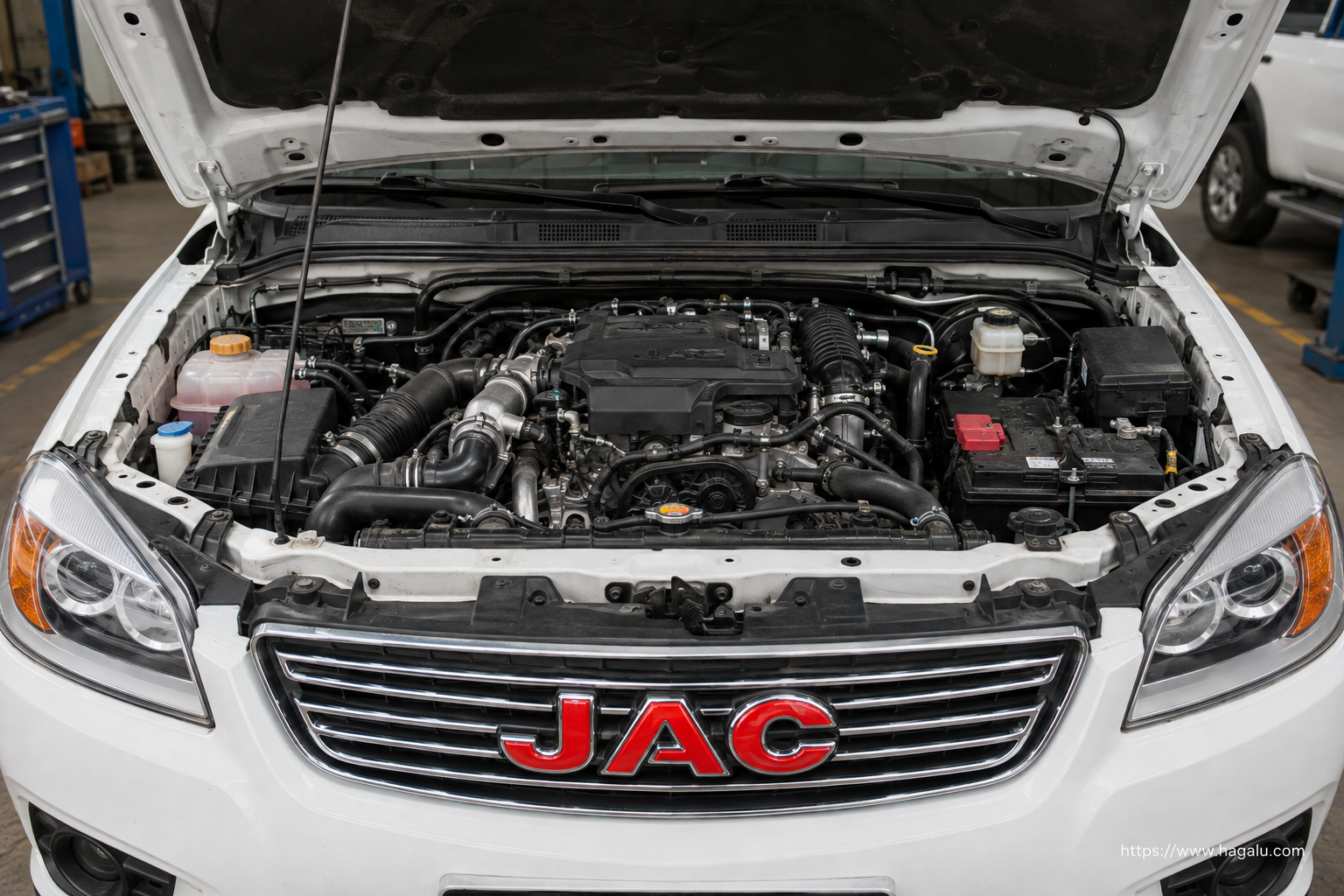
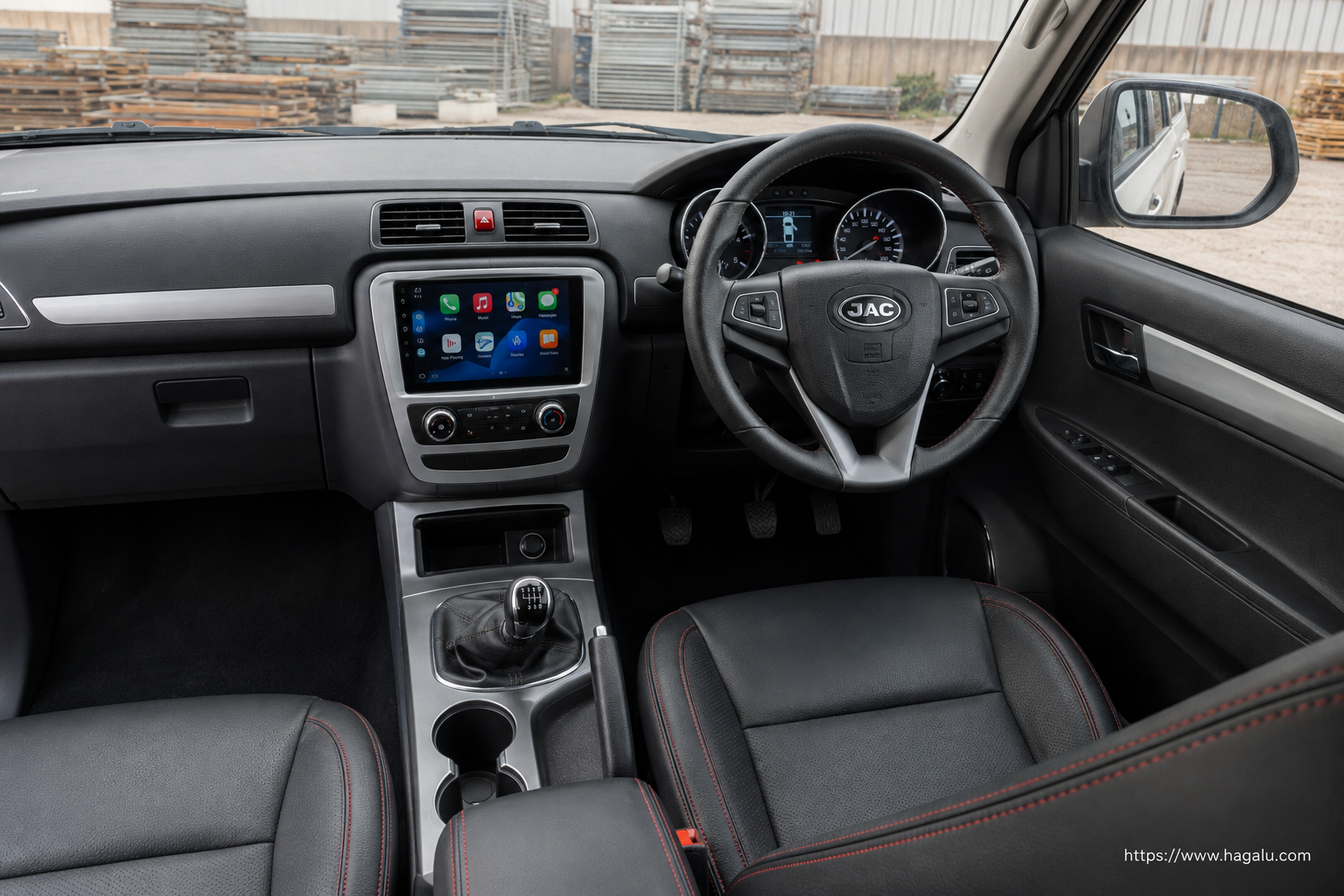
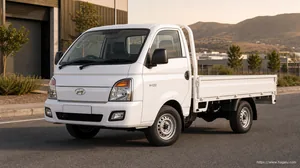
A proper head-to-head in South Africa — we cover price, performance,
petrol economy, safety and what it'll actually cost you to own each one long term.
JAC T6 Single Cab vs Foton Tunland G7 Single Cab: the short answer
The verified specification tables are ready to compare, but Hagalu has withheld a ranked verdict because the selected vehicles do not yet meet the minimum like-for-like source-coverage threshold.
T6 Single Cab starts ZAR 30,000 cheaperT6 Single Cab from ZAR 299,900 · Tunland G7 Single Cab from ZAR 329,900
Five key differences
Exact selected derivatives
Swipe sideways to compare every column
Specification
T6 Single Cab
Tunland G7 Single Cab
Maximum Power
T6 Single Cab102 kW @ 3600 rpm
Tunland G7 Single Cab120 kW
Maximum Torque
T6 Single Cab320 Nm @ 1600-2600 rpm
Tunland G7 Single Cab390 Nm
Engine Size
T6 Single Cab1999 cc
Tunland G7 Single Cab2000 cc
Combined Fuel Economy
T6 Single Cab16.39 km/l
Tunland G7 Single CabNot Officially Disclosed
Ground Clearance
T6 Single Cab197 mm
Tunland G7 Single Cab210 mm
Strongest published figure in that row; no road-test winner is implied.
Open a category, then swipe sideways to compare every column
Spec
T6 Single Cab
Tunland G7 Single Cab
Model Introduced Year
2026
2024
Generation
South African introduction of new T6 Single Cab derivative in January 2026
Current 5,340 mm Tunland G7 single cab on a 3,110 mm wheelbase with rear leaf springs.
Facelift History
Introduced in South Africa in January 2026; no subsequent facelift announced
Current South African Tunland G7 Single Cab range, with no separate facelift identified.
Facelift Launched Since
Not Applicable
Not Applicable
Facelift Version Ending
Not Applicable
Not Applicable
Body Style
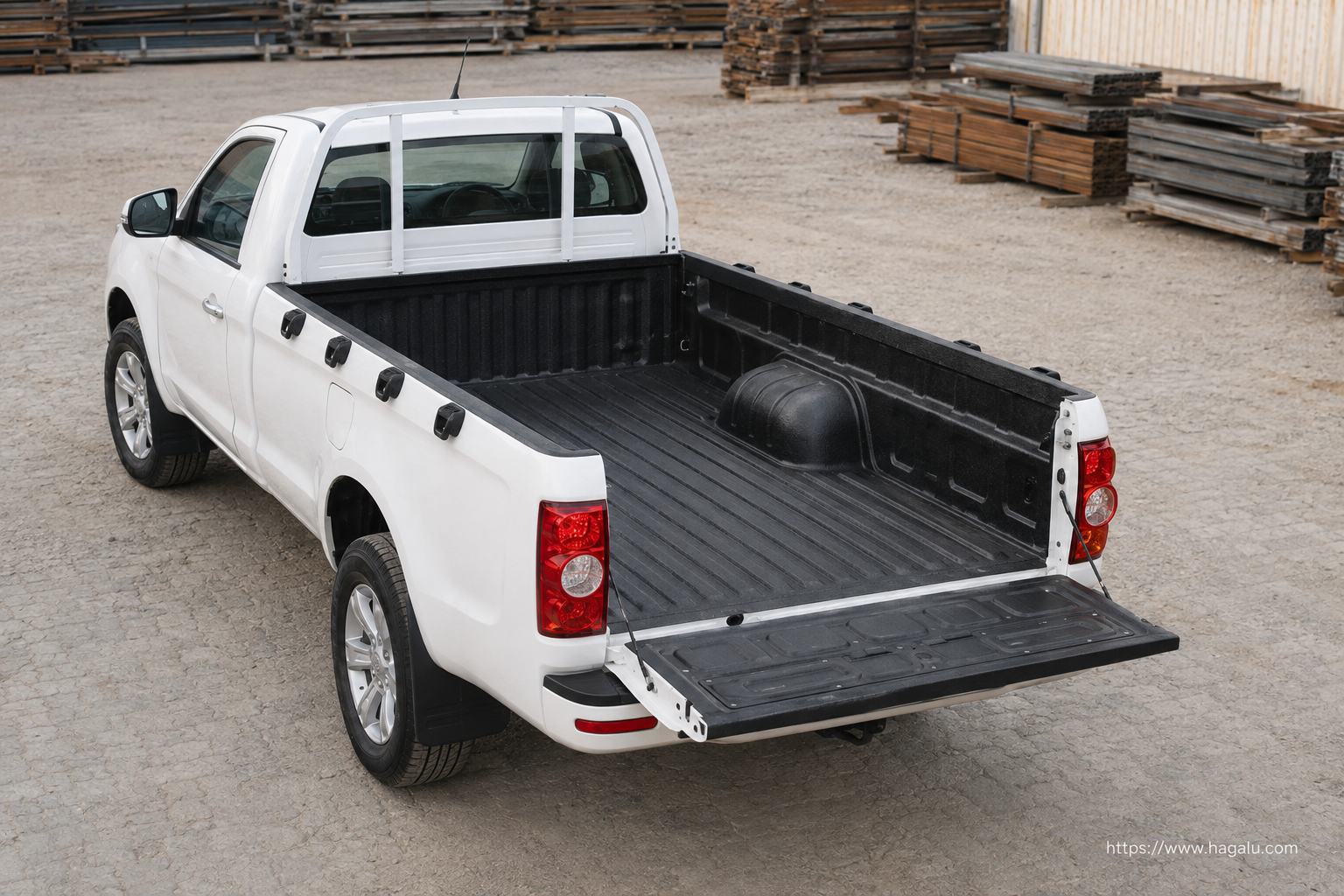
Single-cab pickup
Single-cab pickup
Model Year
2026
2026
Production Status
active
active
Segment
One-tonne single-cab bakkie
One-tonne single-cab bakkie
Vehicle Type
Light commercial vehicle
Light commercial vehicle
Spec
T6 Single Cab
Tunland G7 Single Cab
Length
5315 mm
5340 mm
Width
1830 mm
1940 mm
Height
1815 mm
1870 mm
Wheelbase
3090 mm
3110 mm
Ground Clearance (Default)
197 mm
210 mm
Ground Clearance (With Full Seating Load)
Not Officially Disclosed
Not Officially Disclosed
Fuel Tank Capacity
76 l
76 l
Boot/Cargo Space
Not Officially Disclosed
Not Officially Disclosed
Kerb Weight
1740 kg
1800 kg
Gross Vehicle Weight (GVW)
2740 kg
2980 kg
Payload Capacity
1000 kg
Not Officially Disclosed
Towing Capacity
1400 kg
3000 kg
Seating Capacity
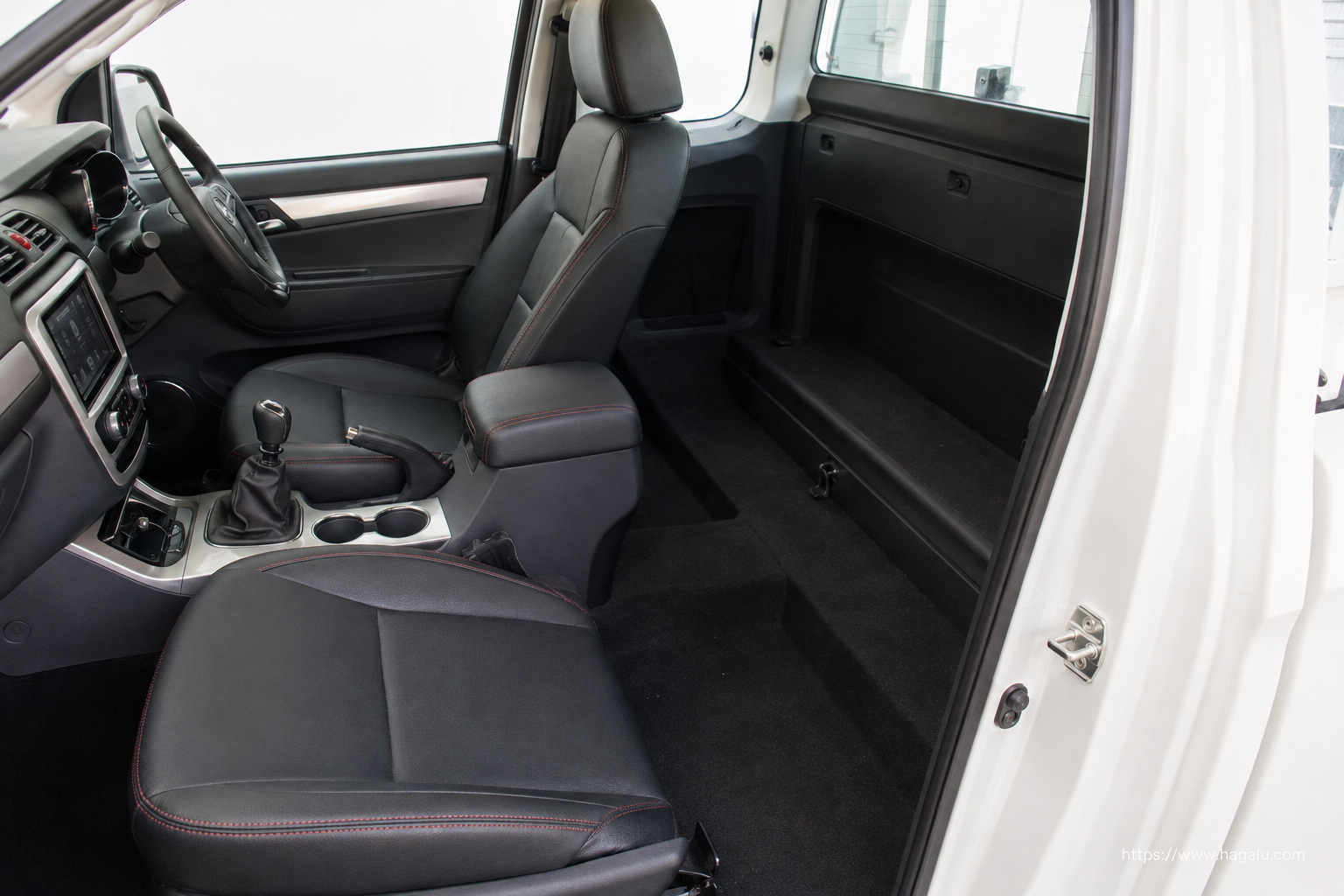
2 seats
2 seats
Number of Rows
1 rows
1 rows
Doors
2 doors
2 doors
Minimum Turning Radius
6.2 m
Not Officially Disclosed
Front Headroom
Not Officially Disclosed
Not Officially Disclosed
Rear Headroom
Not Applicable
Not Officially Disclosed
Front Legroom
Not Officially Disclosed
Not Officially Disclosed
Rear Legroom
Not Applicable
Not Officially Disclosed
Spec
T6 Single Cab
Tunland G7 Single Cab
Engine
2.0-litre Turbocharged Diesel
2.0-litre Turbocharged Diesel
Engine Code
Not Officially Disclosed
Not Officially Disclosed
Fuel Type
Diesel
Diesel
Hybrid System
Not Applicable
Not Applicable
Engine Displacement
1999 cc
2000 cc
Cylinders
4
Not Officially Disclosed
Cylinder Layout
Not Officially Disclosed
Not Officially Disclosed
Valves
Not Officially Disclosed
Not Officially Disclosed
Valves per Cylinder
Not Officially Disclosed
Not Officially Disclosed
Aspiration
Turbocharged
Turbocharged
Fuel System
Common-rail direct injection
Not Officially Disclosed
Compression Ratio
16.5:1
Not Officially Disclosed
Bore
Not Officially Disclosed
Not Officially Disclosed
Stroke
Not Officially Disclosed
Not Officially Disclosed
Maximum Power
102 kW @ 3600 rpm
120 kW
Maximum Torque
320 Nm @ 1600-2600 rpm
390 Nm
Combined Power
Not Applicable
Not Applicable
Combined Torque
Not Applicable
Not Applicable
Motor Type
Not Applicable
Not Applicable
Number of Motors
Not Applicable
Not Applicable
Motor Location
Not Applicable
Not Applicable
Drive Type
RWD
RWD
Transmission
6-Speed Manual
6-Speed Manual
Top Speed
Not Officially Disclosed
Not Officially Disclosed
0-100 km/h
Not Officially Disclosed
Not Officially Disclosed
Quarter Mile
Not Officially Disclosed
Not Officially Disclosed
Drive Modes
Not Officially Disclosed
Not Officially Disclosed
Launch Control
Not Officially Disclosed
Not Officially Disclosed
Rev Limiter
Not Officially Disclosed
Not Officially Disclosed
Power-to-Weight Ratio
Not Officially Disclosed
Not Officially Disclosed
Torque-to-Weight Ratio
Not Officially Disclosed
Not Officially Disclosed
Battery Capacity
Not Applicable
Not Applicable
Usable Battery Capacity
Not Applicable
Not Applicable
Battery Type
Not Applicable
Not Applicable
Battery Voltage
Not Applicable
Not Applicable
Electric Range
Not Applicable
Not Applicable
AC Charging Power
Not Applicable
Not Applicable
DC Charging Power
Not Applicable
Not Applicable
AC Charging Time
Not Applicable
Not Applicable
DC Charging Time
Not Applicable
Not Applicable
Regenerative Braking
Not Applicable
Not Applicable
Spec
T6 Single Cab
Tunland G7 Single Cab
Gearbox
6-Speed Manual
6-Speed Manual
Drivetrain Layout
Rear-wheel drive (4x2)
Front-engine, rear-wheel drive
LSD Available
Not Officially Disclosed
Not Officially Disclosed
Transfer Case
Not Applicable
Not Officially Disclosed
Differential Lock
Not Officially Disclosed
Not Officially Disclosed
Paddle Shifters
Not Applicable
Not Officially Disclosed
Final Drive Ratio
Not Officially Disclosed
Not Officially Disclosed
Number of Gears
6
6
Transmission Type
Manual
Manual
Clutch Type
Not Officially Disclosed
Not Officially Disclosed
Gear Shift Indicator
Not Officially Disclosed
Not Officially Disclosed
Gear Shift Type
Manual
Manual
Drivetrain
Rear-wheel drive
RWD
4WD Engagement
Not Applicable
Not Officially Disclosed
4WD Hi Range
Not Applicable
Not Officially Disclosed
4WD Lo Range
Not Applicable
Not Officially Disclosed
4WD Selector
Not Applicable
Not Officially Disclosed
Automatic Shift Paddles
Not Applicable
Not Officially Disclosed
Front Differential Lock
Not Applicable
Not Officially Disclosed
Gearbox Type
Manual
Manual
Low Range Ratio
Not Applicable
Not Officially Disclosed
Low Range
Not Applicable
Not Officially Disclosed
Axle Layout
4x2
4x2
Rear Differential Lock
Not Officially Disclosed
Not Officially Disclosed
Transmission Speeds
6
6
Spec
T6 Single Cab
Tunland G7 Single Cab
Claimed Mileage
16.39 km/l
Not Officially Disclosed
City Mileage
11.5 km/l
Not Officially Disclosed
Highway Mileage
15.0 km/l
Not Officially Disclosed
Fuel Tank Capacity
76 l
76 l
Emission Standard
Euro 2
Euro 4
AdBlue Tank Capacity
Not Officially Disclosed
Not Officially Disclosed
Auto Start Stop
Not Officially Disclosed
Not Officially Disclosed
Real-world Mileage
16.39 km/l
Not Officially Disclosed
Charging Port Type
Not Applicable
Not Officially Disclosed
Charging Type
Not Applicable
Not Officially Disclosed
Fuel Tank Litres
76
76
Combined Driving Range
Over 1100 km
Not Officially Disclosed
Electric Consumption
Not Applicable
Not Officially Disclosed
Range Real World Highway
Not Applicable
Not Officially Disclosed
Range Real World Mixed
Not Applicable
Not Officially Disclosed
Spec
T6 Single Cab
Tunland G7 Single Cab
Airbags
2
2
ABS
Yes
Yes
Electronic Stability Control
Not Officially Disclosed
Not Officially Disclosed
Traction Control
Not Officially Disclosed
Not Officially Disclosed
Hill Descent Control
Not Officially Disclosed
Not Officially Disclosed
Hill Start Assist
Not Officially Disclosed
Not Officially Disclosed
Child Safety Lock
Not Officially Disclosed
Not Officially Disclosed
ISOFIX Mounts
Not Officially Disclosed
Not Officially Disclosed
Brake Assist
Not Officially Disclosed
Yes
Tyre Pressure Monitor
Not Officially Disclosed
Not Officially Disclosed
Engine Immobiliser
Yes
Yes
Seatbelt Warning All Seats
Driver
Not Officially Disclosed
Front Parking Sensors
Not Officially Disclosed
Not Officially Disclosed
AEB
Not Officially Disclosed
Not Officially Disclosed
BA
Not Officially Disclosed
Yes
Brake Override System
Not Officially Disclosed
Not Officially Disclosed
Curtain Airbags
Not Officially Disclosed
Not Officially Disclosed
Driver Airbag
Yes
Yes
EBD
Yes
Yes
Engine Immobiliser
Yes
Yes
Hill Hold
Not Officially Disclosed
Not Officially Disclosed
Passenger Airbag
Yes
Yes
Rear Cross Traffic Alert
Not Officially Disclosed
Not Officially Disclosed
Seatbelt Pretensioners
Driver and passenger
Not Officially Disclosed
Seatbelt Reminder
Driver
Not Officially Disclosed
Side Airbags
Not Officially Disclosed
Not Officially Disclosed
Stability Control
Not Officially Disclosed
Not Officially Disclosed
TCS
Not Officially Disclosed
Not Officially Disclosed
Knee Airbag
Not Officially Disclosed
Not Officially Disclosed
ABS EBD
Yes
Yes
Spec
T6 Single Cab
Tunland G7 Single Cab
Cruise Control
Not Officially Disclosed
Cruise Control
Adaptive Cruise Control
Not Officially Disclosed
Not Officially Disclosed
Lane Keep Assist
Not Officially Disclosed
Not Officially Disclosed
Lane Departure Warning
Not Officially Disclosed
Not Officially Disclosed
Blind Spot Monitoring
Not Officially Disclosed
Not Officially Disclosed
Rear Cross Traffic Alert
Not Officially Disclosed
Not Officially Disclosed
Parking Sensors
Rear
Rear
Rear View Camera
Yes
Not Officially Disclosed
360 Degree Camera
Not Officially Disclosed
Not Officially Disclosed
Autonomous Emergency Braking
Not Officially Disclosed
Not Officially Disclosed
Driver Fatigue Alert
Not Officially Disclosed
Yes
Traffic Sign Recognition
Not Officially Disclosed
Not Officially Disclosed
Auto Highbeam
Not Officially Disclosed
Not Officially Disclosed
Auto Wipers
Not Officially Disclosed
Not Officially Disclosed
Rear Parking Sensors
Yes
Yes
Reverse Camera
Yes
Not Officially Disclosed
Adaptive Cruise Control
Not Officially Disclosed
Not Officially Disclosed
Park Assist
Not Officially Disclosed
Not Officially Disclosed
Around View Monitor
Not Officially Disclosed
Not Officially Disclosed
Blind Spot Warning
Not Officially Disclosed
Not Officially Disclosed
Forward Collision Warning
Not Officially Disclosed
Not Officially Disclosed
Spec
T6 Single Cab
Tunland G7 Single Cab
Seat Material
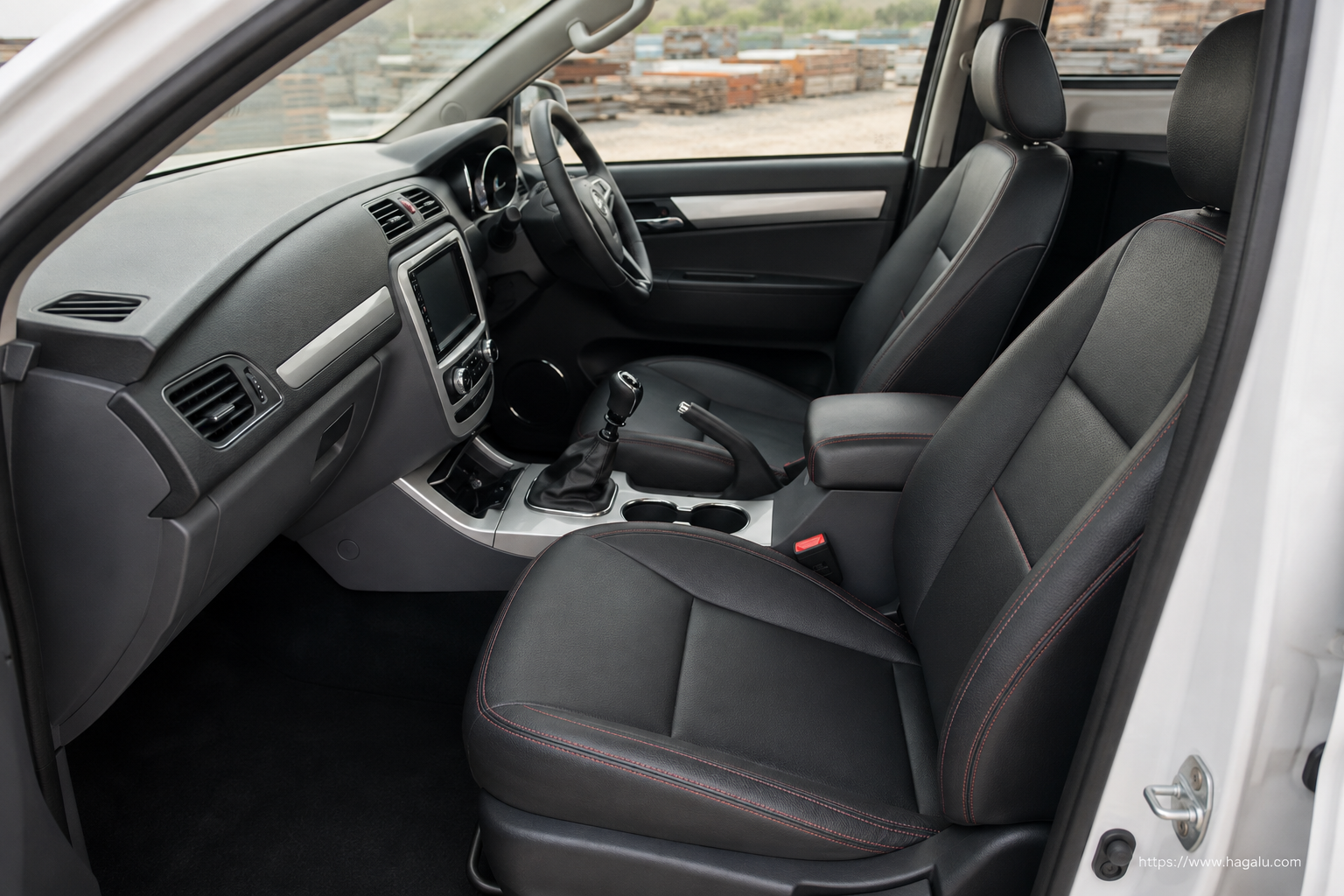
Leatherette
Fabric
Heated Seats
Not Officially Disclosed
Not Officially Disclosed
Ventilated Seats
Not Officially Disclosed
Not Officially Disclosed
Ambient Lighting
Not Officially Disclosed
Not Officially Disclosed
Steering Wheel Material
Leather-trimmed
Not Officially Disclosed
60 40 Split Seat
Not Applicable
Not Officially Disclosed
Driver Seat Adjustment
Not Officially Disclosed
6-way electric
Passenger Seat Adjustment
Not Officially Disclosed
4-way manual
Seat Trim
Leatherette
Fabric
Spec
T6 Single Cab
Tunland G7 Single Cab
Climate Control
Not Officially Disclosed
Automatic climate control
Power Windows
Yes
Front
Keyless Entry
Yes
Not Officially Disclosed
Push Button Start
Not Officially Disclosed
Yes
Wireless Charging
Not Officially Disclosed
Not Officially Disclosed
Sunroof
Not Officially Disclosed
Not Officially Disclosed
Electric Tailgate
Not Officially Disclosed
Not Officially Disclosed
Rain Sensing Wipers
Not Officially Disclosed
Not Officially Disclosed
AC Type
Not Officially Disclosed
Automatic climate control
Spec
T6 Single Cab
Tunland G7 Single Cab
Infotainment System
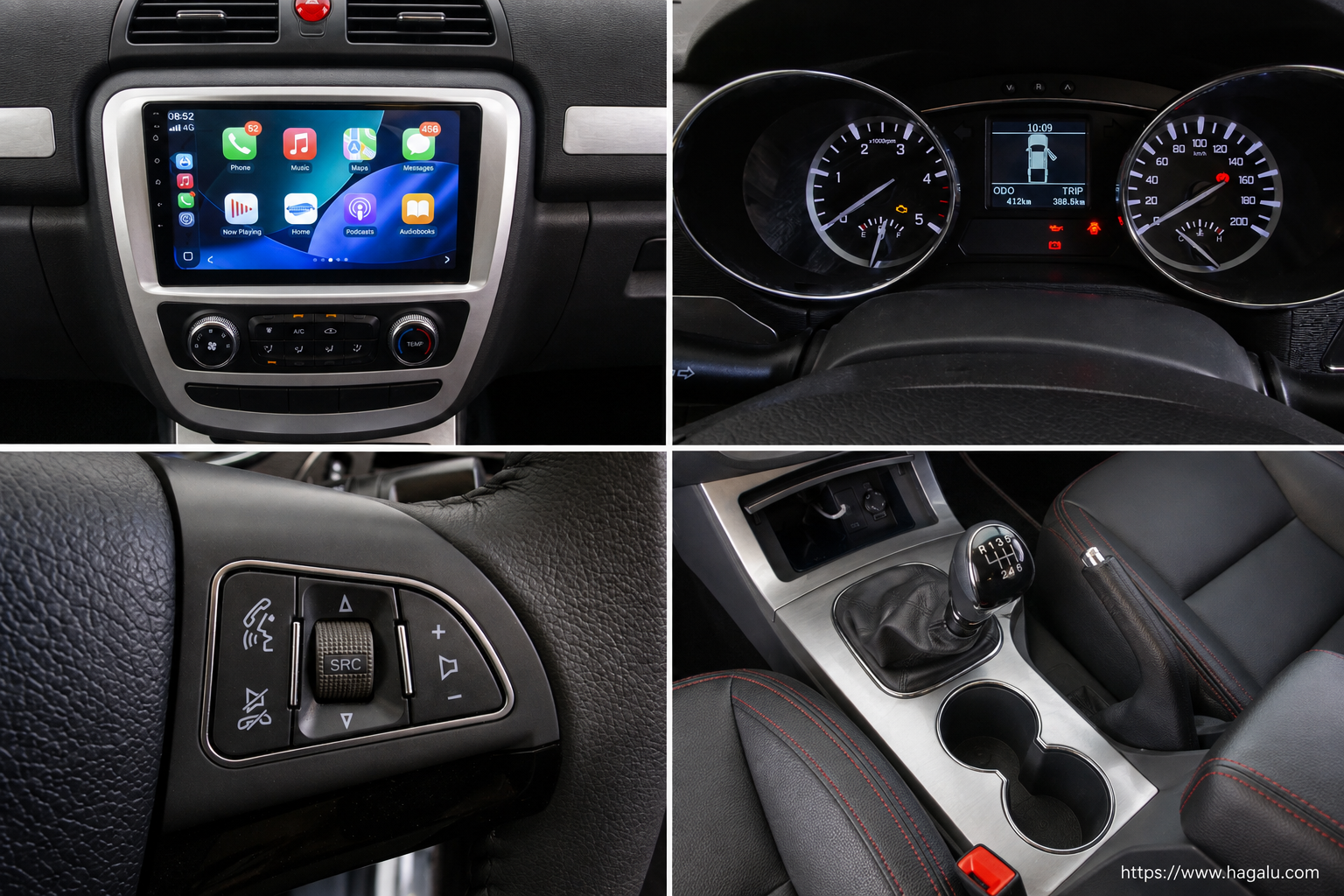
9-inch touchscreen entertainment system
12.3-inch infotainment screen
Apple CarPlay
Yes
Not Officially Disclosed
Android Auto
Yes
Not Officially Disclosed
Bluetooth Connectivity
Yes
Yes
Number of Speakers
2
2
Digital Instrument Cluster
Not Officially Disclosed
Not Officially Disclosed
USB Ports
1
Not Officially Disclosed
Infotainment Screen
9-inch
12.3-inch
Touchscreen
9-inch
12.3-inch
Spec
T6 Single Cab
Tunland G7 Single Cab
LED Headlamps
No
Not Officially Disclosed
Daytime Running Lamps
Not Officially Disclosed
Not Officially Disclosed
Fog Lamps
Rear fog lamps
Yes
Roof Rails
Not Officially Disclosed
Not Officially Disclosed
Exterior Colour Options
Not Officially Disclosed
Not Officially Disclosed
Headlights
No
Not Officially Disclosed
Panoramic Sunroof
Not Officially Disclosed
Not Officially Disclosed
Spec
T6 Single Cab
Tunland G7 Single Cab
Approach Angle
29.6 deg
Not Officially Disclosed
Departure Angle
22.4 deg
Not Officially Disclosed
Wading Depth
Not Officially Disclosed
Not Officially Disclosed
Terrain Modes
Not Officially Disclosed
Not Officially Disclosed
Locking Differential
Not Officially Disclosed
Not Officially Disclosed
4WD System Type
Not Applicable
Not Applicable
Breakover Angle
Not Officially Disclosed
Not Officially Disclosed
Spec
T6 Single Cab
Tunland G7 Single Cab
Tyre Size
245/65 R17
245/70 R16
Front Brake Type
Disc
Not Officially Disclosed
Rear Brake Type
Drum
Not Officially Disclosed
Spare Wheel Type
Steel
Full-size steel wheel
Wheel Rim Size
17
16-inch steel wheels
Handbrake Type
Not Officially Disclosed
Not Officially Disclosed
Spec
T6 Single Cab
Tunland G7 Single Cab
Front Suspension
Independent double wishbone with coil springs
Double-wishbone
Rear Suspension
Leaf springs
Leaf spring
Spec
T6 Single Cab
Tunland G7 Single Cab
CO2 Emissions
Not Officially Disclosed
Not Officially Disclosed
Spec
T6 Single Cab
Tunland G7 Single Cab
Service Plan
Not Officially Disclosed
Service plans available; 15,000 km intervals
Spec
T6 Single Cab
Tunland G7 Single Cab
Ownership Role
Current South African light-commercial single-cab derivative
Current South African derivative
Price Zar
314900 ZAR
329900 ZAR
Pricing Role
Current official suggested retail price, VAT included
Current South African retail price
Starting Price
314900
329900
Starting Price Zar
314900
329900
Spec
T6 Single Cab
Tunland G7 Single Cab
Warranty
5 years / 100000 km
3 years / 100,000 km; roadside assistance 3 years
In depth: how these cars differ
This T6 Single Cab and Tunland G7 Single Cab comparison keeps the exact South African derivatives, lifecycle states, available prices and verified specifications side by side.
Hagalu has withheld an overall score because at least one selected vehicle does not yet have four comparable categories and 50% weighted source coverage. Missing catalogue evidence is not replaced with a neutral score or a guessed value.
Use the key-spec and full-spec tables to compare the fields that are confirmed. For a purchase decision, verify current availability, exact derivative equipment, finance, insurance and ownership cover with the relevant manufacturer or authorised retailer.
Specification Index Withheld
Hagalu does not turn missing specifications into neutral scores or guessed values.
Fail closed
Score withheld: fewer than four comparable categories or less than 50% weighted source coverage for at least one vehicle.
Use the verified key-spec and full-spec tables on this page. A ranked index will appear only after every selected vehicle has source-backed data in at least four categories and reaches 50% weighted coverage.
What the evidence means
No overall winner is declared because the selected vehicles do not yet meet Hagalu's minimum like-for-like source-coverage threshold. Compare the confirmed rows and verify the exact derivative before buying.
Related comparisons
Continue with closely related South African models and comparable body styles.
There is no universal winner. Use the comparison table to match the exact South African derivatives on price, safety equipment, space, powertrain and ownership cover. The category indicators summarise published catalogue data; they are not a road test or customer rating.
Compare the published consumption or mileage rows for the exact derivatives using the same unit and test basis. A catalogue figure is useful for like-for-like comparison, but traffic, speed, load, weather and driving style can change actual fuel use.
Compare only equipment explicitly listed for each derivative, including airbags, stability control and driver-assistance systems. Confirm the exact trim with the manufacturer, and treat any independent crash-test result separately because equipment and ratings can differ by market.
A reliable five-year total cannot be calculated from catalogue data alone. Add the exact purchase and finance cost, fuel or electricity, insurance quotes, scheduled servicing, tyres and expected resale value. Check whether the selected derivative includes a service or maintenance plan.
Use the seating, boot or load-space, ISOFIX and safety rows as a first check. Then test the exact cars with your child seats, passengers and typical luggage, because published dimensions do not show every access or comfort difference.
Compare the published power, torque and 0–100 km/h rows when they are available for both exact derivatives. Vehicle weight, gearing and power delivery also matter, so catalogue outputs alone do not establish real-world overtaking or response.
Compare
Get Best Price
We'll Contact You
Fill in your details and a dedicated executive will reach out shortly.
✓
We've Got Your Details!
An executive will contact you shortly. Thank you for your interest.