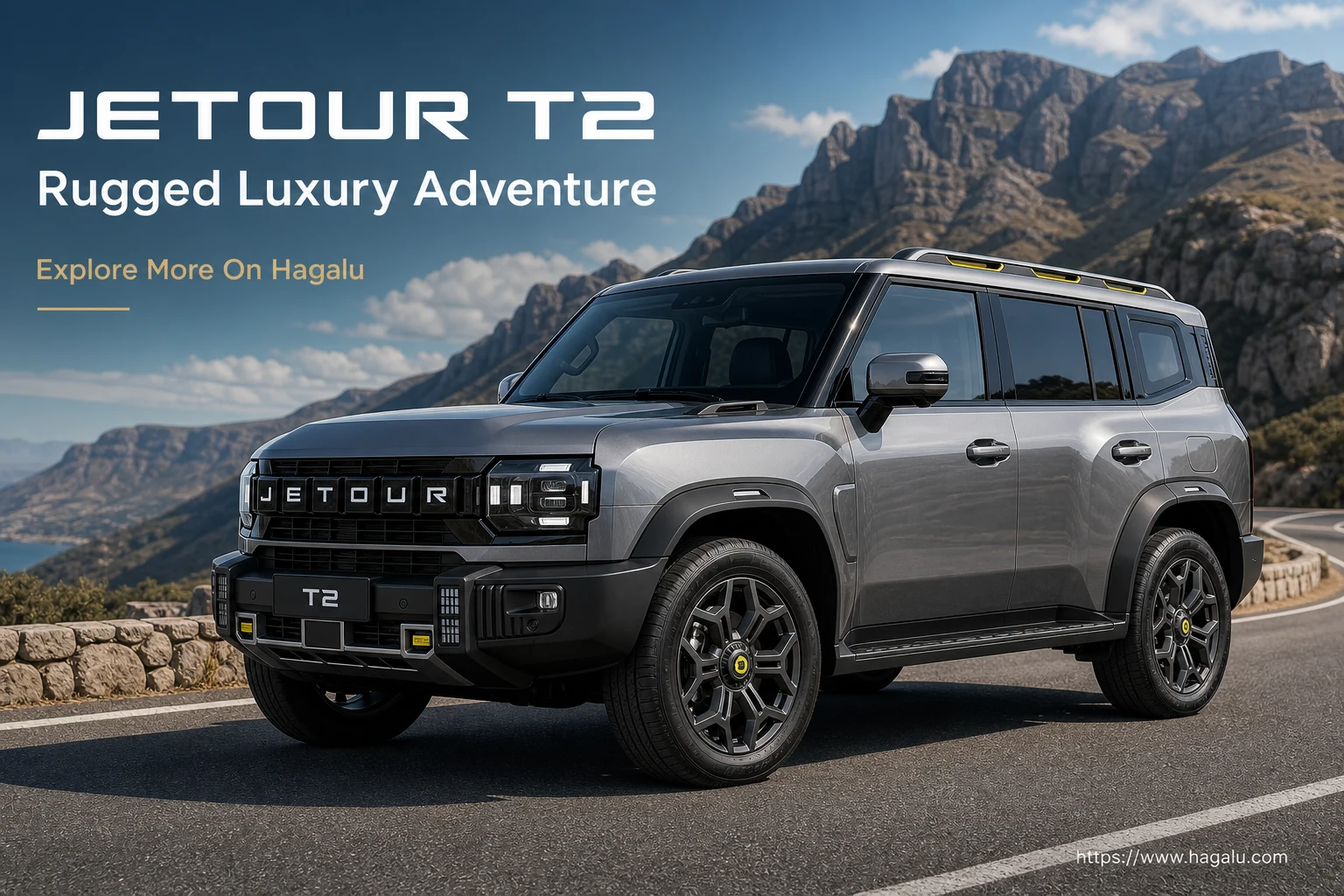
A proper head-to-head in South Africa — we cover price, performance,
petrol economy, safety and what it'll actually cost you to own each one long term.
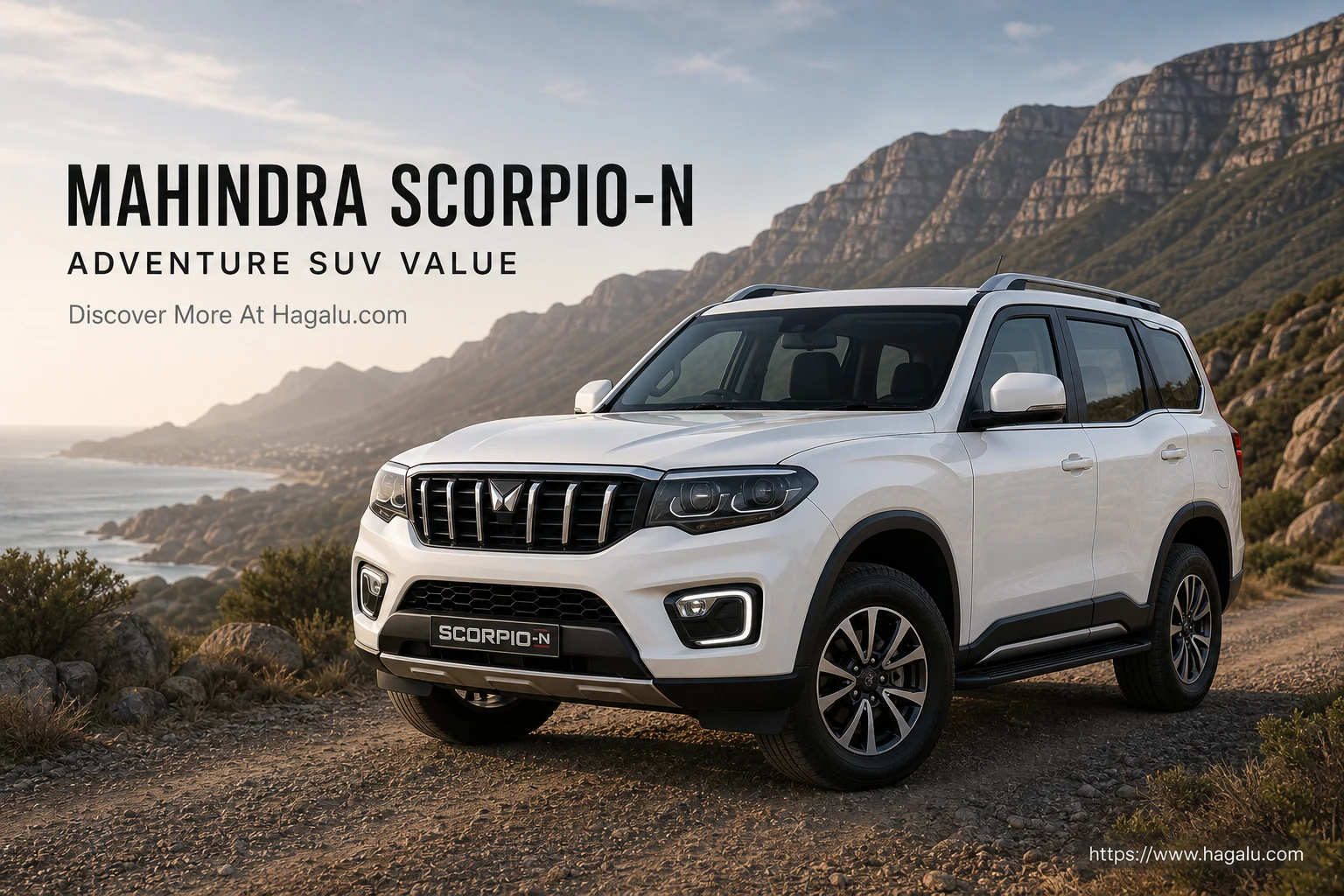
Scorpio-N starts ZAR 714000 cheaperLand Cruiser FJ from ZAR 714,000 · Scorpio-N from ZAR 489,999
Key Specs Side by Side
The specs that matter most — highlighted where one car leads.
Spec
Land Cruiser FJ
Scorpio-N
Engine Power
-
-
Torque
-
-
Engine Size
-
-
Claimed Mileage
-
-
Ground Clearance
-
-
Boot Space
-
-
Airbags
-
-
Kerb Weight
-
-
Seating Capacity
-
-
Warranty
-
-
= leads in this spec
The Bottom Line
Both Land Cruiser FJ and Scorpio-N are extremely closely matched, making the final choice dependent on buyer preference.
Where They Actually Differ
Performance
Equal
Efficiency
Equal
Safety
Equal
Practicality
Equal
Ownership
Equal
What Each Car Gets Right (and Wrong)
🏆 Overall Winner
Land Cruiser FJ
Strengths
Nothing stands out clearly here.
Weak Spots
No obvious weak spots to flag.
Best suited to:General Use
Scorpio-N
Strengths
Nothing stands out clearly here.
Weak Spots
No obvious weak spots to flag.
Best suited to:General Use
Which One's Right for You?
Land Cruiser FJ
Buyers looking for a balanced all-round vehicle
Scorpio-N
Buyers looking for a balanced all-round vehicle
Full Specs, Side by Side
This archive comparison is based on verified historical data. Hagalu keeps the available specs visible and avoids filling old gaps with guessed values.
Overall Verdict Score
Decision-grade view of the winner, score gap and category strengths.
Weighted / 100
Verdict readout
Land Cruiser FJ leads by 0 points
Both Land Cruiser FJ and Scorpio-N are extremely closely matched, making the final choice dependent on buyer preference.
Very close match. Final decision depends on buyer preference.
Why this scoreView full breakdown
Overall Winner
Land Cruiser FJ
Performance
50/100
Efficiency
50/100
Safety
0/100
Practicality
50/100
Ownership
50/100
Scorpio-N
Performance
50/100
Efficiency
50/100
Safety
0/100
Practicality
50/100
Ownership
50/100
So, Which One Should You Buy?
🏆Toyota Land Cruiser FJ
wins with 39 pts
vs 39 pts for Scorpio-N
In structured scoring, Land Cruiser FJ emerges as the stronger overall package. However, Scorpio-N may appeal to buyers prioritising different factors. Ultimately, the right choice depends on your driving priorities in South Africa.
Other Comparisons Worth Checking
See how similar cars go head-to-head — you might find a better fit than you expected.
On our scoring the Land Cruiser FJ edges ahead overall. That said, the right choice depends on what you actually use the car for — the breakdown above shows exactly where each one wins and loses.
Efficiency scores: Land Cruiser FJ 50 vs Scorpio-N 50. In the real world, diesel variants of either car will beat the claimed figure on long highways and fall short in Joburg traffic.
Safety scores: Land Cruiser FJ 0, Scorpio-N 0. Check each model page for NCAP ratings and which trim levels include AEB and blind-spot monitoring — those features aren't always standard.
Long-term ownership scores: Land Cruiser FJ 50, Scorpio-N 50. Service intervals, parts availability in SA, and whether a service plan is bundled all factor in — check the individual variant specs for that detail.
Practicality scores: Land Cruiser FJ 50, Scorpio-N 50. This covers boot space, seat flexibility, and day-to-day usability — not just interior dimensions on paper.
Performance scores: Land Cruiser FJ 50, Scorpio-N 50. This looks at real-world pace — 0–100 kph, highway flexibility, and how either car feels when you actually need to overtake on an N-road.
Resale varies with colour, spec, and market timing, but Japanese brands — and Toyota specifically — have a strong track record in SA. Check current used prices for both on AutoTrader to see the real gap right now.
Ground clearance and 4WD availability are what matter most here. Scroll to the spec table above to compare both side by side — if either model offers a 4WD variant, that's the version worth comparing.
Fuel, insurance, and service costs are the big three. Diesel variants of both models typically save R800–R1,500/month in fuel at current SA pump prices. The Land Cruiser FJ edges the overall ownership score, but check whether either variant includes a service plan — that changes the monthly maths significantly.
The Land Cruiser FJ scores better overall, but neither car is a bad buy here. It comes down to what features matter to you — check the full spec table above to see exactly what you gain and lose at each price point.
In Depth — Breaking It All Down
The comparison between Land Cruiser FJ and Scorpio-N in South Africa
evaluates performance, efficiency, safety, practicality and long-term ownership value.
Performance: Land Cruiser FJ scores 50 vs 50.
Efficiency: Land Cruiser FJ scores 50 vs 50.
Safety: Land Cruiser FJ scores 0 vs 0.
Practicality: Land Cruiser FJ scores 50 vs 50.
Ownership: Land Cruiser FJ scores 50 vs 50.
Final structured scoring gives Land Cruiser FJ
the advantage in this comparison.
Compare
Get Best Price
We'll Contact You
Fill in your details and a dedicated executive will reach out shortly.
✓
We've Got Your Details!
An executive will contact you shortly. Thank you for your interest.