A proper head-to-head in South Africa — compare price, performance,
fuel economy or electric range, safety and the details that shape long-term ownership.
Best suited to:Published PerformancePublished Practicality
Jimny
Strengths
Better fuel efficiency
Stronger published ownership cover
Weak Spots
Less powerful engine setup
Fewer listed safety features
Lower published practicality figures
Best suited to:Published Efficiency
Which One's Right for You?
H7
Buyers prioritising the stronger published powertrain figures
Buyers prioritising the more complete listed safety equipment
Buyers prioritising the stronger published space and capacity figures
Jimny
Buyers prioritising the lower published fuel or energy use
Buyers prioritising the stronger published warranty or service cover
Full Specs, Side by Side
Open a category, then swipe sideways to compare every column
Spec
H7
Jimny
360 Degree Camera
Yes
Not Available
Active Engine Braking
No
-
Adaptive Cruise Control
Yes
Not Available
Adaptive Cruise Control
Yes
Not Available
Around View Monitor
Yes
Not Available
Attention Assist
Yes
-
Autonomous Emergency Braking
Yes
Not Available
Automatic High Beam
Yes
-
Auto Highbeam
Yes
Not Available
Auto Lights
Yes
Standard
Auto Park Assist
No
-
Auto Wipers
Yes
Standard
Blind Spot Monitoring
Yes
Not Available
Blind Spot Warning
Yes
Not Available
Cruise Control
Yes
Standard
Driver Fatigue Alert
Yes
Not Available
Eco Mode
Yes
-
Emergency Braking
Yes
Not Available
EV Mode
No
Not Available
Forward Collision Warning
Yes
Not Available
Front Camera
Yes
Not Available
Lane Departure Warning
Yes
Not Available
Lane Keep Assist
Yes
Not Available
Park Assist
Yes
Not Available
Parking Distance Sensors
Front and Rear
Rear Ultrasonic Sensors
Parking Sensor
Front and Rear
Rear Ultrasonic Sensors
Parking Sensors
Front and Rear
Rear Ultrasonic Sensors
Pre-Collision System
Yes
Not Available
Rain Sensor Wipers
Yes
Standard
Rear View Camera
Yes
Standard
Rear Cross Traffic Alert
Yes
Not Available
Rear Parking Sensors
Yes
Rear Ultrasonic Sensors
Rear View Camera
Yes
Standard
Reverse Camera
Yes
Standard
Reverse Camera Type
Yes
Standard
Reversing Camera
Yes
Standard
Sport Mode
Yes
-
Surround View Camera
Yes
Not Available
Traffic Sign Recognition
Yes
Not Available
Spec
H7
Jimny
4WD Engagement
Not Applicable
Not Applicable
4WD Hi Range
Not Applicable
Not Applicable
4WD Lo Range
Not Applicable
Not Applicable
4WD Selector
Not Applicable
Not Applicable
Automatic Shift Paddles
Yes
Not Applicable
Axle Layout
AWD
4WD — AllGrip PRO Part-Time
Clutch Type
Torque Converter
Single Dry Plate Diaphragm
Differential Lock
No
Not Applicable
Drive Mode Selector
Yes
-
Drivetrain
All Wheel Drive
4WD / AWD
Drivetrain Layout
Front Engine All Wheel Drive
Rear Wheel Drive (2WD) / 4WD with Low-Range
Engine Position
Front Transverse
Longitudinal Front-Mounted
Final Drive Ratio
3.42
4.090:1
Number of Gears
8
4
Gear Shift Indicator
Yes
Not Applicable
Gear Shift Type
Automatic
4-Speed Automatic Torque Converter
Gearbox
8-Speed Automatic
4-Speed Automatic Torque Converter
Gearbox Type
8-Speed Automatic
4-Speed Automatic Torque Converter
LSD Available
No
Not Applicable
Low Range
Not Applicable
Not Applicable
Paddle Shifters
Yes
Not Applicable
Reverse Gear Warning
Yes
-
Steering Turns Lock to Lock
14.7:1
3.8
Transfer Case
Not Applicable
Two-Speed Transfer Case (Hi / Lo Range)
Transmission Speeds
8
4
Transmission Type
Automatic
4-Speed Automatic
Rear Differential Lock
No
Not Applicable
Low Range Ratio
Not Applicable
Not Applicable
Front Differential Lock
Not Applicable
Not Applicable
Transfer Case Guard
-
Not Available
Spec
H7
Jimny
4WD System Type
Not Applicable
AllGrip PRO — Part-Time 4WD with Low-Range Gearbox
Approach Angle
20 deg
36 deg
Approach Angle Deg
20 deg
36 deg
Departure Angle
24 deg
50 deg
Departure Angle Deg
24 deg
50 deg
Energy Recovery Display
Not Available
Not Available
Ground Clearance Max
195 mm
210 mm
Ground Clearance Min
195 mm
210 mm
Hill Descent Control
Not Available
Hill Descent Control Standard
Locking Differential
No
Not Applicable
Off Road Descent Control
Not Available
Hill Descent Control Standard
Off Road Traction Assist
Not Available
-
Ramp Breakover Angle
16 deg
27 deg
Ramp-over Angle
17 deg
27 deg
Recovery Hooks
No
Front and Rear Recovery Hooks
Terrain Mode Mud
Not Available
-
Terrain Mode Sand
Not Available
-
Terrain Mode Snow
Not Available
-
Terrain Modes
Not Available
Not Available
Underbody Protection
No
Standard Skid Plates
Breakover Angle
16 deg
27 deg
Wading Depth
Not Available
600 mm
Crawl Control
-
Not Available
Terrain Response System
-
Not Available
Underbody Camera
-
Not Available
Wading Depth Mm
-
600 mm
Spec
H7
Jimny
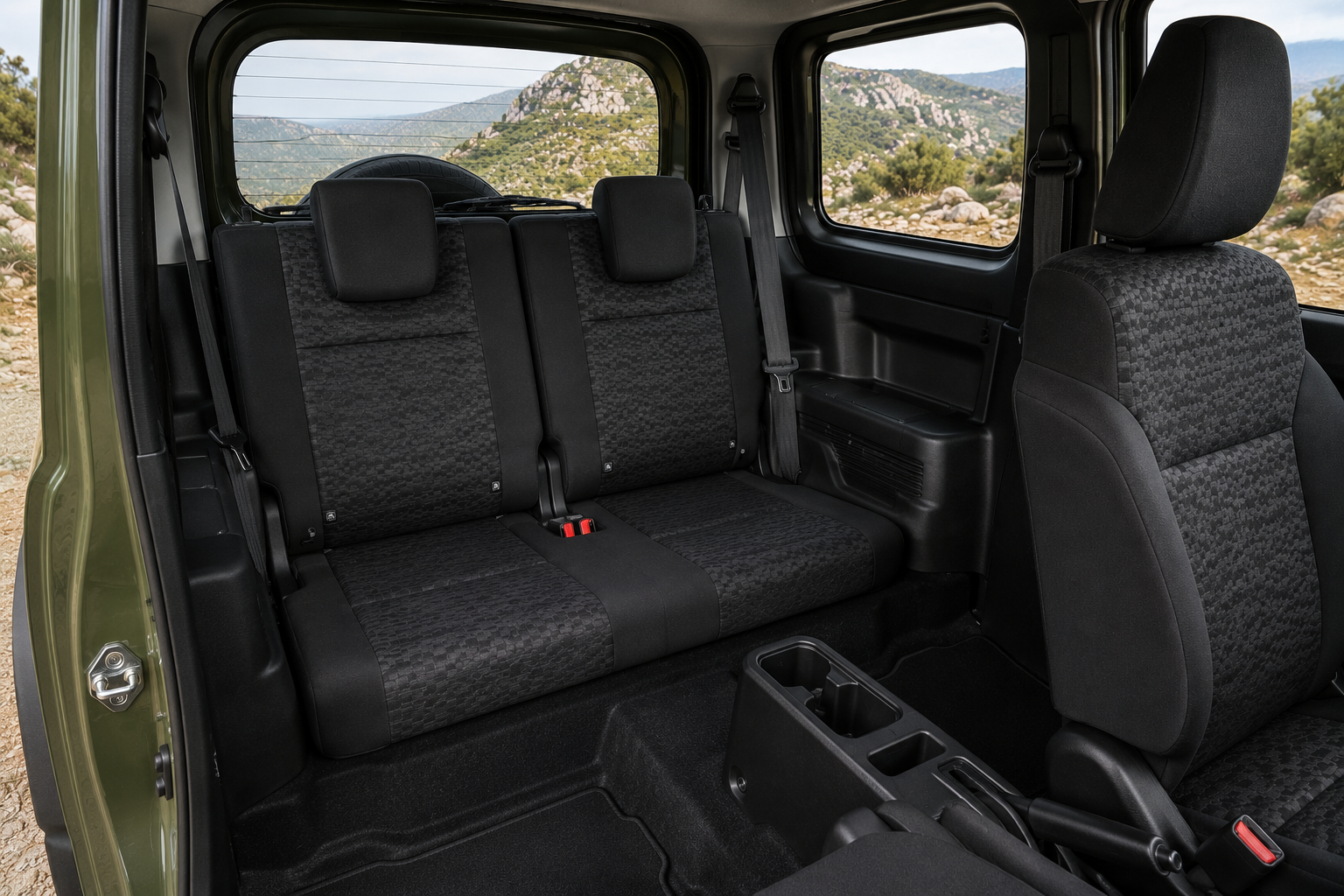
60 40 Split Seat
Yes
Full Fold-Flat Rear Bench
Adjustable Driver Seat
Yes
Manual 4-Way Driver Adjustment
Adjustable Front Seat
Yes
-
Ambient Lighting
Yes
Not Applicable
Front Armrest
Yes
Standard Centre Armrest
Armrest Front
Folding with storage
Standard Centre Armrest
Armrest Rear
Centre folding with cupholders
Not Available
Boot Light
Yes
-
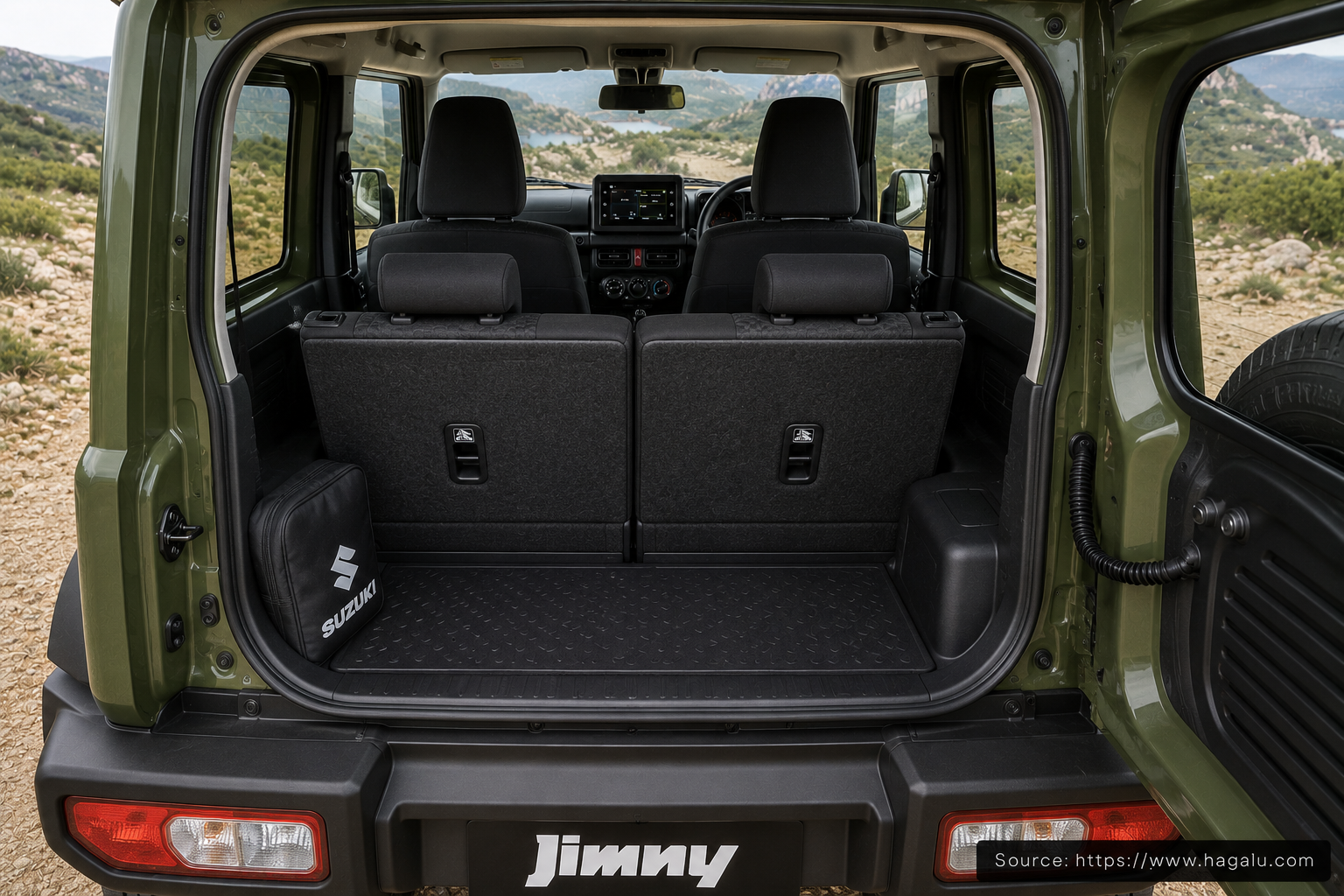
Boot Space Seats Down
1133
377
Cargo Hooks In Boot
Yes
-
Cargo Net
No
-
Cooled Seats
Yes
-
Cup Holders
Yes
2
Driver Seat
Yes
Manual 4-Way Driver Adjustment
Driver Seat Adjustment
10-Way Electric
Manual 4-Way Driver Adjustment
Fabric Seats
No
Fabric
Folding Rear Seats
60/40 Split
Full Fold-Flat Rear Bench
Front Headrest
Adjustable
-
Heated Seats
Yes
Not Applicable
Instrument Cluster Type
Digital Instrument Cluster
Analogue with Digital MID
Interior Colour Options
2
2
Interior Colours
2
2
Interior Courtesy Lamps
12.3-inch infotainment touchscreen on LS, 14.6-inch on LT and LX with wireless Apple CarPlay and Android Auto. Full digital instrument cluster on LT and LX. Head-up display on LT and LX. Genuine leather upholstery on LT
7-inch touchscreen with Android Auto and Apple CarPlay, hill-hold control, dual front airbags, ABS and EBD, 4WD mode selector, fold-flat rear seats for cargo, snorkel available as dealer-fitted accessory
Interior Courtesy Lights
LED
-
Interior Trim Colour
Black with silver accents
2
Leather Accented Seat Trim
Leather
Fabric
Leather Seats
Yes
-
Driver Lumbar Support
Yes
Not Available
Door Map Pockets
Yes
Front Door Pockets
Memory Seats
Yes
-
Passenger Seat Adjustment
4-Way Manual
Manual 4-Way Driver Adjustment
Rear AC Vents
Yes
Not Available
Rear Armrest
Yes
Not Available
Rear Headrest
Adjustable
-
Rear Seat Centre Armrest
Yes
Not Available
Rear Seat Ventilation
No
-
Seat Adjustment
Yes
Manual 4-Way Driver Adjustment
Seat Adjustment Driver Backrest
Yes
Not Available
Seat Adjustment Driver Fore Aft
Yes
-
Seat Adjustment Driver Height
Yes
-
Seat Belt Warning
Yes
All Seats
Seat Fold Type
60/40 split fold
Full Fold-Flat Rear Bench
Seat Material
Leather
Fabric
Seat Trim
Leather
Fabric
Front Shoulder Room
1430 mm
1270 mm
Rear Shoulder Room
1390 mm
1155 mm
Steering Adjustment
Tilt and Telescopic
Tilt and Telescopic
Steering Type
Yes
Electric Power Assisted (EPAS)
Steering Wheel Material
Leather Wrapped
Leather-Wrapped Steering Wheel
Third Row Seating Capacity
0
-
Third Row Seats
No
-
Rear USB Ports
Yes
0
Ventilated Seats
Yes
Not Applicable
Spec
H7
Jimny
ABS
Yes
Standard
ABS EBD
Yes
Standard
AEB
Yes
Not Available
Airbags
8
6
Alarm System
Yes
Standard
Anti Theft Alarm
Yes
Standard
BA
Yes
Standard
Blind Spot Monitoring
Yes
Not Available
Brake Assist
Yes
Standard
Brake Override System
Yes
Not Available
Central Locking
Yes
Remote Central Locking
Child Safety Lock
Yes
Standard
Curtain Airbags
Yes
Not Available
Driver Airbag
Yes
6
Driver Front Passenger Airbags
8
6
Driver Passenger Airbags
8
6
EBD
Yes
Standard
Engine Immobiliser
Yes
Standard
Electronic Stability Control
Yes
Standard
ESC With Traction Control
Yes
Standard
Fatigue Detection
Yes
-
Front Parking Sensors
Yes
Not Available
Hill Descent Control
Not Available
Hill Descent Control Standard
Hill Hold
Yes
Standard
Hill Start Assist
Yes
Standard
Engine Immobiliser
Yes
Standard
ISOFIX Mounts
Yes
2 Rear ISOFIX Points
Knee Airbag
No
Not Available
Lane Change Warning
Yes
Not Available
Safety Rating
5
Not Independently Rated
Passenger Airbag
Yes
6
Pedestrian Detection AEB
Yes
Not Available
Rear Cross Traffic Alert
Yes
Not Available
Seatbelt Pretensioners
Yes
All Seats
Seatbelt Reminder
Yes
All Seats
Seatbelt Warning All Seats
Yes
All Seats
Side Airbags
Yes
Not Available
Side Impact Beams
Yes
Standard
Speed Alert System
Yes
Standard
Stability Control
Yes
Standard
TCS
Yes
Standard
Tracking System
Optional
-
Traction Control
Yes
Standard
Tyre Pressure Monitor
Yes
Standard
Whiplash Protection
Yes
Active Head Restraints on Front Seats
Spec
H7
Jimny
AC Type
Yes
Automatic Dual-Zone Climate Control
Accelerator 0 100
150 sec
14.5 sec
12V Accessory Socket
Yes
2 x 12V Socket
Active Safety Alert
Yes
-
Adaptive Dampers
Yes
-
Aero Kit
No
-
Air Conditioning
Yes
Automatic Dual-Zone Climate Control
Auto Dimming Irvm
Yes
Not Available
Auto Dimming Mirror
Yes
Not Available
Automatic Headlamps
Yes
Standard
Automatic High Beam
Yes
-
Battery Preconditioning
Not Available
Not Available
Bed Extender
Not Available
Not Available
Boot Opener
Yes
-
Boot Space Seats Folded
820 l
377 l
Bottle Holders
Yes
2
Canopy Fitment
Not Available
Not Available
Centre Console
Full-length with storage
Standard Centre Armrest
Chrome Exterior Highlights
Yes
-
Chrome Grille
Yes
-
Climate Control
Yes
Automatic Dual-Zone Climate Control
Climate Zones
2
Automatic Dual-Zone Climate Control
Coat Hooks Rear
Yes
-
Common Rail Injection
Direct Injection
Multi-Point Fuel Injection (MPFI)
Cornering Lights
Yes
-
Diff Lock
No
Not Available
Difflock
No
Not Available
Digital Speedometer
Yes
Analogue with Digital MID
Door Ajar Warning
Yes
-
Door Opening Angle
90 deg
-
Door Sill Trim
Aluminium
-
Drag Coefficient
0.34
-
Driver Display
Digital
-
Driver Drowsiness Detection
Yes
-
Electric Fold Indicator Mirrors
Electric
Electrically Foldable Mirrors (New 2026)
Electric Folding Mirrors
Yes
All Windows
Electric Tailgate
Yes
Not Available
Engine Check Warning
Yes
-
Engine Start Button Illumination
Yes
Push Button Start
Engine Start Stop
Yes
Push Button Start
Engine Start Stop Button
Yes
Push Button Start
Engine Warranty
5 Years / 100,000 km
4 Years
Follow Me Home Headlamps
Yes
Standard
Follow Me Home Lights
Yes
-
Front Armrest
Yes
Standard Centre Armrest
Front Power Outlet
Yes
2 x 12V Socket
Front Reading Lamps
Yes
-
Front Wiper
Yes
Standard
Front Wipers Type
Variable intermittent
Standard
Fuel Consumption Combined
8.5
6.3
Fuel Lid Opener
Yes
-
Glove Box
Lockable illuminated
Front Door Pockets
Glovebox Cooling
No
Front Door Pockets
Grab Handles Rear
Yes
-
Headlamp Height Adjust
Yes
-
Headlamp Washer
No
-
Headrest Adjustable
Yes
-
Headrest Front
Adjustable
-
Headrest Rear
Adjustable
-
Heads Up Display
Yes
-
Heated Mirrors
Yes
-
Hill Start Assist
Yes
Standard
Horn Type
Electric
-
Impact Sensing Door Unlock
Yes
-
Intelligent Battery System
Not Available
Not Available
Intelligent Keyless Entry
Yes
Smart Key System
Intelligent Speed Assist
Yes
-
Intercooler
Yes
-
Keyless Entry
Yes
Smart Key System
Lift Gate
Yes
Not Available
Load Bed Cover
Not Available
Not Available
Load Bed Light
Not Available
Not Available
Load Bed Steps
Not Available
Not Available
Load Sill Height
Low
-
Loadbox Depth Mm
Not Available
Not Available
Loadbox Rope Hooks
Not Available
Not Available
Loadbox Tiedown Brackets
Not Available
Not Available
Low Speed Manoeuvring Assist
Yes
-
Manual Aircon
Yes
Automatic Dual-Zone Climate Control
Mirror
Electric Adjustable
Electrically Foldable Black Mirrors
Electric Mirror Folding
Electric
Electrically Foldable Mirrors (New 2026)
Multi Function Steering
Yes
-
Oil Pressure Warning
Yes
-
One Pedal Driving
Not Available
Not Available
Panoramic Roof
Yes
Not Available
Panoramic Roof Size
Full-length
-
Passive Entry Start
Yes
Smart Key System
Pedal Covers
Aluminium-style
-
Performance Data Logger
No
-
Power Mirrors
Yes
All Windows
Power Socket 12v
Yes
2 x 12V Socket
Power Windows
Yes
All Windows
Powered Tailgate
Yes
Not Available
Puddle Lights
Yes
-
Push Button Start
Yes
Push Button Start
Push Button Start
Yes
Push Button Start
Rain Sensing Wipers
Yes
Standard
Reading Lights Front
Yes
-
Reading Lights Rear
Yes
-
Rear Air Conditioning
Yes
Not Available
Rear Defogger
Yes
Standard
Rear Diff Lock
No
-
Rear Electric Motor
Not Available
Not Available
Rear LED Combination Taillights
Yes
-
Rear Reading Lamps
Yes
-
Rear Seat Split
60/40
Full Fold-Flat Rear Bench
Rear Window Defroster
Yes
Standard
Rear Wing
Integrated Spoiler
Not Available
Rearview Mirror Inside
Yes
Not Available
Regenerative Braking Levels
Not Available
Not Available
Remote Central Locking
Yes
Smart Key System
Remote Engine Start
Yes
-
Remote Side Mirror
Yes
Electrically Foldable Black Mirrors
Remote Start
No
-
Rev Counter
Yes
-
Rev Matching
No
-
Ride Mode Selection
Yes
-
Rim Size
20
15 Inches
Roof Antenna
Shark Fin Antenna
-
Roof Load
80 kg
-
Roof Rack Compatibility
Yes
Not Available
Driver Seat Height Adjustment
Yes
Standard — Driver Height Adjustable
Seat Type
High Bolster Sports Seat
Fabric
Seatbelt Pre Tensioner
Yes
All Seats
Service Reminder
Yes
-
Side Impact Bars
Yes
Standard
Side Steps
No
-
Skid Plates
No
-
Snow Mode
Yes
-
Sonar
Front and Rear
Rear Ultrasonic Sensors
Sound System
12
4
Source Model Column
h7
jimny
Spare Wheel
Yes
Full Size External Rear Spare
Speed Alert System
Yes
Standard
Speed Limiter
Yes
Standard
Sport Plus Mode
Not Available
-
Sports Bar
Not Available
Not Available
Stabilizer Bar
Yes
Standard
Stabilizer Bar Front
Yes
Standard
Stabilizer Bar Rear
Yes
Standard
Steering Column Adjustment
Tilt and Telescopic
Tilt and Telescopic
Steering Mounted Controls
Yes
Standard
Steering Response
Progressive
-
Sub Frame
Full front and rear
Ladder Frame
Sunroof
Yes
Not Available
Sunvisors
Dual with vanity mirrors
-
Surround View Monitor
Yes
Not Available
Tachometer
Yes
-
Tail Lamps
Yes
-
Tailgate Damper
Not Available
Not Available
Tailgate Lock
Not Available
Not Available
Telescopic Steering
Tilt and Telescopic
Tilt and Telescopic
Temperature Gauge
Yes
-
Tie Down Hooks
Yes
-
Tilt Steering
Tilt and Telescopic
Tilt and Telescopic
Tow Bar Type
Receiver hitch compatible
Not Available
TPMS
Yes
Standard
Trailer Hitch
No
-
Trailer Stability Assist
Confirmed 4WD derivative
-
Trailer Sway Control
Confirmed 4WD derivative
-
Trim Level
flagship
flagship
Trip Computer
Yes
-
Tyre Repair Kit
No
-
Unlocking
Yes
Smart Key System
Uv Protection Glass
Yes
-
Vanity Mirror
Yes
-
Vanity Mirror Illuminated
Yes
-
Variant Role
Flagship / premium derivative
Performance-focused derivative
Vdc
Yes
Standard
Vehicle To Grid
Not Available
Not Available
Vehicle To Load
Not Available
Not Available
Voice Command
Yes
Via Smartphone
Voice Command Support
Yes
Via Smartphone Mirroring
Walk Away Auto Door Lock
Yes
Smart Key System
Walk Away Lock
Yes
Smart Key System
Welcome Lighting
Yes
-
Wind Deflectors
No
-
Wireless Charger
Yes
Not Available
Wireless Charging
Yes
Not Available
Boot Space Seats Folded
820 l
377 l
Load Bed Length
Not Applicable
Not Applicable
Load Bed Width
Not Applicable
Not Applicable
Loadbox Length Mm
Not Applicable
Not Applicable
Loadbox Width Mm
Not Applicable
Not Applicable
Spec
H7
Jimny
Active Exhaust
Not Available
-
Alloy Wheel Design
Diamond Cut Premium Alloy
15-inch Land Rover-Inspired Alloy Wheels
Auto Headlights
Yes
Standard
Automatic Headlamps
Yes
Standard
Body Cladding
Yes
Black Plastic Body Cladding
Body Type
SUV
SUV
Chrome Exterior Finish
Yes
Not Available
Daytime Running Lamps
Yes
LED DRLs
Daytime Running Lights
Yes
LED DRLs
Door Handle Finish
Body Coloured
Black Door Handles
DRL
Yes
LED DRLs
Electric Blind Sunroof
Yes
Not Available
Exterior Colour Options
6
6
Exterior Colour Options
6
6
Exterior Door Handle Colour
Body Coloured
Black Door Handles
Exterior Mirror Electric
Yes
All Windows
Exterior Mirror Folding
Electric
Electrically Foldable Mirrors (New 2026)
Exterior Mirror Heated
Yes
-
Exterior Mirror Memory
No
-
Exterior Mirror Turn Indicator
Yes
-
Fog Lamps
Yes
Front Fog Lamps
Fog Lights
Yes
Front Fog Lamps
Front Fog Lamps
Yes
Front Fog Lamps
Front Fog Lights
Yes
Front Fog Lamps
Front Overhang
880 mm
-
Headlamp Levelling
Yes
LED Projector Headlamps
Headlamps
Yes
LED Projector Headlamps
Headlight Type
Yes
LED Projector Headlamps
Headlights
Yes
LED Projector Headlamps
LED Headlamps
Yes
LED Projector Headlamps
Led Headlights
Yes
LED Projector Headlamps
Led Taillights
Yes
-
Load Bed Liner
Not Available
Not Available
Wing Mirror Type
Electric Adjustable
Electrically Foldable Black Mirrors
Panoramic Sunroof
Yes
Not Available
Rear Fog Lights
Yes
-
Rear Overhang
890 mm
-
Rear Spoiler
Yes
Not Available
Rear Wiper
Yes
Standard
Roof Rails
Yes
Not Available
Roof Type
Metal Roof
Standard Fixed Roof with Black Contrast Roof Option
Rear Spoiler
Yes
Not Available
Sunroof Slide
Yes
Not Available
Sunroof Tilt
Yes
Not Available
Spec
H7
Jimny
AdBlue Tank Capacity
No
Not Applicable
Charging Port Type
Not Applicable
Not Applicable
Charging Type
Not Applicable
Not Applicable
City Mileage
9.5 km/l
12.7 km/l
Claimed Mileage
11.8 km/l
15.9 km/l
Combined Driving Range
Not Applicable
Not Applicable
Distance To Empty
Yes
-
Electric Consumption
Not Applicable
Not Applicable
Emission Standard
Euro 5
Euro 5
Fuel Filler Cap
Lockable
-
Fuel Tank Capacity
63 l
40 l
Fuel Tank Litres
63
40
Highway Mileage
13.9 km/l
17.9 km/l
Low Fuel Warning
Yes
-
Range Real World Highway
Not Applicable
Not Applicable
Range Real World Mixed
Not Applicable
Not Applicable
Real-world Mileage
11.8 km/l
15.9 km/l
Auto Start Stop
Yes
Not Applicable
Spec
H7
Jimny
Alternator
110A
-
Anti-Rust Treatment
Yes
Underbody Rust Protection and Skid Plates
Battery Warranty
8 Years / 160,000 km
12 Months
First Service At
5000
1,000 km Inspection
Maintenance Plan
5 Years / 75,000 km
Not Included
Engine Oil Capacity
5.5 l
3.7 l
Engine Oil Change Interval
10,000 km
10,000 km or 6 Months
Approx Service Cost
Included in Service Plan
Approx R2,500–R3,000 per Service
Service Interval
10000
15,000 km or 12 Months
Service Intervals
10000
15,000 km or 12 Months
Service Plan
5 Years / 75,000 km
Not Included
Service Plan Distance
5 Years / 75,000 km
Not Included
Service Plan Duration
5 Years / 75,000 km
Not Included
Spec
H7
Jimny
Android Auto
Yes
Wired Android Auto
Apple CarPlay
Yes
Wired Apple CarPlay
Audio
Yes
Standard
Audio Controls On Steering
Yes
Standard
Audio Speakers
12
4
Audio System
Yes
Standard
Bluetooth Connectivity
Yes
Standard
Connected Services
Yes
Standard
Digital Instrument Cluster
Yes
Analogue with Digital MID
Display Audio
Yes
9-inch Touchscreen
FM Radio
Yes
Standard
Front Rear USB Charge Ports
3
2
Head Up Display
Yes
-
Infotainment System
Yes
9-inch Touchscreen
Infotainment Display
14.6-inch Touchscreen
9-inch Touchscreen
Infotainment Screen
Yes
9-inch Touchscreen
Laminated Windscreen
Yes
-
Multi Information Display
Digital Instrument Cluster
Analogue with Digital MID
Navigation System
Yes
Via Smartphone Mirroring
Premium Audio
Yes
-
Radio
Yes
Standard
Rear Usb
Yes
2
Infotainment Screen Size
Yes
9-inch Touchscreen
Smartphone Connectivity
Yes
Wired Apple CarPlay
Number of Speakers
12
4
Steering Wheel Audio Controls
Yes
Standard
Touchscreen
Yes
9-inch Touchscreen
USB Ports
3
2
Voice Control
Yes
Via Smartphone
Voice Recognition
Yes
Via Smartphone
Wi-Fi Hotspot
Yes
Not Available
Wireless Apple CarPlay
Yes
Wired Apple CarPlay
Wireless Android Auto
Yes
Wired Android Auto
AUX Input
-
Not Available
Spec
H7
Jimny
Anti-Corrosion Warranty
6 Years
3 Years Anti-Corrosion
Basic Warranty
5 Years / 100,000 km
5
Roadside Assistance
Yes
5 Years Roadside Assistance
Roadside Assistance
Yes
5 Years Roadside Assistance
Warranty
5 Years / 100,000 km
5
Warranty Kilometers
5 Years / 100,000 km
5
Warranty Roadside Assistance
Yes
5 Years Roadside Assistance
Warranty Years
5 Years / 100,000 km
5
Spec
H7
Jimny
Auto Brake Hold
Yes
Conventional Handbrake
Autonomous Emergency Brake
Yes
Not Available
Brake Type Front
Ventilated Disc
Ventilated Disc
Brake Type Rear
Ventilated Disc
Drum
Brakes
Ventilated Disc
Ventilated Disc
Cornering Brake Control
Yes
Standard
Electric Park Brake
Electronic
Conventional Handbrake
Electronic Brakeforce Distribution
Yes
-
Fifth Wheel Prep
Not Available
Not Available
Front Brake Disc Diameter
308 mm
265 mm
Front Brake Type
Ventilated Disc
Ventilated Disc
Front Tyre Width
235 mm
-
Handbrake Type
Electronic parking brake
Conventional Handbrake
Hydraulic Brake Assist
Yes
Standard
Leather Steering Wheel
Leather Wrapped
Leather-Wrapped Steering Wheel
Parking Brake Type
Electronic
Conventional Handbrake
Rear Brake Drum Diameter
292 mm
220 mm
Rear Brake Type
Disc
Drum
Rear Tyre Width
235 mm
-
Spare Tyre
Yes
Full Size External Rear Spare
Spare Wheel Location
Under vehicle / boot floor
-
Spare Wheel Size Type
Steel
Full Size External Rear Spare
Spare Wheel Type
Yes
Full Size External Rear Spare
Steering Wheel Audio Controls
Yes
Standard
Steering Wheel Cruise Controls
Yes
Standard
Steering Wheel Phone Controls
Yes
Standard
Steering Wheel Trim
Leather Wrapped
Leather-Wrapped Steering Wheel
Tyre Load Index
94
96
Tyre Pressure Display
Yes
Standard
Tyre Pressure Monitoring
Yes
Standard
Tyre Size
235/50R20
195/80 R15
Tyre Speed Rating
V
S
Tyre Type
Radial
195/80 R15
Wheel Cover
Alloy
-
Wheel Diameter
20
15 Inches
Wheel Locking Nuts
Yes
-
Wheel Material
Diamond Cut Premium Alloy
15-inch Land Rover-Inspired Alloy Wheels
Wheel Rim Size
20
15 Inches
Wheel Size Type
20
15 Inches
Wheel Type
Diamond Cut Premium Alloy
15-inch Land Rover-Inspired Alloy Wheels
Wheels
Diamond Cut Premium Alloy
15-inch Land Rover-Inspired Alloy Wheels
Spec
H7
Jimny
Body Style
SUV
SUV
Color Note
Crystal White, Hamilton Black, Cosmos Grey, Pittsburgh Silver, Mars Red and Atlantic Blue. Two-tone roof options available on LT and LX trims.
Kinetic Yellow, Sizzling Red, Granite Grey, Brisk Blue, Chiffon Ivory White, Bluish Black Pearl
Dealer Stock Note
Flagship grade in the South Africa lineup
Flagship grade in the South Africa lineup
Model Year
2026
2026
Production Status
published
active
Segment
SUV
SUV
Tare Mass Kg
1830 kg
1115 kg
Vehicle Type
SUV
SUV
Model Introduced Year
2024
2019
Generation
First generation, derived from Haval's larger SUV platform launched in 2023. Local specification differs from the Chinese-domestic model in suspension calibration and equipment loading.
Fourth generation (JB74 series); entirely new K15B engine replaces previous K13B; AllGrip Pro 4WD system replaces previous generation's 4WD setup; new body retains ladder-frame construction and live rear axle from all previous generations
Facelift History
First-generation H7 launched in South Africa in 2024. No significant facelift to date; software updates have refined the all-wheel-drive system calibration and the driver-assistance behaviour.
Fourth-generation Jimny launched globally in 2018 and in SA in 2019; minor specification updates in 2021 including updated connectivity; 5-door Jimny Sierra launched globally in 2023 but not confirmed for SA as of end-2025; no mechanical changes to the 3-door SA model since launch
Facelift Launched Since
2024
2025
Facelift Version Ending
Current
Current
Drivetrain Note
-
Drive layout derived from the official derivative naming: 1.5 GLX AllGrip AT
Spec
H7
Jimny
Boot/Cargo Space
620 l
85 l
Doors
5 doors
3 doors
Fuel Tank Capacity
63 l
40 l
Gross Vehicle Weight (GVW)
2200 kg
1435 kg
Ground Clearance (Default)
195 mm
210 mm
Front Headroom
990 mm
990 mm
Rear Headroom
960 mm
910 mm
Height
1750 mm
1720 mm
Kerb Weight
1830 kg
1110 kg
Front Legroom
1050 mm
900 mm
Rear Legroom
890 mm
600 mm
Length
4772 mm
3625 mm
Seating Capacity
5 seats
4 seats
Towing Capacity
1500 kg
1300 kg
Minimum Turning Radius
12.2 m
4.9 m
Wheelbase
2800 mm
2250 mm
Width
1910 mm
1645 mm
Ground Clearance (With Full Seating Load)
-
Not Officially Disclosed
Payload Capacity
-
325 kg
Number of Rows
-
2 rows
Spec
H7
Jimny
Chassis Material
Monocoque
Ladder Frame
Chassis Type
Monocoque
Ladder Frame
Front Spring Type
Coil Spring
Coil Spring
Front Anti-Roll Bar
Yes
Standard
Front Suspension
MacPherson Strut
Rigid Front Axle with Coil Spring
Front Suspension Type
MacPherson Strut
Rigid Front Axle with Coil Spring
Front Track Width
1560 mm
1265 mm
MagneRide Damping
Not Available
-
Power Steering
Yes
Electric Power Assisted (EPAS)
Rear Axle Type
Multi-Link Independent
Rigid Rear Axle with Coil Spring
Rear Spring Type
Coil Spring
Coil Spring
Rear Anti-Roll Bar
Yes
Standard
Rear Suspension
Multi-Link Independent
Rigid Rear Axle with Coil Spring
Rear Suspension Type
Multi-Link Independent
Rigid Rear Axle with Coil Spring
Rear Track Width
1570 mm
1265 mm
Shock Absorber Type
Hydraulic
Telescopic Gas Dampers
Shock Absorbers
Hydraulic
Telescopic Gas Dampers
Steering Column
Adjustable
Tilt and Telescopic Adjustable
Suspension
MacPherson Strut
Rigid Front Axle with Coil Spring
Spec
H7
Jimny
CO2 Emissions
198 g/km
148 g/km
CO2 Emissions G Km
198
148
Euro Emission Standard
Euro 5
Euro 5
Fuel Evaporation Control
EVAP Canister
Evaporative Emission Control (EVAP)
Fuel Octane Requirement
95 Octane Unleaded
93 RON Unleaded
Green NCAP Rating
4/5
Not Independently Rated
Hybrid System Type
Not Available
Not Applicable
Idle CO2 Output
198
Within Euro 5 Limits
Noise Level
Low
69 dB
Particulate Filter
No
Gasoline Particulate Filter (GPF)
Start Stop System
Yes
Not Available
Variable Valve Timing
Yes
VVT on Intake Camshaft
Spec
H7
Jimny
Ownership Role
Flagship
Flagship
Price Zar
799900 ZAR
466900 ZAR
Pricing Role
Current listed price
Current listed price
Starting Price
799900
466900
Starting Price Zar
799900
466900
Spec
H7
Jimny
Real-world City Mileage Max
9.5 l/100km
9.0 l/100km
Real-world City Mileage Min
7.0 l/100km
7.0 l/100km
Real-world Highway Mileage Max
8.0 l/100km
7.0 l/100km
Real-world Highway Mileage Min
6.0 l/100km
5.5 l/100km
Owner Review Count
-
0
Spec
H7
Jimny
Engine
2-litre Turbocharged Petrol
1.5-litre Naturally Aspirated Petrol
Engine Code
GW4C20D
K15B
Fuel Type
Petrol
Petrol
Hybrid System
Not Applicable
Not Applicable
Engine Displacement
1999 cc
1462 cc
Cylinders
4
4
Cylinder Layout
Inline
Inline
Valves
16
16
Valves per Cylinder
4
4
Aspiration
Turbocharged
Naturally Aspirated
Fuel System
Direct Injection
Multi-Point Injection
Compression Ratio
10.5:1
10.5:1
Bore
82.5 mm
74 mm
Stroke
93.1 mm
85.1 mm
Maximum Power
185 kW @ 5500 rpm
75 kW @ 6000 rpm
Maximum Torque
420 Nm
130 Nm @ 4000 rpm
Combined Power
Not Applicable
Not Applicable
Combined Torque
Not Applicable
Not Applicable
Motor Type
Not Applicable
Not Applicable
Number of Motors
Not Applicable
Not Applicable
Motor Location
Not Applicable
Not Applicable
Drive Type
AWD
RWD
Transmission
8-Speed Automatic
4-Speed Automatic
Top Speed
210 km/h
145 km/h
0-100 km/h
7.9 sec
14.5 sec
Quarter Mile
Not Officially Disclosed
Not Officially Disclosed
Drive Modes
Not Officially Disclosed
Not Officially Disclosed
Launch Control
No
Not Officially Disclosed
Rev Limiter
Not Officially Disclosed
Not Officially Disclosed
Power-to-Weight Ratio
101.1 kW/tonne
67.6 kW/tonne
Torque-to-Weight Ratio
229.5 Nm/tonne
117.1 Nm/tonne
Battery Capacity
Not Applicable
Not Applicable
Usable Battery Capacity
Not Applicable
Not Applicable
Battery Type
Not Applicable
Not Applicable
Battery Voltage
Not Applicable
Not Applicable
Electric Range
Not Applicable
Not Applicable
AC Charging Power
Not Applicable
Not Applicable
DC Charging Power
Not Applicable
Not Applicable
AC Charging Time
Not Applicable
Not Applicable
DC Charging Time
Not Applicable
Not Applicable
Regenerative Braking
Not Applicable
Not Applicable
In depth: how these cars differ
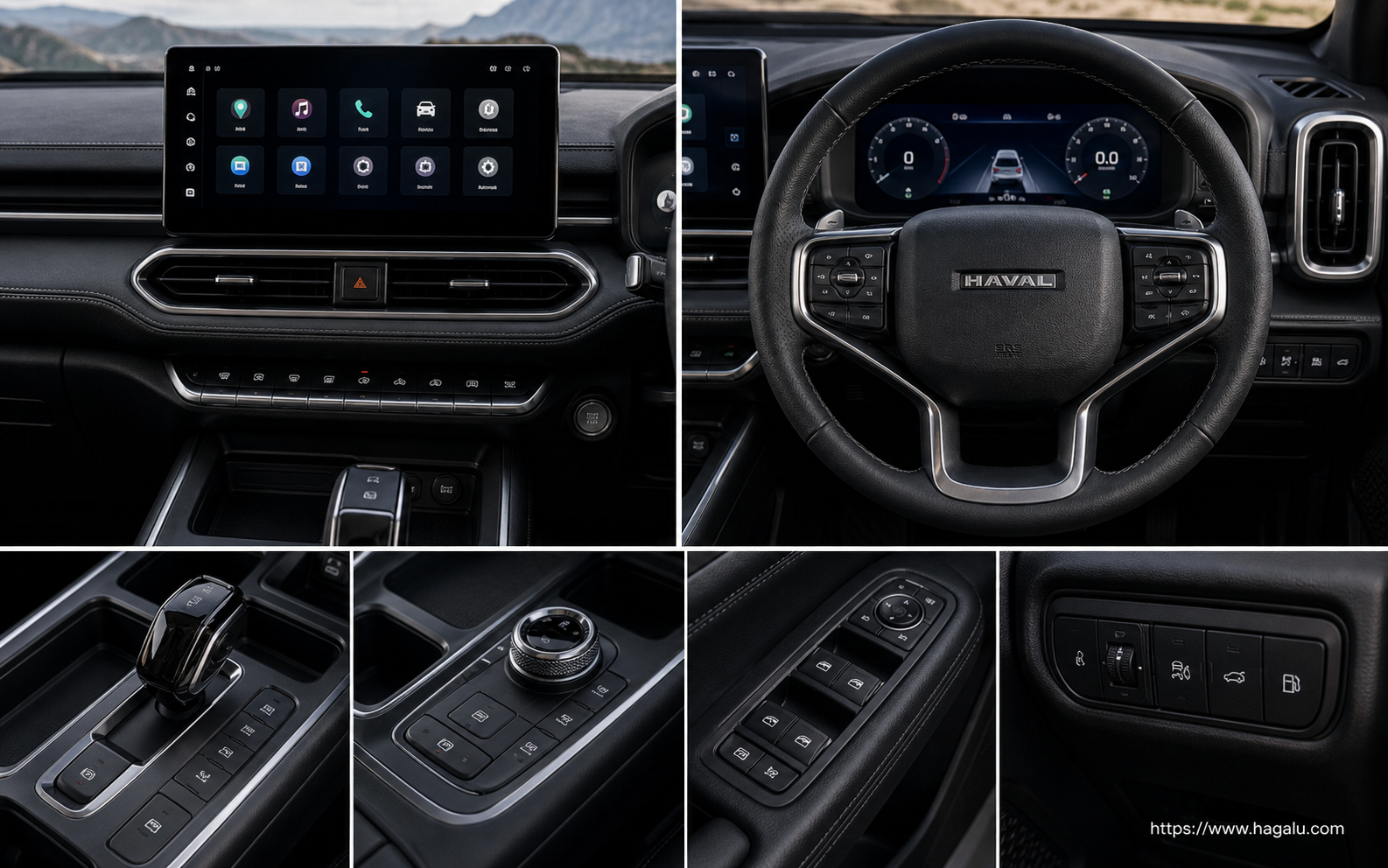
This H7 and Jimny comparison uses the exact derivatives selected above for South Africa. The catalogue index covers performance, efficiency, safety equipment, practicality and ownership cover only where comparable source-backed fields are present.
Performance index: H7 80 vs Jimny 29.
Efficiency index: H7 46 vs Jimny 61.
Safety-equipment index: H7 100 vs Jimny 88.
Practicality index: H7 73 vs Jimny 44.
Ownership-cover index: H7 65 vs Jimny 71.
These figures are Hagalu catalogue-comparison indicators, not customer ratings, crash-test scores, resale guarantees or a substitute for a road test. Each page shows its weighted source coverage beside the result.
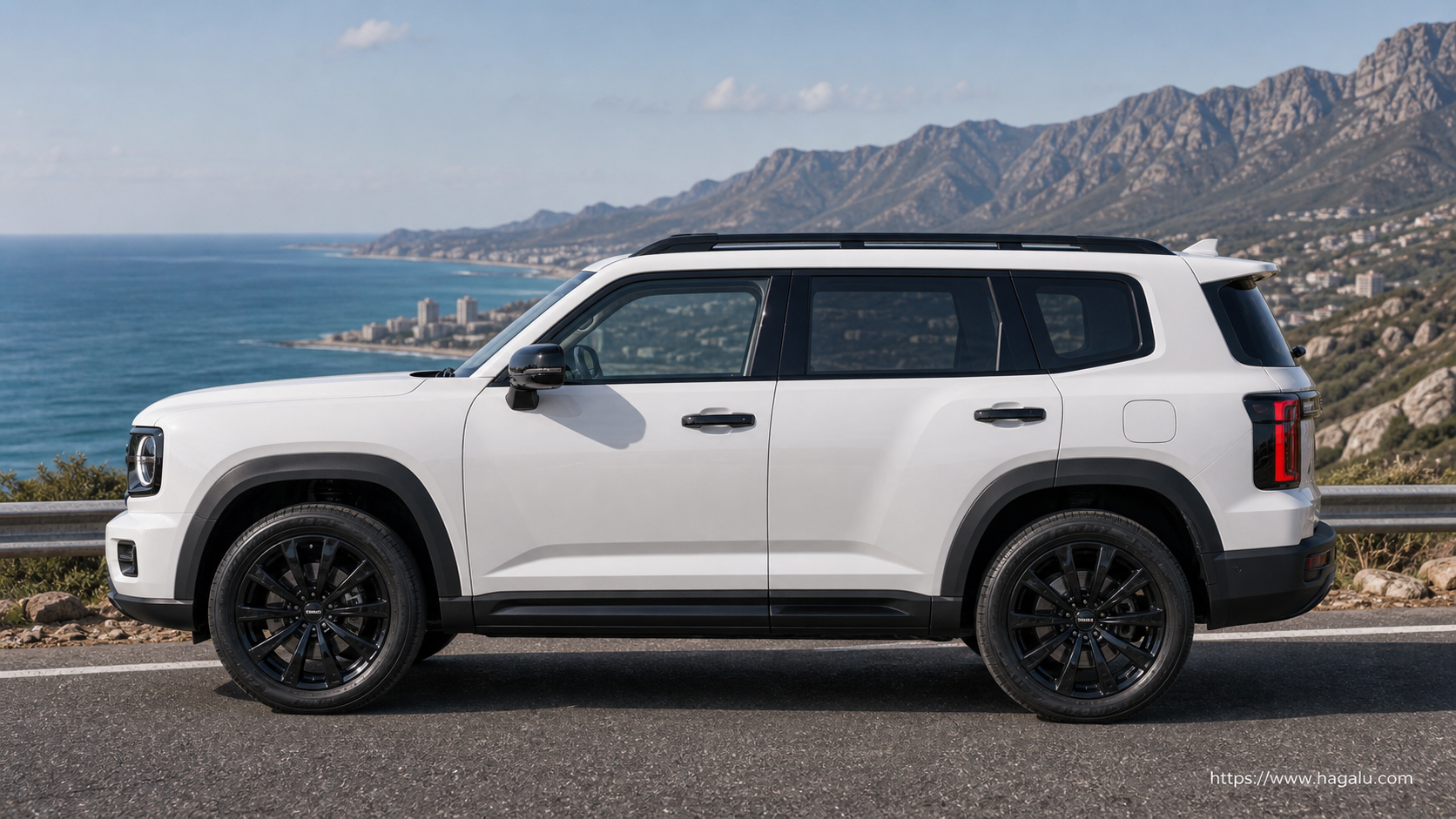
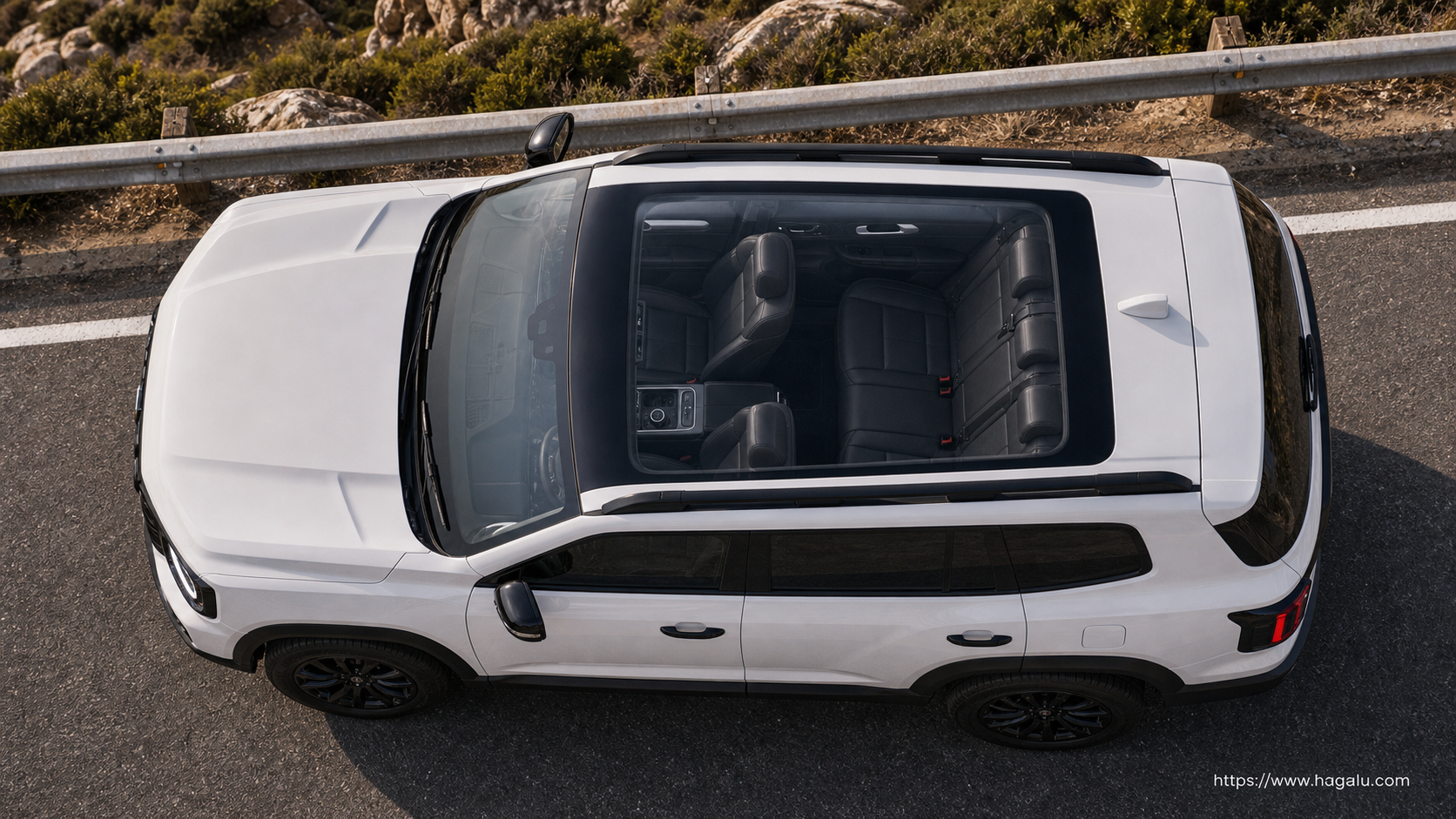
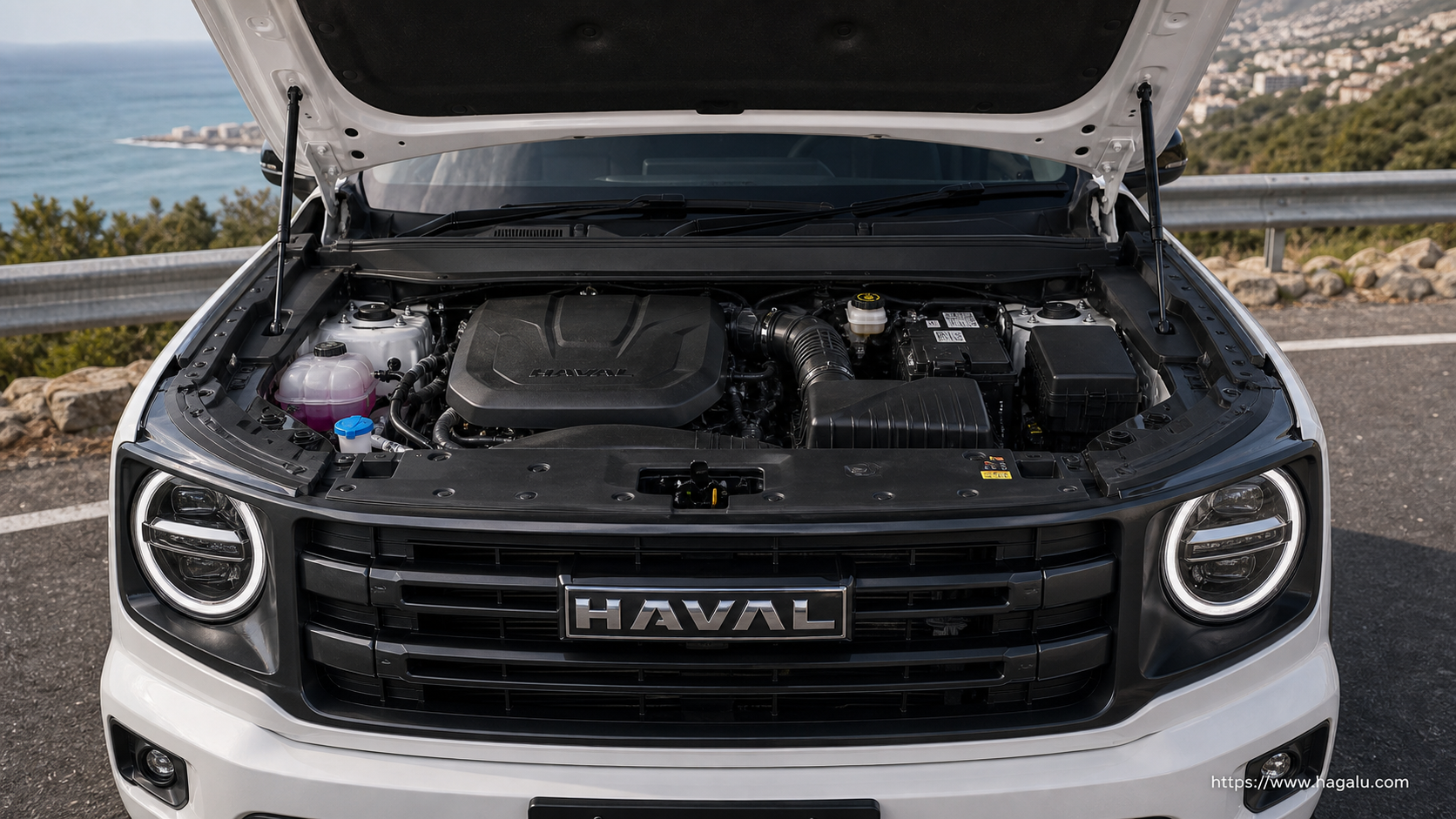
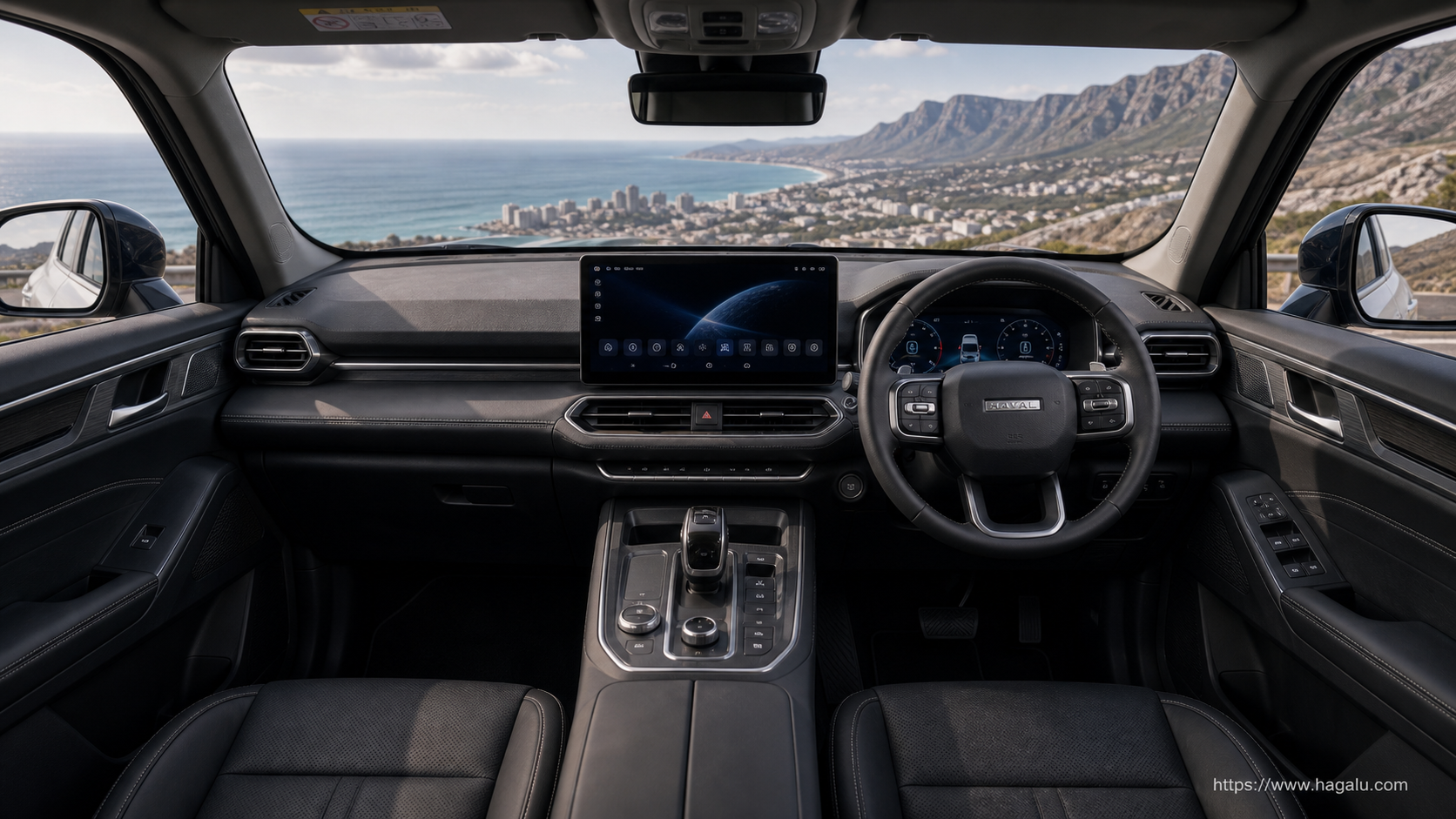
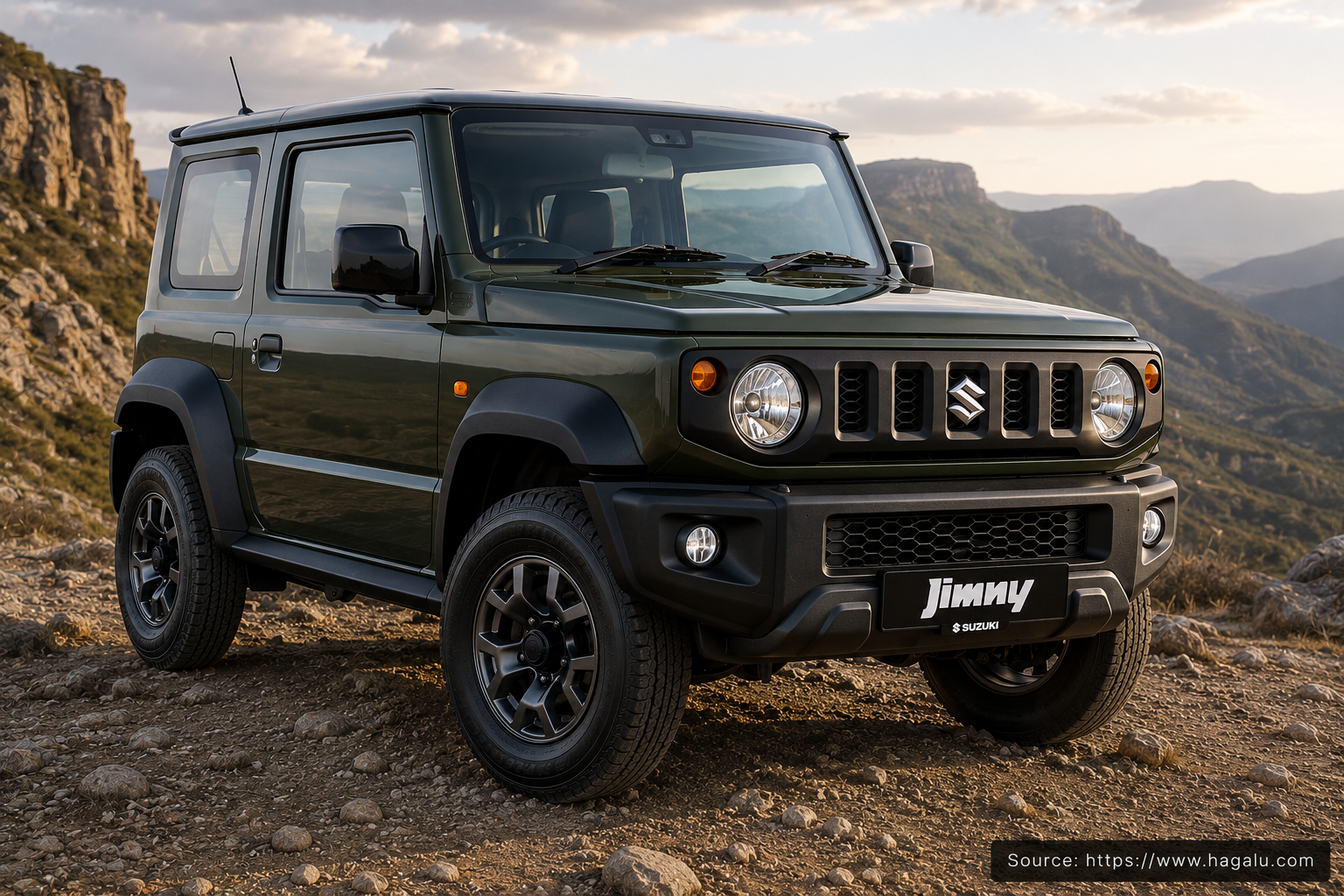
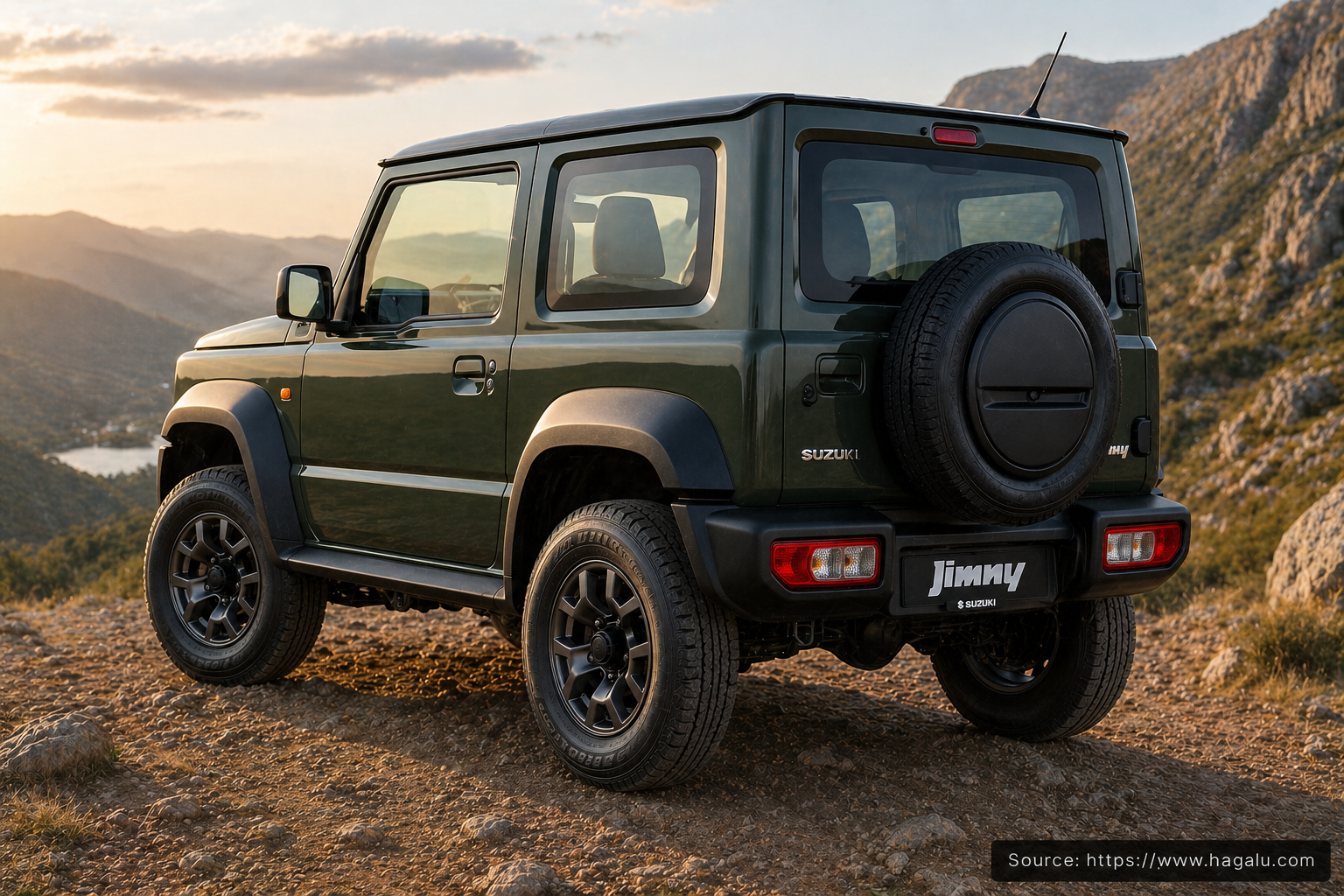
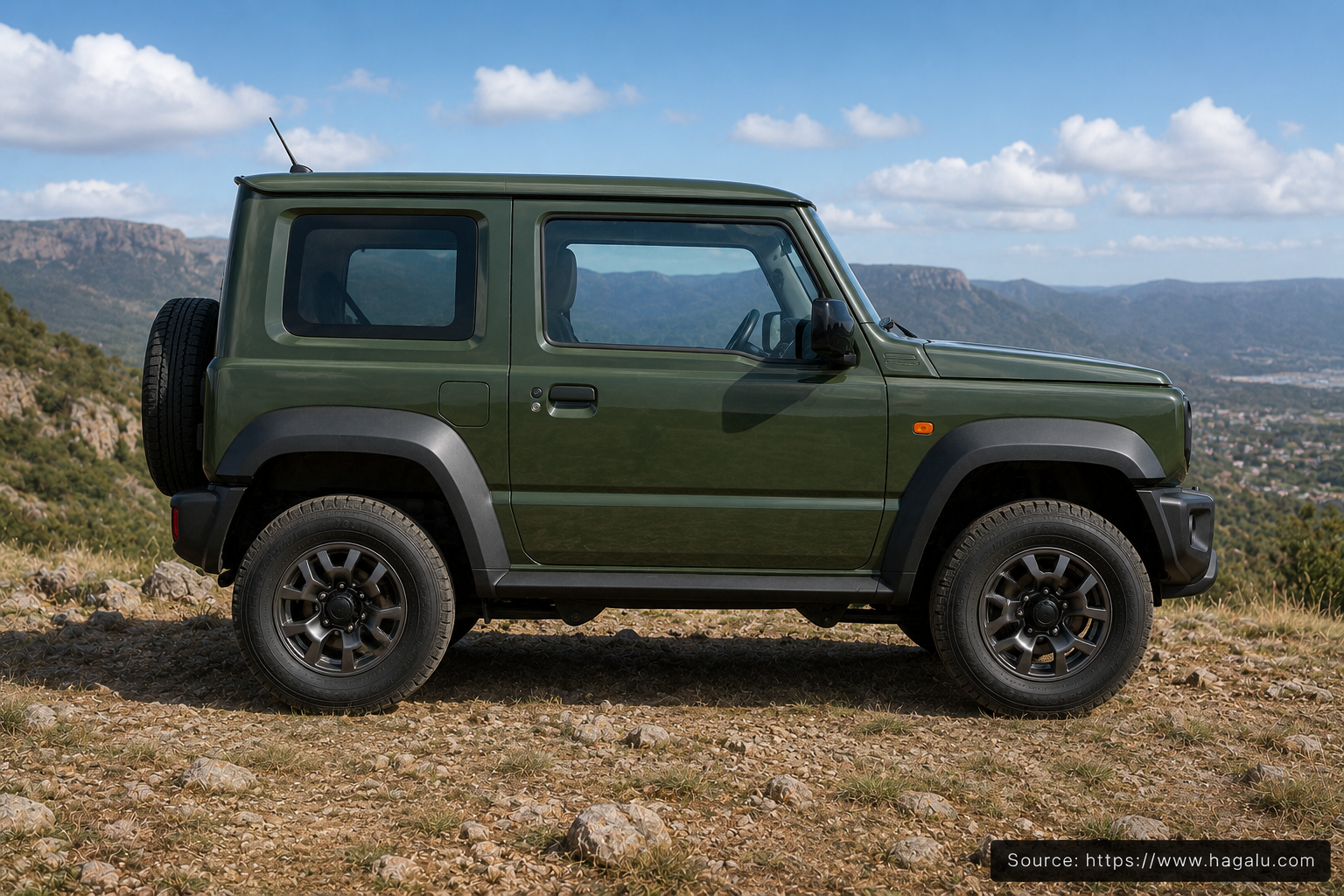
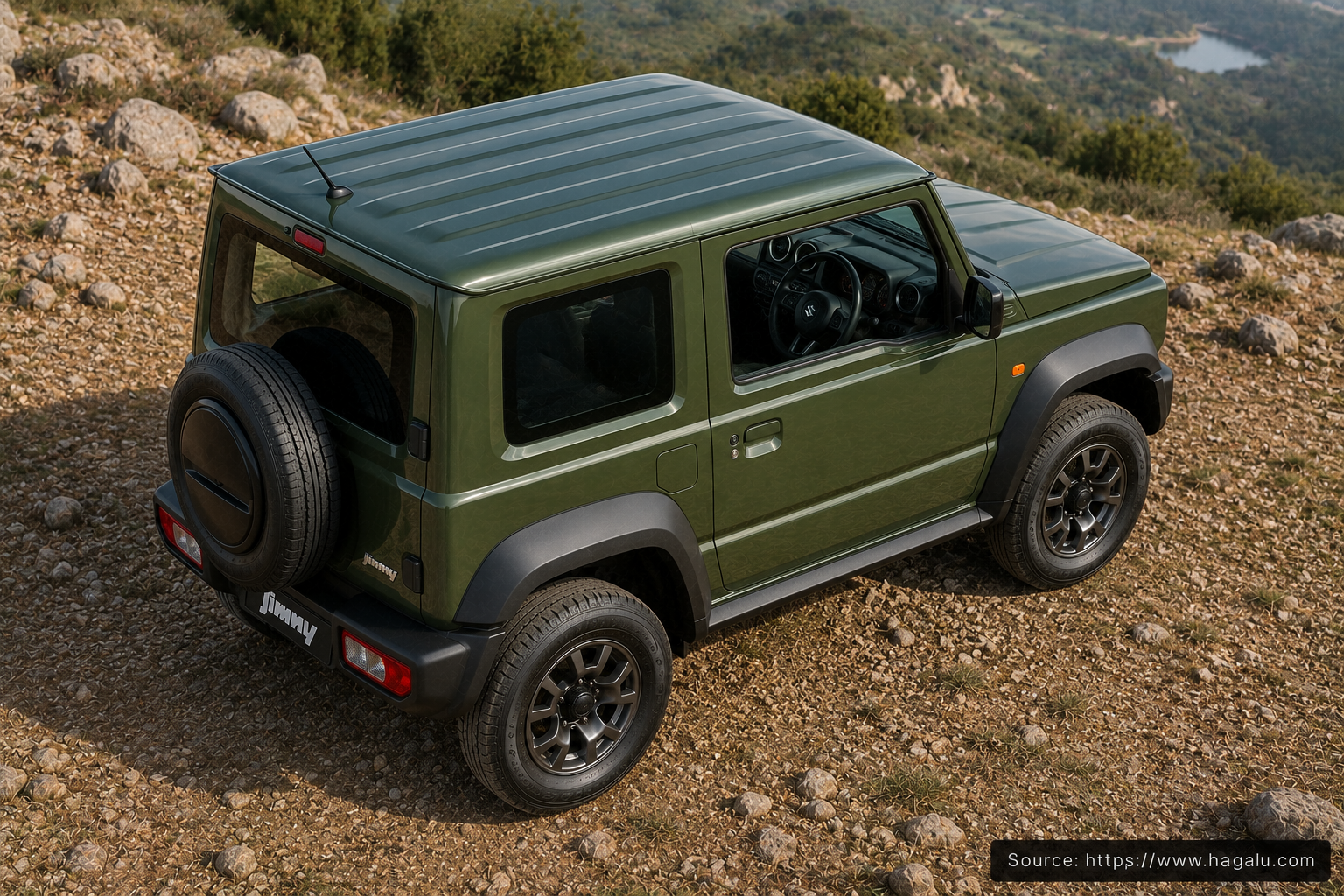
Model imagery
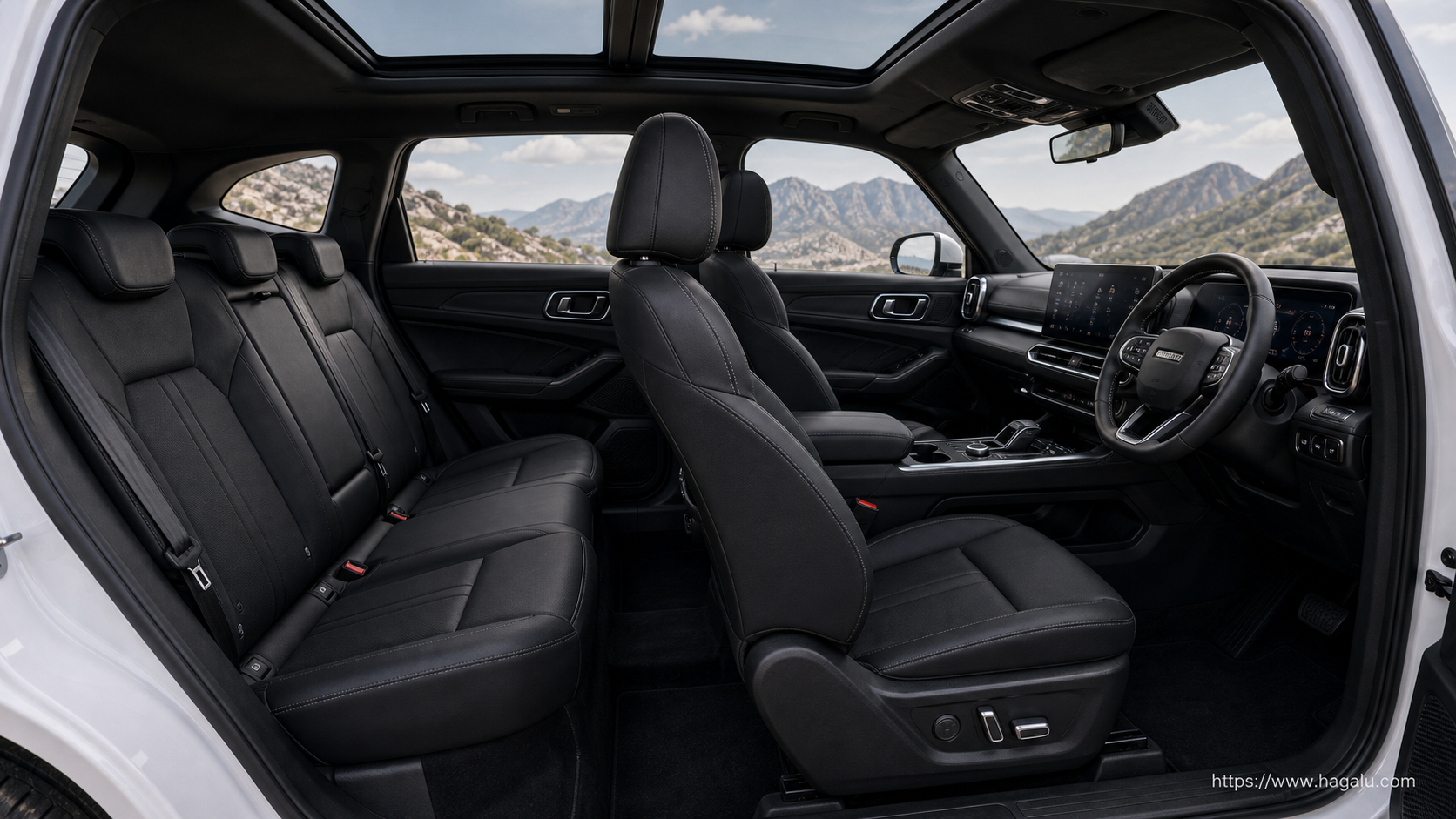
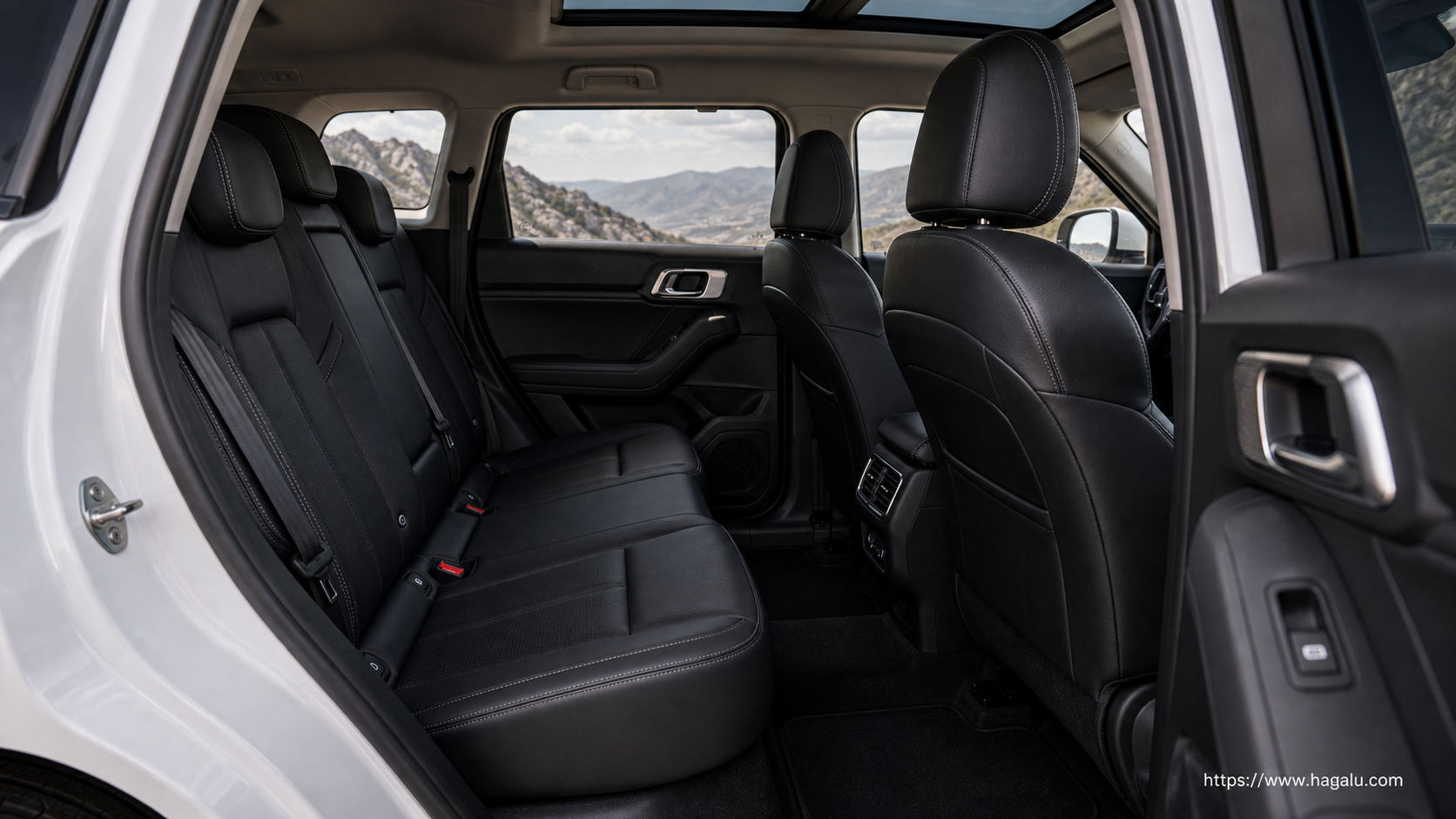
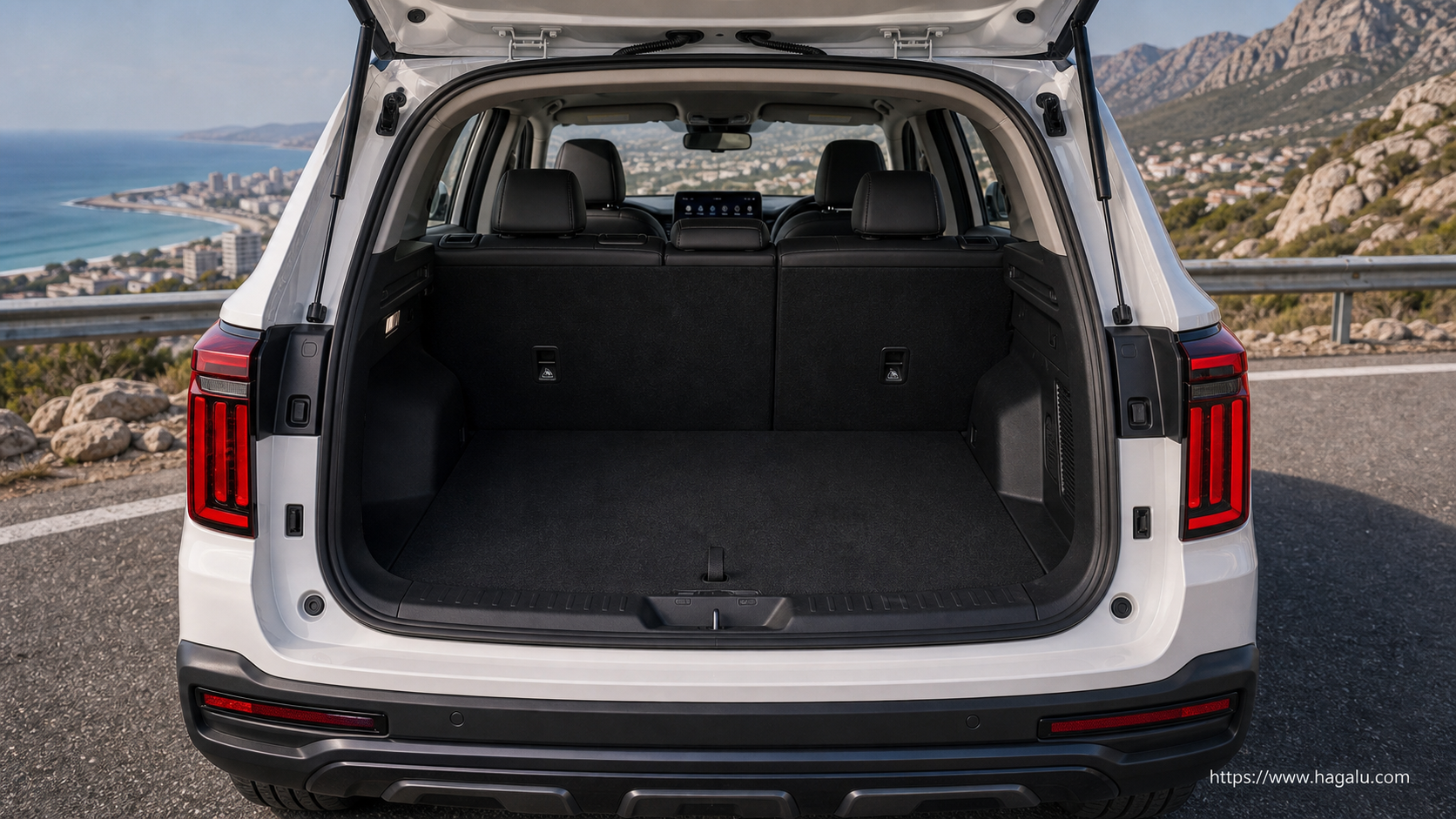
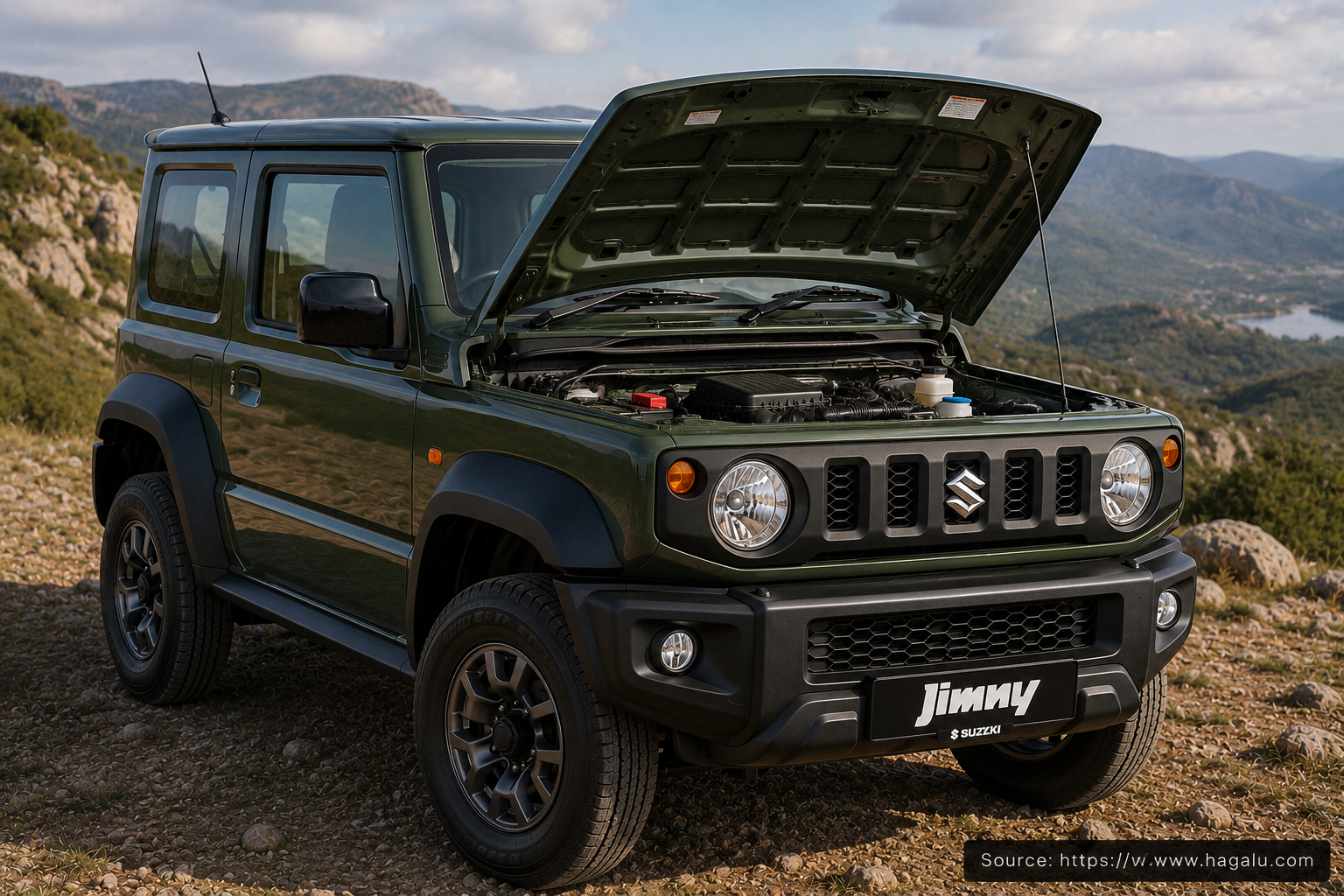
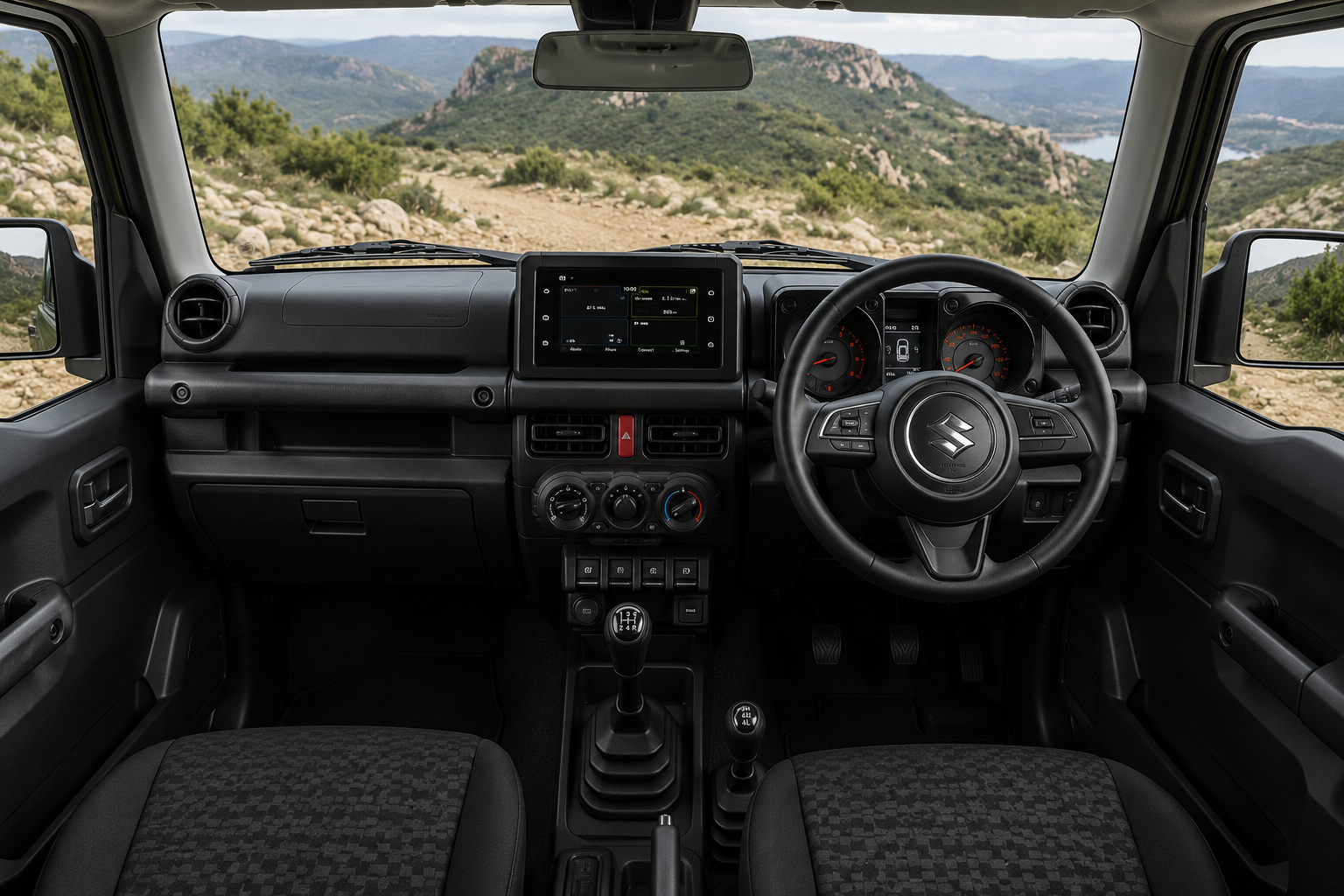
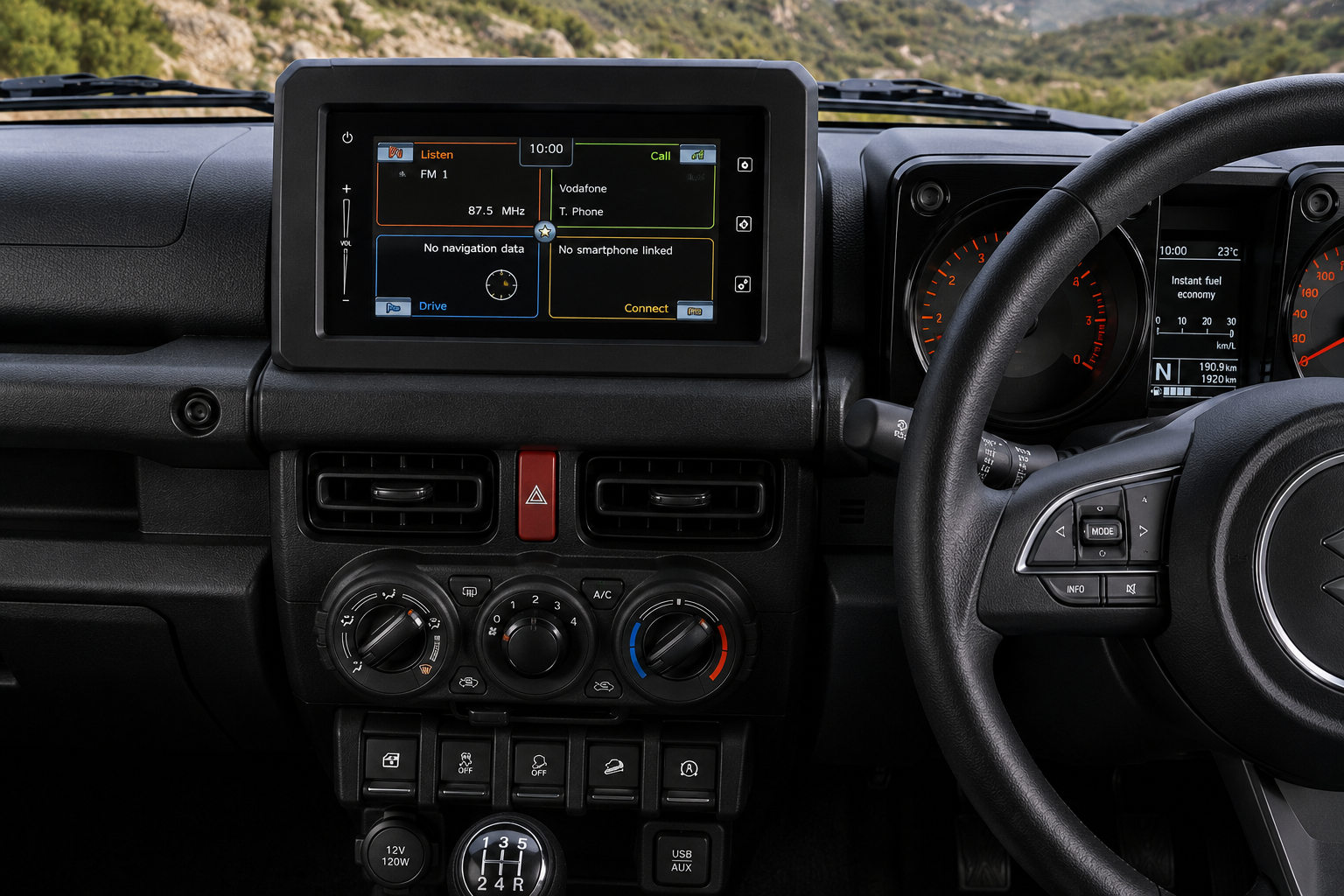
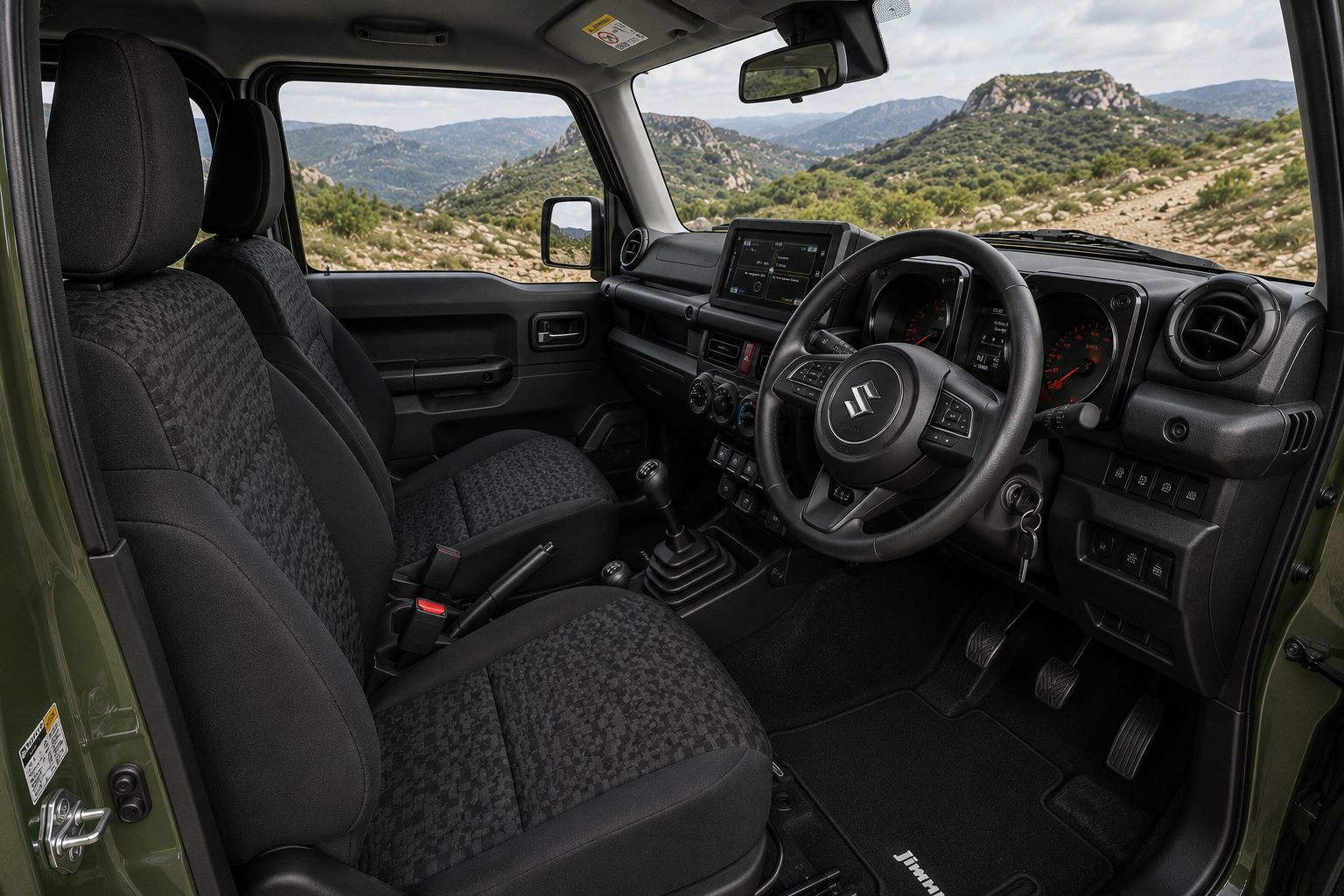
H7 and Jimny image comparison
Open an image for its full canonical file or visit the model page for the complete vehicle record.
A transparent comparison of published catalogue fields. This is not a road-test score, owner rating or editorial review rating, and it appears only when every vehicle clears the same comparable-data threshold.
Evidence / 100
Evidence-index readout
H7 leads by 18 points
H7 holds a noticeable catalogue-index lead over Jimny.
Moderate difference in the source-backed catalogue index.
Why this scoreView full breakdown
Evidence-index leader
H7
Performance
80/100
Efficiency
46/100
Safety
100/100
Practicality
73/100
Ownership
65/100
Jimny
Performance
29/100
Efficiency
61/100
Safety
88/100
Practicality
44/100
Ownership
71/100
What the evidence means
Evidence indexGWM H7
leads the specification evidence index with 75 pts
vs 57 pts for Jimny
In Hagalu's specification evidence index, H7 leads. However, Jimny may suit buyers prioritising different confirmed fields. Ultimately, the right choice depends on your driving priorities in South Africa.
Related comparisons
Continue with closely related South Africa models and comparable body styles.
There is no universal winner. Use the comparison table to match the models and available derivatives in South Africa on price, safety equipment, space, powertrain and ownership cover. The category indicators summarise published catalogue data; they are not a road test or customer rating.
Compare the published consumption or mileage rows for the exact derivatives using the same unit and test basis. A catalogue figure is useful for like-for-like comparison, but traffic, speed, load, weather and driving style can change actual fuel use.
Compare only equipment explicitly listed for each derivative, including airbags, stability control and driver-assistance systems. Confirm the exact trim with the manufacturer, and treat any independent crash-test result separately because equipment and ratings can differ by market.
A reliable five-year total cannot be calculated from catalogue data alone. Add the exact purchase and finance cost, fuel or electricity, insurance quotes, scheduled servicing, tyres and expected resale value. Check whether the selected derivative includes a service or maintenance plan.
Use the seating, boot or load-space, ISOFIX and safety rows as a first check. Then test the exact cars with your child seats, passengers and typical luggage, because published dimensions do not show every access or comfort difference.
Compare the published power, torque and 0–100 km/h rows when they are available for both exact derivatives. Vehicle weight, gearing and power delivery also matter, so catalogue outputs alone do not establish real-world overtaking or response.
Compare
Get Best Price
We'll Contact You
Fill in your details and a dedicated executive will reach out shortly.
✓
We've Got Your Details!
An executive will contact you shortly. Thank you for your interest.