A proper head-to-head in South Africa — compare price, performance,
fuel economy or electric range, safety and the details that shape long-term ownership.
⚡ 100 kW🔧 180 Nm⛽ Not applicable — electric consumption measured in kWh/100 km km/l
+Add a 3rd car
Decision summary
Ford Ranger Sport vs iCAUR V23: the short answer
Ranger Sport has a modest catalogue-index lead, while V23 remains close.
V23 starts ZAR 215,100 cheaperRanger Sport from ZAR 735,000 · V23 from ZAR 519,900
Five key differences
Exact selected derivatives
Swipe sideways to compare every column
Specification
Ranger Sport
V23
Maximum Power
Ranger Sport222 kW @ 5900 rpm
V23100 kW
Maximum Torque
Ranger Sport452 Nm
V23180 Nm
Engine Size
Ranger Sport2261 cc
V23Not Applicable
Combined Fuel Economy
Ranger Sport10.8 km/l
V23Not applicable — electric consumption measured in kWh/100 km km/l
Ground Clearance
Ranger Sport237 mm
V23190 mm
Strongest published figure in that row; no road-test winner is implied.
Independent editorial assessment
Hagalu editorial ratings
When a variant is selected, its rating out of five applies only to that exact derivative; a model-range review is not inherited. Editorial ratings are separate from the Specification Evidence Index out of 100 and are not customer ratings.
Ford Ranger Sport
2.3T EcoBoost Double Cab Sport 10AT 4x2
Hagalu editorial rating
4.1/5★★★★★★★★★★
Desk research · Exact variant
Hagalu Editorial Team ·
Editorial assessment, not a customer rating. Not road-tested for this review.
Not yet rated means a complete review is not published; it does not mean the vehicle scored zero. Read the rating methodology.
What Each Car Gets Right (and Wrong)
Specification evidence leader
Ranger Sport
Strengths
More powerful engine output
Stronger published practicality figures
Weak Spots
Lower fuel efficiency
Fewer listed safety features
Best suited to:Published PerformancePublished Practicality
V23
Strengths
Better fuel efficiency
Stronger listed safety equipment
Weak Spots
Less powerful engine setup
Lower published practicality figures
Best suited to:Published Efficiency
Which One's Right for You?
Ranger Sport
Buyers prioritising the stronger published powertrain figures
Buyers prioritising the stronger published space and capacity figures
V23
Buyers prioritising the lower published fuel or energy use
Buyers prioritising the more complete listed safety equipment
Full Specs, Side by Side
Open a category, then swipe sideways to compare every column
Spec
Ranger Sport
V23
Model Introduced Year
2022
2026
Generation
Current-generation Ford Ranger
South African May 2026 local specification sheet for the current V23 generation.
Facelift History
Model-year updates can affect trim, wheels, screens, safety equipment and colours. Use the latest South African price list when checking a specific vehicle.
-
Facelift Launched Since
Original current-generation version
-
Facelift Version Ending
Current
-
Body Style
Pickup
SUV
Body Type Cab
Single/extended/double cab as per derivative name
-
Color Note
Colour availability changes by model year, production batch and dealer stock, check the current colour selector before ordering.
-
Dealer Stock Note
Top grade in the South Africa lineup
-
Drivetrain Note
Drive layout derived from the official derivative naming: 2.3T EcoBoost Double Cab Sport 10AT 4x2
-
Model Year
2026
2026
Production Status
active
Published
Segment
Pickup
Electric SUV
Tare Mass Kg
2055 kg
-
Vehicle Type
Pickup
Passenger vehicle
Spec
Ranger Sport
V23
Length
5350 mm
4220 mm
Width
1918 mm
1915 mm
Height
1886 mm
1845 mm
Wheelbase
3270 mm
2735 mm
Ground Clearance (Default)
237 mm
190 mm
Ground Clearance (With Full Seating Load)
185 mm
165 mm
Fuel Tank Capacity
80 l
Not applicable — battery electric vehicle
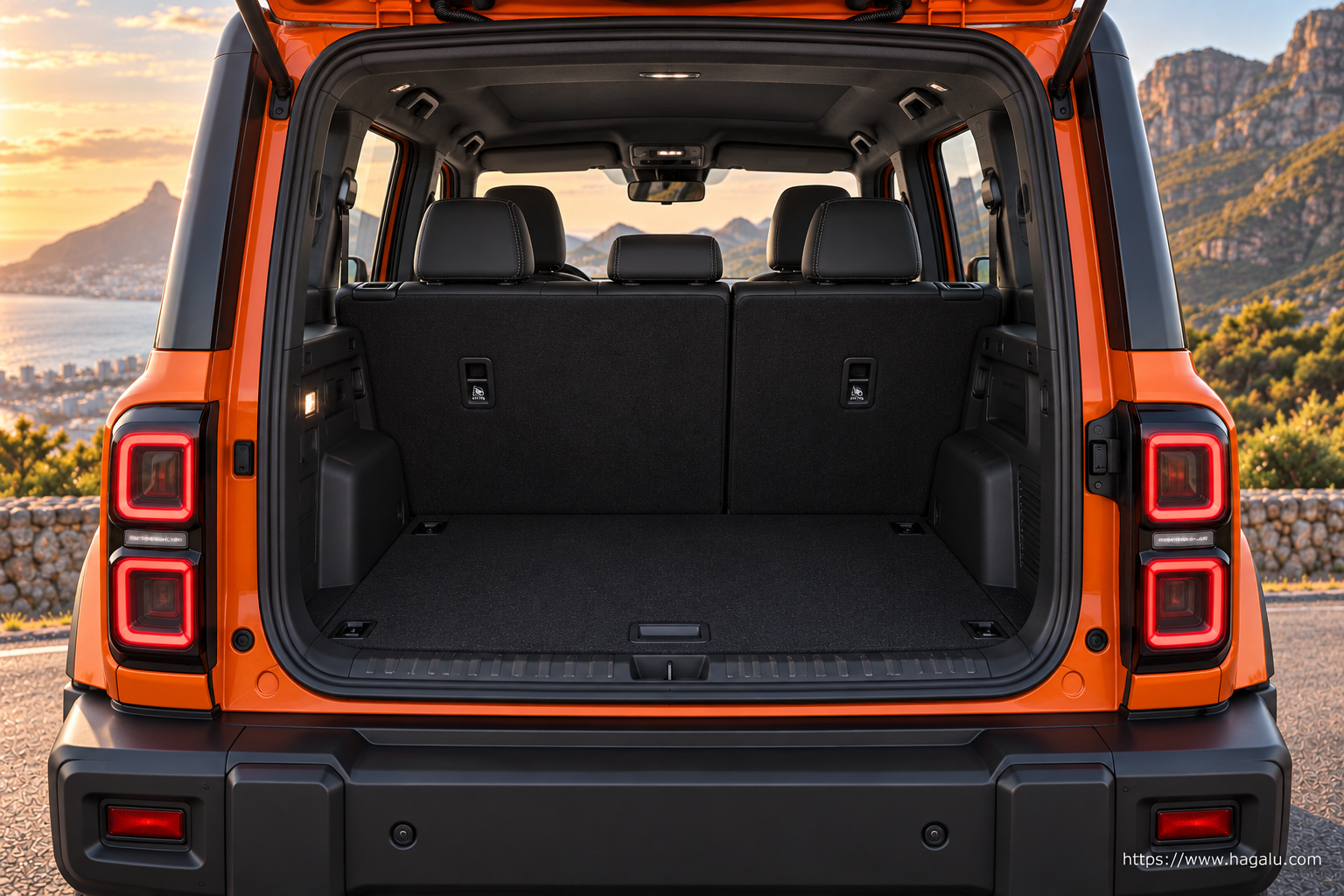
Boot/Cargo Space
474 l
372 L rear seats up; 994 L with rear seats folded
Kerb Weight
2055 kg
1550–1850 kg
Gross Vehicle Weight (GVW)
3100 kg
2085 kg
Payload Capacity
1045 kg
350–650 kg
Towing Capacity
3500 kg
-
Seating Capacity
5 seats
5 seats
Number of Rows
2 rows
2 rows
Doors
4 doors
5 doors
Minimum Turning Radius
12.9 m
5.9 m
Front Headroom
1024 mm
1020 mm
Rear Headroom
989 mm
990 mm
Front Legroom
1057 mm
1060 mm
Rear Legroom
879 mm
970 mm
Spec
Ranger Sport
V23
Front Track Width
1620 mm
-
Rear Track Width
1620 mm
-
Front Suspension
Independent double wishbone
McPherson Strut
Rear Suspension
Leaf spring
Multi-Link
Chassis Type
Ladder Frame
-
Chassis Material
Ladder Frame
-
Spec
Ranger Sport
V23
Load Bed Length
Not Applicable
-
Load Bed Width
Not Applicable
-
Climate Control
Dual-zone automatic climate control
Power air conditioner
Power Windows
Yes
Yes
Keyless Entry
Yes
Remote central locking; passive keyless access equipment-dependent
Push Button Start
Yes
Electronic engine start/stop or EV power-on control
Wireless Charging
No
-
Sunroof
No
-
Electric Tailgate
No
Powered tailgate optional on applicable hatch/SUV bodies
Automatic Headlamps
Standard
-
Rain Sensing Wipers
Yes
Automatic rain-sensing wipers optional or equipment-dependent
Not applicable to conventional BEV reduction drive
Differential Lock
No
-
Paddle Shifters
No
Not applicable — no conventional stepped gearbox
Final Drive Ratio
Not Applicable
-
Number of Gears
10
1
Transmission Type
Automatic
Single-Speed Reduction Gear
Clutch Type
Torque converter
Not applicable to conventional BEV reduction drive
Gear Shift Indicator
Yes
Not Applicable
Gear Shift Type
Automatic selector
Electric shift gear
Drivetrain
RWD
2WD
4WD Engagement
Not Applicable
Not applicable to conventional BEV reduction drive
4WD Hi Range
Not Applicable
Not applicable to conventional BEV reduction drive
4WD Lo Range
Not Applicable
Not applicable to conventional BEV reduction drive
4WD Selector
Not Applicable
Not applicable to conventional BEV reduction drive
Automatic Shift Paddles
Not Applicable
Not applicable — no conventional stepped gearbox
Differential Type Front
Not Available
-
Differential Type Rear
Not Available
-
Front Differential Lock
No
-
Gearbox Type
Automatic
Single-Speed Reduction Gear
Low Range Ratio
Not Applicable
Not applicable to conventional BEV reduction drive
Low Range
Not Applicable
Not applicable to conventional BEV reduction drive
Axle Layout
Rear driven axle
Electric drive axle(s); configuration depends on derivative
Rear Differential Lock
No
-
Transfer Case Guard
Not Available
-
Transmission Speeds
10
1
Spec
Ranger Sport
V23
Claimed Mileage
10.8 km/l
Not applicable — electric consumption measured in kWh/100 km km/l
City Mileage
8.7 km/l
Not applicable — electric consumption measured in kWh/100 km km/l
Highway Mileage
12.7 km/l
Not applicable — electric consumption measured in kWh/100 km km/l
Fuel Tank Capacity
80 l
Not applicable — battery electric vehicle
Emission Standard
Not Applicable
Zero tailpipe emissions (BEV)
AdBlue Tank Capacity
Not Applicable
Not applicable — battery electric vehicle
Auto Start Stop
Not Applicable
Not applicable — no combustion engine
Real-world Mileage
10.8 km/l
Not applicable — electric consumption measured in kWh/100 km km/l
Charging Port Type
Not Applicable
-
Charging Type
Not Applicable
AC and DC charging; V2L external discharge 3.3 kW
Fuel Tank Litres
80
Not applicable — battery electric vehicle
Combined Driving Range
Not Applicable
360 km
Electric Consumption
Not Applicable
20 kWh/100 km
Range Real World Highway
Not Applicable
341 km
Range Real World Mixed
Not Applicable
401 km
Spec
Ranger Sport
V23
Airbags
Dual front, front side, curtain and driver knee
Dual front, front side and side curtain airbags
ABS
Yes
Yes
Electronic Stability Control
Yes
Yes
Traction Control
Yes
Yes
Hill Descent Control
Not Available
Yes
Hill Start Assist
Yes
Yes
Child Safety Lock
Yes
-
ISOFIX Mounts
Yes
Yes
Brake Assist
Yes
Yes
Tyre Pressure Monitor
Not Available
Direct tyre pressure monitoring
Engine Immobiliser
Yes
Body anti-theft alarm and anti-theft horn
Alarm System
Perimeter alarm
-
Central Locking
Power door dead locks
-
Seatbelt Warning All Seats
Yes
Driver and front passenger seatbelt reminders
Front Parking Sensors
Yes
-
AEB
Yes
Not fitted to 2WD local sheet
BA
Not Available
Yes
Brake Override System
Yes
Yes
Curtain Airbags
Standard
Yes
Driver Airbag
Yes
Yes
EBD
Yes
Yes
Engine Immobiliser
Yes
-
Hill Hold
Yes
Yes
Passenger Airbag
Yes
Yes
Rear Cross Traffic Alert
Not Available
-
Seatbelt Pretensioners
Yes
Front pretensioner seat belts
Seatbelt Reminder
Yes
Yes
Side Airbags
Standard
Yes
Stability Control
Yes
Yes
TCS
Yes
Yes
Knee Airbag
Driver knee
-
ABS EBD
Yes
Yes
Anti Theft Alarm
Perimeter alarm
-
Height Adjustable Seatbelts
Standard
-
Tracking System
Vehicle locator via app
-
Spec
Ranger Sport
V23
Cruise Control
Standard
Cruise control
Adaptive Cruise Control
Not Available
Not fitted to 2WD local sheet
Lane Keep Assist
Yes
Not fitted to 2WD local sheet
Lane Departure Warning
Yes
Not fitted to 2WD local sheet
Blind Spot Monitoring
Not Available
Not fitted to 2WD local sheet
Rear Cross Traffic Alert
Not Available
-
Parking Sensors
Front and rear
-
Rear View Camera
Yes
Reverse camera
360 Degree Camera
Not Available
Not fitted to 2WD local sheet
Autonomous Emergency Braking
Yes
Not fitted to 2WD local sheet
Driver Fatigue Alert
Yes
-
Traffic Sign Recognition
Not Available
-
Auto Highbeam
Yes
Automatic highbeam control
Auto Wipers
Yes
Auto speed-sensing front wiper
EV Mode
Not Available
-
Rear Parking Sensors
Yes
-
Reverse Camera
Yes
Reverse camera
Adaptive Cruise Control
Not Available
Not fitted to 2WD local sheet
Park Assist
Not Available
-
Around View Monitor
Not Available
Not fitted to 2WD local sheet
Blind Spot Warning
Not Available
Not fitted to 2WD local sheet
Forward Collision Warning
Yes
Not fitted to 2WD local sheet
Spec
Ranger Sport
V23
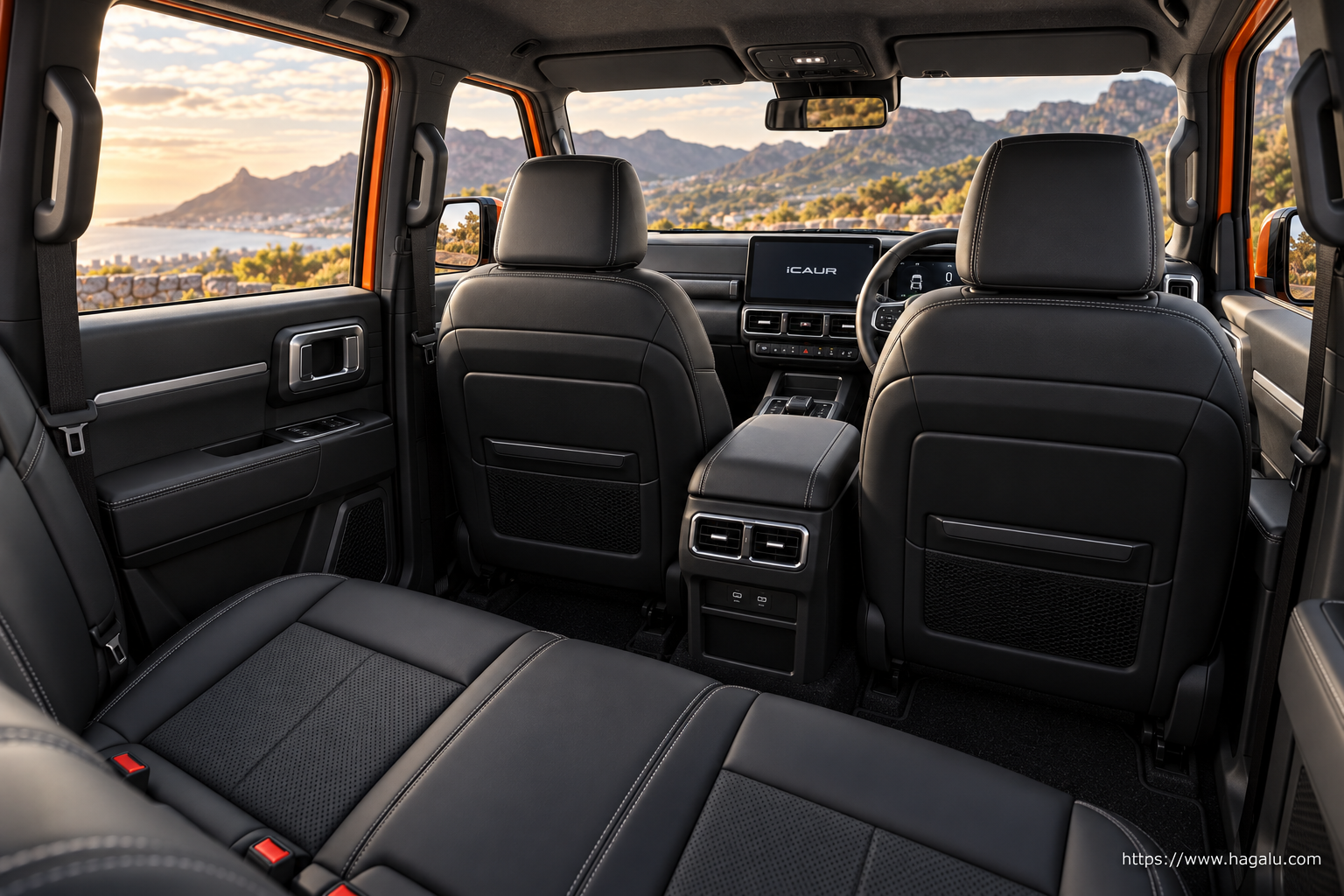
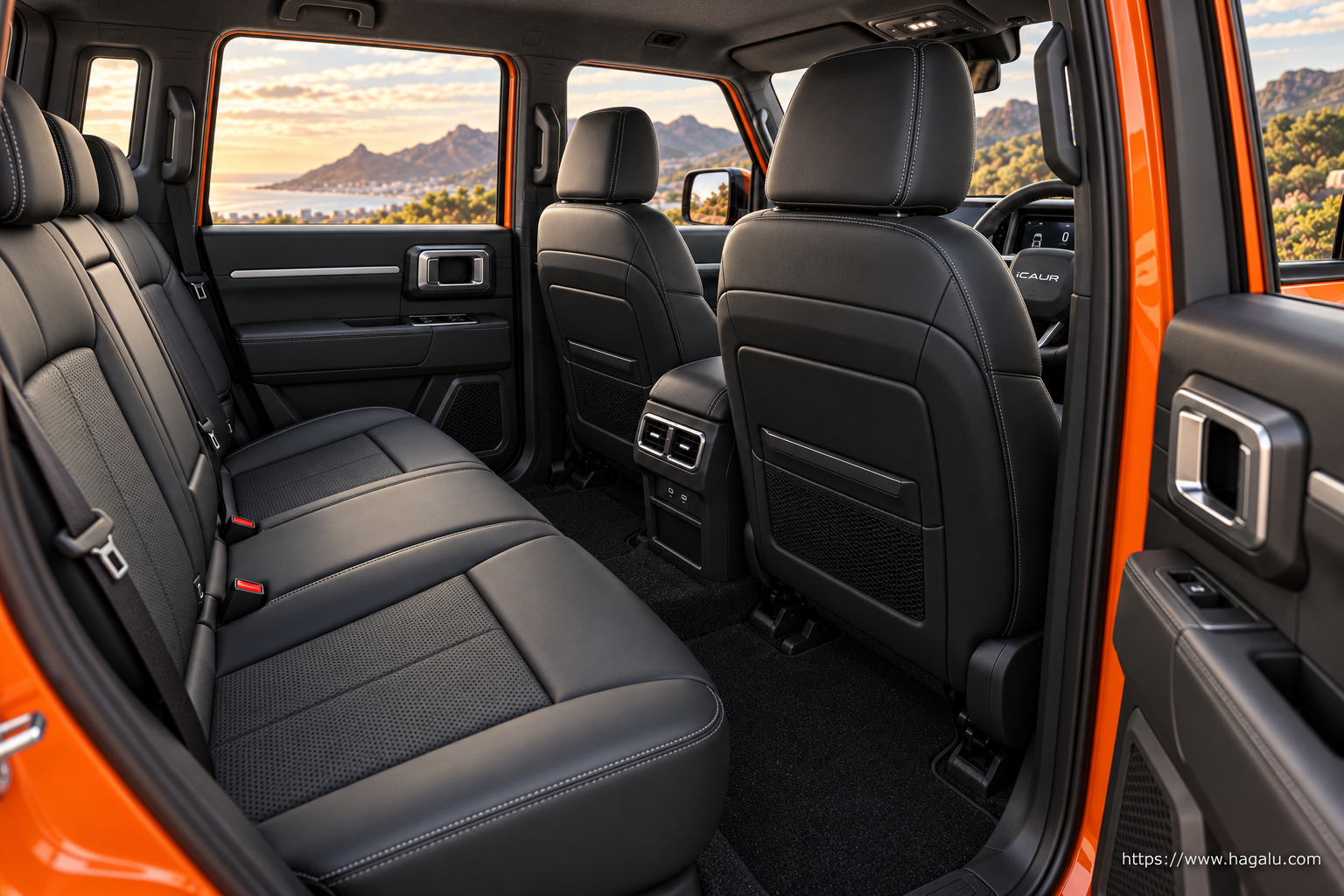
Seat Material
Premium fabric upholstery
Leather seats
Heated Seats
No
Not fitted to 2WD local sheet
Ventilated Seats
No
Yes
Ambient Lighting
No
Interior reading and ambient equipment as listed on sheet
Front Armrest
Centre console
-
Front Shoulder Room
1450 mm
-
Rear Shoulder Room
1440 mm
-
Cup Holders
Standard
-
Steering Wheel Material
Leather
Leather steering wheel
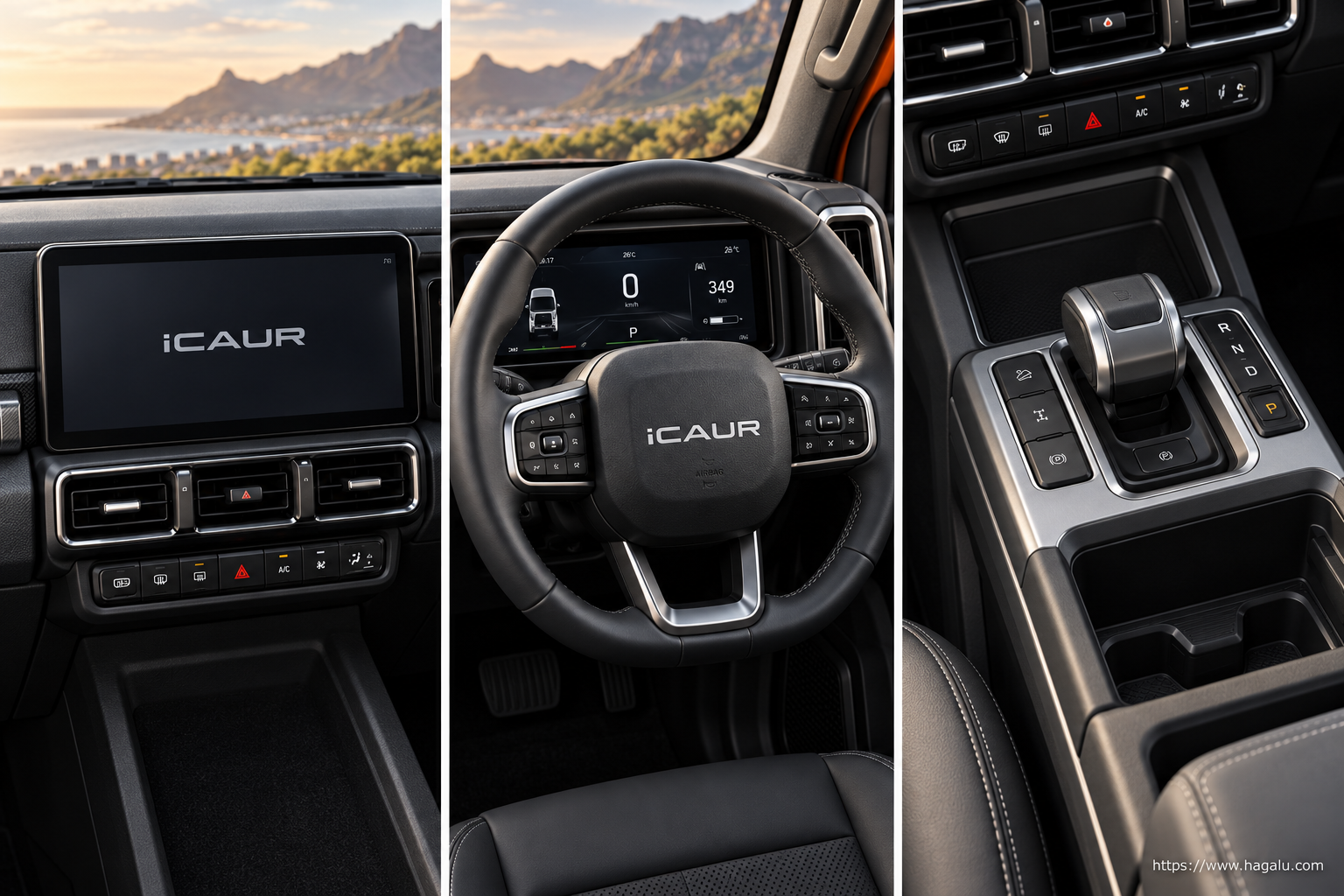
Instrument Cluster Type
Digital instrument cluster
-
Interior Colour Options
3
-
Door Map Pockets
Underseat stowage
-
60 40 Split Seat
Yes
Foldable second-row seats
Driver Seat Adjustment
Manual adjustment
6-way power adjustment
Passenger Seat Adjustment
Manual adjustment
4-way power adjustment
Interior Courtesy Lamps
Cabin trim, seating material, screen layout and driver-assistance equipment vary by derivative. Compare the chosen Ranger Sport grade before assuming a feature is included.
-
Floor Trim
Carpet
-
Floor Mats
Carpet
-
Interior Colours
3
-
Seat Trim
Premium fabric upholstery
Leather
Spec
Ranger Sport
V23
Infotainment System
SYNC 4 infotainment system
15.4 in touchscreen infotainment
Apple CarPlay
Wireless Apple CarPlay
Wireless Apple CarPlay
Android Auto
Wireless Android Auto
Wireless Android Auto
Bluetooth Connectivity
Yes
Yes
Number of Speakers
6
7
Digital Instrument Cluster
8-inch digital instrument display
-
USB Ports
USB-A and USB-C
2 USB Type-C front-row ports; 1 front-row USB on 2WD
Wireless Apple CarPlay
Wireless Apple CarPlay
Wireless Apple CarPlay
Wireless Android Auto
Wireless Android Auto
Wireless Android Auto
FM Radio
Standard
-
Steering Wheel Audio Controls
Standard
-
Infotainment Screen Size
10.1
15.4 in
Audio Controls On Steering
Standard
-
Audio
AM/FM stereo
-
Audio Speakers
6
7
Front Rear USB Charge Ports
USB-A and USB-C
-
Infotainment Screen
10.1
15.4 in
Multi Information Display
Digital display
-
Connected Services
Ford app connectivity
-
Smartphone Connectivity
Bluetooth
-
Radio
AM/FM
-
Touchscreen
10.1
15.4 in
Spec
Ranger Sport
V23
LED Headlamps
Yes
Yes
Daytime Running Lamps
LED daytime running lights
LED daytime running lights
Fog Lamps
Yes
-
Roof Rails
No
Body style and optional package dependent; not confirmed for this exact derivative
Alloy Wheel Design
18″ Alloy
-
Exterior Colour Options
Multiple Ford South Africa factory exterior colours
Vehicle warranty 8 years/200,000 km; high-voltage battery warranty 8 years/160,000 km in official South African press material.
Warranty Kilometers
4 years / 120 000 km
Vehicle warranty 8 years/200,000 km; high-voltage battery warranty 8 years/160,000 km in official South African press material.
Roadside Assistance
4 years / unlimited km
-
Anti-Corrosion Warranty
5 years / unlimited km
-
Basic Warranty
4 years / 120 000 km
Vehicle warranty 8 years/200,000 km; high-voltage battery warranty 8 years/160,000 km in official South African press material.
Roadside Assistance
4 years / unlimited km
-
Warranty
4 years / 120 000 km
Vehicle warranty 8 years/200,000 km; high-voltage battery warranty 8 years/160,000 km in official South African press material.
Warranty Roadside Assistance
4 years / unlimited km
-
Spec
Ranger Sport
V23
CO2 Emissions
Not Applicable
Not applicable — battery electric vehicle
Hybrid System Type
Not Available
-
Fuel Octane Requirement
Petrol
-
Particulate Filter
Not Available
-
Spec
Ranger Sport
V23
Service Plan
Not Available
5 years/100,000 km service plan in the official South African press material; confirm final booklet.
Spec
Ranger Sport
V23
Ownership Role
Top
Current local retail price; confirm quotation inclusions, warranty and service plan with iCAUR South Africa.
Price Zar
839600 ZAR
519900 ZAR
Pricing Role
Current listed price
Current South African retail price
Starting Price
839600
519900
Starting Price Zar
839600
519900
In depth: how these cars differ
This Ranger Sport and V23 comparison uses the exact derivatives selected above for South Africa. The catalogue index covers performance, efficiency, safety equipment, practicality and ownership cover only where comparable source-backed fields are present.
Performance index: Ranger Sport 85 vs V23 42.
Efficiency index: Ranger Sport 46 vs V23 99.
Safety-equipment index: Ranger Sport 92 vs V23 93.
Practicality index: Ranger Sport 85 vs V23 60.
Ownership-cover index: Ranger Sport not separately scored vs V23 not separately scored.
These figures are Hagalu catalogue-comparison indicators, not customer ratings, crash-test scores, resale guarantees or a substitute for a road test. Each page shows its weighted source coverage beside the result.
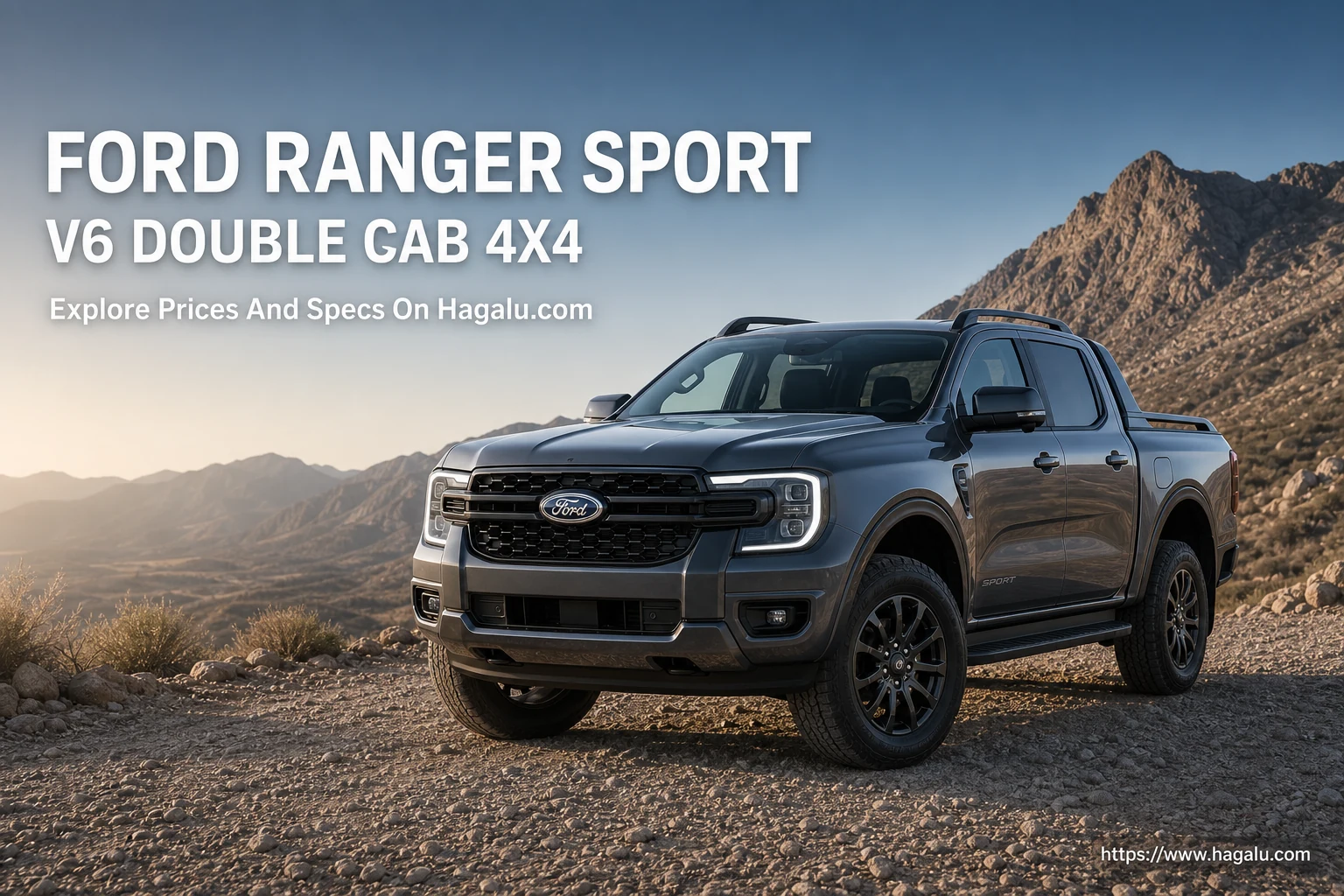
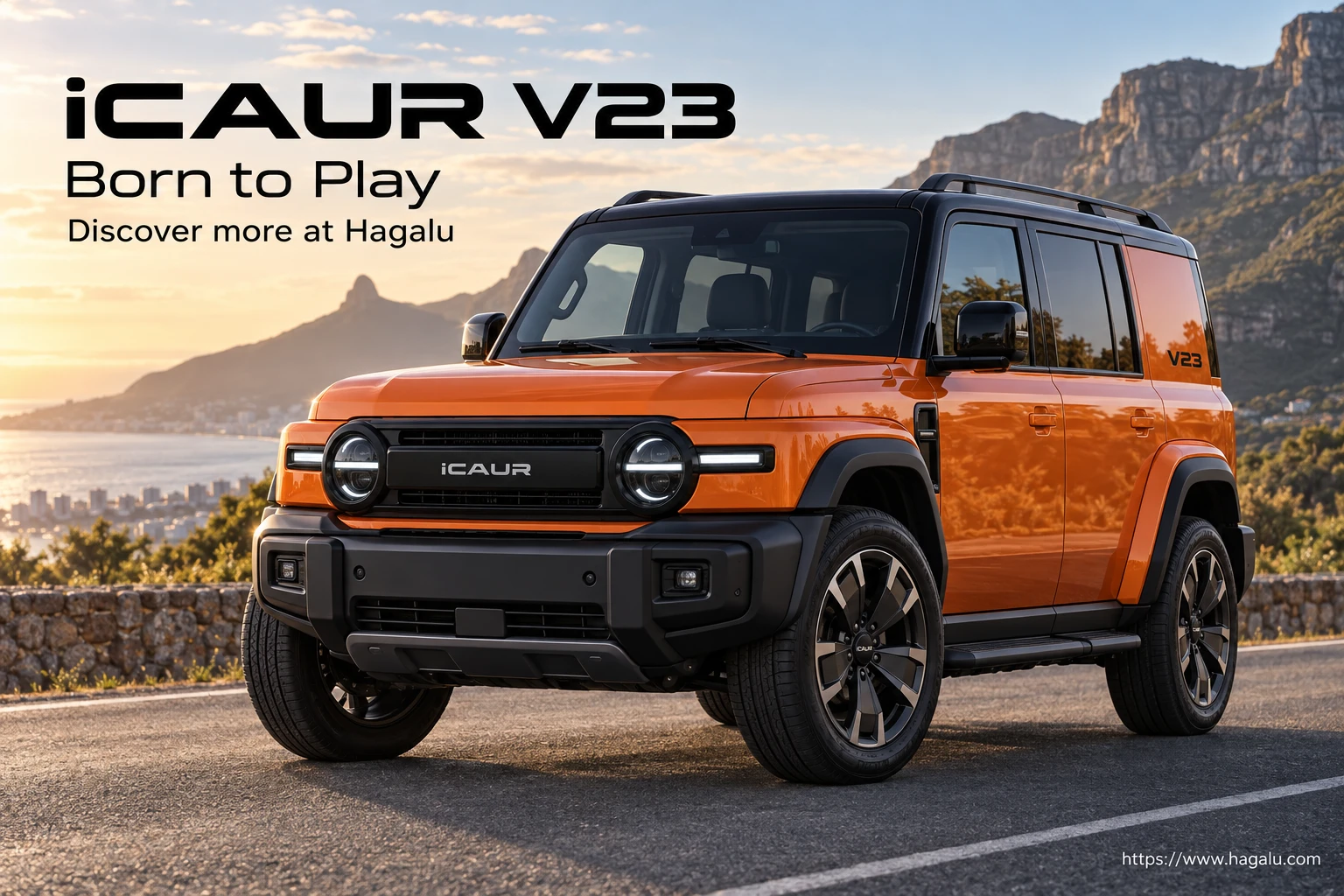
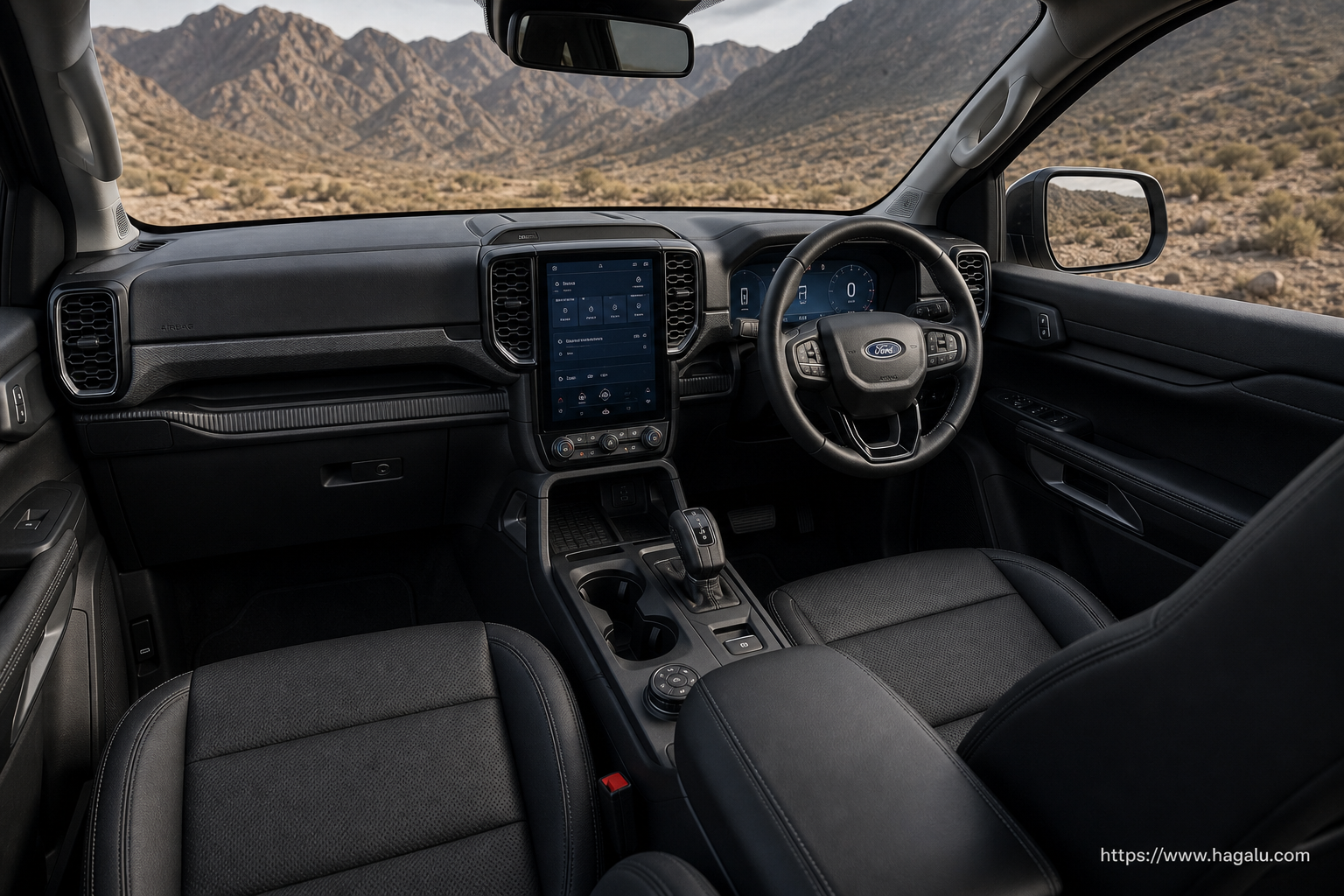
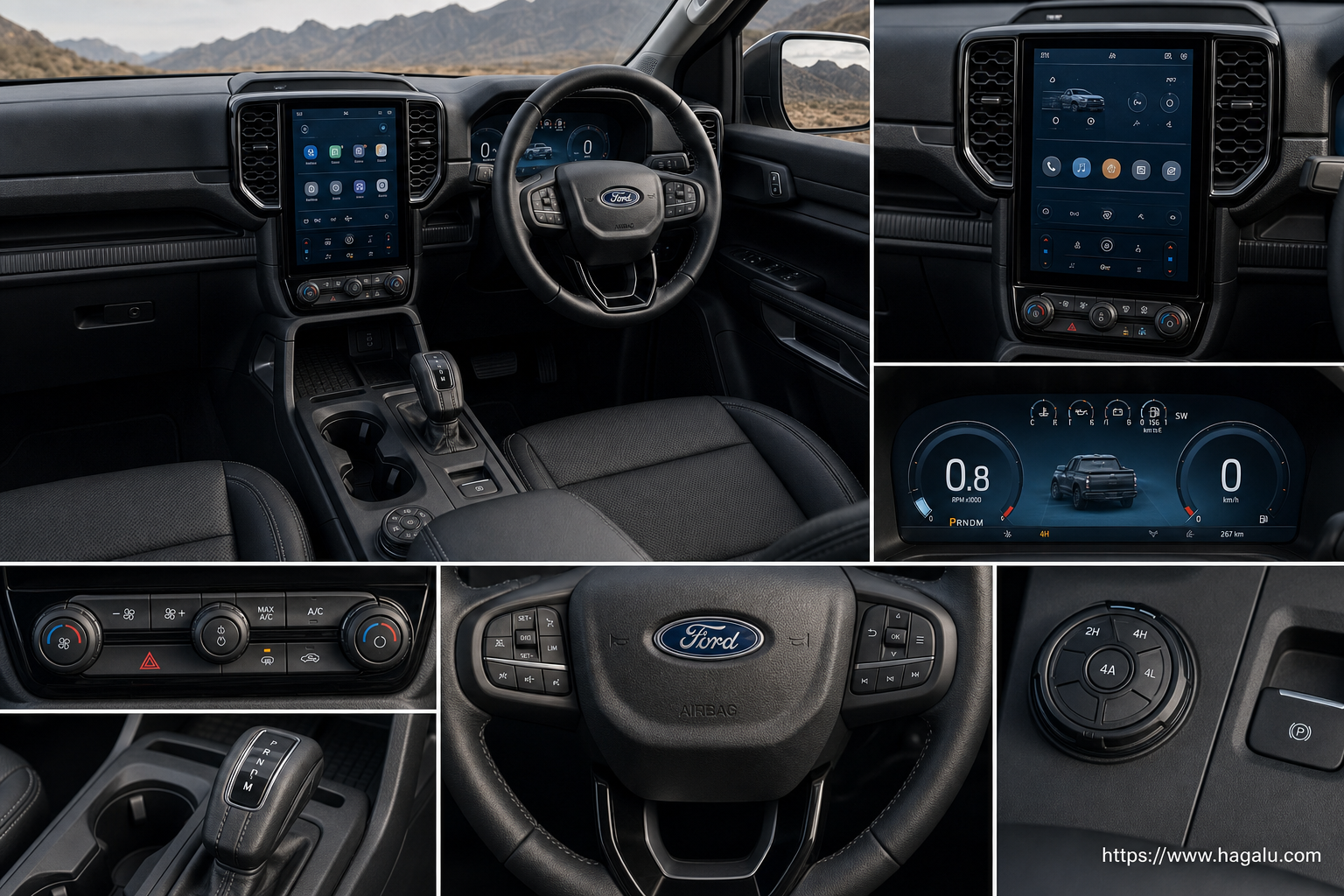
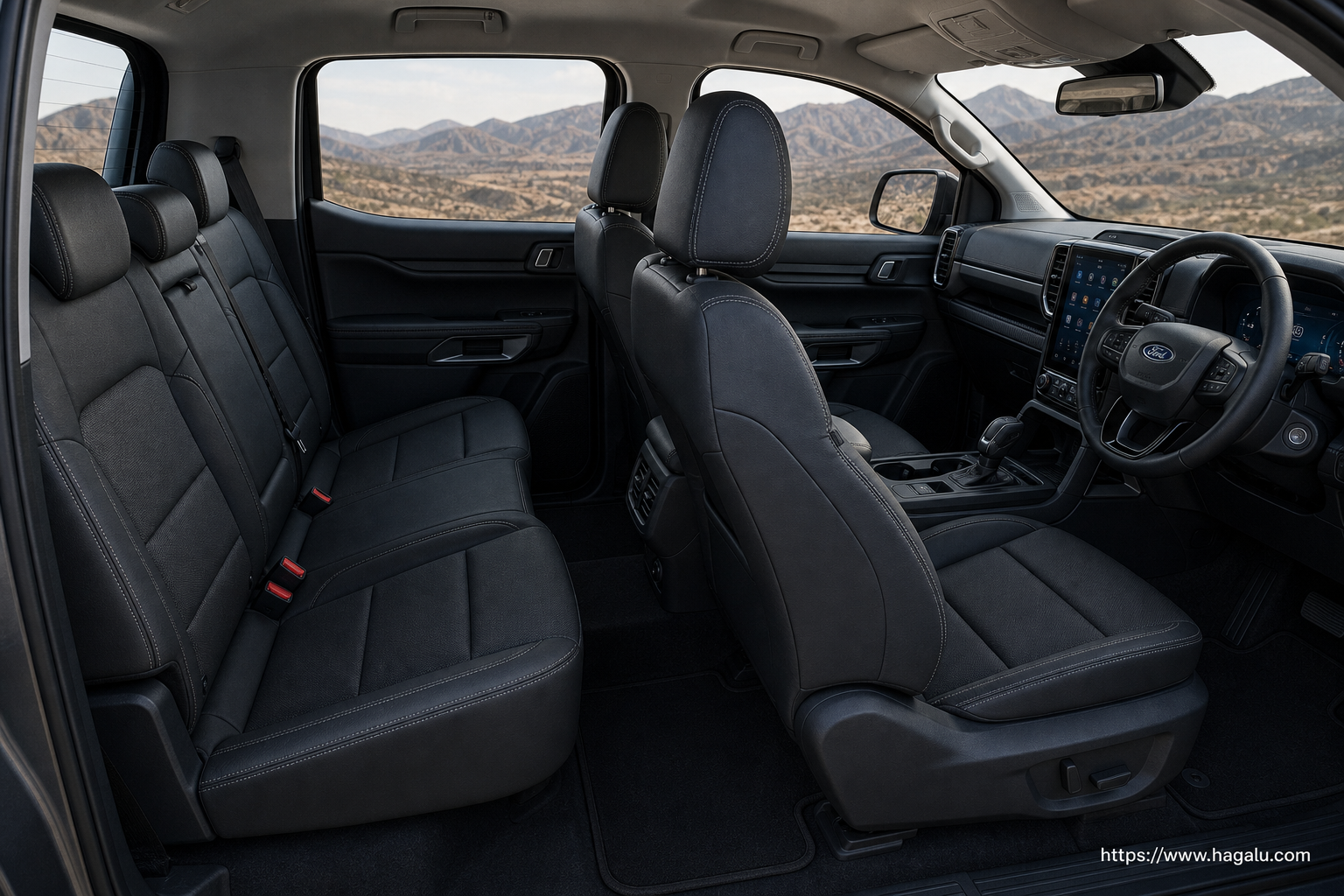
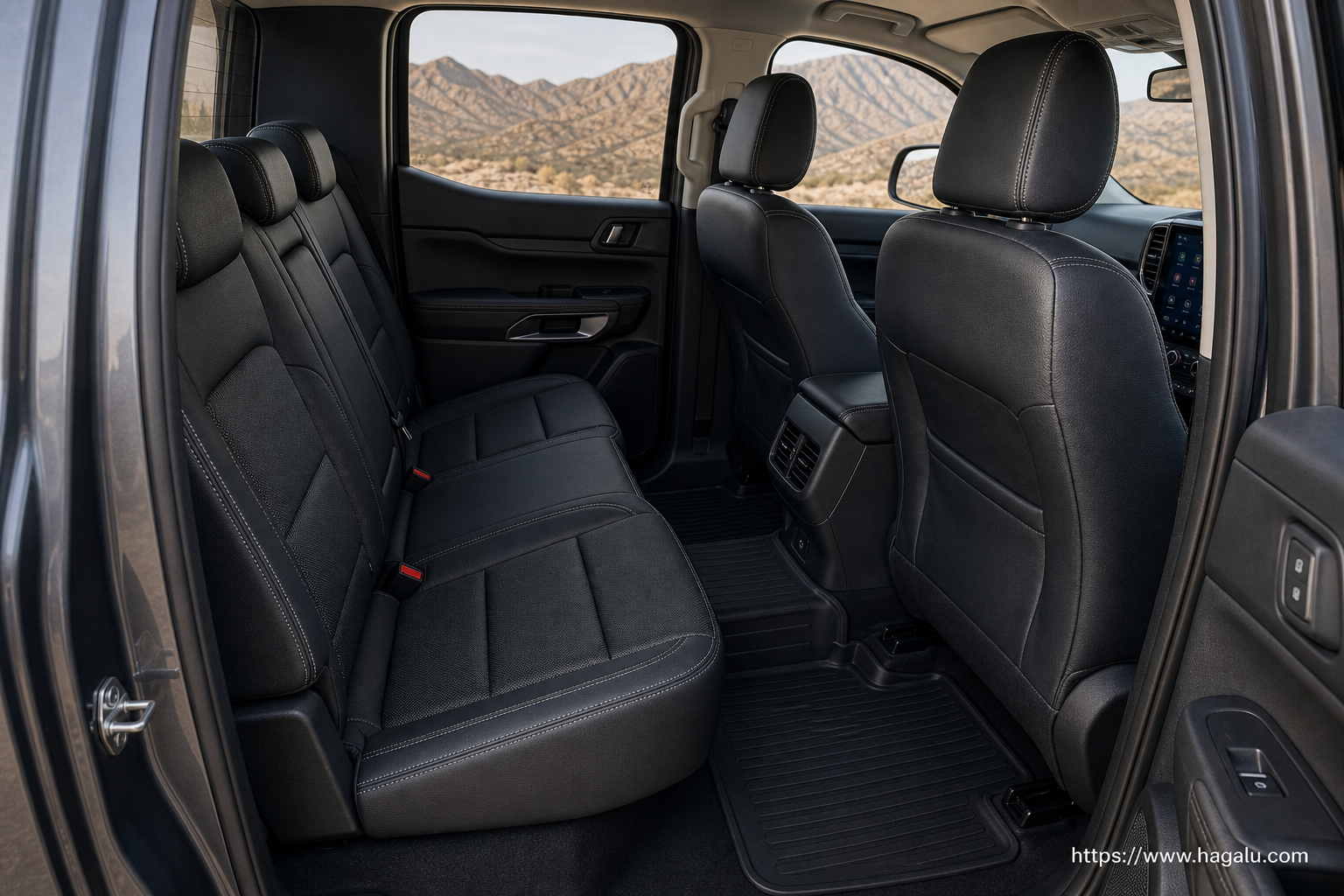
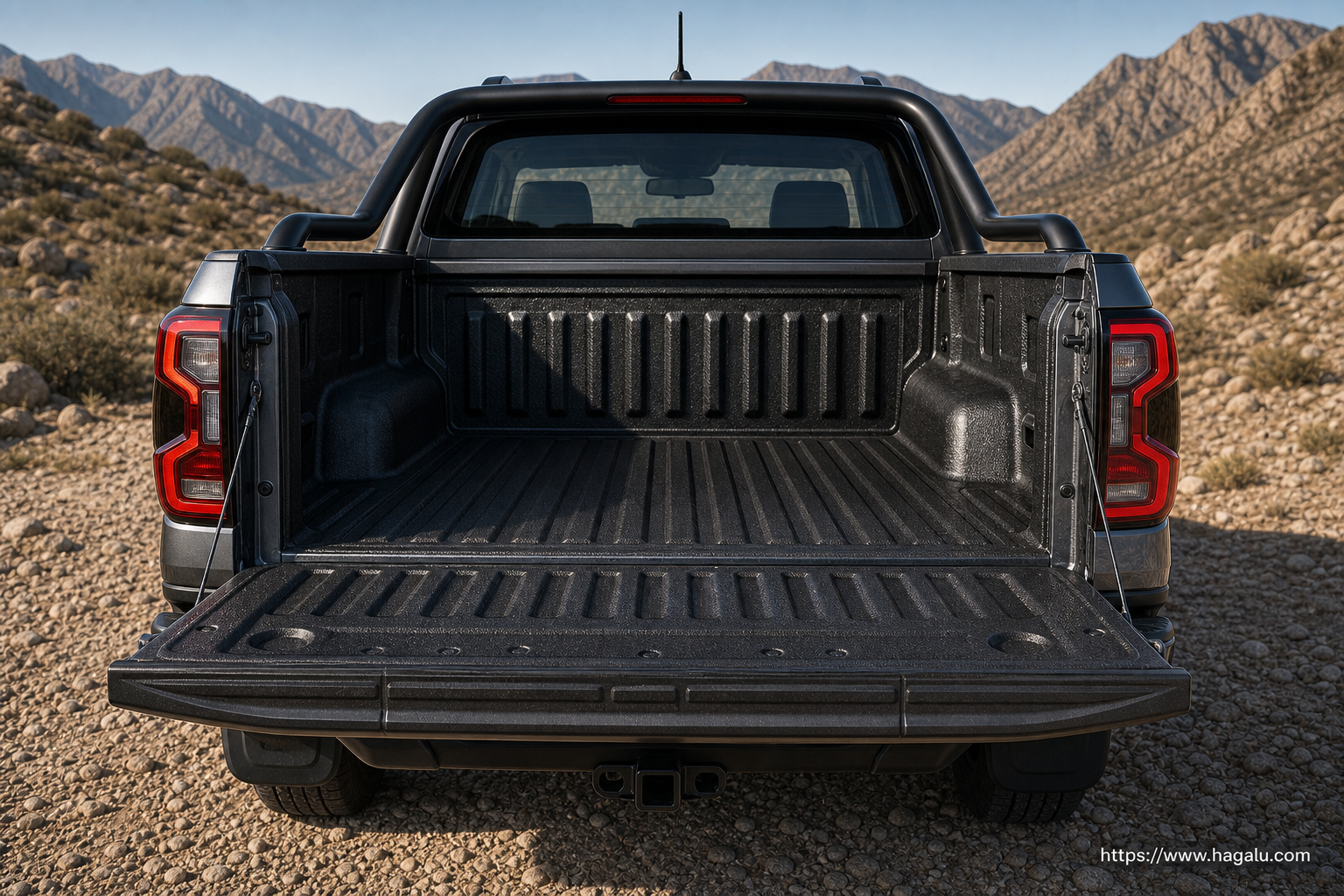
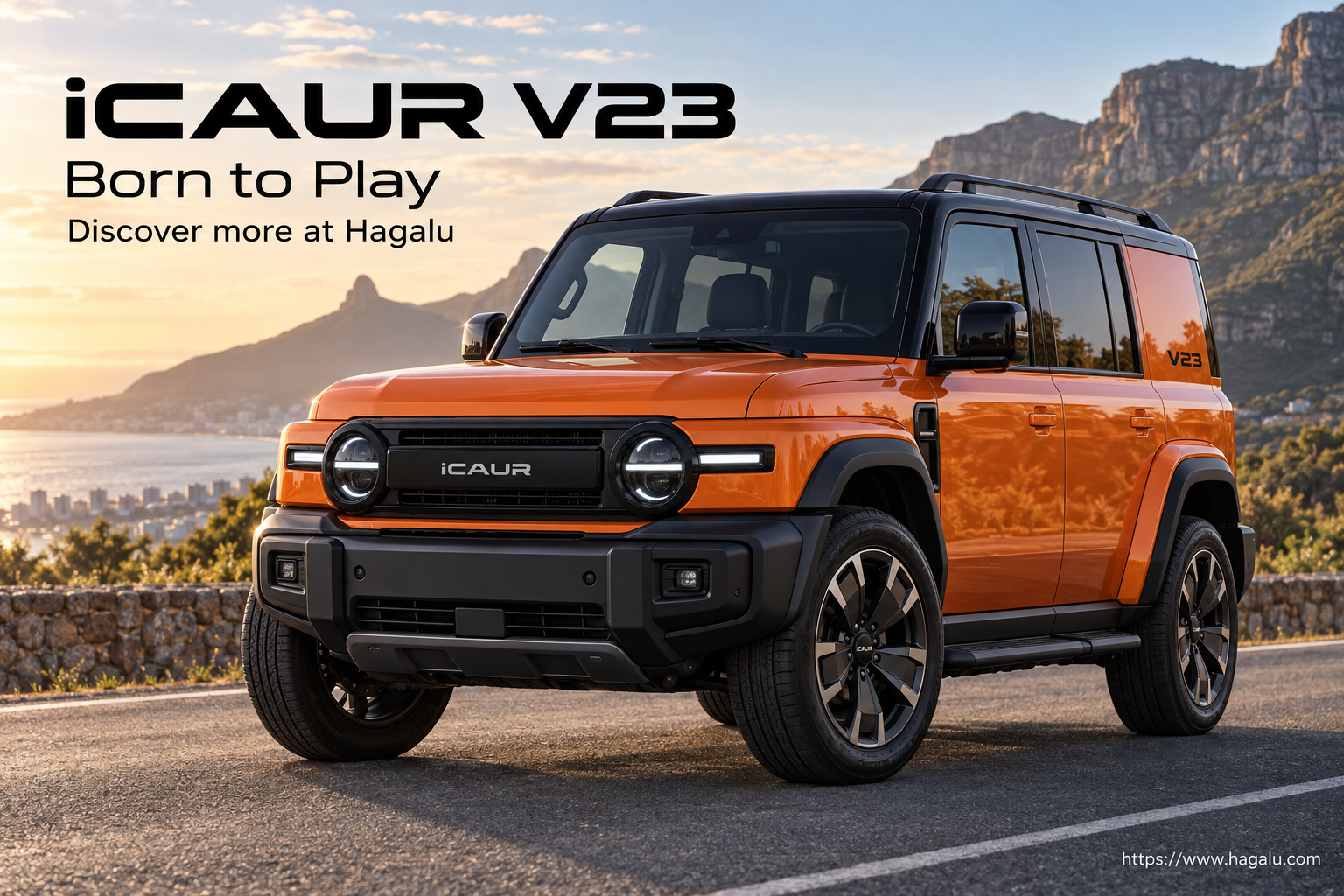
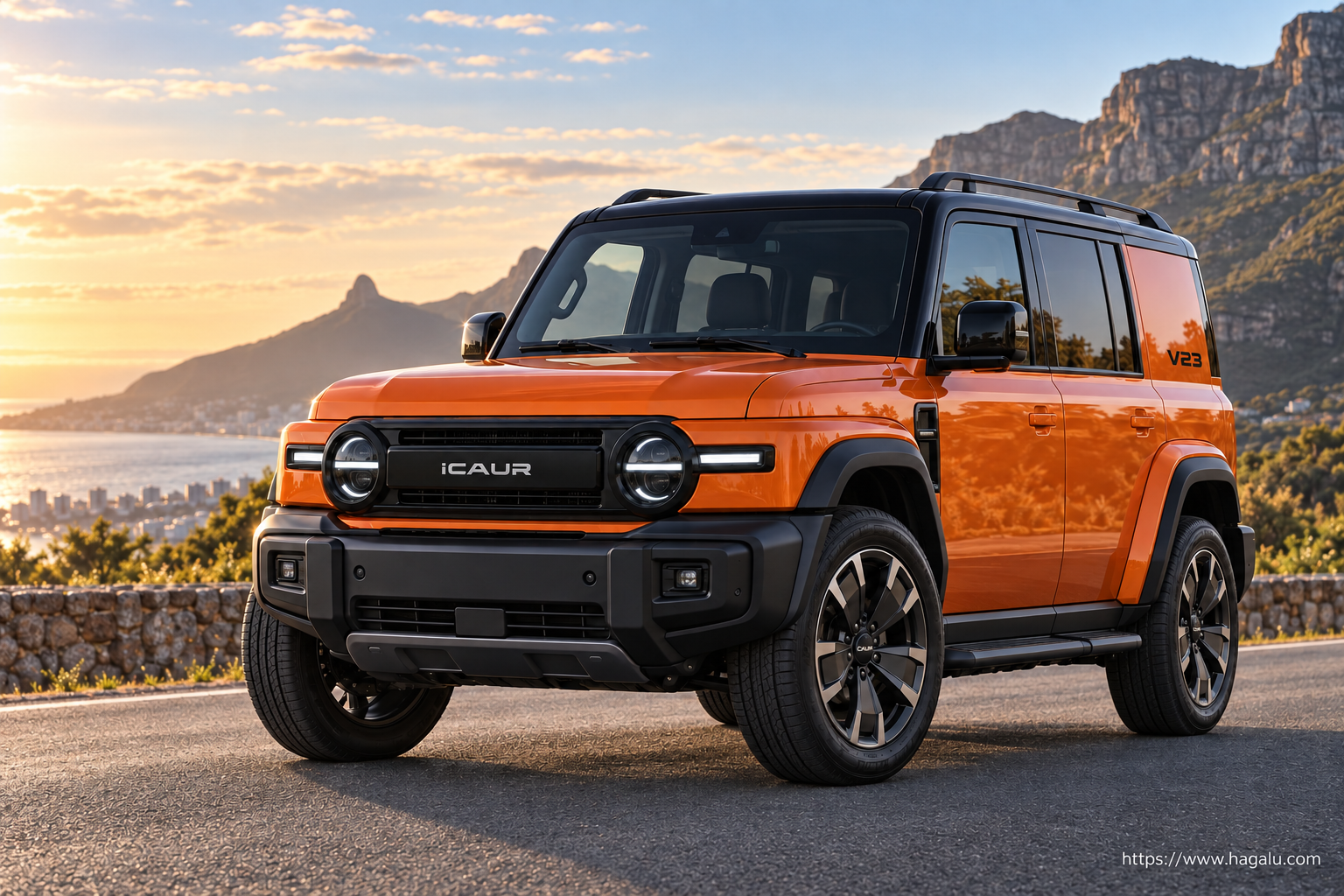
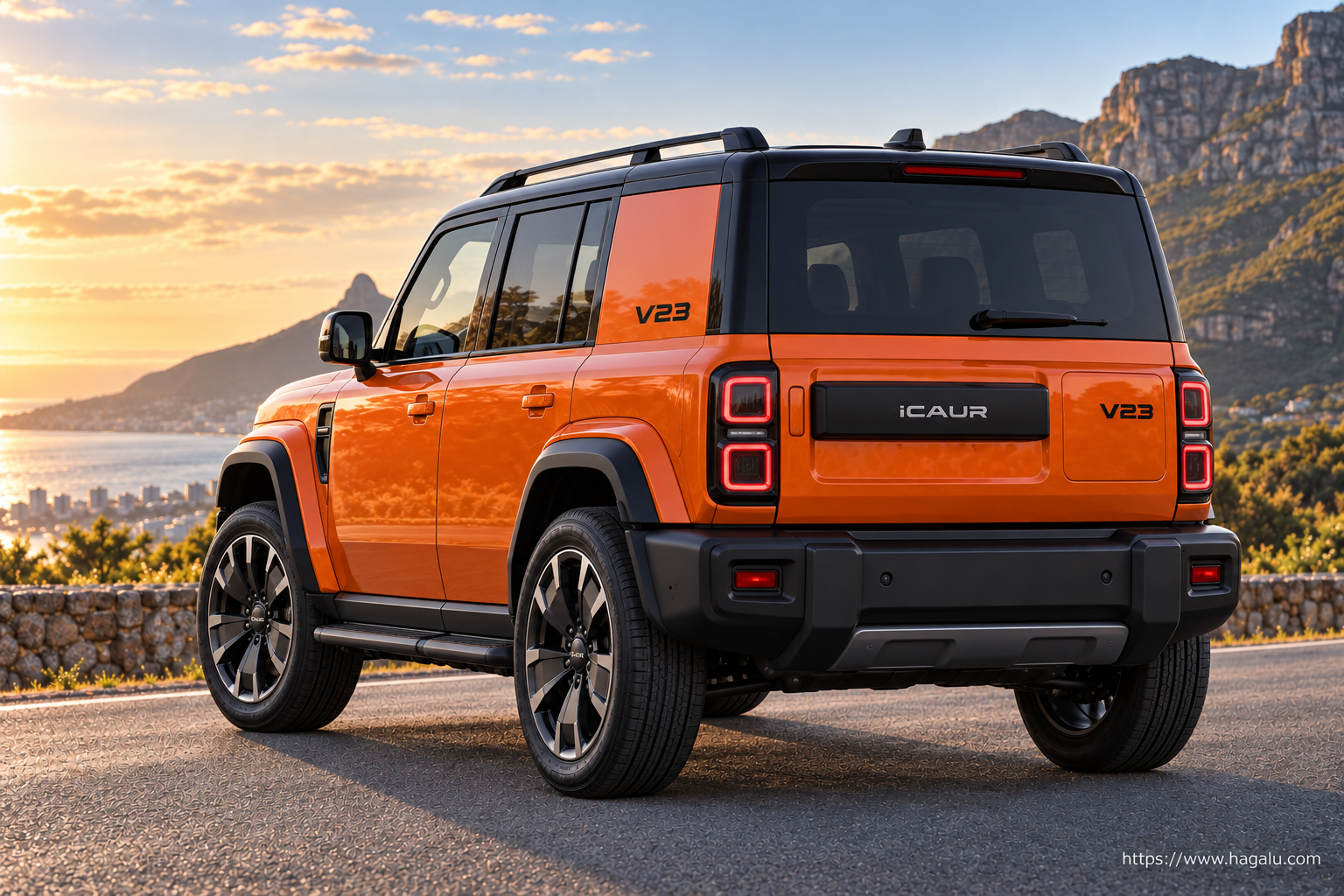
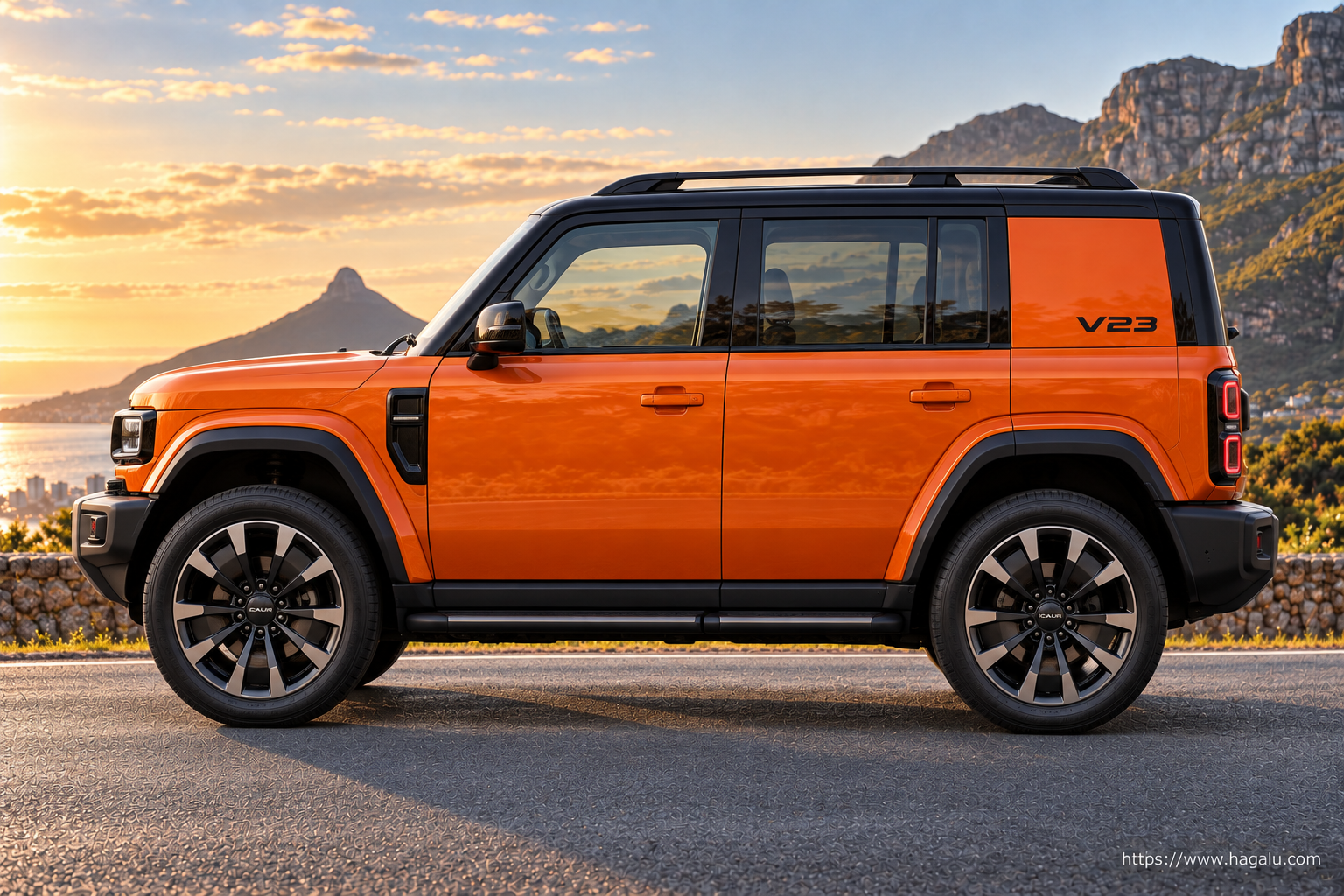
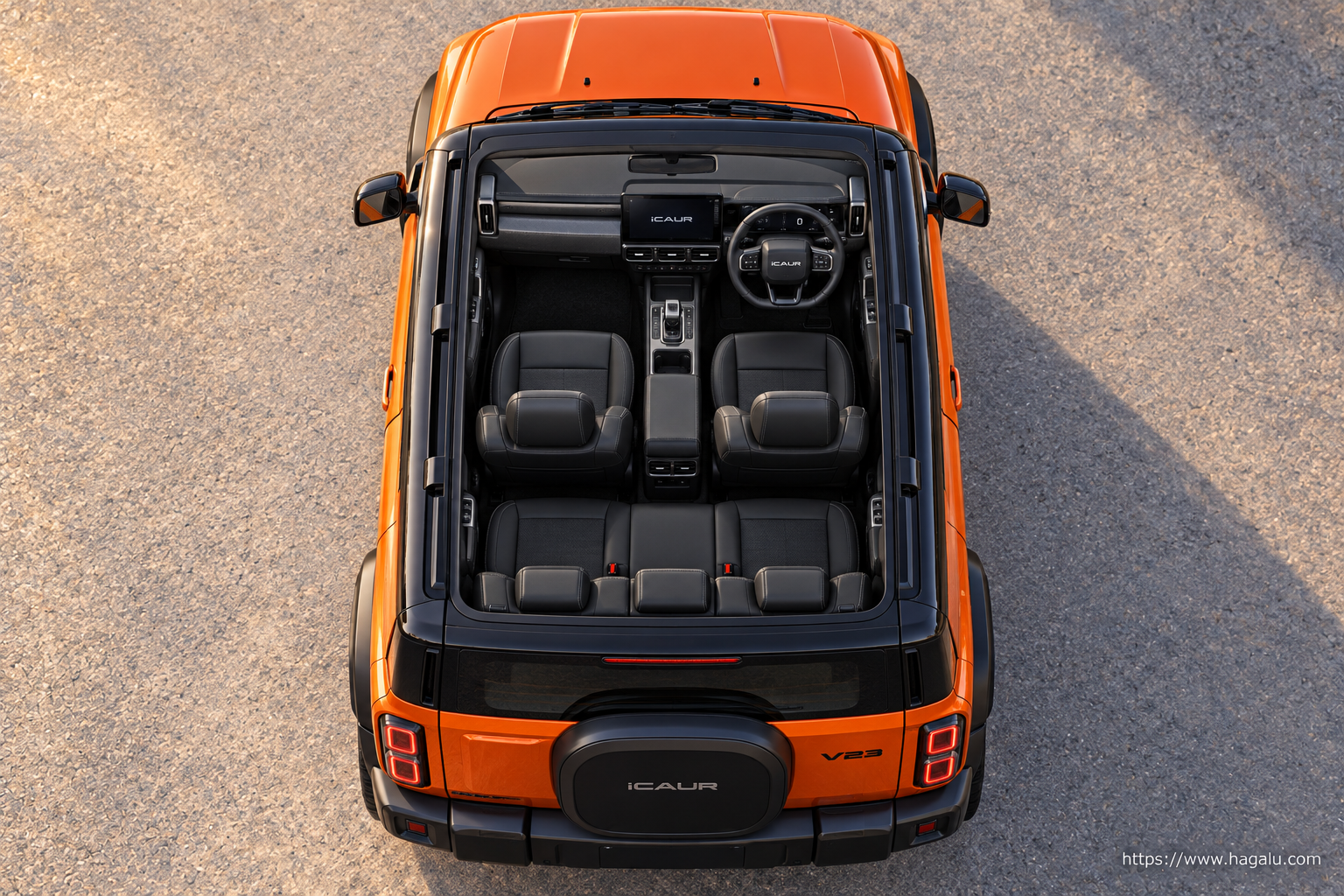
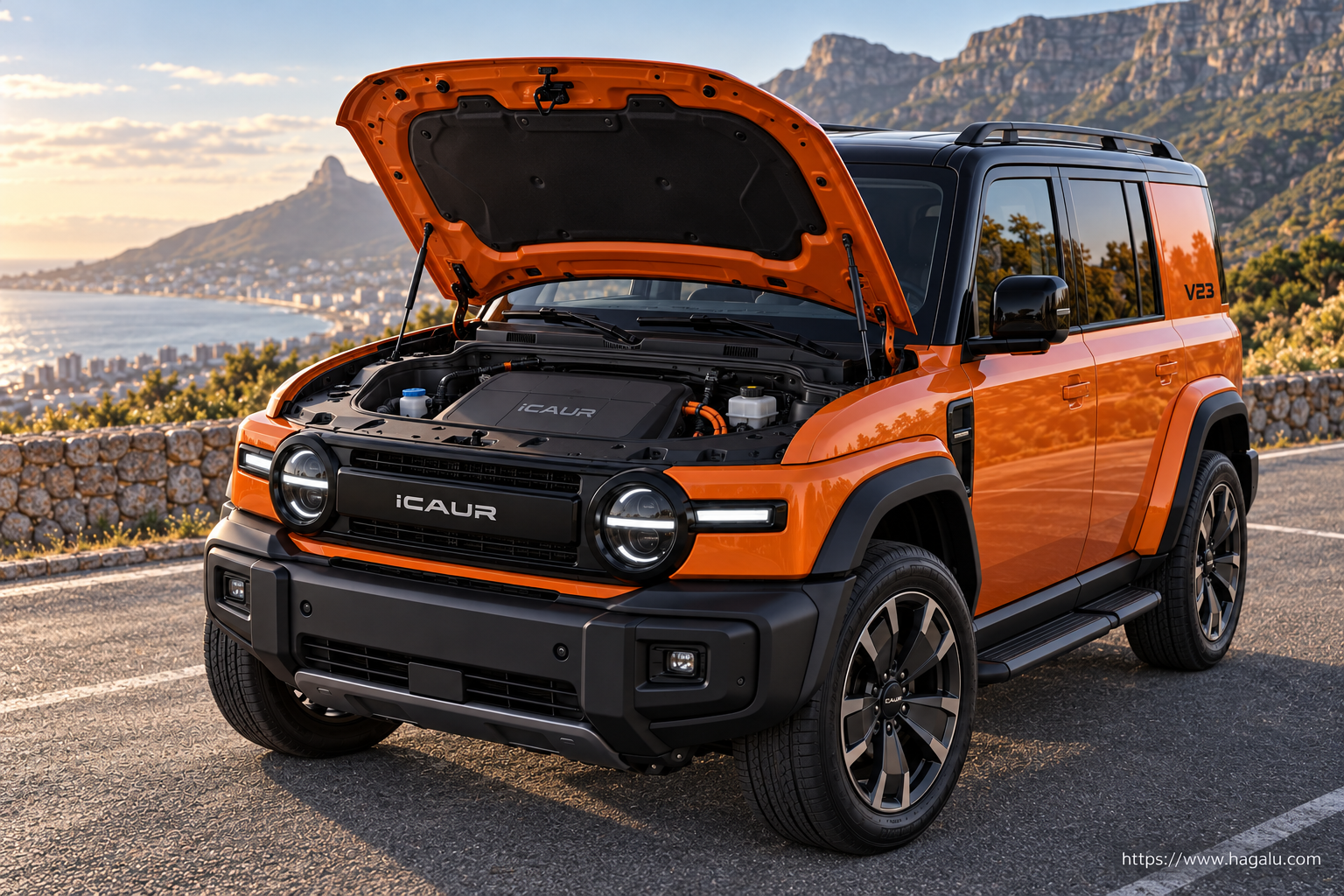
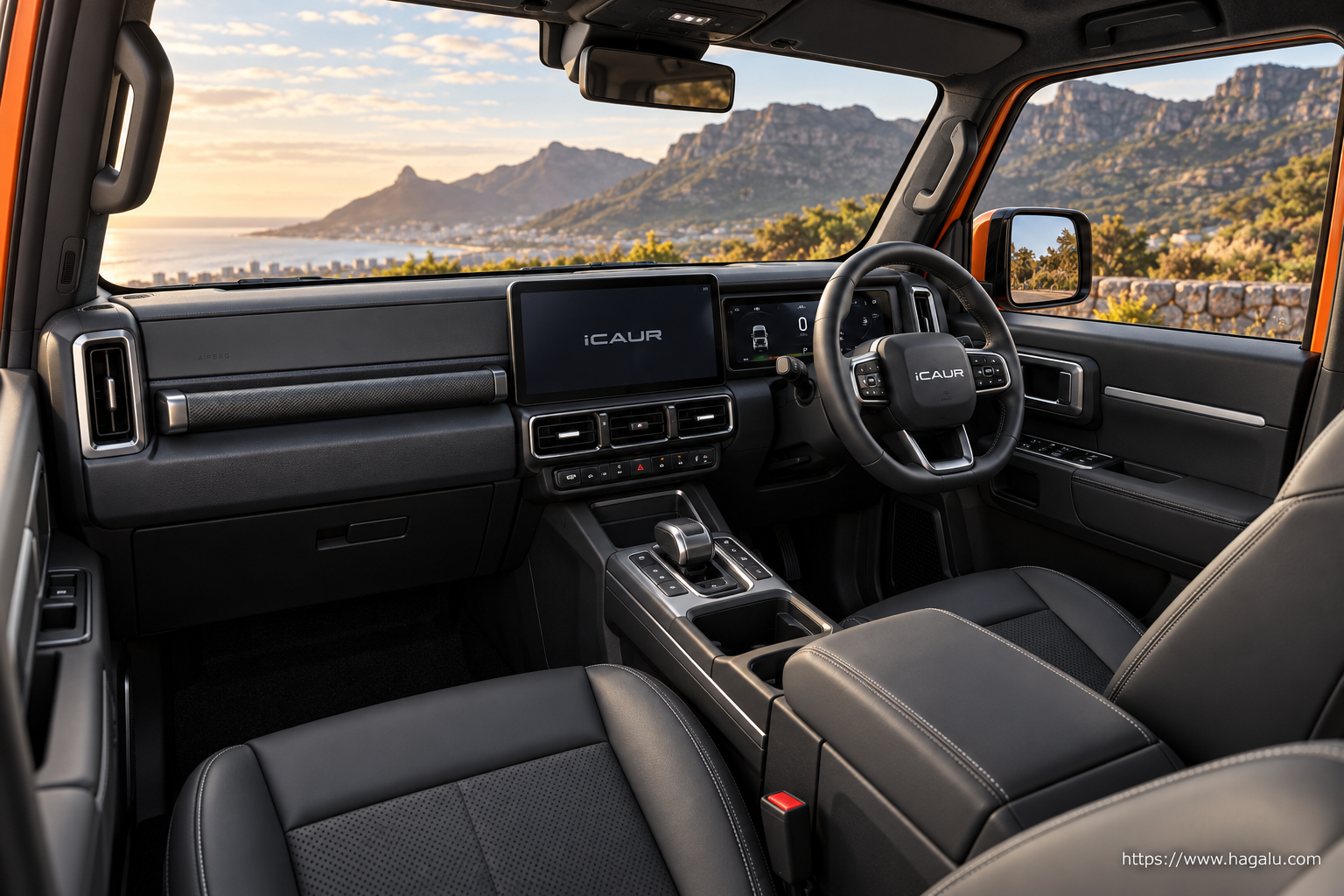
Model imagery
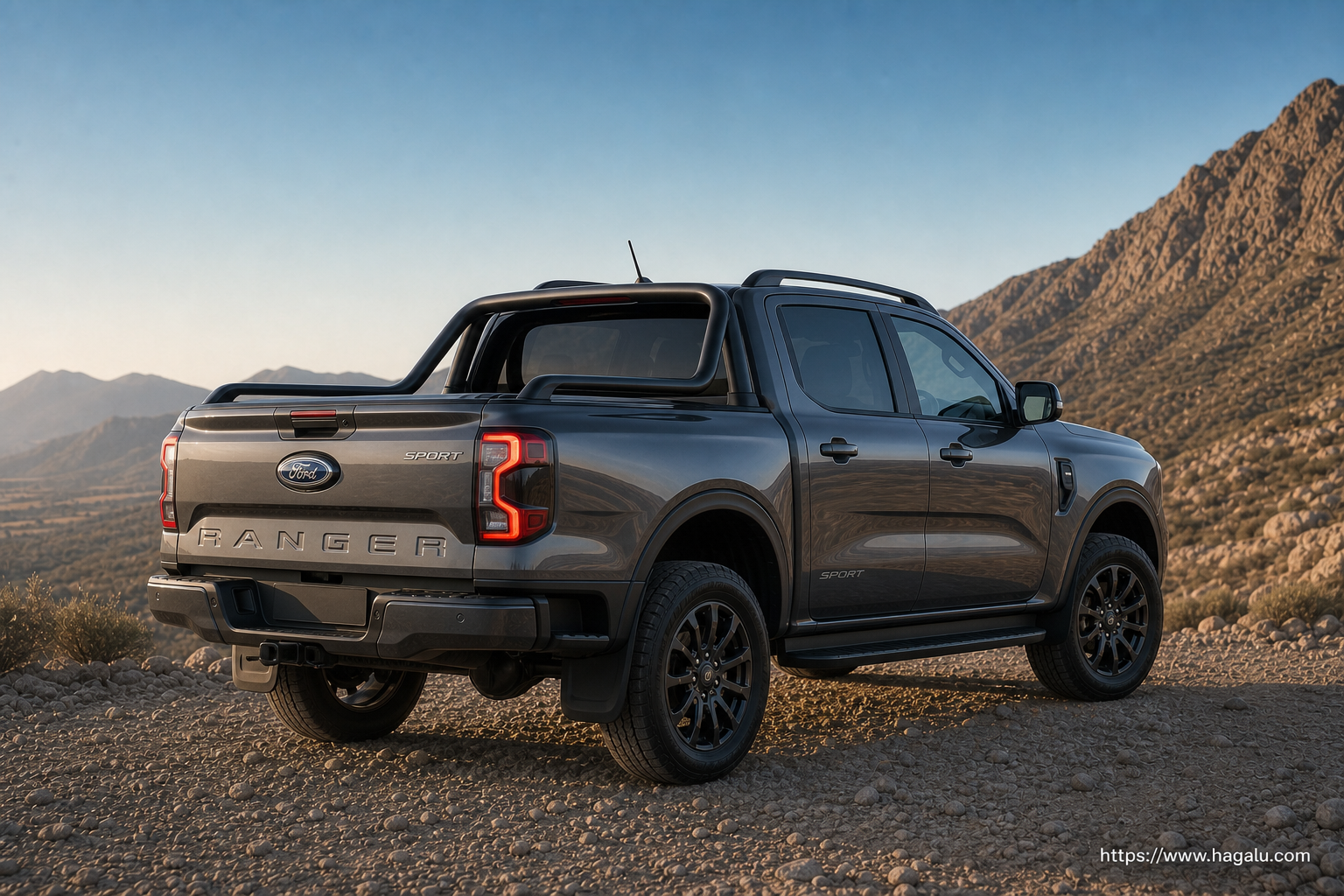
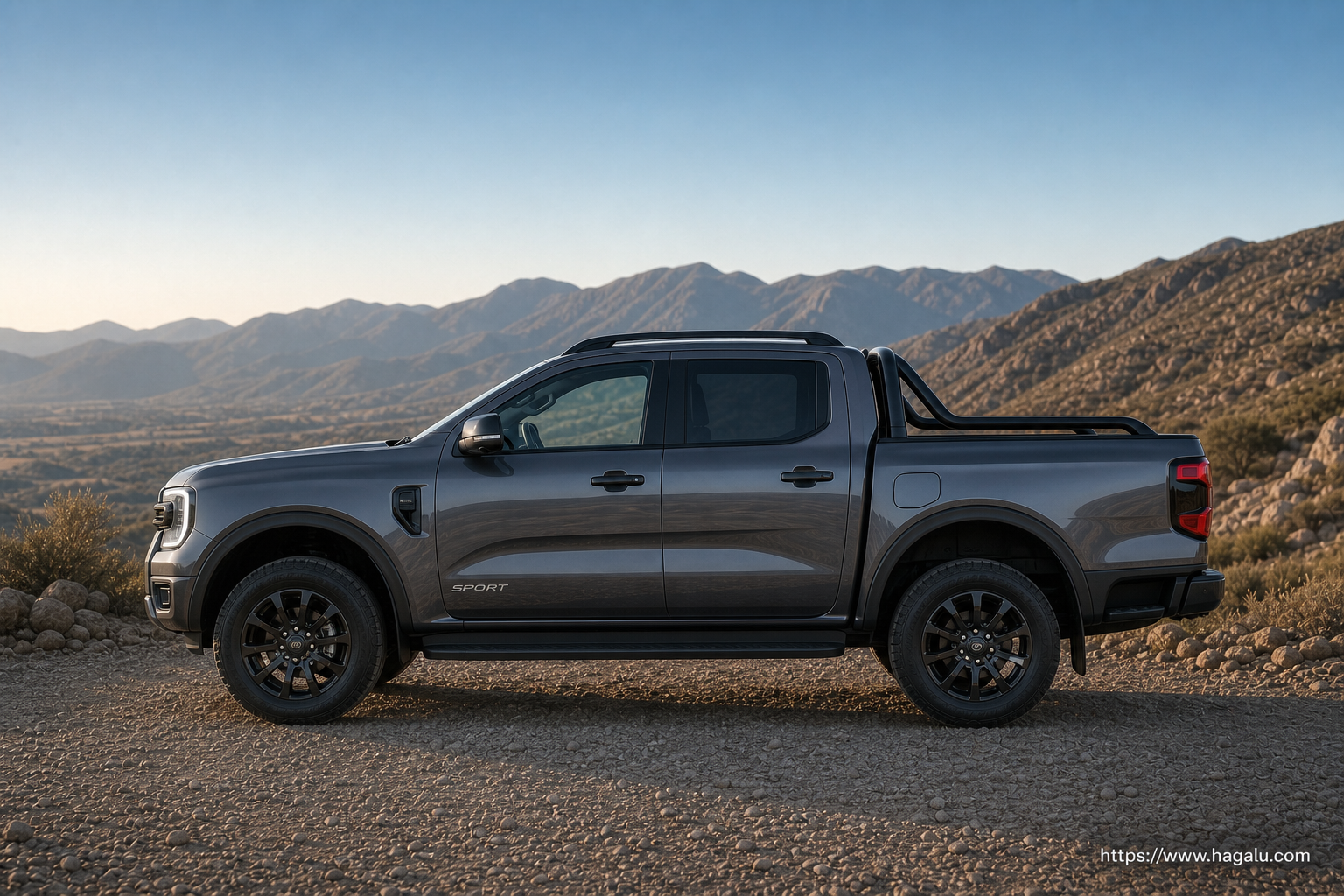
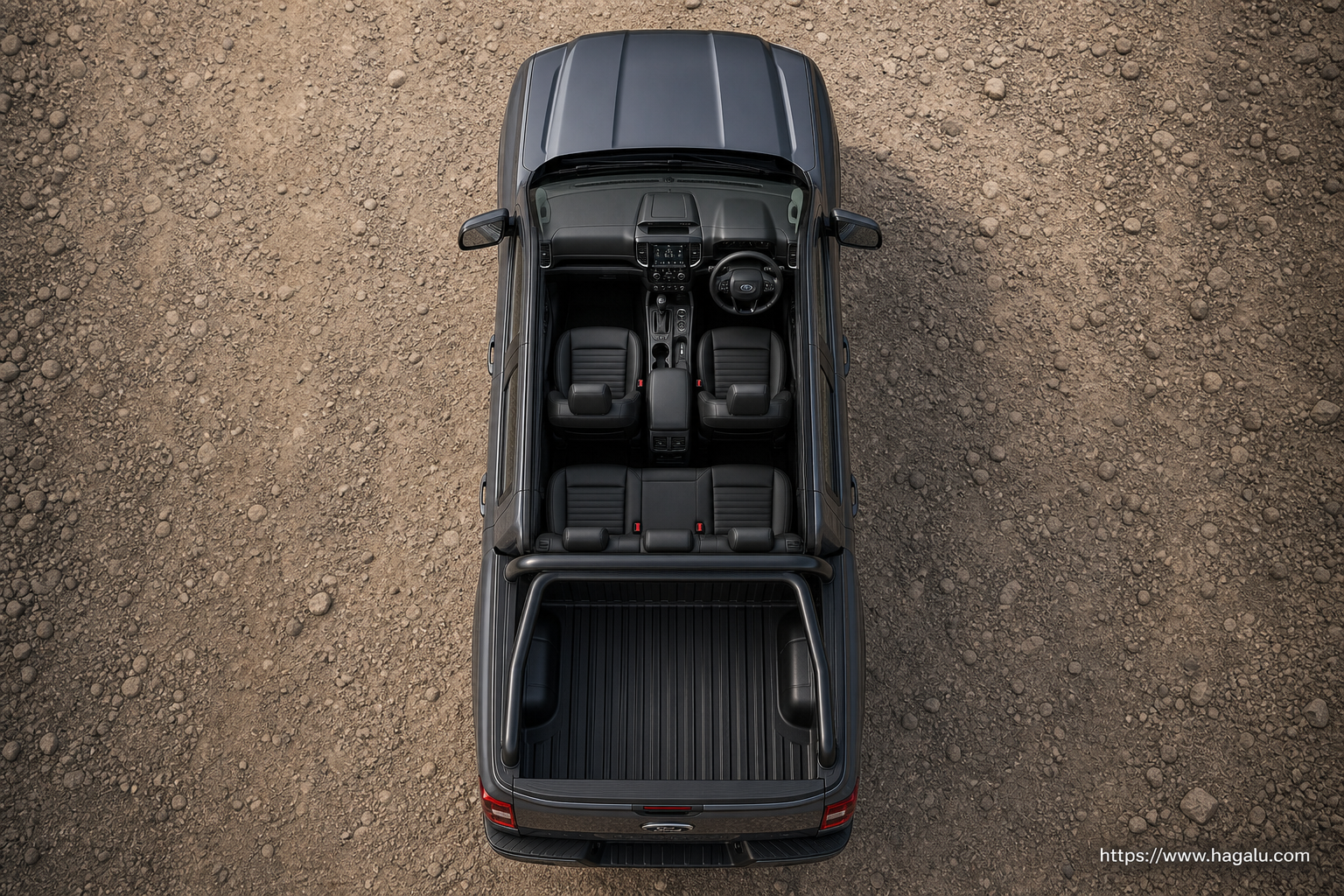
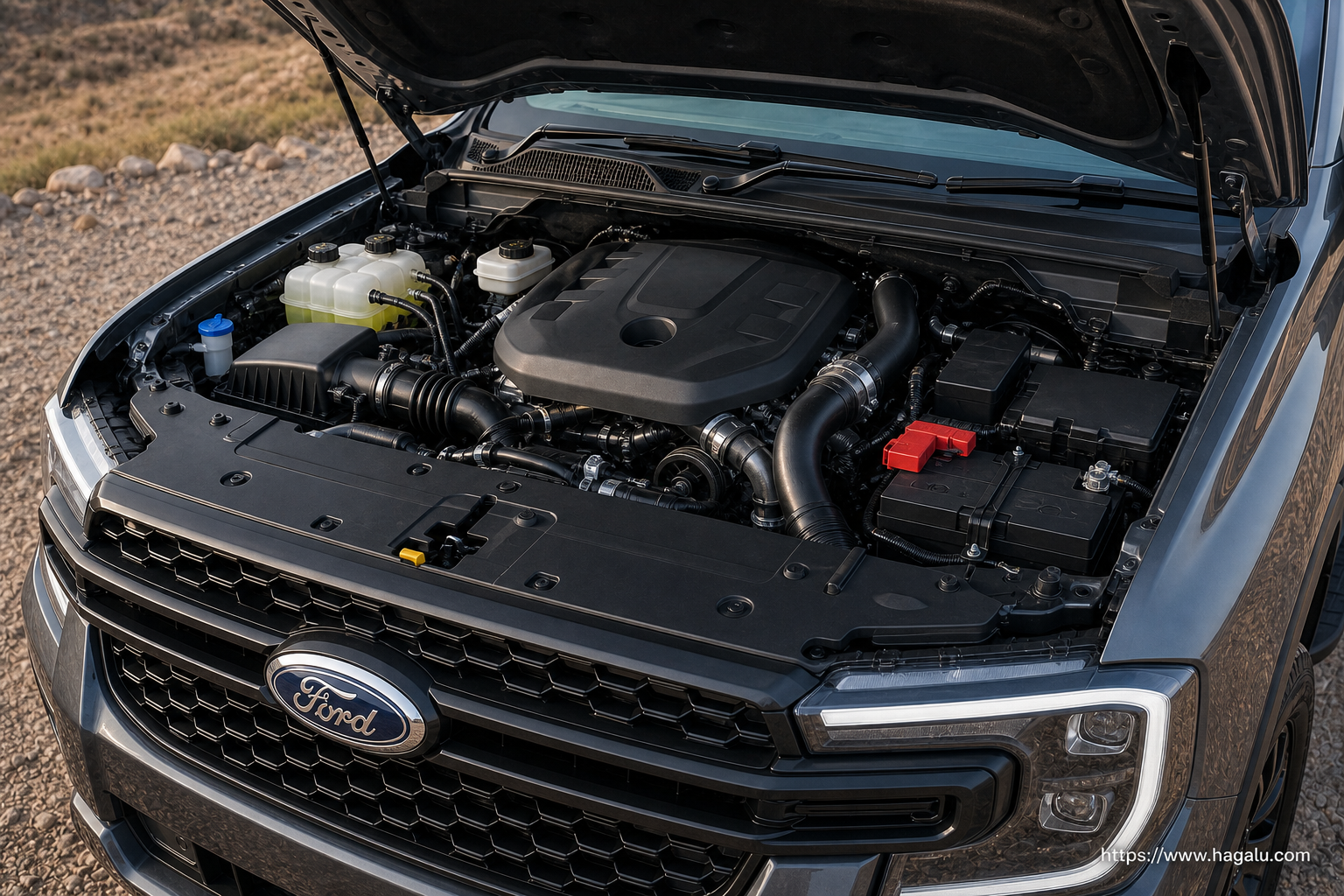
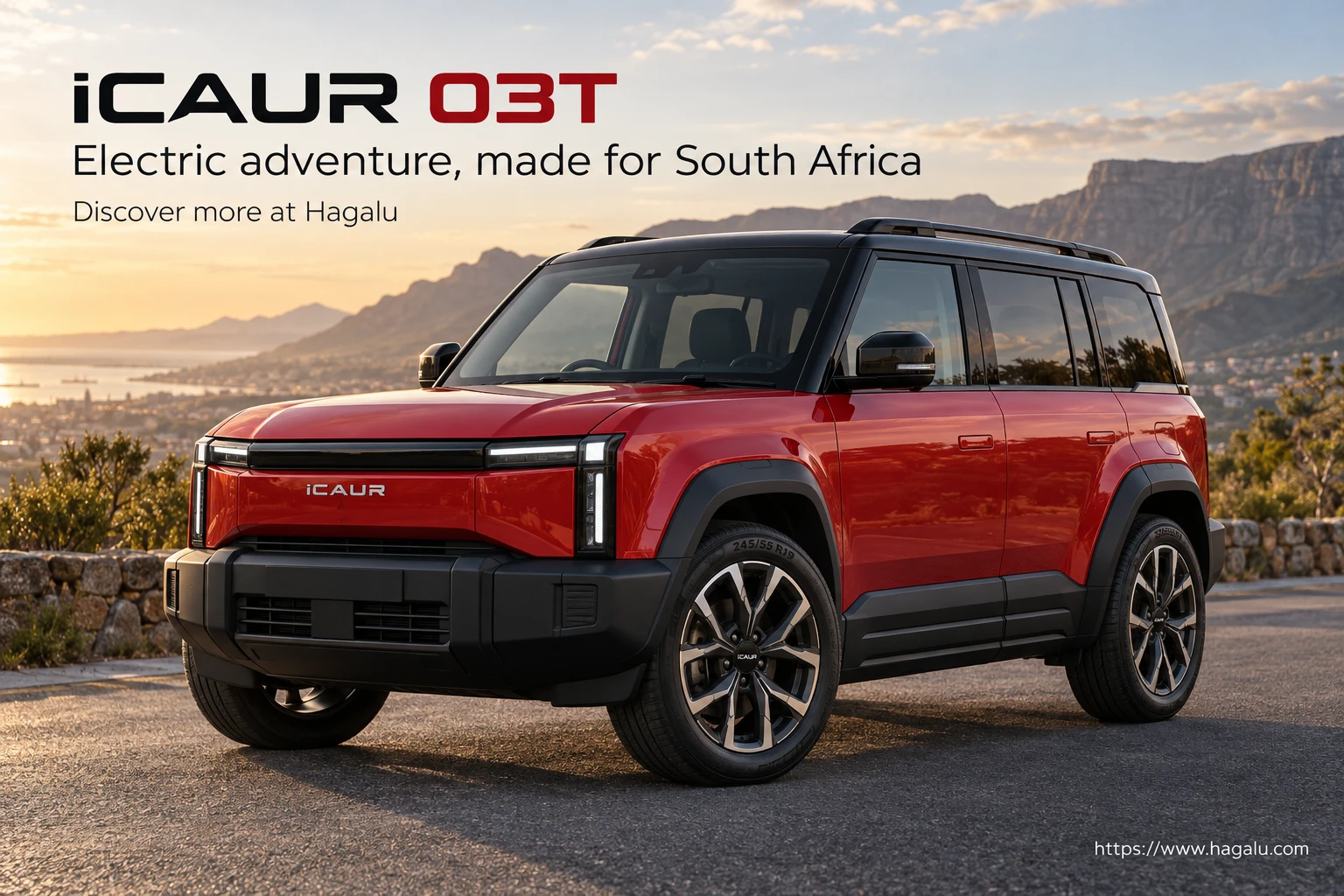
Ranger Sport and V23 image comparison
Open an image for its full canonical file or visit the model page for the complete vehicle record.
A transparent comparison of published catalogue fields. This is not a road-test score, owner rating or editorial review rating, and it appears only when every vehicle clears the same comparable-data threshold.
Evidence / 100
Evidence-index readout
Ranger Sport leads by 8 points
Ranger Sport has a modest catalogue-index lead, while V23 remains close.
Performance
Ranger Sport +43
Efficiency
V23 +53
Safety
V23 +1
Practicality
Ranger Sport +25
Close catalogue match. Buyer priorities should decide the outcome.
Why this scoreView full breakdown
Evidence-index leader
Ranger Sport
Performance
85/100
Efficiency
46/100
Safety
92/100
Practicality
85/100
V23
Performance
42/100
Efficiency
99/100
Safety
93/100
Practicality
60/100
What the evidence means
Evidence indexFord Ranger Sport
leads the specification evidence index with 79 pts
vs 71 pts for V23
In Hagalu's specification evidence index, Ranger Sport leads. However, V23 may suit buyers prioritising different confirmed fields. Ultimately, the right choice depends on your driving priorities in South Africa.
Related comparisons
Continue with closely related South Africa models and comparable body styles.
There is no universal winner. Use the comparison table to match the models and available derivatives in South Africa on price, safety equipment, space, powertrain and ownership cover. The category indicators summarise published catalogue data; they are not a road test or customer rating.
Compare the published consumption or mileage rows for the exact derivatives using the same unit and test basis. A catalogue figure is useful for like-for-like comparison, but traffic, speed, load, weather and driving style can change actual fuel use.
Compare only equipment explicitly listed for each derivative, including airbags, stability control and driver-assistance systems. Confirm the exact trim with the manufacturer, and treat any independent crash-test result separately because equipment and ratings can differ by market.
A reliable five-year total cannot be calculated from catalogue data alone. Add the exact purchase and finance cost, fuel or electricity, insurance quotes, scheduled servicing, tyres and expected resale value. Check whether the selected derivative includes a service or maintenance plan.
Use the seating, boot or load-space, ISOFIX and safety rows as a first check. Then test the exact cars with your child seats, passengers and typical luggage, because published dimensions do not show every access or comfort difference.
Compare the published power, torque and 0–100 km/h rows when they are available for both exact derivatives. Vehicle weight, gearing and power delivery also matter, so catalogue outputs alone do not establish real-world overtaking or response.
Compare
Request dealer offers
Let's discuss your next car
Share your interest so Hagalu can follow up about quotations and available discounts. The dealer confirms stock, price and terms.
✓
We've Got Your Details!
Your enquiry has reached Hagalu for follow-up. Any dealer offer will be confirmed separately by the seller.