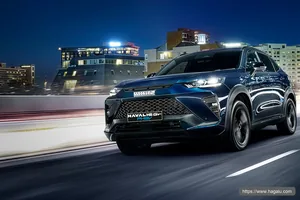
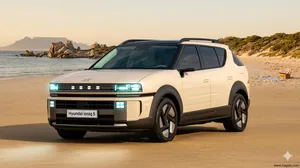
A proper head-to-head in South Africa — we cover price, performance,
petrol economy, safety and what it'll actually cost you to own each one long term.
Includes an archived model
Current and archived cars are compared side by side. Archived models keep their verified historical specs, while price labels show last-listed context rather than current new-car availability.
No longer sold newSpecs stay visible for owner and used-car comparisons.
⚡ 225 kW🔧 605 Nm⛽ 454 km/l
+Add a 3rd car
At a Glance — Who Wins What
⚡PerformanceTie
⛽Fuel EconomyTie
🛡SafetyIONIQ 5
📦PracticalityIONIQ 5
🔑OwnershipTie
H6 GT PHEV starts ZAR 859900 cheaperH6 GT PHEV from ZAR 799,900 · IONIQ 5 from ZAR 859,900
Key Specs Side by Side
The specs that matter most — highlighted where one car leads.
Spec
H6 GT PHEV
IONIQ 5
Engine Power
321 kW
225 kW
Torque
762 Nm
605 Nm
Engine Size
1500 cc
Not confirmed
Claimed Mileage
125 km/l
454 km/l
Ground Clearance
170 mm
160 mm
Boot / Load Bay
392 l
527 l
Airbags
Front double, front side and side curtain airbags
7
Kerb Weight
2075 kg
2190 kg
Seating Capacity
5
5
Warranty
5 Years / 100,000 km
5
= leads in this spec
Archived models stay fully comparable. Verified specs remain visible; historical fields that were not source-confirmed are marked Not confirmed instead of being guessed.
The Bottom Line
IONIQ 5 holds a noticeable edge over H6 GT PHEV, especially in key ownership areas.
Where They Actually Differ
Performance
Equal
Efficiency
Equal
Safety
IONIQ 5
+90 pts
Practicality
IONIQ 5
+10 pts
Ownership
Equal
What Each Car Gets Right (and Wrong)
H6 GT PHEV
Strengths
Nothing stands out clearly here.
Weak Spots
Less comprehensive safety features
Less practical in daily usage
Best suited to:General Use
🏆 Overall Winner
IONIQ 5
Strengths
Stronger safety package
More practical for daily use
Weak Spots
No obvious weak spots to flag.
Best suited to:Family Usage
Which One's Right for You?
H6 GT PHEV
Buyers looking for a balanced all-round vehicle
IONIQ 5
Families prioritising stronger safety equipment
Large families needing more practicality and usability
Full Specs, Side by Side
Archived cars use verified historical spec records. Rows remain comparable; unavailable historical values are shown plainly rather than estimated.
Spec
H6 GT PHEV
IONIQ 5
Model Introduced Year
Current local generation year not confirmed
2022
Generation
Current South African H6 GT PHEV listing; generation notes should be kept tied to the local model year and confirmed derivative data.
First generation Ioniq 5 on Hyundai's dedicated E-GMP electric platform; 800V fast charging architecture allows rapid 18-minute charge from 10-80% at suitable DC fast chargers
Facelift History
Model-year updates can affect trim, wheels, screens, safety equipment and colours. Use the latest South African price list when checking a specific vehicle.
Launched in SA in 2022; updates to battery specifications and charging capabilities followed; the car has been on Hyundai SA's EV flagship from launch
Facelift Launched Since
Original current-generation version
2022
Facelift Version Ending
Current
Discontinued - exact end year not confirmed
Body Style
Coupe SUV
Not confirmed
Color Note
Colour availability changes by model year, production batch and dealer stock, check the current colour selector before ordering.
Not confirmed
Dealer Stock Note
Flagship grade in the South Africa lineup
Not confirmed
Drivetrain Note
Drive layout derived from the official derivative naming: 1.5T Ultra Luxury 4WD PHEV DHT
Not confirmed
Model Year
2026
Not confirmed
Production Status
published
Not confirmed
Segment
SUV
Not confirmed
Vehicle Type
SUV
Not confirmed
Spec
H6 GT PHEV
IONIQ 5
Ground Clearance
170 mm
160 mm
Wheelbase
2738 mm
3000 mm
Length
4727 mm
4635 mm
Width
1940 mm
1890 mm
Height
1729 mm
1605 mm
Kerb Weight
2075 kg
2190 kg
Gross Vehicle Weight
2525 kg
Not confirmed
Seating Capacity
5
5
Boot Space
392 l
527 l
Towing Capacity
1500 kg
Not confirmed
Front Track Width
-
Not confirmed
Rear Track Width
-
Not confirmed
Turning Radius
-
Not confirmed
Load Bed Length
392 l
527 l
Load Bed Width
-
Not confirmed
Front Legroom
-
Not confirmed
Rear Legroom
-
Not confirmed
Front Headroom
-
Not confirmed
Rear Headroom
-
Not confirmed
Front Shoulder Room
-
Not confirmed
Rear Shoulder Room
-
Not confirmed
Boot Space Seats Folded
1390 l
Not confirmed
Number of Doors
5
5
Max Payload
-
Not confirmed
Boot Volume
392 l
527 l
Doors
5
5
Seats
5
5
Fuel Tank Capacity
55 l
72.6 l
Gross Vehicle Mass Kg
2525 kg
Not confirmed
Ground Clearance Max
170 mm
160 mm
Ground Clearance Min
170 mm
160 mm
Ground Clearance Mm
170 mm
160 mm
Height Mm
1729 mm
1605 mm
Length Mm
4727 mm
4635 mm
Loadbox Length Mm
392 l
527 l
Loadbox Width Mm
-
Not confirmed
Payload Kg
-
Not confirmed
Cargo Volume
392 l
527 l
Tare Mass Kg
2075 kg
2190 kg
Turning Circle
-
Not confirmed
Turning Circle M
-
Not confirmed
Width Mm
1940 mm
1890 mm
Spec
H6 GT PHEV
IONIQ 5
Engine
1.5-litre turbo plug-in hybrid
Dual Motor AWD Electric
Engine Type
1.5-litre turbo plug-in hybrid
Electric
Displacement
1500 cc
Not confirmed
Cylinders
-
Not confirmed
Valves per Cylinder
-
Not confirmed
Power
321 kW
225 kW
Power @ RPM
-
Not confirmed
Torque
762 Nm
605 Nm
Torque @ RPM
-
Not confirmed
Fuel System
-
Electric Drive
Turbocharger
-
No
Top Speed
-
185 km/h
0-100 km/h
4.9 sec
5.1 sec
Compression Ratio
-
Not confirmed
Cylinder Bore
-
Not confirmed
Piston Stroke
-
Not confirmed
Engine Code
-
Not confirmed
Power
43 bhp
Not confirmed
Fuel Grade Required
PHEV
Electric
Cylinder Layout
-
Not confirmed
Engine Aspiration
-
Not confirmed
Engine Type Config
1.5-litre turbo plug-in hybrid
Inline
0–100 km/h
4.9 sec
5.1 sec
Engine Displacement
1500 cc
Not confirmed
Engine Displacement Litres
1500 cc
Not confirmed
EV Range
180 km
Not confirmed
Acceleration 0 100
4.9 sec
5.1 sec
Engine Config
1.5-litre turbo plug-in hybrid
Not confirmed
Engine Cylinders
-
Not confirmed
Engine Displacement Cc
1500 cc
Not confirmed
Engine Power kW
321 kW
225 kW
Engine Torque Nm
762 Nm
605 Nm
Engine Valves
-
Not confirmed
Induction
-
Not confirmed
Max Power kW
321 kW
225 kW
Max Torque Nm
762 Nm
605 Nm
Maximum Power
321 kW
225 kW
Maximum Torque
762 Nm
605 Nm
Power kW Rpm
-
Not confirmed
Active Exhaust
-
Not confirmed
Torque Nm Rpm
-
Not confirmed
Turbo Type
-
Not confirmed
Engine Position
-
Front
Variable Valve Timing
-
Yes
Spec
H6 GT PHEV
IONIQ 5
Transmission
Automatic
Automatic
Drive Type
Four-wheel drive
All-Wheel Drive
Drivetrain Layout
4WD / AWD
AWD e-4WD
LSD Available
-
No
Transfer Case
-
Not confirmed
Differential Lock
-
Not confirmed
Paddle Shifters
-
No
Final Drive Ratio
-
Not confirmed
Number of Gears
-
1 km/h
Transmission Type
Automatic
Automatic
Clutch Type
-
Not confirmed
Drivetrain
Four-wheel drive
All-Wheel Drive
Transmission
Automatic
Automatic
4WD Engagement
Available
Not confirmed
4WD Hi Range
Available
Not confirmed
4WD Lo Range
-
Not confirmed
4WD Selector
-
Not confirmed
Automatic Shift Paddles
-
Not confirmed
Drive Mode Selector
4WD/off-road drive mode support
Not confirmed
Front Differential Lock
-
Not confirmed
Gearbox Type
Automatic
Automatic
Low Range
-
Not confirmed
Axle Layout
Four-wheel drive
All-Wheel Drive
Rear Differential Lock
-
Not confirmed
Transmission Speeds
-
1 km/h
Spec
H6 GT PHEV
IONIQ 5
Claimed Mileage
125 km/l
454 km/l
City Mileage
102.5 km/l
372.3 km/l
Highway Mileage
145 km/l
526.6 km/l
Fuel Tank Capacity
55 l
72.6 l
Emission Standard
-
Zero Emission
AdBlue Tank Capacity
-
Not confirmed
Auto Start Stop
-
Not confirmed
Average Fuel Consumption
0.8 l/100km
Yes
Claimed Fuel Consumption
0.8 l/100km
Yes
Fuel Efficiency
0.8 l/100km
Yes
Real-world Mileage
125 km/l
454 km/l
AC Charging Power
-
Not confirmed
Charging Port Type
-
Not confirmed
Charging Time AC Full
-
Not confirmed
Charging Time DC Fast 80pct
-
Not confirmed
Charging Type
-
Not confirmed
Combined Consumption
0.8 l/100km
Yes
Combined Consumption L 100km
0.8 l/100km
Yes
DC Charging Power
-
Not confirmed
Fuel Economy Combined
0.8 l/100km
Yes
Fuel Tank Litres
55 l
72.6 l
Fuel Type
PHEV
Not confirmed
Low Range Ratio
-
Not confirmed
Combined Driving Range
1000
Not confirmed
Electric Consumption
-
Not confirmed
Range Real World Highway
-
Not confirmed
Range Real World Mixed
-
Not confirmed
Range Wltp
-
Not confirmed
Distance To Empty
-
Yes
Low Fuel Warning
-
Yes
Spec
H6 GT PHEV
IONIQ 5
Airbags
Front double, front side and side curtain airbags
7
ABS
-
Yes
Electronic Stability Control
-
Yes
Traction Control
-
Yes
Hill Descent Control
Confirmed 4WD derivative
No
Hill Start Assist
-
Yes
Child Safety Lock
-
Yes
ISOFIX Mounts
-
Yes
Brake Assist
-
Yes
Tyre Pressure Monitor
-
Yes
Engine Immobiliser
-
Yes
Seatbelt Warning All Seats
-
Yes
Front Parking Sensors
-
Not confirmed
AEB
-
Yes
BA
-
Yes
Brake Override System
-
Not confirmed
Curtain Airbags
Standard
Not confirmed
Driver Airbag
-
Yes
EBD
-
Yes
Engine Immobiliser
-
Yes
Hill Hold
-
Yes
Passenger Airbag
-
Yes
Rear Cross Traffic Alert
-
Yes
Seatbelt Pretensioners
-
Yes
Side Airbags
Standard
Not confirmed
TCS
-
Yes
Knee Airbag
-
Not confirmed
ABS EBD
-
Yes
Central Locking
-
Yes
Speed Alert System
-
Yes
Safety Rating
-
Not Rated (SA)
Spec
H6 GT PHEV
IONIQ 5
Cruise Control
-
Yes
Adaptive Cruise Control
-
Yes
Lane Keep Assist
-
Yes
Lane Departure Warning
-
Yes
Blind Spot Monitoring
-
Yes
Rear Cross Traffic Alert
-
Yes
Parking Sensors
-
Front & Rear
Rear View Camera
-
Yes
360 Degree Camera
-
Yes
Autonomous Emergency Braking
-
Yes
Driver Fatigue Alert
-
Yes
Traffic Sign Recognition
-
Yes
Auto Highbeam
-
Not confirmed
Auto Wipers
-
Yes
Drive Modes
-
Eco / Normal
Rear Parking Sensors
-
Not confirmed
Reverse Camera
-
Yes
Adaptive Cruise Control
-
Yes
Park Assist
-
Not confirmed
Around View Monitor
-
Yes
Blind Spot Warning
-
Yes
Forward Collision Warning
-
Not confirmed
Auto Lights
-
Yes
Eco Mode
-
Yes
EV Mode
-
No
Sport Mode
-
No
Spec
H6 GT PHEV
IONIQ 5
Seat Material
-
Nappa Leather
Heated Seats
-
Front & Rear
Ventilated Seats
-
Front
Ambient Lighting
-
64-Colour Ambient
Steering Wheel Material
-
Leather
Interior Colour Options
3
Not confirmed
60 40 Split Seat
-
Yes
Driver Seat Adjustment
-
Not confirmed
Passenger Seat Adjustment
-
Not confirmed
Interior Courtesy Lamps
Cabin trim, seating material, screen layout and driver-assistance equipment vary by derivative. Compare the chosen H6 GT PHEV grade before assuming a feature is included.
Not confirmed
Interior Colours
3
Not confirmed
Seat Capacity
5
Not confirmed
Seat Count
5
Not confirmed
Seat Trim
-
Not confirmed
Seat Adjustment
-
Power 12-way
Steering Type
-
Electric
Steering Adjustment
-
Tilt & Telescopic
Folding Rear Seats
-
60/40 Split
Front Armrest
-
Yes
Rear Armrest
-
No
Cup Holders
-
4
Instrument Cluster Type
-
Analogue + MID
Door Map Pockets
-
Yes
Adjustable Driver Seat
-
Manual
Adjustable Front Seat
-
Manual
Cooled Seats
-
No
Fabric Seats
-
Yes
Front Headrest
-
Yes
Leather Seats
-
No
Memory Seats
-
No
Rear Headrest
-
Yes
Spec
H6 GT PHEV
IONIQ 5
Climate Control
Dual-zone
Dual Zone Auto Climate
Power Windows
-
All
Keyless Entry
-
Yes
Push Button Start
-
Yes
Wireless Charging
Standard
15W Wireless
Sunroof
Panoramic sunroof
Electric Panoramic Sunroof
Electric Tailgate
Hands-free powered
Hands-Free Electric Tailgate
Rain Sensing Wipers
-
Yes
AC Type
Dual-zone
Dual Zone Auto Climate
Adaptive Dampers
-
Not confirmed
Climate Zones
Dual-zone
Not confirmed
Engine Warranty
5
Not confirmed
Gear Shift Type
Automatic
Not confirmed
Launch Control
-
Not confirmed
Panoramic Roof
Panoramic sunroof
Electric Panoramic Sunroof
Performance Data Logger
-
Not confirmed
Rev Matching
-
Not confirmed
Seatbelt Reminder
-
Not confirmed
Service Plan
5 Years / 75,000 km
4
Skid Plates
Confirmed 4WD derivative
Not confirmed
Stability Control
-
Yes
Valves Per Cylinder
-
Not confirmed
Voice Command
Standard
Not confirmed
Accelerator 0 100
4.9 sec
Not confirmed
Air Conditioning
Dual-zone
Dual Zone Auto Climate
Bed Extender
-
Not confirmed
Canopy Fitment
-
Not confirmed
Lift Gate
Hands-free powered
Not confirmed
Load Bed Cover
-
Not confirmed
Load Bed Light
-
Not confirmed
Load Bed Steps
-
Not confirmed
Loadbox Depth Mm
-
Not confirmed
Loadbox Rope Hooks
-
Not confirmed
Loadbox Tiedown Brackets
-
Not confirmed
Manual Aircon
Dual-zone
Not confirmed
Powered Tailgate
Hands-free powered
Not confirmed
Source Model Column
h6-gt-phev
Not confirmed
Sport Plus Mode
-
Not confirmed
Sports Bar
-
Not confirmed
Tailgate Damper
-
Not confirmed
Tailgate Lock
-
Not confirmed
Tow Bar Type
-
Not confirmed
Trailer Stability Assist
Confirmed 4WD derivative
Not confirmed
Trailer Sway Control
Confirmed 4WD derivative
Not confirmed
Trim Level
flagship
Not confirmed
Variant Role
Flagship / premium derivative
Not confirmed
Wireless Charger
Standard
15W Wireless
Automatic Headlamps
-
Yes
Auto Dimming Mirror
-
Yes
Rear Window Defroster
-
Yes
Follow Me Home Headlamps
-
Yes
12V Accessory Socket
-
12V
Boot Opener
-
Inside
Door Ajar Warning
-
Yes
Electric Folding Mirrors
-
Yes
Engine Check Warning
-
Yes
Engine Start Stop
-
Yes
Engine Start Stop Button
-
Yes
Front Armrest
-
Yes
Front Power Outlet
-
Yes
Fuel Lid Opener
-
Inside
Headlamp Height Adjust
-
Manual
Headlamp Washer
-
No
Power Mirrors
-
Yes
Push Button Start
-
Yes
Rear Reading Lamps
-
Yes
Service Reminder
-
Yes
Spare Wheel
-
Steel
Tachometer
-
Yes
Telescopic Steering
-
No
Tilt Steering
-
Yes
Trip Computer
-
Yes
Vanity Mirror
-
Yes
Rim Size
-
20-inch Alloy
Sound System
-
8 Bose Premium
Unlocking
-
Yes
Spec
H6 GT PHEV
IONIQ 5
Infotainment Screen
SYNC
12-inch Touchscreen
Apple CarPlay
-
Yes
Android Auto
-
Yes
Bluetooth Connectivity
-
Yes
Number of Speakers
-
8 Bose Premium
Navigation System
Standard
Yes
Digital Instrument Cluster
-
12-inch Digital Cluster
USB Ports
-
2 USB-A + 2 USB-C
Voice Recognition
Standard
Yes
Infotainment Screen Size
12.3
Not confirmed
Infotainment Display
12.3
Touchscreen
Infotainment Screen
12.3
Not confirmed
Connected Services
SYNC
Not confirmed
Voice Control
Standard
Not confirmed
Touchscreen
12.3
Not confirmed
Wireless Apple CarPlay
-
Yes
FM Radio
-
Yes
Steering Wheel Audio Controls
-
Yes
AUX Input
-
Yes
Audio Controls On Steering
-
Yes
Rear Usb
-
Yes
Audio Speakers
-
8 Bose Premium
Wireless Android Auto
-
Yes
Spec
H6 GT PHEV
IONIQ 5
LED Headlamps
-
Full LED Parametric
Daytime Running Lamps
-
LED
Fog Lamps
-
No
Roof Rails
-
Yes
Exterior Colour Options
3
Not confirmed
Roof Type
Panoramic sunroof
Not confirmed
Body Type
SUV
SUV
Electric Blind Sunroof
Panoramic sunroof
Not confirmed
Exterior Colour Options
3
Not confirmed
Headlights
-
Full LED Parametric
Load Bed Liner
-
Not confirmed
Panoramic Sunroof
Panoramic sunroof
Not confirmed
Alloy Wheel Design
-
20-inch Alloy
Rear Spoiler
-
Yes
Wing Mirror Type
-
Power Adjustable
Rear Wiper
-
Yes
Door Handle Finish
-
Body Coloured
DRL
-
LED
Fog Lights
-
Yes
Front Fog Lights
-
Yes
Led Headlights
-
Full LED Parametric
Daytime Running Lights
-
LED
Exterior Mirror Electric
-
Yes
Front Fog Lamps
-
No
Headlamps
-
Full LED Parametric
Headlight Type
-
Full LED Parametric
Spec
H6 GT PHEV
IONIQ 5
Approach Angle
-
Not confirmed
Departure Angle
-
Not confirmed
Wading Depth
-
Not confirmed
Terrain Modes
-
Not confirmed
Locking Differential
-
No
Underbody Protection
Confirmed 4WD derivative
Not confirmed
4WD System Type
Four-wheel drive
All-Wheel Drive
Hill Descent Control
Confirmed 4WD derivative
No
Breakover Angle
-
Not confirmed
Off Road Traction Assist
-
Not confirmed
Terrain Mode Mud
-
Not confirmed
Terrain Mode Sand
-
Not confirmed
Terrain Mode Snow
-
Not confirmed
Ramp Breakover Angle
-
20 deg
Spec
H6 GT PHEV
IONIQ 5
Tyre Size
-
255/45 R20
Front Brake Type
-
Disc
Rear Brake Type
-
Disc
Spare Wheel Type
-
Steel
Wheel Rim Size
-
20-inch Alloy
Fifth Wheel Prep
-
Not confirmed
Handbrake Type
-
Not confirmed
Wheelbase Mm
2738 mm
3000 mm
Wheel Type
-
20-inch Alloy
Parking Brake Type
-
Manual
Tyre Load Index
-
91
Tyre Speed Rating
-
H
Brake Type Front
-
Disc (Ventilated)
Brake Type Rear
-
Disc
Spare Tyre
-
Steel
Tyre Type
-
Tubeless Radial
Wheel Diameter
-
20-inch Alloy
Wheels
-
20-inch Alloy
Spec
H6 GT PHEV
IONIQ 5
Front Suspension
-
MacPherson Strut
Rear Suspension
-
Multi-Link
MagneRide Damping
-
Not confirmed
Chassis Type
-
Monocoque
Power Steering
-
Electric
Steering Column
-
Tilt
Front Suspension Type
-
MacPherson Strut
Rear Suspension Type
-
Multi-Link
Spec
H6 GT PHEV
IONIQ 5
Service Interval
10000
12 months / 15000 km
Approx Service Cost
Included in Service Plan
Not confirmed
Battery Warranty
8 Years / 160,000 km
8 Years / 160000 km
Maintenance Plan
5 Years / 75,000 km
3 Years / 45000 km
Engine Oil Change Interval
10,000 km
Not confirmed
First Service At
5000
15000
Service Plan Duration
5 Years / 75,000 km
4
Service Plan Distance
5 Years / 75,000 km
4
Anti-Rust Treatment
Yes
Not confirmed
Alternator
110A
120A
Battery Type
Lithium-Ion
Lead-acid
Gear Shift Indicator
Yes
Yes
Service Intervals
10000
12 months / 15000 km
Spec
H6 GT PHEV
IONIQ 5
Warranty Years
5 Years / 100,000 km
5
Warranty Kilometers
5 Years / 100,000 km
5
Roadside Assistance
Yes
5 Years
Anti-Corrosion Warranty
6 Years
5 Years
Basic Warranty
5 Years / 100,000 km
5
Roadside Assistance
Yes
5 Years
Warranty
5 Years / 100,000 km
5
Warranty Roadside Assistance
Yes
5 Years
Spec
H6 GT PHEV
IONIQ 5
CO2 Emissions
0 g/km
0 g/km
Hybrid System Type
Plug-in hybrid
Battery Electric Vehicle (BEV)
Fuel Octane Requirement
PHEV
Electric
Particulate Filter
-
Not confirmed
Idle CO2 Output
0
Not confirmed
CO2 Emissions G Km
0
Not confirmed
Start Stop System
-
No
Fuel Evaporation Control
-
Yes
Spec
H6 GT PHEV
IONIQ 5
Ownership Role
Flagship
Not confirmed
Price Source
South Africa variant price CSV; verify against latest OEM price list
Not confirmed
Price Zar
799900 ZAR
Not confirmed
Pricing Role
Current listed price
Not confirmed
Starting Price
799900
Not confirmed
Starting Price Zar
799900
Not confirmed
Overall Verdict Score
Decision-grade view of the winner, score gap and category strengths.
Weighted / 100
Verdict readout
IONIQ 5 leads by 22 points
IONIQ 5 holds a noticeable edge over H6 GT PHEV, especially in key ownership areas.
🏆Hyundai IONIQ 5
wins with 87 pts
vs 65 pts for H6 GT PHEV
In structured scoring, IONIQ 5 emerges as the stronger overall package. However, H6 GT PHEV may appeal to buyers prioritising different factors. Ultimately, the right choice depends on your driving priorities in South Africa.
Other Comparisons Worth Checking
See how similar cars go head-to-head — you might find a better fit than you expected.
On our scoring the IONIQ 5 edges ahead overall. That said, the right choice depends on what you actually use the car for — the breakdown above shows exactly where each one wins and loses.
Efficiency scores: H6 GT PHEV 97 vs IONIQ 5 97. In the real world, diesel variants of either car will beat the claimed figure on long highways and fall short in Joburg traffic.
Safety scores: H6 GT PHEV 9, IONIQ 5 99. Check each model page for NCAP ratings and which trim levels include AEB and blind-spot monitoring — those features aren't always standard.
Long-term ownership scores: H6 GT PHEV 65, IONIQ 5 65. Service intervals, parts availability in SA, and whether a service plan is bundled all factor in — check the individual variant specs for that detail.
Practicality scores: H6 GT PHEV 60, IONIQ 5 70. This covers boot space, seat flexibility, and day-to-day usability — not just interior dimensions on paper.
Performance scores: H6 GT PHEV 100, IONIQ 5 100. This looks at real-world pace — 0–100 kph, highway flexibility, and how either car feels when you actually need to overtake on an N-road.
Resale varies with colour, spec, and market timing, but Japanese brands — and Toyota specifically — have a strong track record in SA. Check current used prices for both on AutoTrader to see the real gap right now.
Ground clearance and 4WD availability are what matter most here. Scroll to the spec table above to compare both side by side — if either model offers a 4WD variant, that's the version worth comparing.
Fuel, insurance, and service costs are the big three. Diesel variants of both models typically save R800–R1,500/month in fuel at current SA pump prices. The IONIQ 5 edges the overall ownership score, but check whether either variant includes a service plan — that changes the monthly maths significantly.
The IONIQ 5 scores better overall, but neither car is a bad buy here. It comes down to what features matter to you — check the full spec table above to see exactly what you gain and lose at each price point.
In Depth — Breaking It All Down
The comparison between H6 GT PHEV and IONIQ 5 in South Africa
evaluates performance, efficiency, safety, practicality and long-term ownership value.
Performance: H6 GT PHEV scores 100 vs 100.
Efficiency: H6 GT PHEV scores 97 vs 97.
Safety: H6 GT PHEV scores 9 vs 99.
Practicality: H6 GT PHEV scores 60 vs 70.
Ownership: H6 GT PHEV scores 65 vs 65.
Final structured scoring gives IONIQ 5
the advantage in this comparison.
Compare
Get Best Price
We'll Contact You
Fill in your details and a dedicated executive will reach out shortly.
✓
We've Got Your Details!
An executive will contact you shortly. Thank you for your interest.