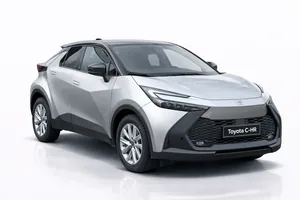
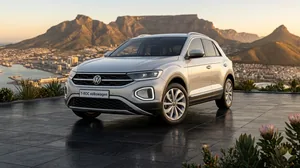
A proper head-to-head in South Africa — compare price, performance,
fuel economy or electric range, safety and the details that shape long-term ownership.
Includes a historical vehicle
Current, upcoming and historical vehicles can be compared side by side. Historical records keep their verified specifications, while price labels show last-listed context rather than current new-car availability.
Best suited to:Published PerformancePublished Practicality
Which One's Right for You?
C-HR
Buyers prioritising the lower published fuel or energy use
T-Roc
Buyers prioritising the stronger published powertrain figures
Buyers prioritising the more complete listed safety equipment
Buyers prioritising the stronger published space and capacity figures
Full Specs, Side by Side
Open a category, then swipe sideways to compare every column
Archived cars use verified historical spec records. Rows remain comparable; unavailable historical values are shown plainly rather than estimated.
Spec
C-HR
T-Roc
Model Introduced Year
2023
2021
Generation
Second generation on TNGA-C platform – hybrid-only in SA
Current first-generation T-Roc remains on sale while the second generation is prepared for South Africa
Facelift History
All-new second generation launched in SA in 2023
Volkswagen has confirmed the all-new second-generation T-Roc for the second half of 2026; local derivatives and prices are still pending
Facelift Launched Since
2023
Volkswagen has confirmed the all-new second-generation T-Roc for the second half of 2026; local derivatives and prices are still pending
Facelift Version Ending
2024
Current
Body Style
5-door Crossover SUV
SUV
Model Year
2021
Current
Production Status
discontinued
published
Segment
SUV
SUV
Tare Mass Kg
1500 kg
1400 kg
Vehicle Type
5-door Crossover SUV
SUV
Color Note
Not confirmed
White, Black, Silver, Grey, Blue, Red, Orange
Dealer Stock Note
Not confirmed
Top grade in the South Africa lineup
Drivetrain Note
Not confirmed
4x4 configuration for the local line-up
Spec
C-HR
T-Roc
Length
4390 mm
4234 mm
Width
1796 mm
1819 mm
Height
1550 mm
1573 mm
Wheelbase
2640 mm
2593 mm
Ground Clearance (Default)
160 mm
168 mm
Ground Clearance (With Full Seating Load)
125 mm
-
Fuel Tank Capacity
43 l
55 l
Boot/Cargo Space
377 l
392 l
Kerb Weight
1500 kg
1400 kg
Gross Vehicle Weight (GVW)
1930 kg
2020 kg
Payload Capacity
430 kg
-
Towing Capacity
1600 kg
1200 kg
Seating Capacity
5 seats
5 seats
Number of Rows
2 rows
-
Doors
1 doors
5 doors
Minimum Turning Radius
5.4 m
5.4 m
Front Headroom
993 mm
-
Rear Headroom
946 mm
-
Front Legroom
1030 mm
-
Rear Legroom
881 mm
-
Spec
C-HR
T-Roc
Engine
2.0L Hybrid Petrol-Electric
2-litre Turbocharged Petrol
Engine Code
Market-specific engine family
Not Officially Disclosed
Fuel Type
Hybrid
Petrol
Hybrid System
Self Charging Hybrid
Not Applicable
Engine Displacement
1987 cc
2000 cc
Cylinders
4
4
Cylinder Layout
Inline
Not Officially Disclosed
Valves
16
16
Valves per Cylinder
4
4
Aspiration
Turbocharged
Turbocharged
Fuel System
Hybrid Synergy Drive
Direct Injection
Compression Ratio
10.5:1
10.5:1
Bore
82.0 mm
Not Officially Disclosed
Stroke
94.6 mm
Not Officially Disclosed
Maximum Power
134 kW
140 kW
Maximum Torque
190 Nm
320 Nm
Combined Power
1 kW
Not Applicable
Combined Torque
1 Nm
Not Applicable
Motor Type
Permanent-magnet synchronous electric motor
Not Applicable
Number of Motors
1
Not Applicable
Motor Location
Integrated transmission electric motor
Not Applicable
Drive Type
FWD
AWD
Transmission
e-CVT
7-Speed DCT
Top Speed
180 km/h
203 km/h
0-100 km/h
8.2 sec
9.1 sec
Quarter Mile
15.5 sec
Not Officially Disclosed
Drive Modes
Eco, Comfort, Sport
Not Officially Disclosed
Launch Control
No
Not Officially Disclosed
Rev Limiter
6500 rpm
Not Officially Disclosed
Power-to-Weight Ratio
100 kW/tonne
100 kW/tonne
Torque-to-Weight Ratio
220 Nm/tonne
228.6 Nm/tonne
Battery Capacity
1 kWh
Not Applicable
Usable Battery Capacity
64.8 kWh
Not Applicable
Battery Type
Lithium-ion
Not Applicable
Battery Voltage
400 V
Not Applicable
Electric Range
Not Applicable
Not Applicable
AC Charging Power
Not Applicable
Not Applicable
DC Charging Power
Not Applicable
Not Applicable
AC Charging Time
Not Applicable
Not Applicable
DC Charging Time
Not Applicable
Not Applicable
Regenerative Braking
Yes
Not Applicable
Spec
C-HR
T-Roc
Gearbox
e-CVT (Electronic CVT)
7-speed DSG
Drivetrain Layout
Front Wheel Drive
4MOTION AWD
LSD Available
Not Applicable
Not Applicable
Transfer Case
Not Applicable
Confirmed 4WD derivative
Differential Lock
Not Applicable
Not Applicable
Paddle Shifters
Not Applicable
Standard
Final Drive Ratio
Yes
Not Applicable
Number of Gears
6
7
Transmission Type
e-CVT (Electronic CVT)
7-speed DSG
Clutch Type
Yes
Not Applicable
Gear Shift Indicator
Yes
Not Applicable
Gear Shift Type
Yes
DCT
Drivetrain
FWD
4MOTION AWD
4WD Engagement
Not Applicable
Available
4WD Hi Range
Not Applicable
Available
4WD Lo Range
Not Applicable
Available where 4WD low range is fitted
4WD Selector
Not Applicable
Confirmed 4WD derivative
Automatic Shift Paddles
Yes
Standard
Front Differential Lock
Not Applicable
Not Applicable
Gearbox Type
e-CVT (Electronic CVT)
7-speed DSG
Low Range Ratio
Not Applicable
Not Applicable
Low Range
Not Applicable
Available where 4WD low range is fitted
Axle Layout
FWD
4MOTION AWD
Rear Differential Lock
Not Applicable
Not Applicable
Transmission Speeds
6
7
Drive Mode Selector
Not confirmed
4WD/off-road drive mode support
Spec
C-HR
T-Roc
Claimed Mileage
19.2 km/l
15.9 km/l
City Mileage
17 km/l
13 km/l
Highway Mileage
21 km/l
15 km/l
Fuel Tank Capacity
43 l
55 l
Emission Standard
Euro 6
Euro 6
AdBlue Tank Capacity
Not Applicable
Not Applicable
Auto Start Stop
Yes
Standard
Real-world Mileage
19.2 km/l
15.9 km/l
Charging Port Type
Not Applicable
Not Applicable
Charging Type
Not Applicable
Not Applicable
Fuel Tank Litres
43
55
Combined Driving Range
Not Applicable
Not Applicable
Electric Consumption
Not Applicable
Not Applicable
Range Real World Highway
Not Applicable
Not Applicable
Range Real World Mixed
Not Applicable
Not Applicable
Spec
C-HR
T-Roc
Airbags
7
7
ABS
Standard
Standard
Electronic Stability Control
Standard
Standard
Traction Control
Standard
Standard
Hill Descent Control
Not Available
Confirmed 4WD derivative
Hill Start Assist
Standard
Standard
Child Safety Lock
Standard
Standard
ISOFIX Mounts
Standard
Standard
Brake Assist
Standard
Standard
Tyre Pressure Monitor
Standard
Standard
Engine Immobiliser
Standard
Standard
Alarm System
Standard
-
Central Locking
Standard
-
Seatbelt Warning All Seats
Yes
Not Available
Front Parking Sensors
Yes
Standard
AEB
Standard
Standard
BA
Yes
Standard
Brake Override System
Yes
Not Available
Curtain Airbags
Yes
Not Available
Driver Airbag
Yes
7
EBD
Yes
Standard
Engine Immobiliser
Yes
Standard
Hill Hold
Standard
Standard
Passenger Airbag
Yes
7
Rear Cross Traffic Alert
Yes
Standard
Seatbelt Pretensioners
Yes
Not Available
Seatbelt Reminder
Yes
Not Available
Side Airbags
Yes
Not Available
Stability Control
Standard
Standard
TCS
Standard
Standard
Knee Airbag
Yes
Not Available
ABS EBD
Standard
Standard
Spec
C-HR
T-Roc
Cruise Control
Standard
Standard
Adaptive Cruise Control
Standard
Standard
Lane Keep Assist
Standard
Standard
Lane Departure Warning
Standard
Standard
Blind Spot Monitoring
Standard
Standard
Rear Cross Traffic Alert
Yes
Standard
Parking Sensors
Front and Rear
Front and rear
Rear View Camera
Standard
Standard
360 Degree Camera
Not Available
Not Available
Autonomous Emergency Braking
Standard
Standard
Driver Fatigue Alert
Yes
Standard
Traffic Sign Recognition
Yes
Standard
Auto Highbeam
Yes
Not Available
Auto Wipers
Standard
Standard
Rear Parking Sensors
Yes
Standard
Reverse Camera
Standard
Standard
Adaptive Cruise Control
Standard
Standard
Park Assist
Yes
Not Available
Around View Monitor
Not Available
Not Available
Blind Spot Warning
Standard
Standard
Forward Collision Warning
Yes
Not Available
EV Mode
Not confirmed
Not Available
Spec
C-HR
T-Roc
Seat Material
Synthetic Leather
Cloth
Seat Adjustment
Power Driver
-
Heated Seats
Not Applicable
Front
Ventilated Seats
Not Applicable
Not Applicable
Steering Type
Electric
Electric
Steering Adjustment
Tilt and Telescopic
-
Ambient Lighting
Standard
Standard
Folding Rear Seats
60/40 Split
-
Front Armrest
Rear Centre Armrest
Standard
Steering Wheel Material
Yes
Not Applicable
60 40 Split Seat
Yes
60/40 Split
Driver Seat Adjustment
Manual multi-way
Electric 6-Way
Passenger Seat Adjustment
Manual multi-way
Electric 6-Way
Seat Trim
Yes
Cloth
Front Shoulder Room
Not confirmed
Not Applicable
Rear Shoulder Room
Not confirmed
Not Applicable
Interior Colour Options
Not confirmed
Black
Fabric Seats
Not confirmed
Cloth
Armrest Front
Not confirmed
Standard
Interior Courtesy Lamps
Not confirmed
Digital cockpit, premium infotainment, leather options, advanced safety
Interior Trim Colour
Not confirmed
Black
Floor Mats
Not confirmed
Standard
Interior Colours
Not confirmed
Black
Spec
C-HR
T-Roc
Climate Control
Dual-zone Automatic
Standard
Power Windows
All Doors
All Doors
Keyless Entry
Smart Key
Smart Entry
Push Button Start
Standard
Standard
Wireless Charging
Standard
Standard
Sunroof
Panoramic
Standard
Electric Tailgate
Not Available
Not Available
Automatic Headlamps
Standard
-
Rain Sensing Wipers
Standard
Standard
AC Type
Dual-zone Automatic
Standard
Engine Start Stop
Standard
Standard
Engine Start Stop Button
Standard
Standard
Push Button Start
Standard
Standard
Spare Wheel
Space Saver
Space Saver
Air Conditioning
Dual-zone Automatic
Standard
Rim Size
18-inch GR Sport Alloy
18-inch Alloy
Sound System
8
8
Unlocking
Smart Key
Smart Entry
Wireless Charger
Standard
Standard
Load Bed Length
Not confirmed
Not Applicable
Load Bed Width
Not confirmed
Not Applicable
Boot Space Seats Folded
Not confirmed
392 l
Adaptive Dampers
Not confirmed
Not Available
Climate Zones
Not confirmed
Standard
Front Armrest
Not confirmed
Standard
Fuel Consumption Combined
Not confirmed
6.3
Performance Data Logger
Not confirmed
Not Available
Rev Matching
Not confirmed
Not Available
Skid Plates
Not confirmed
Confirmed 4WD derivative
Battery Preconditioning
Not confirmed
Not Available
Bed Extender
Not confirmed
Not Available
Canopy Fitment
Not confirmed
Not Available
Centre Console
Not confirmed
Standard
Intelligent Battery System
Not confirmed
Not Available
Load Bed Cover
Not confirmed
Not Available
Load Bed Light
Not confirmed
Not Available
Load Bed Steps
Not confirmed
Not Available
Loadbox Depth Mm
Not confirmed
Not Available
Loadbox Length Mm
Not confirmed
Not Applicable
Loadbox Rope Hooks
Not confirmed
Not Available
Loadbox Tiedown Brackets
Not confirmed
Not Available
Loadbox Width Mm
Not confirmed
Not Applicable
Manual Aircon
Not confirmed
Standard
One Pedal Driving
Not confirmed
Not Available
Rear Electric Motor
Not confirmed
Not Available
Regenerative Braking Levels
Not confirmed
Not Available
Source Model Column
Not confirmed
t-roc
Sport Plus Mode
Not confirmed
Not Available
Sports Bar
Not confirmed
Not Available
Tailgate Damper
Not confirmed
Not Available
Tailgate Lock
Not confirmed
Not Available
Tow Bar Type
Not confirmed
Not Available
Trailer Stability Assist
Not confirmed
Confirmed 4WD derivative
Trailer Sway Control
Not confirmed
Confirmed 4WD derivative
Trim Level
Not confirmed
top
Variant Role
Not confirmed
Entry or fleet-access derivative
Vehicle To Grid
Not confirmed
Not Available
Vehicle To Load
Not confirmed
Not Available
Spec
C-HR
T-Roc
Infotainment System
9-inch Touchscreen
SYNC
Apple CarPlay
Standard
Wireless
Android Auto
Standard
Wireless
Bluetooth Connectivity
Standard
Standard
Number of Speakers
8
8
Navigation System
Standard
-
Digital Instrument Cluster
Standard
10.25-inch Digital Cockpit
USB Ports
2
3
Wireless Apple CarPlay
Standard
Wireless
Wireless Android Auto
Standard
Wireless
Audio Speakers
8
8
Infotainment Screen
10.1
SYNC
Touchscreen
10.1
SYNC
Infotainment Screen Size
10.1
SYNC
Connected Services
Not confirmed
SYNC
Smartphone Connectivity
Not confirmed
Bluetooth
Spec
C-HR
T-Roc
LED Headlamps
LED Matrix
Full LED
Daytime Running Lamps
LED
LED
Fog Lamps
LED
LED
Roof Rails
Not Available
Standard
Alloy Wheel Design
18-inch GR Sport Alloy
18-inch Alloy
Chrome Exterior Finish
Not Available
-
Rear Spoiler
GR Sport Spoiler
-
Exterior Colour Options
Multiple manufacturer colours
7
DRL
LED
LED
Led Headlights
LED Matrix
Full LED
Daytime Running Lights
LED
LED
Front Fog Lamps
LED
LED
Headlamps
LED Matrix
Full LED
Headlight Type
LED Matrix
Full LED
Headlights
LED Matrix
Full LED
Panoramic Sunroof
Yes
Standard
Body Type
Not confirmed
SUV
Exterior Colour Options
Not confirmed
7
Load Bed Liner
Not confirmed
Not Available
Active Exhaust
Not confirmed
Not Available
Spec
C-HR
T-Roc
Approach Angle
25 deg
Not Available
Departure Angle
23 deg
Not Available
Wading Depth
500 mm
Not Available
Terrain Modes
Normal; Eco; Sport; Off-road
4WD/off-road drive mode support
Locking Differential
Not Applicable
Not Applicable
4WD System Type
Not Applicable
Four-wheel drive
Breakover Angle
20 deg
Not Available
Ground Clearance Max
160 mm
168 mm
Ground Clearance Min
160 mm
168 mm
Underbody Protection
Not confirmed
Confirmed 4WD derivative
Hill Descent Control
Not Available
Confirmed 4WD derivative
Energy Recovery Display
Not confirmed
Not Available
Off Road Traction Assist
Not confirmed
Confirmed 4WD derivative
Terrain Mode Mud
Not confirmed
Confirmed 4WD derivative
Terrain Mode Sand
Not confirmed
Confirmed 4WD derivative
Terrain Mode Snow
Not confirmed
Confirmed 4WD derivative
Spec
C-HR
T-Roc
Tyre Size
225/50 R18
215/50 R18
Wheel Type
18-inch GR Sport Alloy
18-inch Alloy
Front Brake Type
Ventilated Disc
Ventilated Disc
Rear Brake Type
Disc
Solid Disc
Spare Wheel Type
Space Saver
Space Saver
Wheel Rim Size
18-inch GR Sport Alloy
18-inch Alloy
Brake Type Front
Ventilated Disc
-
Brake Type Rear
Disc
-
Spare Tyre
Space Saver
Space Saver
Wheel Diameter
18-inch GR Sport Alloy
18-inch Alloy
Handbrake Type
Yes
Not Applicable
Wheels
18-inch GR Sport Alloy
18-inch Alloy
Fifth Wheel Prep
Not confirmed
Not Available
Spec
C-HR
T-Roc
Front Suspension
MacPherson Strut
MacPherson Strut
Rear Suspension
Double Wishbone
Multi-Link
Chassis Type
Monocoque
-
Power Steering
Electric
Electric
Steering Column
Tilt and Telescopic
-
Front Suspension Type
MacPherson Strut
MacPherson Strut
Rear Suspension Type
Double Wishbone
Multi-Link
Front Track Width
Not confirmed
1569 mm
Rear Track Width
Not confirmed
1546 mm
MagneRide Damping
Not confirmed
Not Available
Spec
C-HR
T-Roc
Warranty Years
3
3
Warranty Kilometers
3
3
Roadside Assistance
3 Years
-
Basic Warranty
3
3
Roadside Assistance
3 Years
-
Warranty
3
3
Spec
C-HR
T-Roc
CO2 Emissions
105 g/km
143 g/km
Start Stop System
Not confirmed
Standard
Hybrid System Type
Not confirmed
Not Applicable
Fuel Octane Requirement
Not confirmed
Petrol
Particulate Filter
Not confirmed
Not Available
Euro Emission Standard
Not confirmed
Euro 6
Idle CO2 Output
Not confirmed
143
CO2 Emissions G Km
Not confirmed
143
Spec
C-HR
T-Roc
Real-world City Mileage Min
5.5 l/100km
-
Real-world City Mileage Max
7 l/100km
-
Real-world Highway Mileage Min
6 l/100km
-
Real-world Highway Mileage Max
7 l/100km
-
Owner Review Count
7
-
Spec
C-HR
T-Roc
Service Plan
Yes
Optional
Service Interval
Not confirmed
15,000 km or 1 Year
Service Plan Duration
Yes
Optional
Service Plan Distance
Yes
Optional
Service Intervals
Not confirmed
15,000 km or 1 Year
Spec
C-HR
T-Roc
Ownership Role
Private and family
South Africa market model
Price Zar
499000 ZAR
760100 ZAR
Pricing Role
Historical listed price
Active local lineup
Starting Price
499000
760100
Starting Price Zar
499000
760100
In depth: how these cars differ
This C-HR and T-Roc comparison uses the exact derivatives selected above for South Africa. The catalogue index covers performance, efficiency, safety equipment, practicality and ownership cover only where comparable source-backed fields are present.
Performance index: C-HR 53 vs T-Roc 64.
Efficiency index: C-HR 78 vs T-Roc 61.
Safety-equipment index: C-HR 98 vs T-Roc 99.
Practicality index: C-HR 57 vs T-Roc 58.
Ownership-cover index: C-HR 43 vs T-Roc 43.
These figures are Hagalu catalogue-comparison indicators, not customer ratings, crash-test scores, resale guarantees or a substitute for a road test. Each page shows its weighted source coverage beside the result.
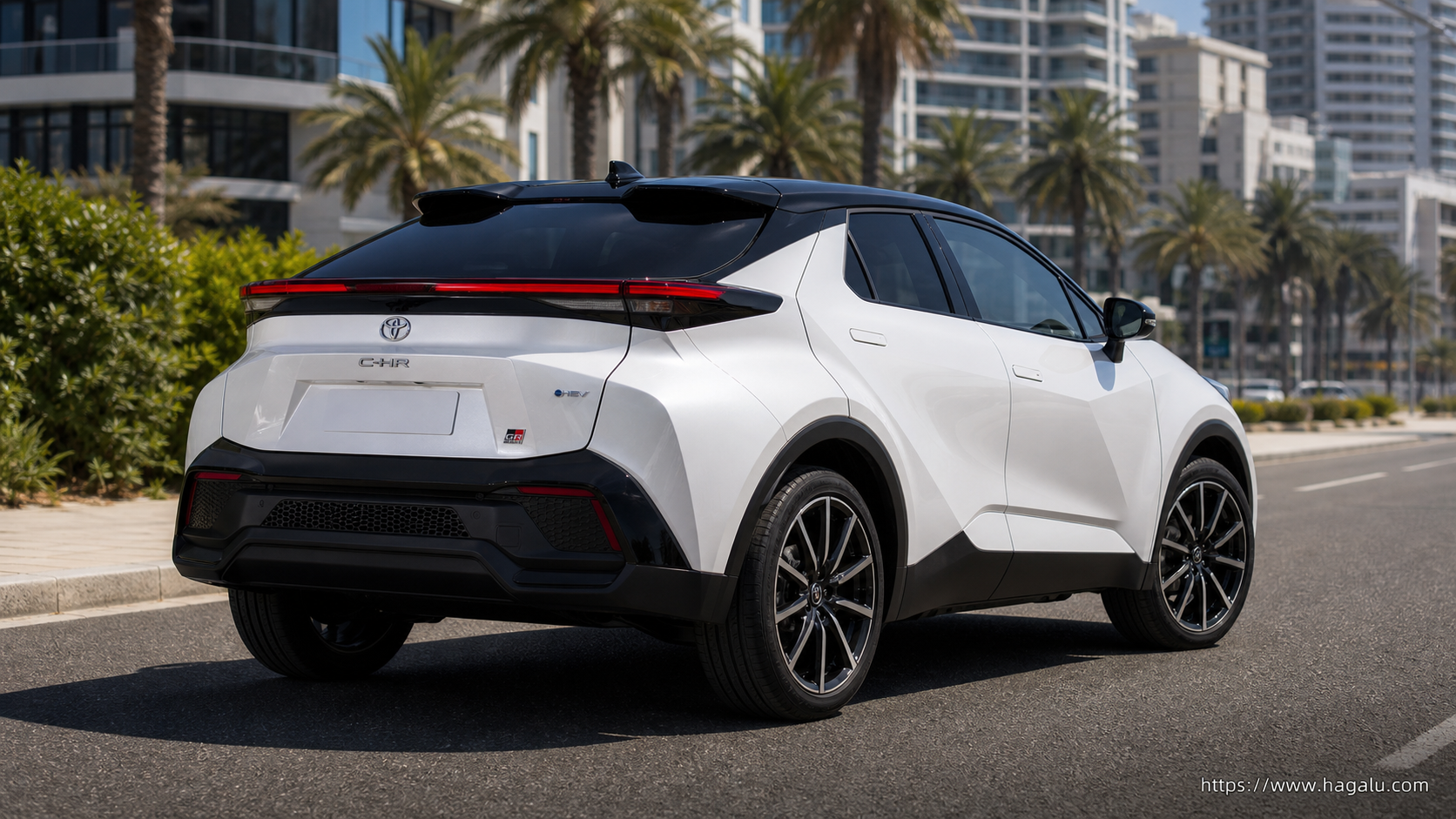
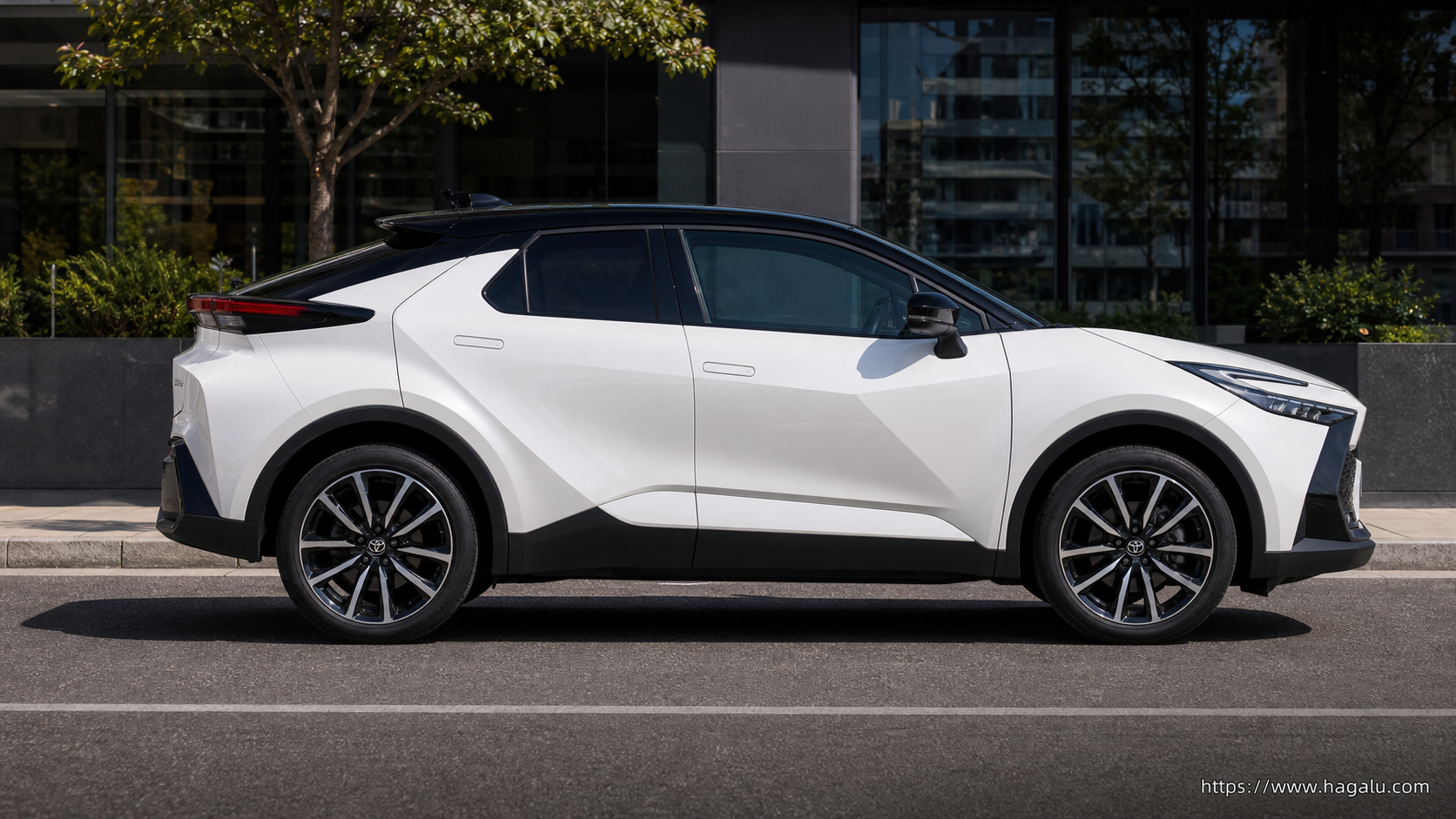
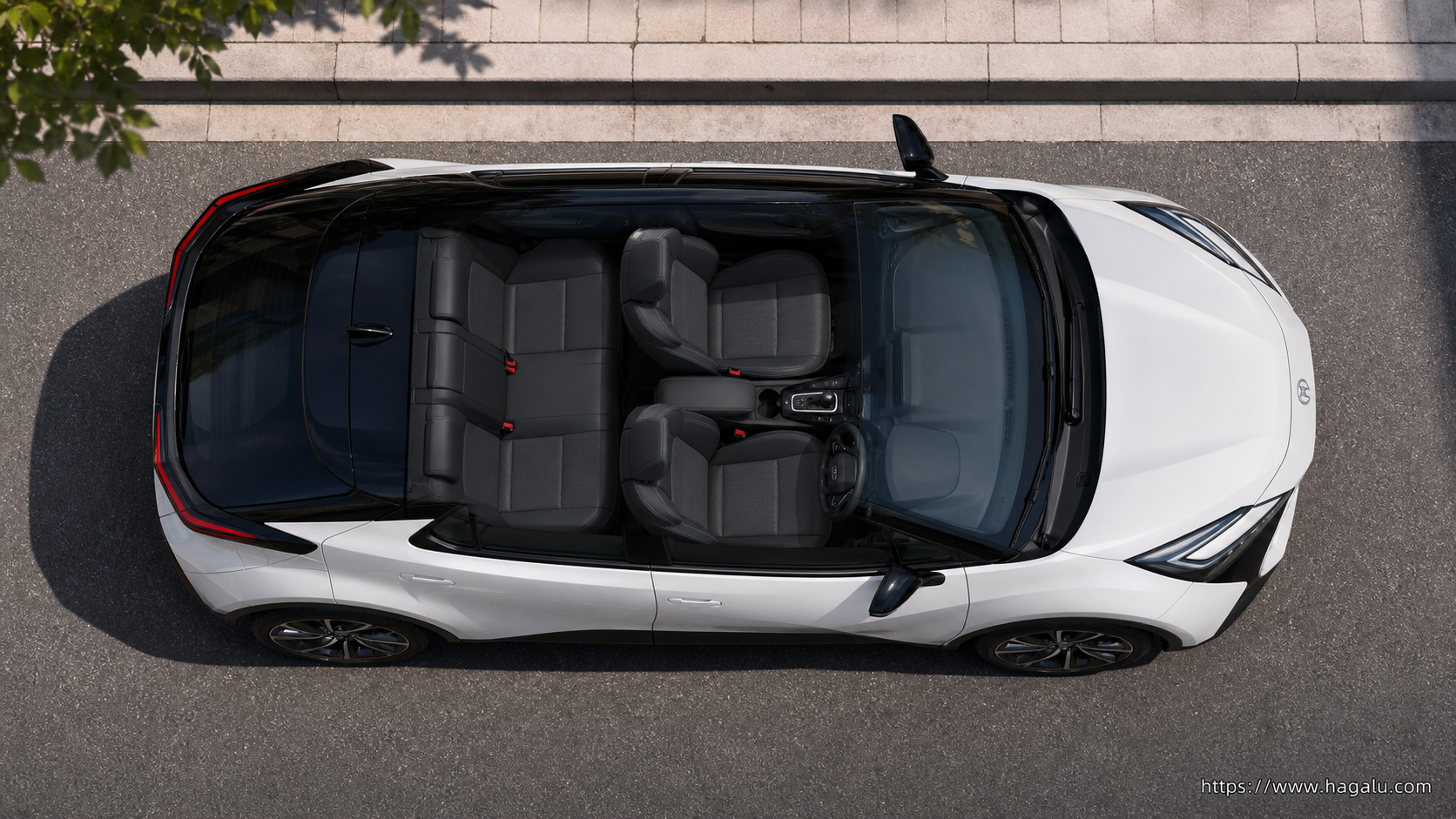
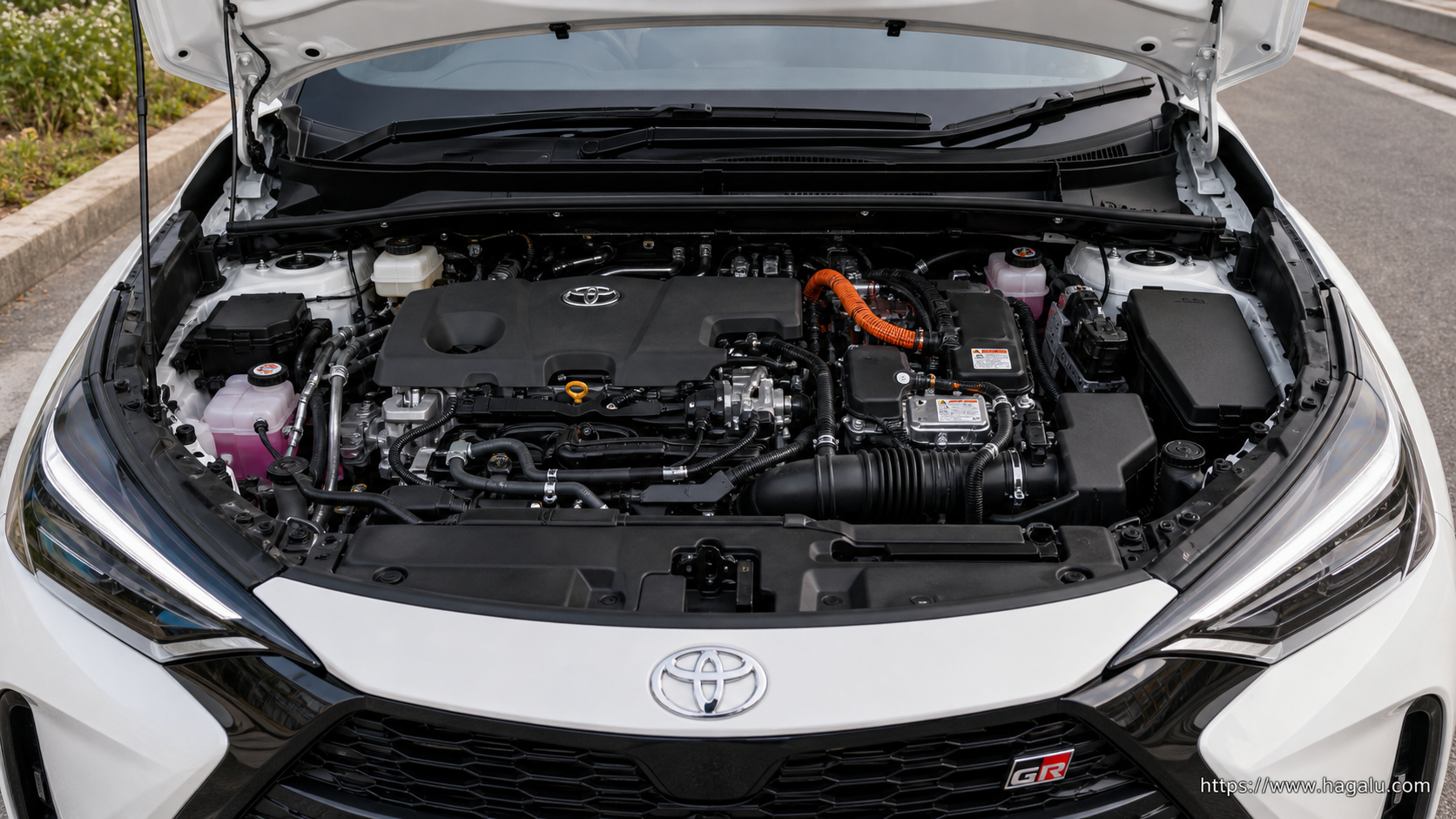
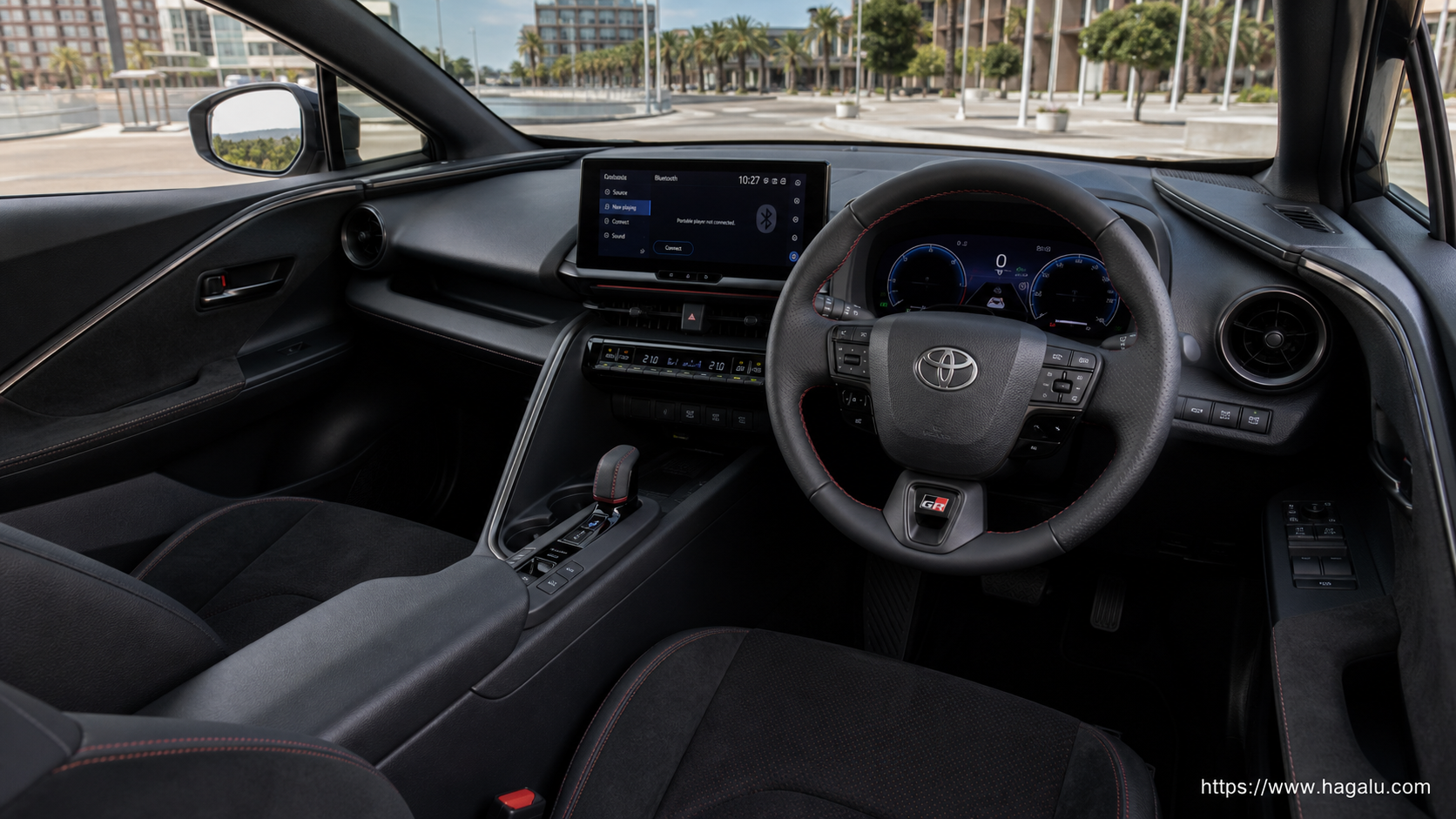
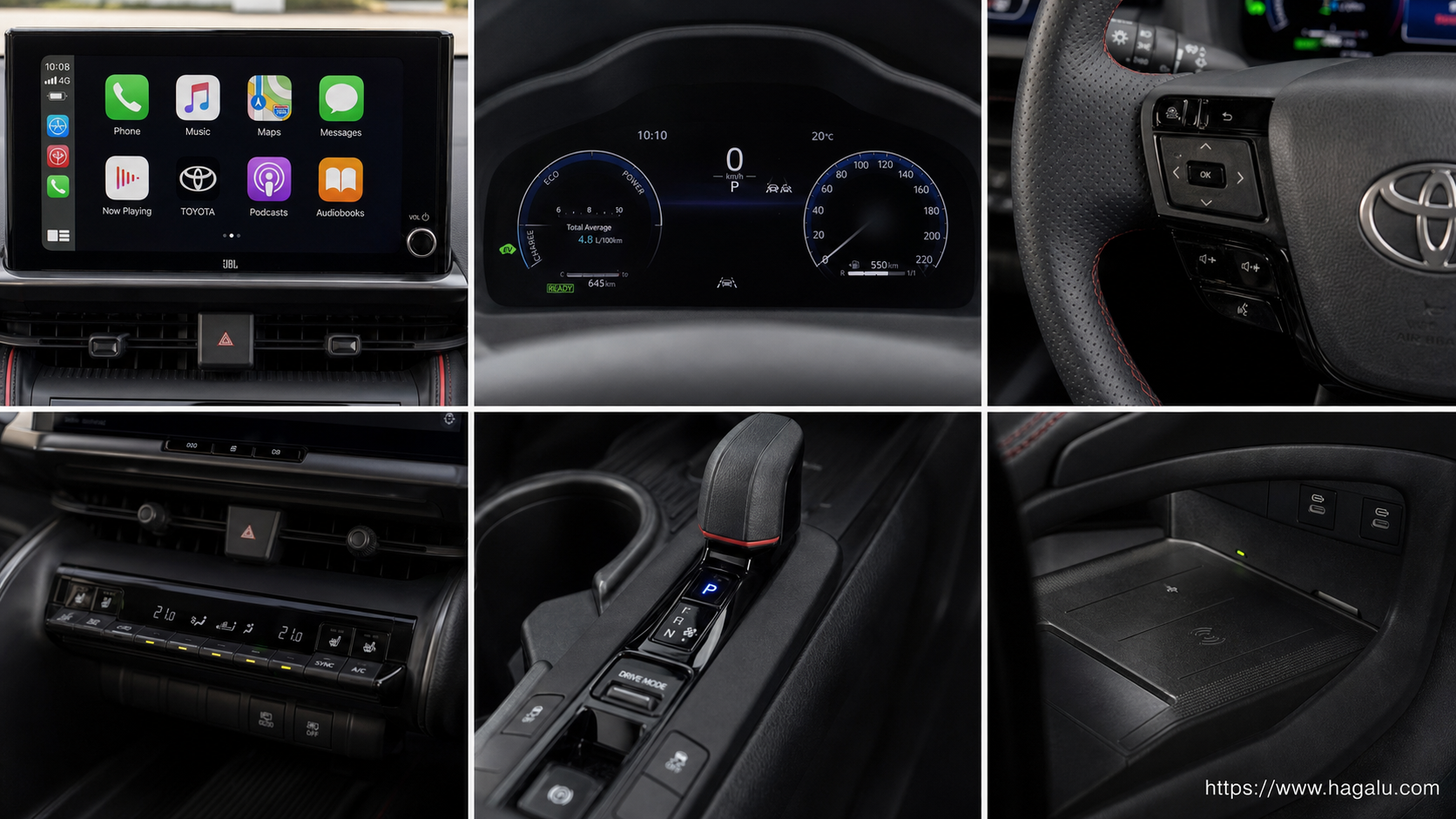
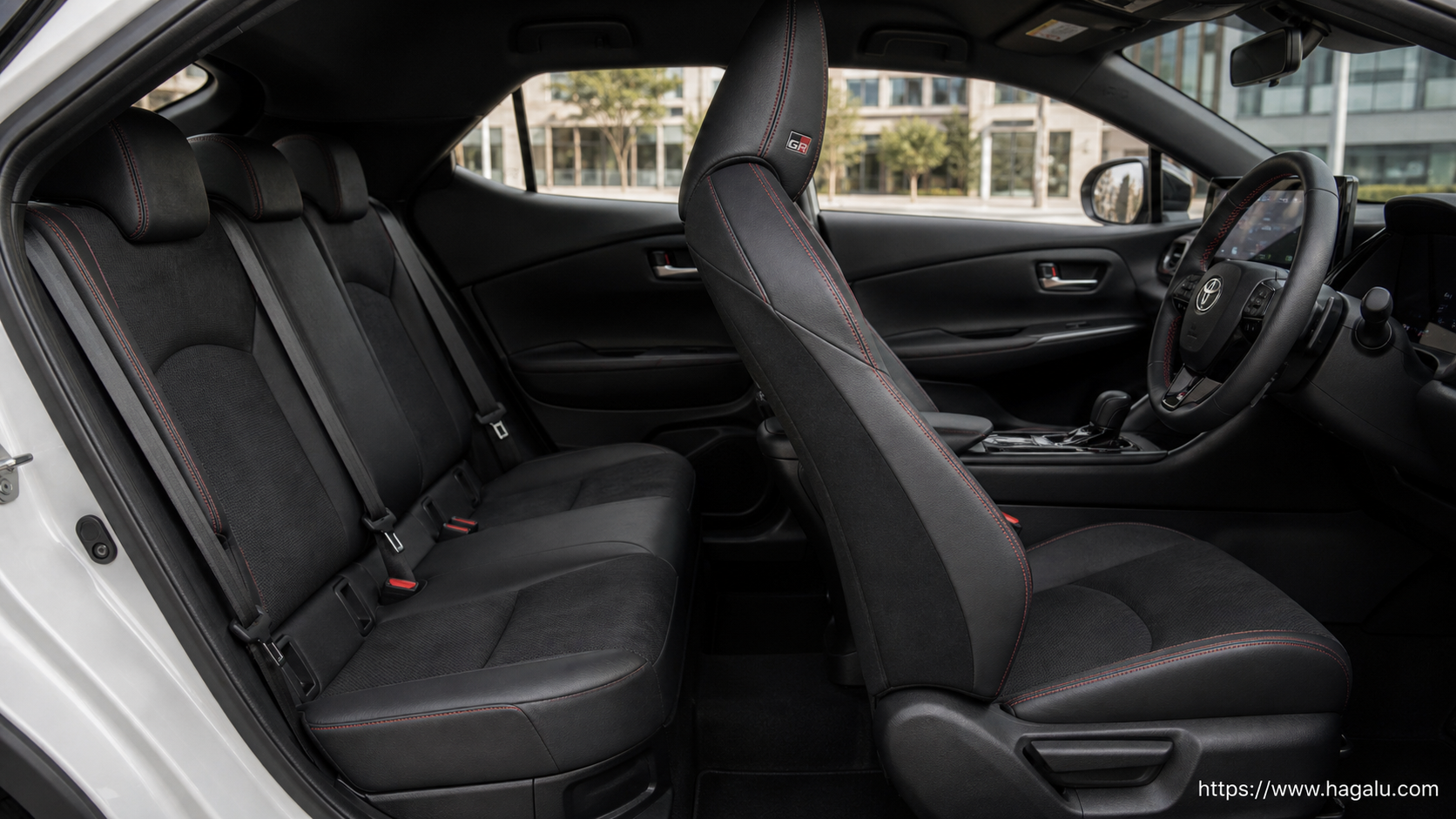
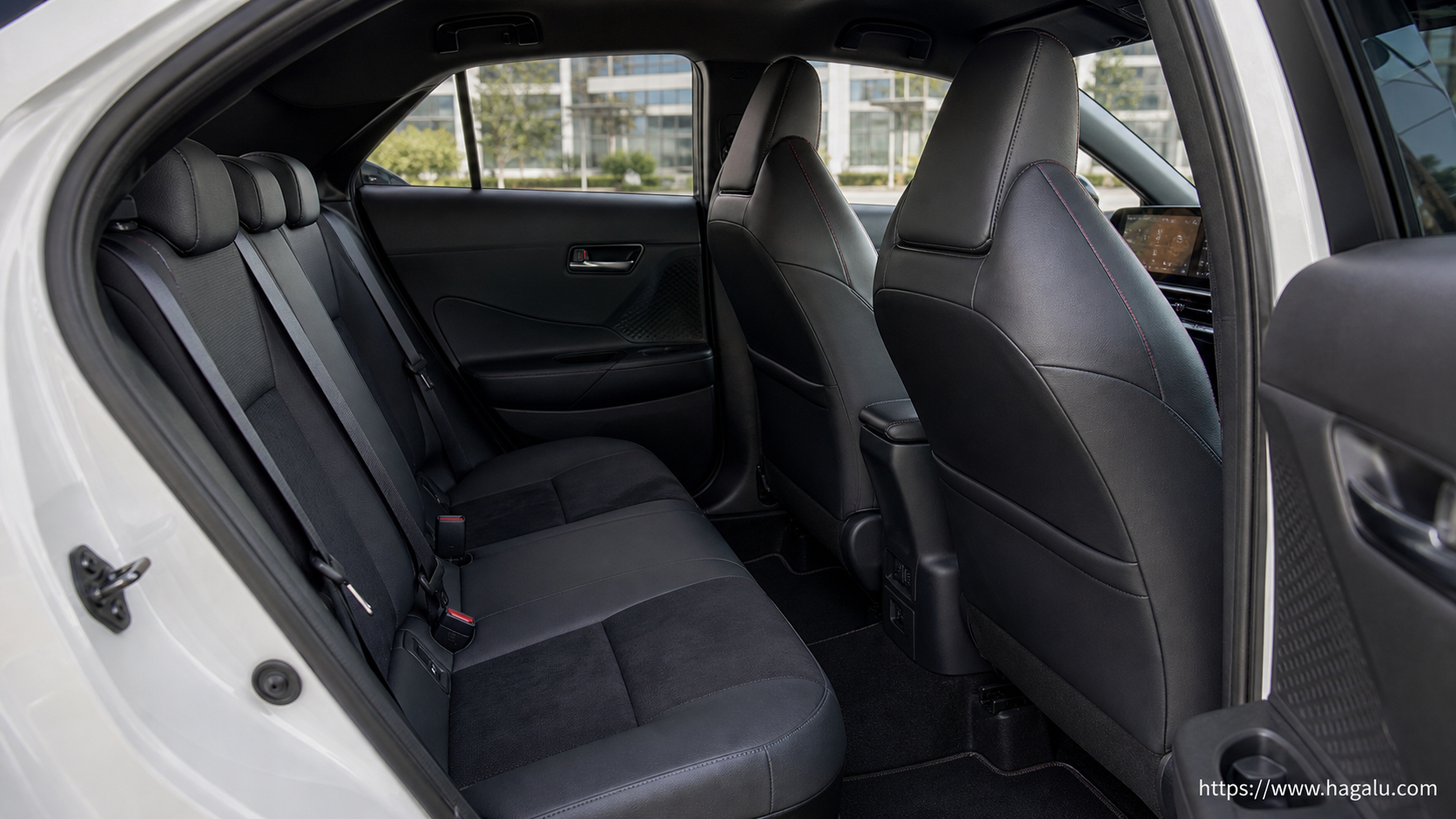
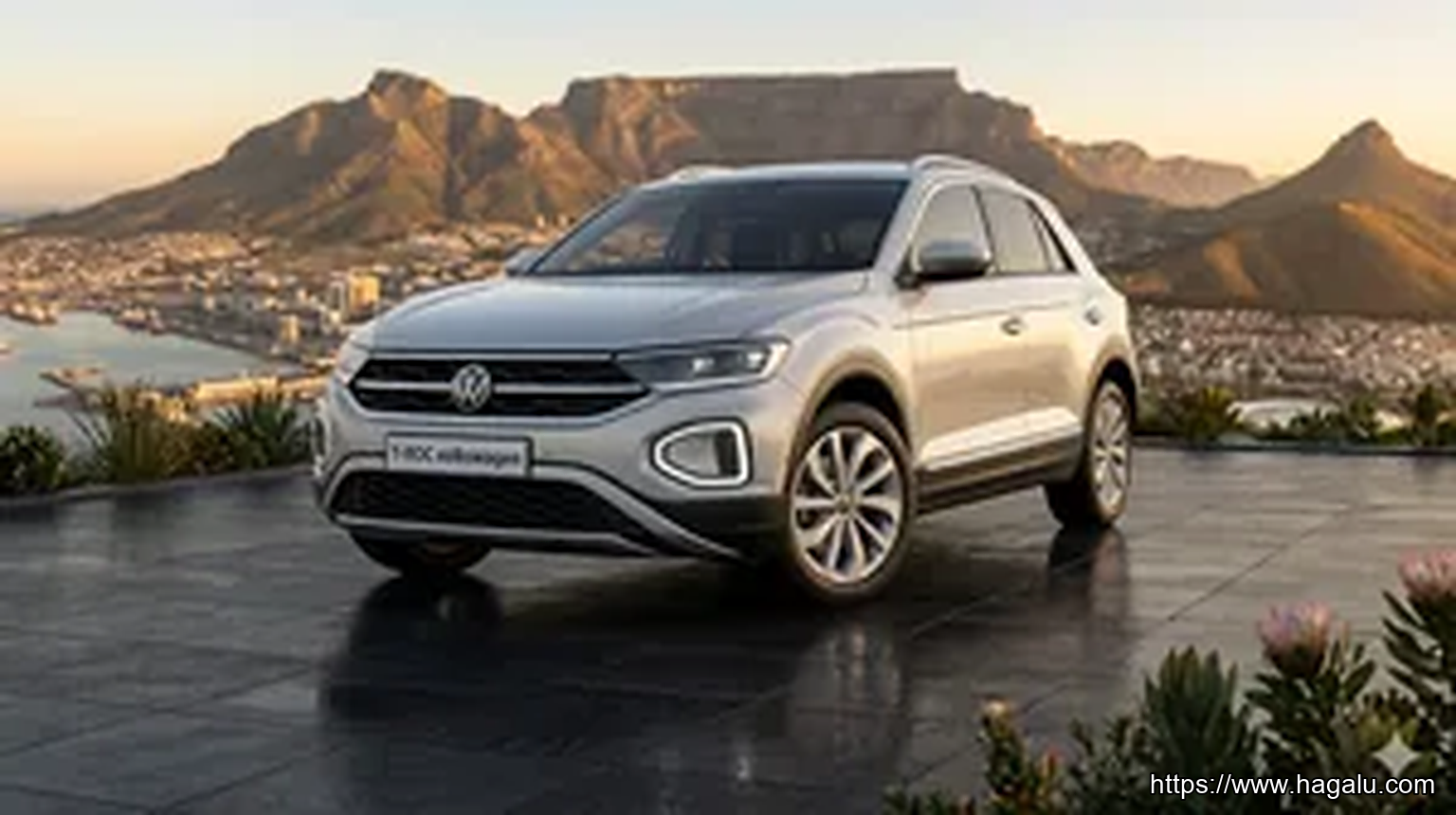
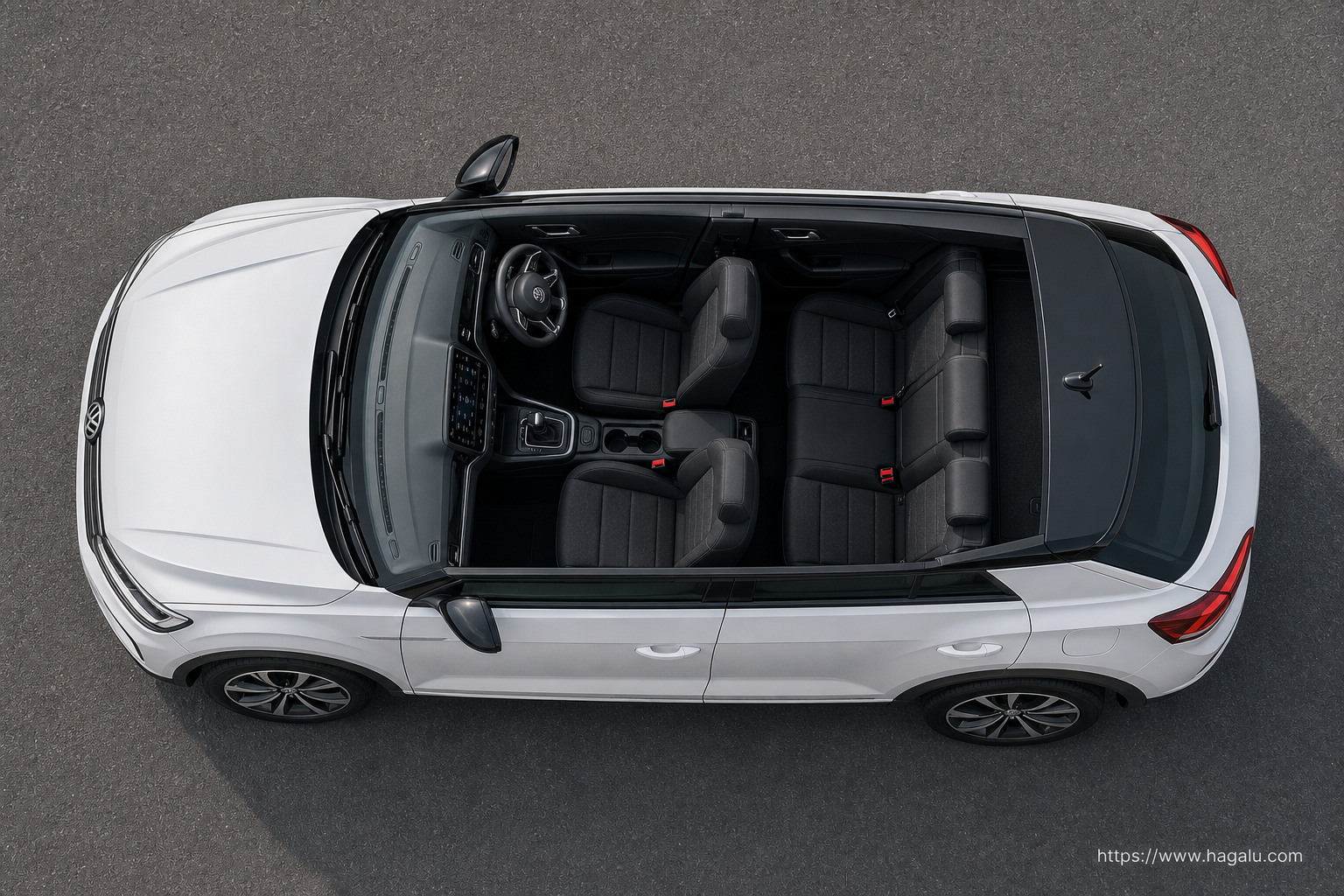
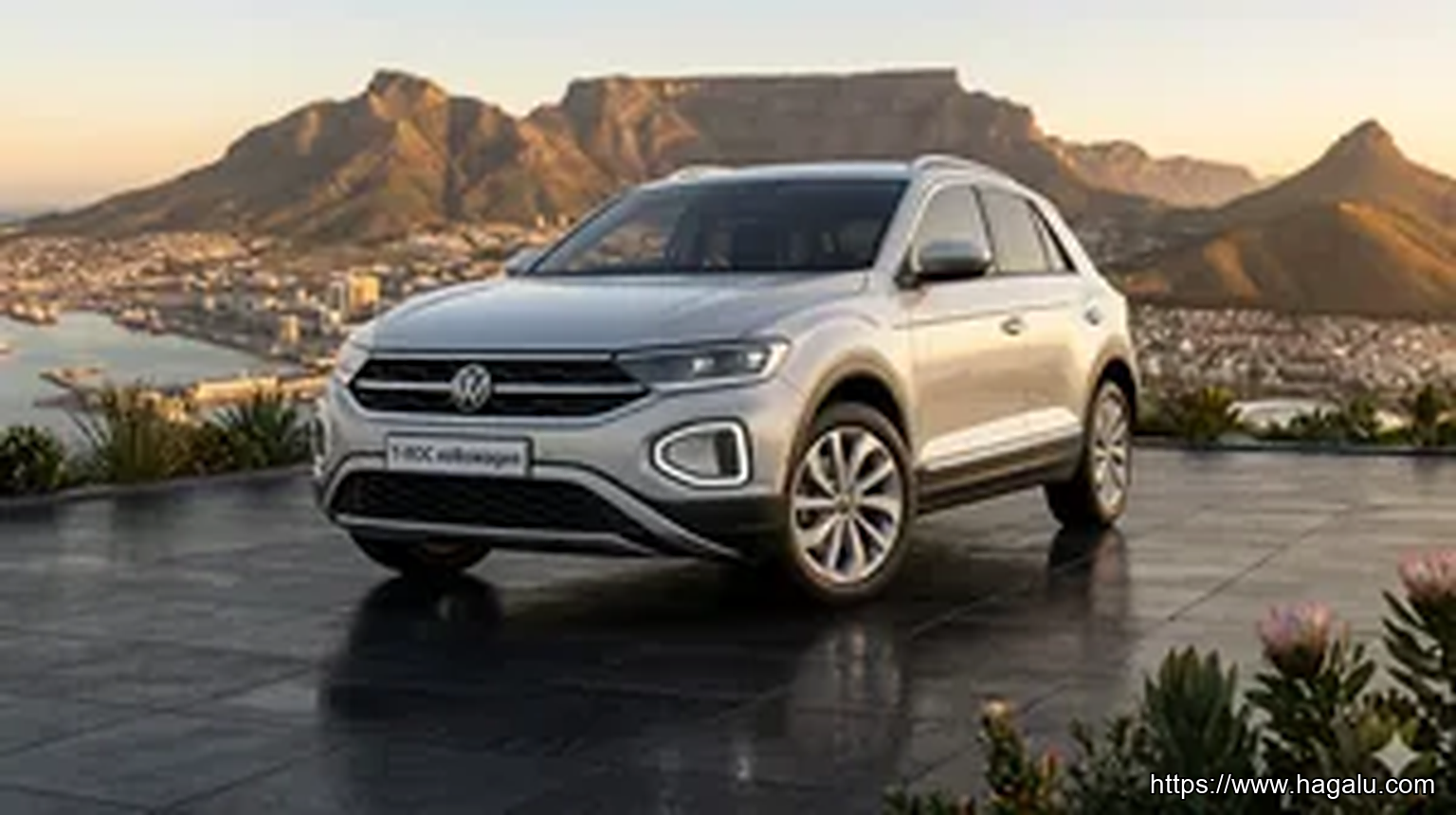
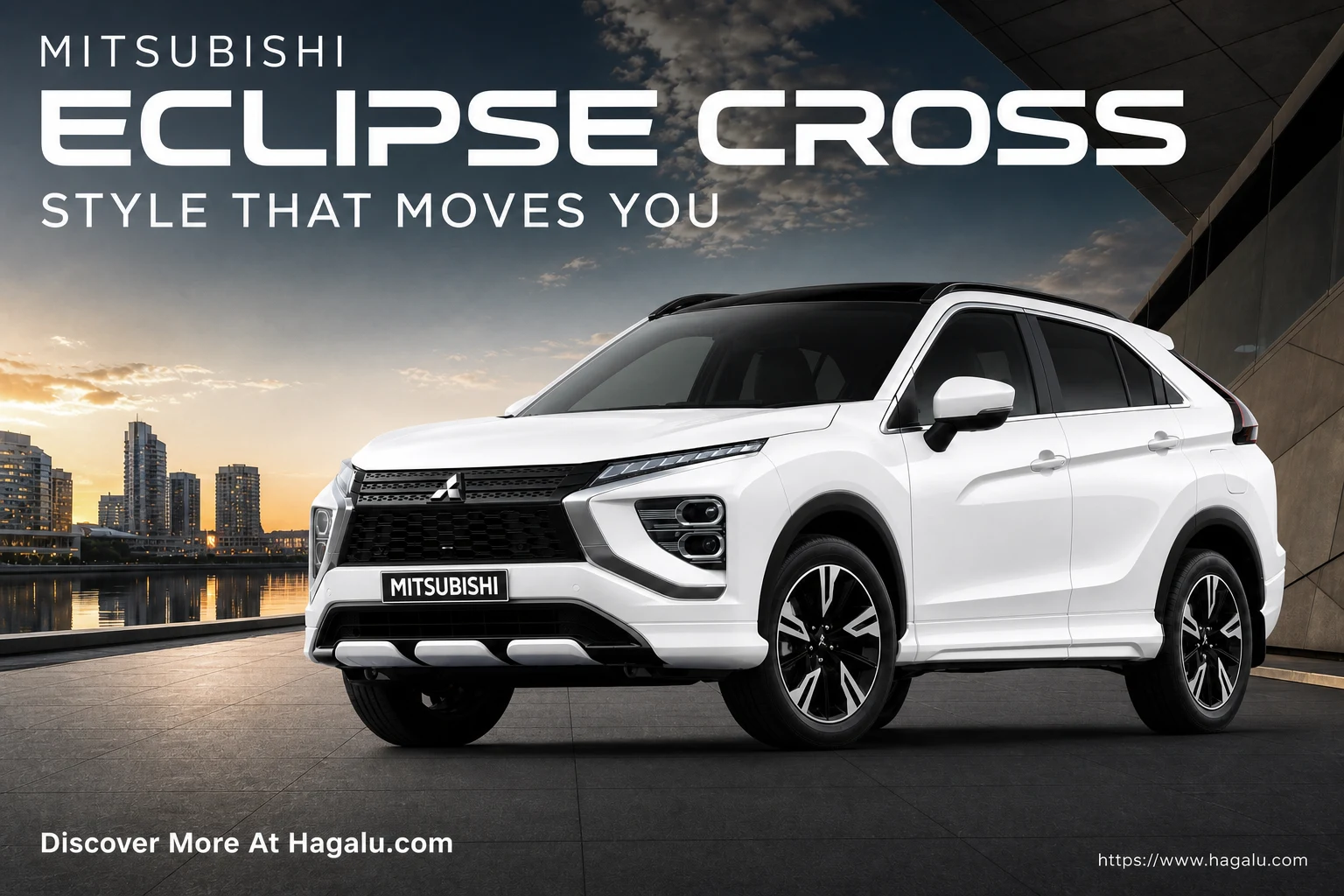
Model imagery
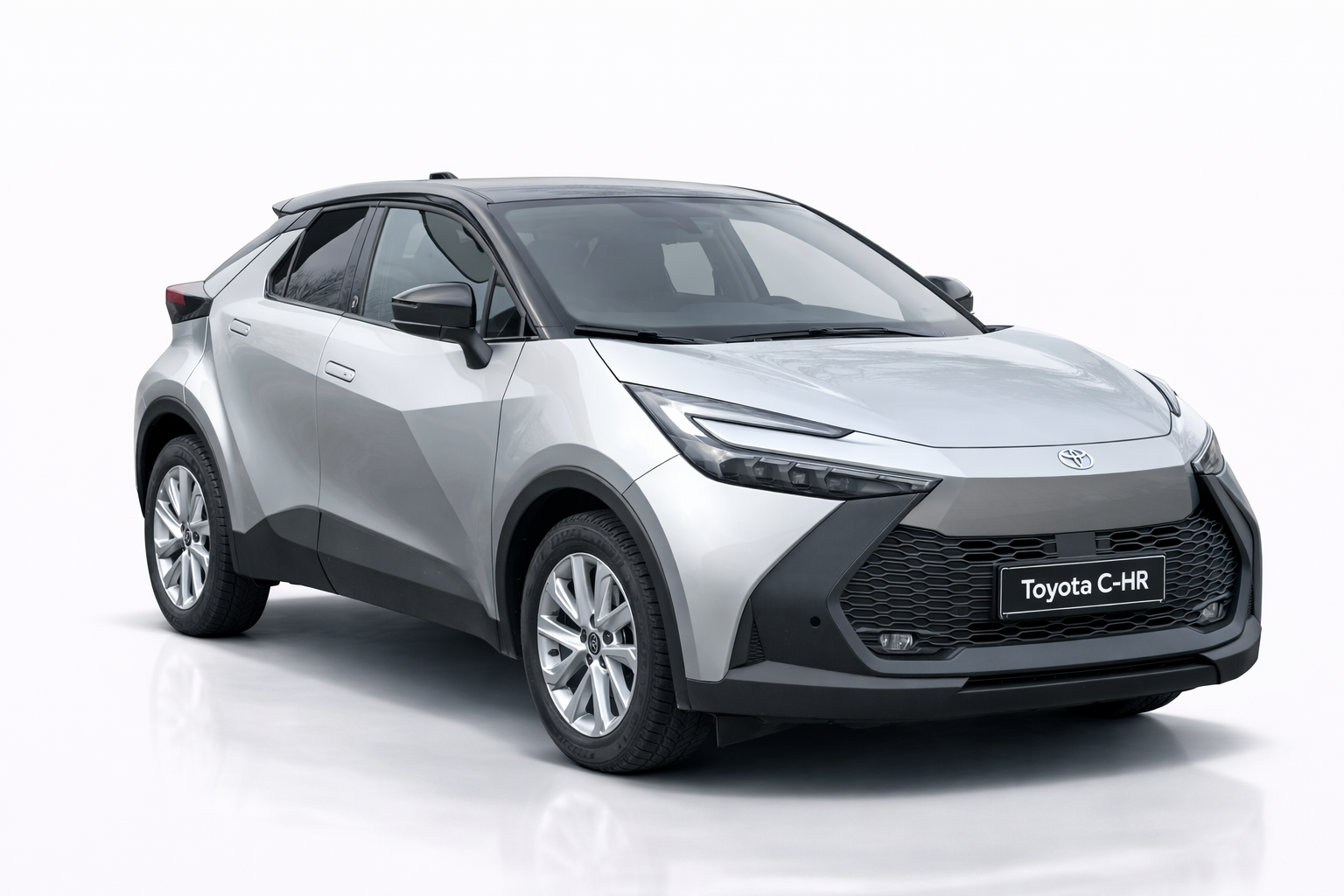
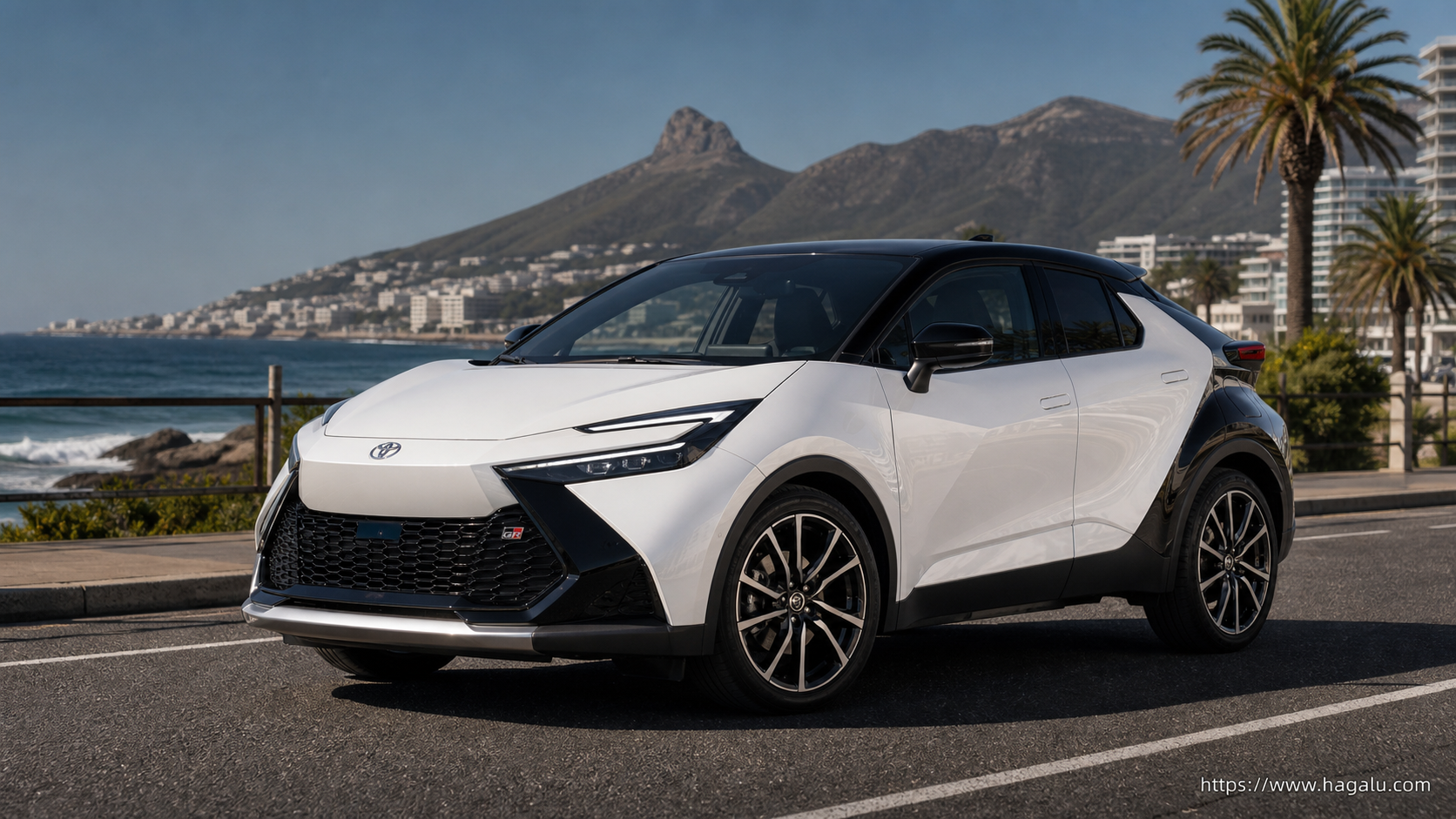
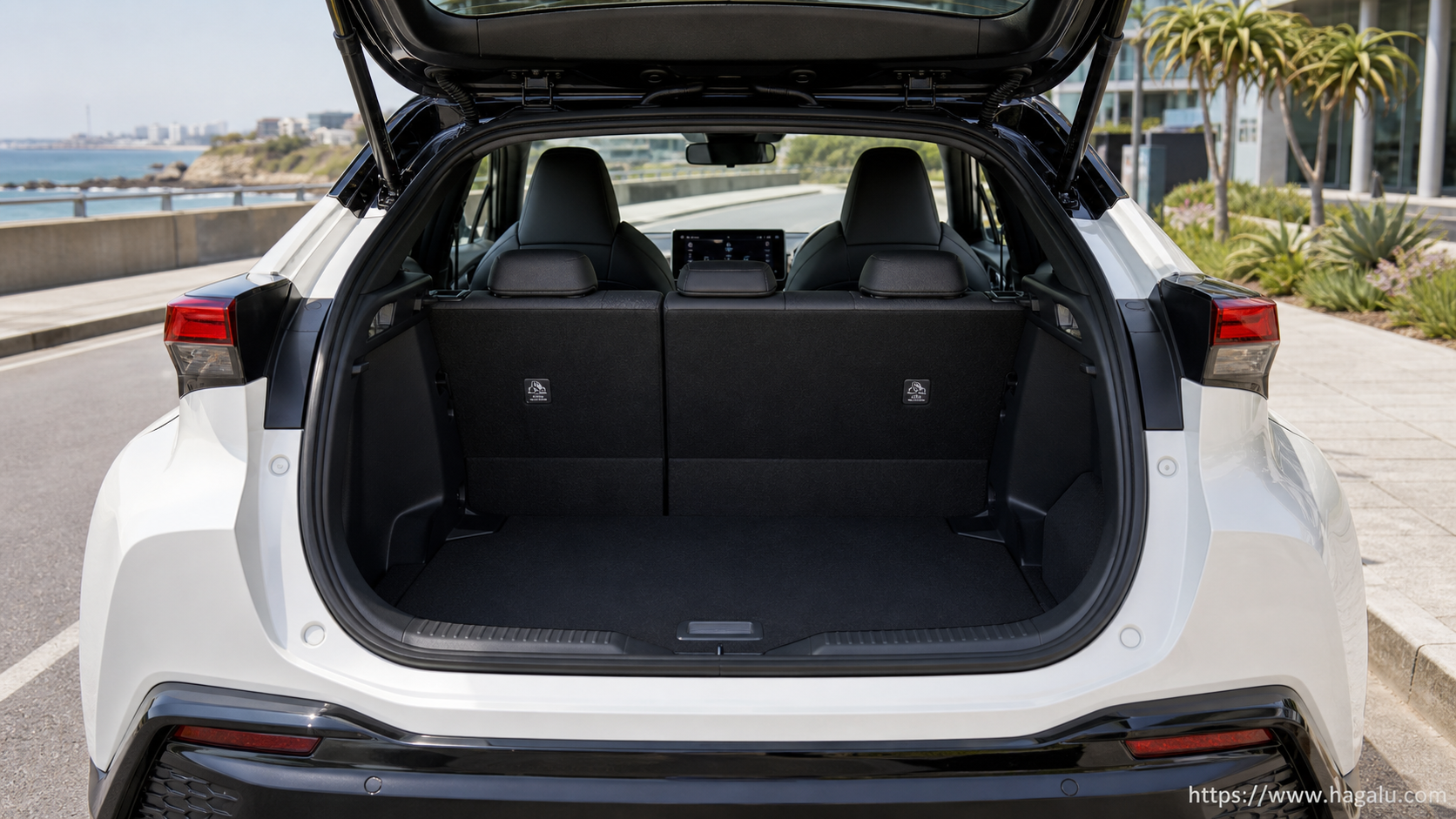
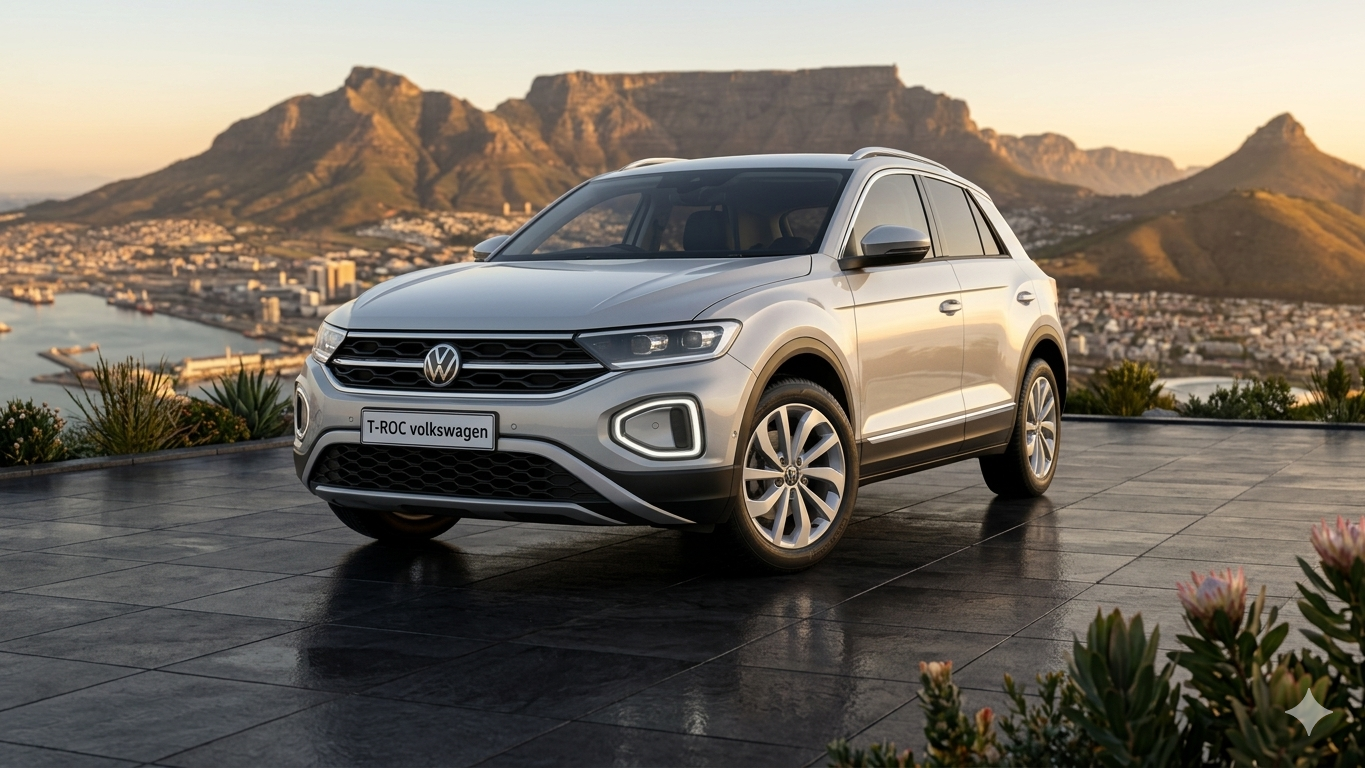
C-HR and T-Roc image comparison
Open an image for its full canonical file or visit the model page for the complete vehicle record.
A transparent comparison of published catalogue fields. This is not a road-test score, owner rating or editorial review rating, and it appears only when every vehicle clears the same comparable-data threshold.
Evidence / 100
Evidence-index readout
C-HR leads by 0 points
C-HR and T-Roc are close on the comparable published fields, so buyer priorities should decide.
Close catalogue match. Buyer priorities should decide the outcome.
Why this scoreView full breakdown
Evidence-index leader
C-HR
Performance
53/100
Efficiency
78/100
Safety
98/100
Practicality
57/100
Ownership
43/100
T-Roc
Performance
64/100
Efficiency
61/100
Safety
99/100
Practicality
58/100
Ownership
43/100
What the evidence means
Evidence indexToyota C-HR
leads the specification evidence index with 67 pts
vs 67 pts for T-Roc
In Hagalu's specification evidence index, C-HR leads. However, T-Roc may suit buyers prioritising different confirmed fields. Ultimately, the right choice depends on your driving priorities in South Africa.
Related comparisons
Continue with closely related South Africa models and comparable body styles.
There is no universal winner. Use the comparison table to match the models and available derivatives in South Africa on price, safety equipment, space, powertrain and ownership cover. The category indicators summarise published catalogue data; they are not a road test or customer rating.
Compare the published consumption or mileage rows for the exact derivatives using the same unit and test basis. A catalogue figure is useful for like-for-like comparison, but traffic, speed, load, weather and driving style can change actual fuel use.
Compare only equipment explicitly listed for each derivative, including airbags, stability control and driver-assistance systems. Confirm the exact trim with the manufacturer, and treat any independent crash-test result separately because equipment and ratings can differ by market.
A reliable five-year total cannot be calculated from catalogue data alone. Add the exact purchase and finance cost, fuel or electricity, insurance quotes, scheduled servicing, tyres and expected resale value. Check whether the selected derivative includes a service or maintenance plan.
Use the seating, boot or load-space, ISOFIX and safety rows as a first check. Then test the exact cars with your child seats, passengers and typical luggage, because published dimensions do not show every access or comfort difference.
Compare the published power, torque and 0–100 km/h rows when they are available for both exact derivatives. Vehicle weight, gearing and power delivery also matter, so catalogue outputs alone do not establish real-world overtaking or response.
Compare
Get Best Price
We'll Contact You
Fill in your details and a dedicated executive will reach out shortly.
✓
We've Got Your Details!
An executive will contact you shortly. Thank you for your interest.