New Pickups in South Africa
South Africa is one of the world's biggest bakkie markets. The Toyota Hilux has been the country's best-selling vehicle overall — not just best-selling bakkie — for more than a decade. The reason is simple: bakkies work here. They haul tools for contractors, carry agricultural loads on farms, serve as school run cars in rural areas, and double as recreational vehicles for campers and 4x4 enthusiasts. The range covers single cab workhorses to double cab lifestyle models that cost as much as a premium SUV.
Live catalogue
Compare new Pickups in South Africa by exact derivative
Filter by powertrain, sort the local price context, and open each model for the published specifications behind the card.
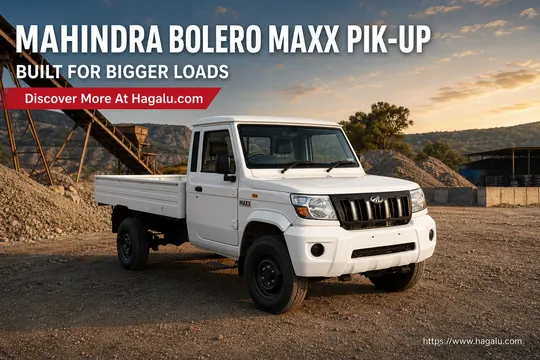 Diesel
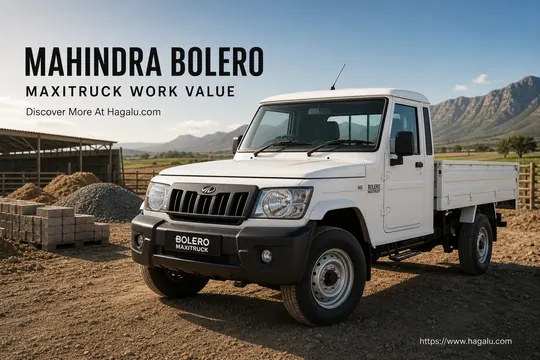 Diesel
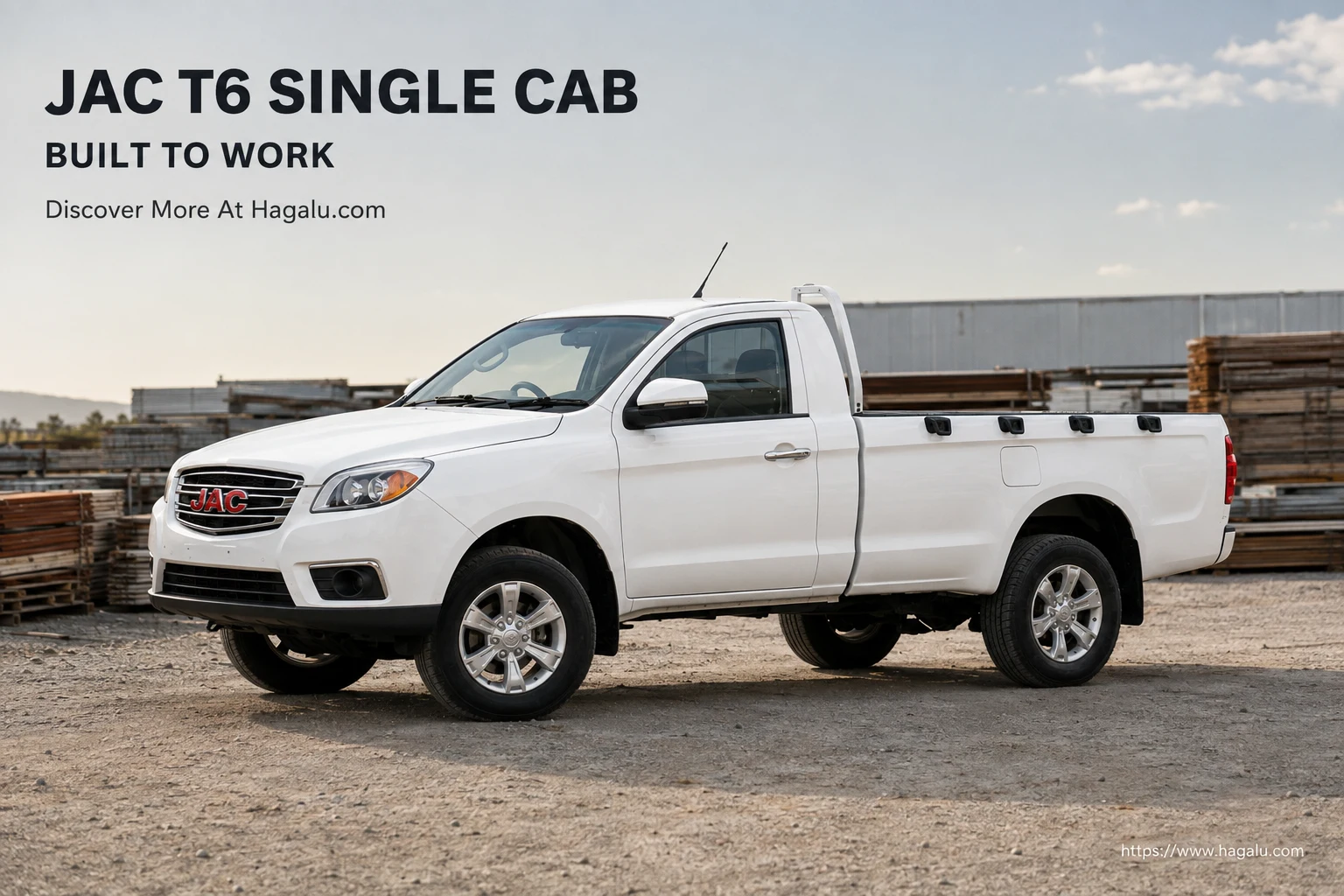 Diesel
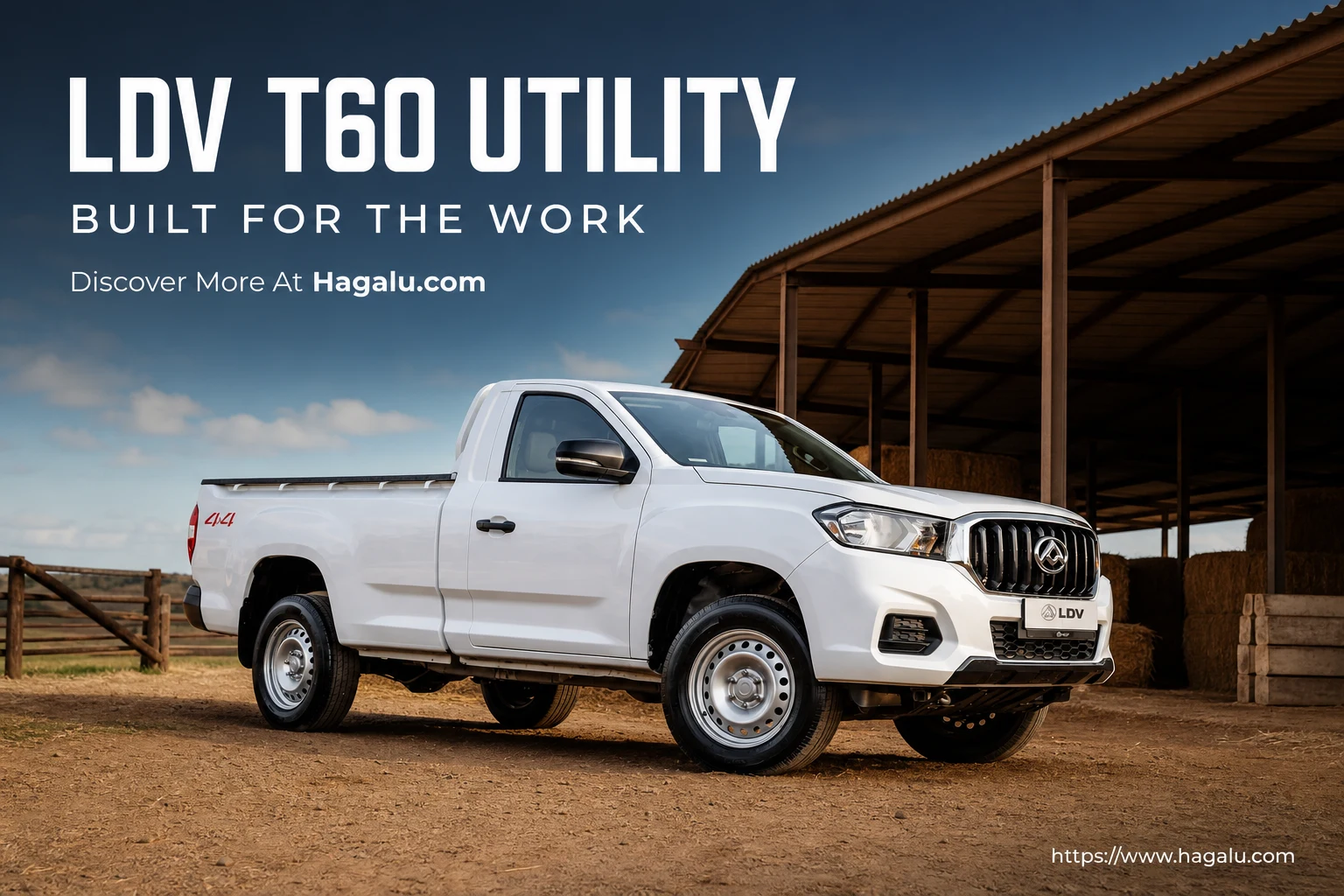 Diesel
 Diesel
 Diesel
 Diesel
 Diesel
 Diesel
 Diesel
 Diesel
 Diesel
Frequently Asked Questions
Which bakkie sells best in South Africa?
The Toyota Hilux has been SA's best-selling vehicle for over a decade, typically selling between 2,500 and 3,500 units per month. The Ford Ranger is its closest competitor. Both outsell every passenger car and SUV. The Isuzu D-Max holds a loyal base, particularly in fleet and agricultural use.
What is the towing capacity of a typical double cab bakkie?
Most diesel double cab bakkies are rated to tow 3,000–3,500kg braked trailer. The Toyota Hilux 2.8 and Ford Ranger bi-turbo both tow 3,500kg when properly configured. The actual safe towing limit in everyday use is closer to 2,500–3,000kg — you'll rarely max the rating without noticing the load. Always check your specific variant's tow ball rating before hitching up.
Is a bakkie more expensive to insure than an SUV?
Commercial vehicles including single-cab bakkies are often cheaper to insure than passenger SUVs because they are classified differently. Double cab lifestyle bakkies can cost similarly to SUVs of equivalent value. Canopy fitment, immobiliser, and tracking devices all reduce premiums. Some insurers charge more for bakkies used in rural areas due to theft risk.