City
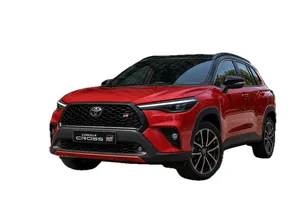
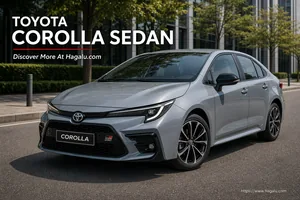
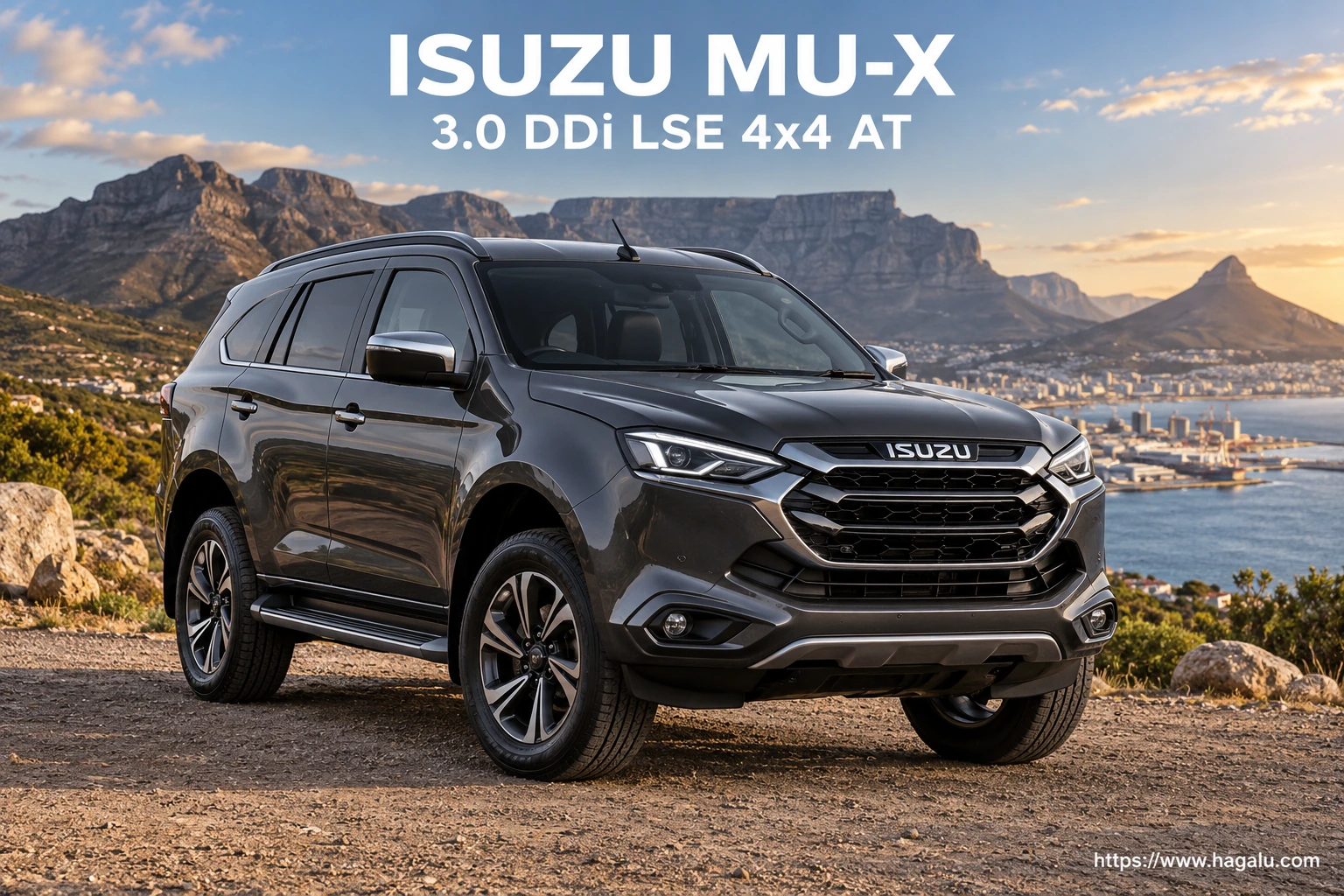
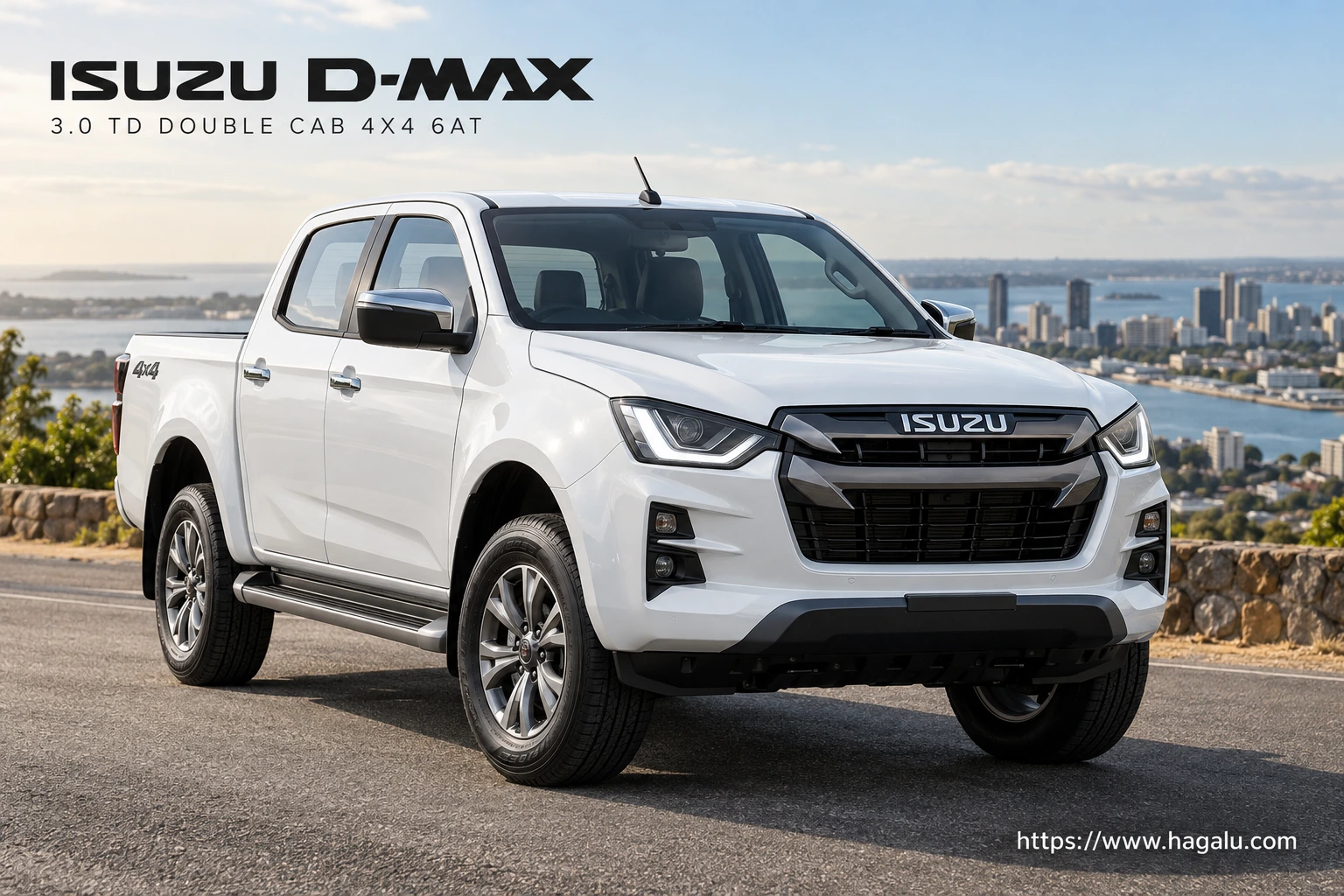
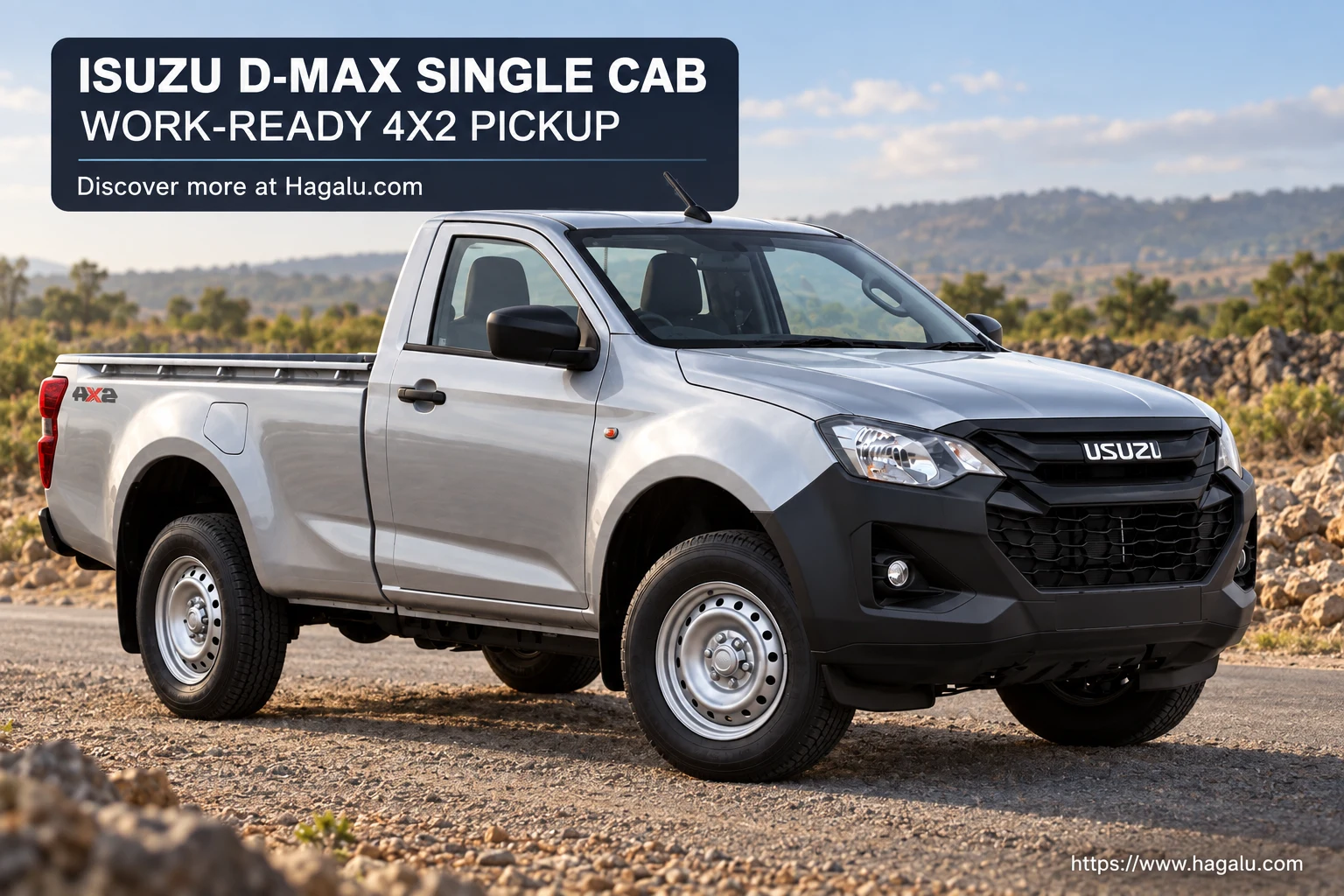
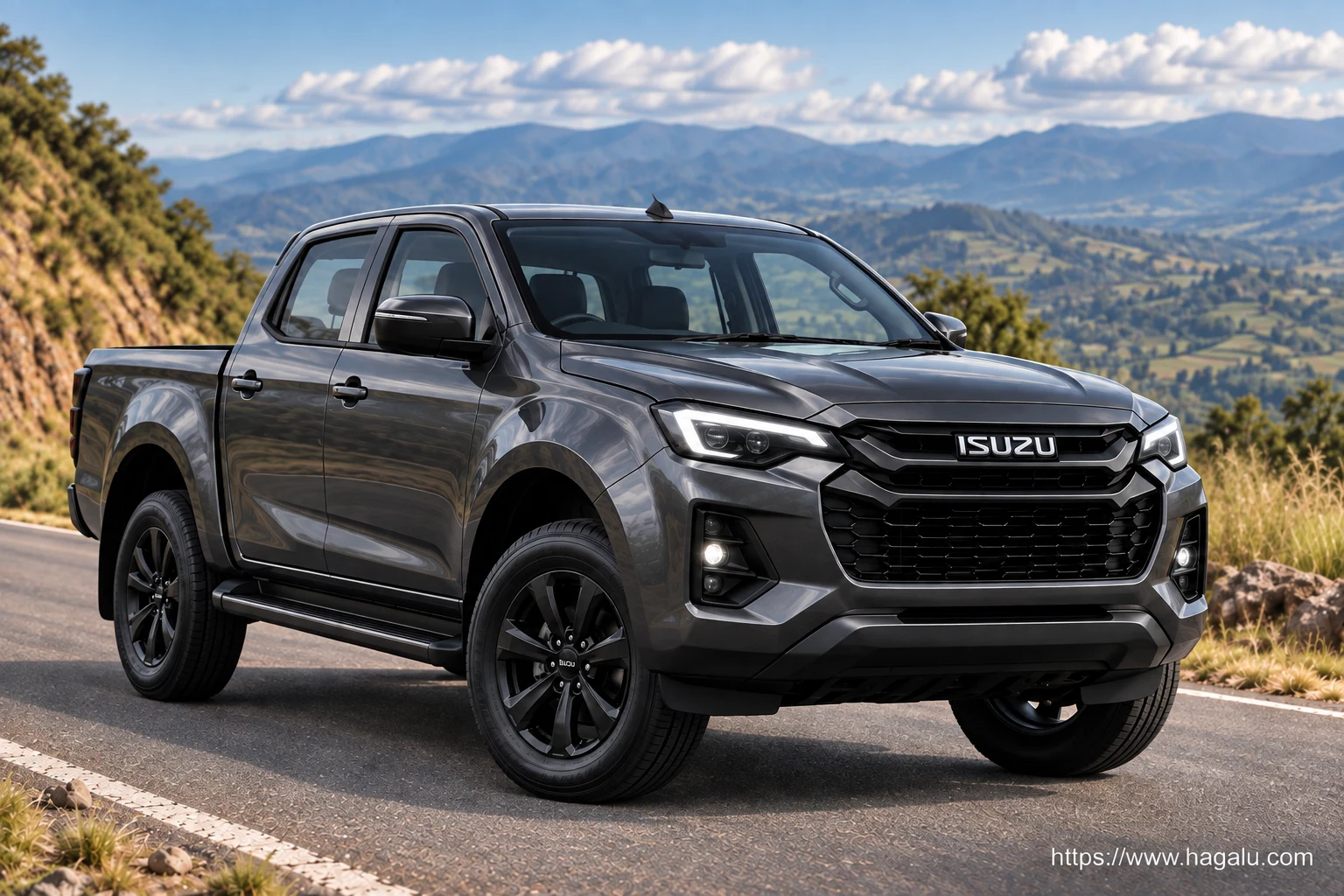 Model-range gallery; colour, wheels and trim may differ
1 / 5
Model-range gallery; colour, wheels and trim may differ
1 / 5
Pickup
Diesel
Not Published
Isuzu Next-generation D-Max
Kenyan forecast watchlist — timing and confidence are planning context
Model year
2028
Generation
Long-range Kenya forecast for a future D-Max lifecycle replacement in 2028-2029; Isuzu has not announced a Kenya model or generation specification.
Body style
Pickup
The Next-generation D-Max Promotional Preview is a low-confidence 2028-2029 Kenya lifecycle watchlist, without a local programme, design, powertrain, price, or launch confirmation.
Fuel Economy
km/l · US mpg equivalent
Combined
To be announced
City
To be announced
Highway
To be announced
This is an editorial forecast watchlist. Timing and confidence are planning context only; Kenya launch timing, price, design, equipment and final specifications have not been announced.