City
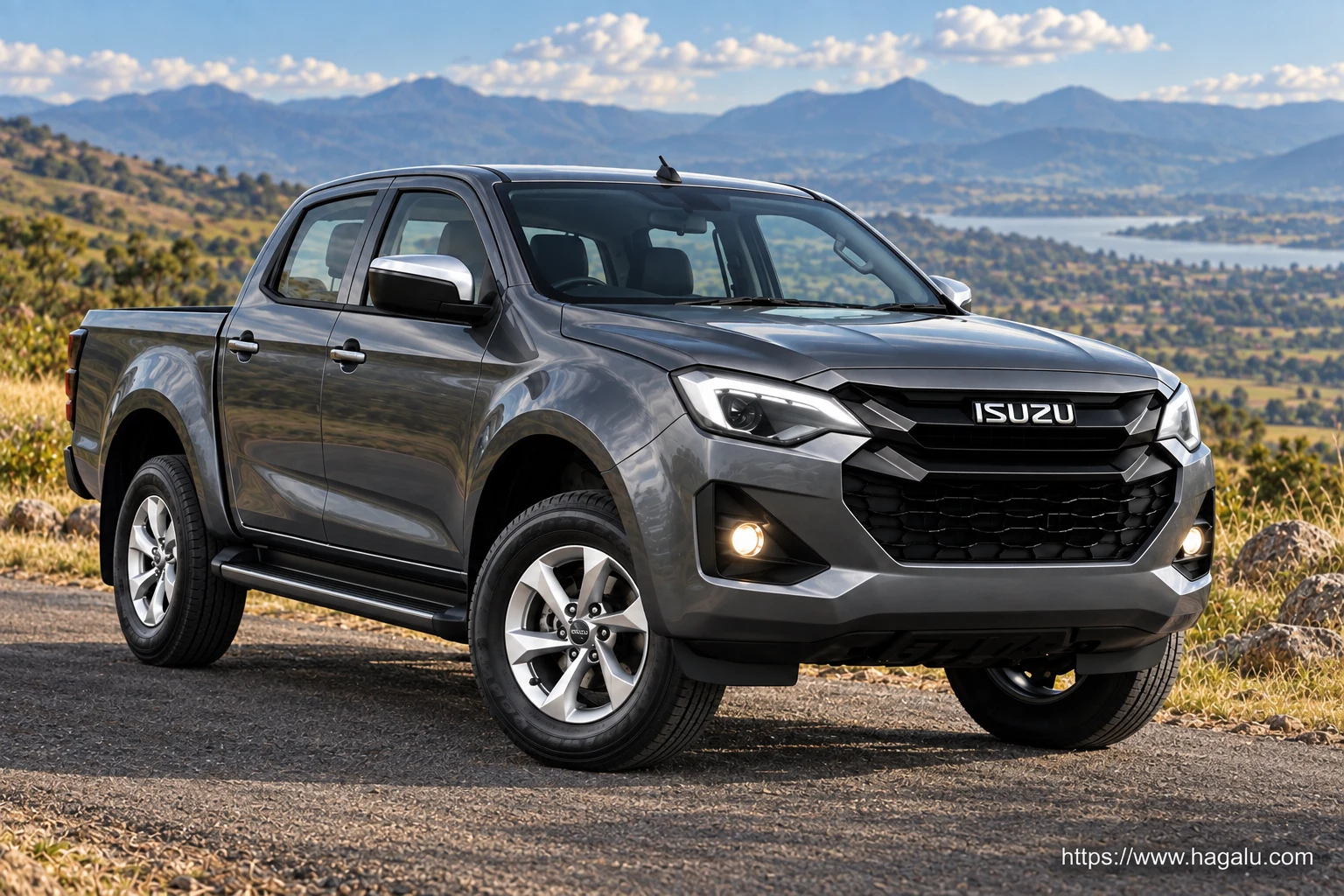 Model-range gallery; colour, wheels and trim may differ
1 / 5
Model-range gallery; colour, wheels and trim may differ
1 / 5
Pickup
Diesel
Not Published
Isuzu D-Max 3.0L 4JJ3 Double Cab
Kenyan forecast watchlist — timing and confidence are planning context
Model year
2027
Generation
Kenya watchlist forecast for a possible 2027 expanded 3.0-litre D-Max Double Cab derivative; final Kenya identity is not announced.
Body style
Pickup
The D-Max 3.0L 4JJ3 Double Cab Promotional Preview follows a possible 2027 expanded Kenyan derivative without pretending that the existing 3.0-litre local reference is a new launch.
Engine:2999cc (3.0L)
Torque:450Nm (332 lb-ft)
Power:140kW (188 bhp)
Hover or tap any pill for a plain-English explanation. Bracketed values show common equivalents (bhp, lb-ft, inches, cu ft).
Fuel Economy
km/l · US mpg equivalent
Combined
To be announced
City
To be announced
Highway
To be announced
This is an editorial forecast watchlist. Timing and confidence are planning context only; Kenya launch timing, price, design, equipment and final specifications have not been announced.