Source type: Toyota Uganda/CFAO specifications; user-supplied estimates for remaining fields
Toyota Starlet vs Suzuki Super Carry
A proper head-to-head in Uganda — compare price, performance, fuel economy or electric range, safety and the details that shape long-term ownership.
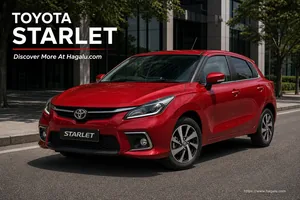
Toyota Starlet
1.5L Petrol AT DELUXE
Petrol
4-Speed Automatic
Current
UGX 98,000,000
ex-showroom
⚡ 77 kW
🔧 138 Nm
⛽ 12.5 km/l
VS
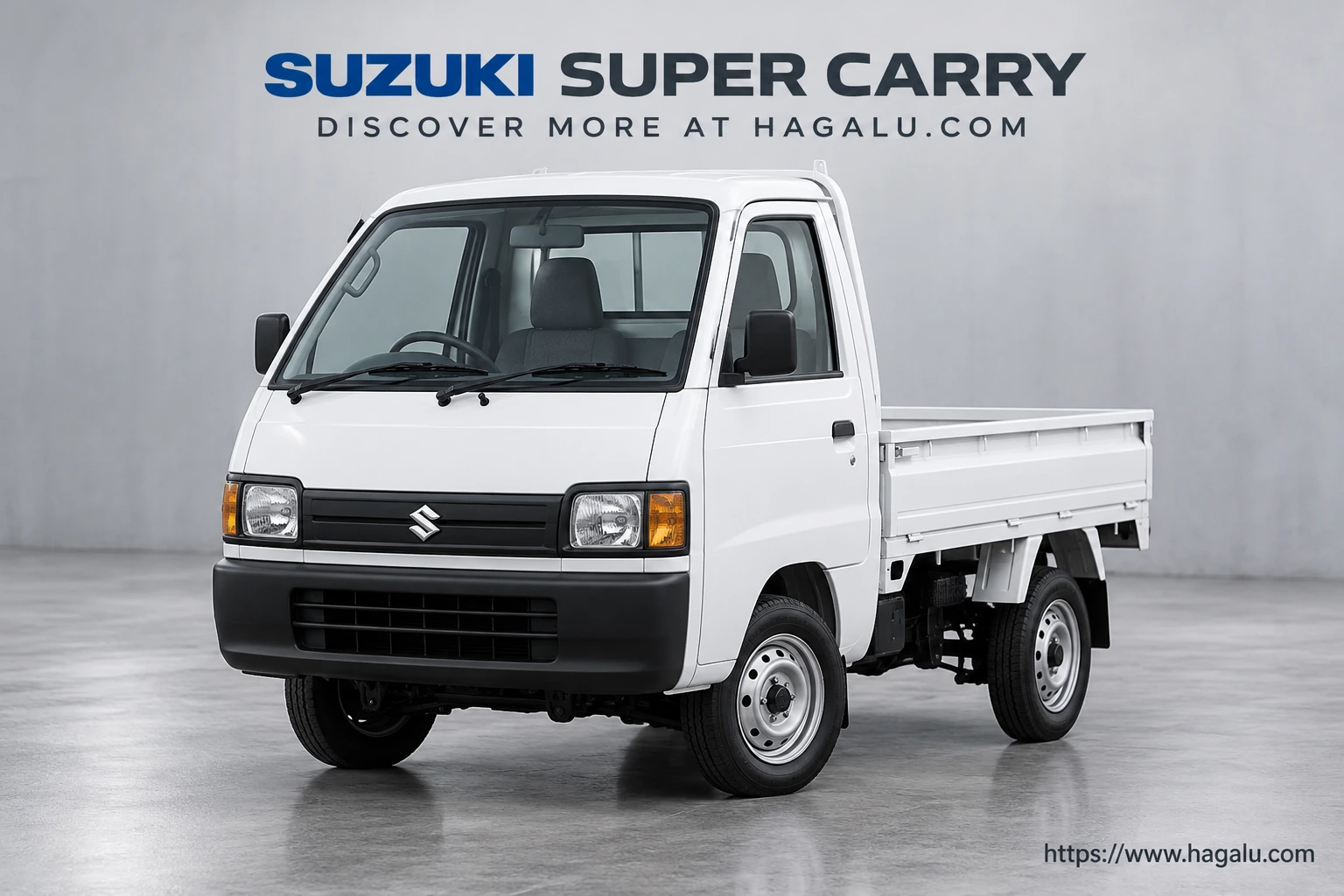
Suzuki Super Carry
SUPER CARRY 2D 2WD 1197p 5MT
Petrol
5-Speed Manual
Current
UGX 68,000,000
ex-showroom
⚡ 77 kW
🔧 138 Nm
⛽ 14.5 km/l
Decision summary
Toyota Starlet vs Suzuki Super Carry: the short answer
Starlet holds a noticeable catalogue-index lead over Super Carry.
Super Carry starts UGX 30,000,000 cheaper
Starlet from UGX 98,000,000 · Super Carry from UGX 68,000,000
Five key differences
Exact selected derivatives| Specification | Starlet | Super Carry |
|---|---|---|
| Maximum Power | Starlet77 kW @ 6000 rpm | Super Carry77 kW @ 6000 rpm |
| Maximum Torque | Starlet138 Nm @ 4400 rpm | Super Carry138 Nm @ 4400 rpm |
| Engine Size | Starlet1462 cc | Super Carry1197 cc |
| Combined Fuel Economy | Starlet12.5 km/l | Super Carry14.5 km/l |
| Ground Clearance | Starlet150 mm | Super CarryNot Officially Disclosed |
Strongest published figure in that row; no road-test winner is implied.
Source type: Suzuki Uganda local distributor/source record
What Each Car Gets Right (and Wrong)
Specification evidence leader
Starlet
Strengths
- More powerful engine output
- Stronger listed safety equipment
- Stronger published practicality figures
Weak Spots
- Lower fuel efficiency
Best suited to:
Published Performance
Published Practicality
Super Carry
Strengths
- Better fuel efficiency
Weak Spots
- Less powerful engine setup
- Fewer listed safety features
- Lower published practicality figures
Best suited to:
Published Efficiency
Which One's Right for You?
Starlet
- Buyers prioritising the stronger published powertrain figures
- Buyers prioritising the more complete listed safety equipment
- Buyers prioritising the stronger published space and capacity figures
Super Carry
- Buyers prioritising the lower published fuel or energy use
Full Specs, Side by Side
| Spec | Starlet | Super Carry |
|---|---|---|
| Model Introduced Year | 2022 | 2023 |
| Generation | 1.5-litre Starlet revision introduced to Uganda in June 2023 | Current Uganda-market generation |
| Facelift History | Uganda nameplate launch in February 2022; 1.5-litre engine and revised body introduced in June 2023 | Current-generation specification |
| Facelift Launched Since | 2023 | 2023 |
| Facelift Version Ending | Current | Current |
| Body Style | Hatchback | Pickup |
| Model Year | 2023-on Uganda 1.5-litre range | 2026 |
| Production Status | active | active |
| Segment | Compact hatchback | Light commercial vehicle |
| Vehicle Type | Passenger car | Pickup |
| Spec | Starlet | Super Carry |
|---|---|---|
| Length | 3990 mm | Not Officially Disclosed |
| Width | 1745 mm | Not Officially Disclosed |
| Height | 1500 mm | Not Officially Disclosed |
| Wheelbase | 2520 mm | Not Officially Disclosed |
| Ground Clearance (Default) | 150 mm | Not Officially Disclosed |
| Ground Clearance (With Full Seating Load) | 130 mm | 150 mm |
| Fuel Tank Capacity | 37 l | 40 l |
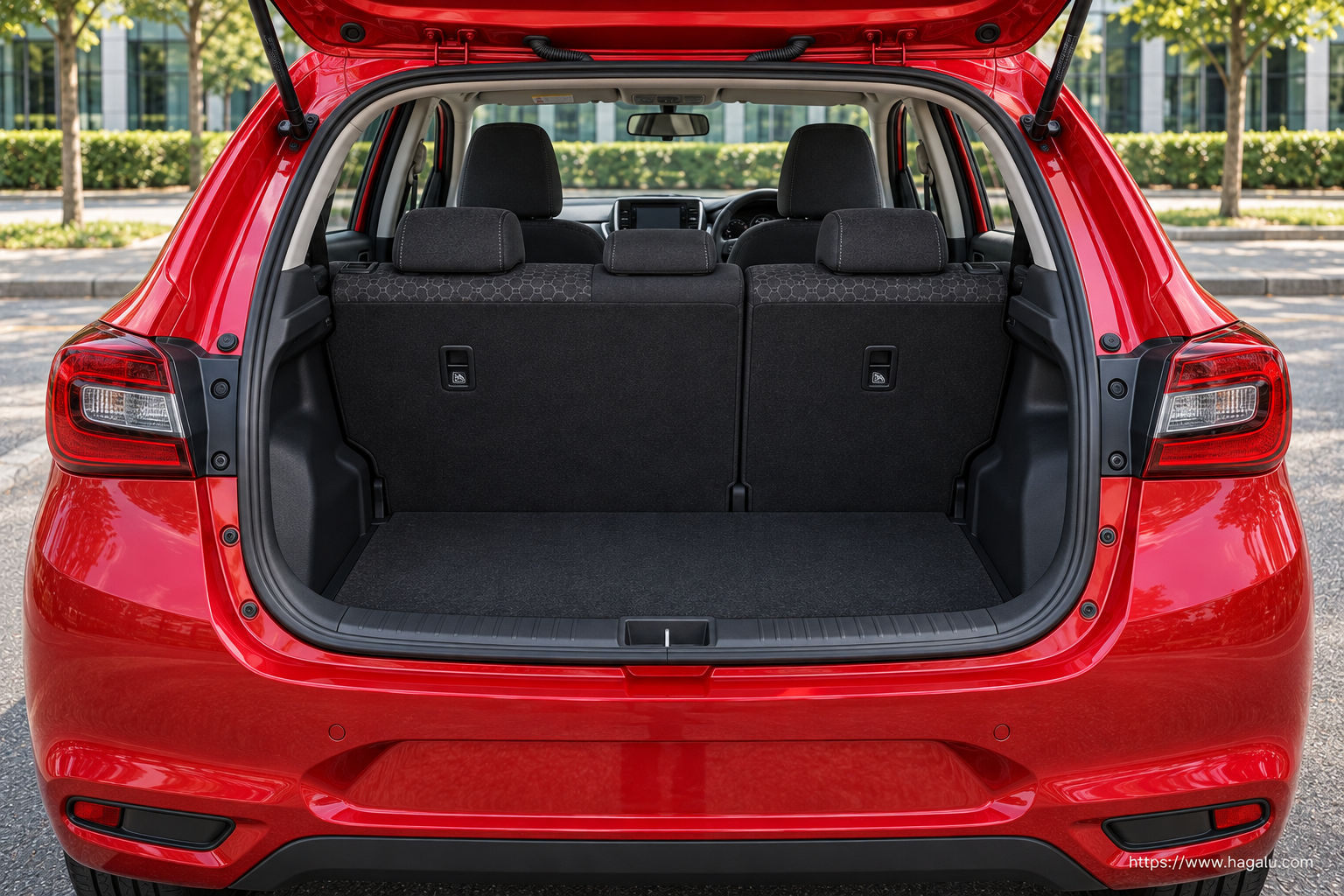
| Boot/Cargo Space | 314 l | Not Applicable |
| Kerb Weight | 990 kg | 500 kg |
| Gross Vehicle Weight (GVW) | 1430 kg | 500 kg |
| Payload Capacity | 440 kg | 750 kg |
| Towing Capacity | 750 kg | 750 kg |
| Seating Capacity | 5 seats | 2 seats |
| Number of Rows | 2 rows | Not Officially Disclosed |
| Doors | 5 doors | 2 doors |
| Minimum Turning Radius | 5.1 m | 5.0 m |
| Front Headroom | Not Officially Disclosed | 1000 mm |
| Rear Headroom | Not Officially Disclosed | Not Applicable |
| Front Legroom | Not Officially Disclosed | 1020 mm |
| Rear Legroom | Not Officially Disclosed | Not Applicable |
In depth: how these cars differ
This Starlet and Super Carry comparison uses the exact derivatives selected above for Uganda. The catalogue index covers performance, efficiency, safety equipment, practicality and ownership cover only where comparable source-backed fields are present.
Performance index: Starlet 35 vs Super Carry 33.
Efficiency index: Starlet 52 vs Super Carry 59.
Safety-equipment index: Starlet 85 vs Super Carry 36.
Practicality index: Starlet 50 vs Super Carry 34.
Ownership-cover index: Starlet not separately scored vs Super Carry not separately scored.
These figures are Hagalu catalogue-comparison indicators, not customer ratings, crash-test scores, resale guarantees or a substitute for a road test. Each page shows its weighted source coverage beside the result.
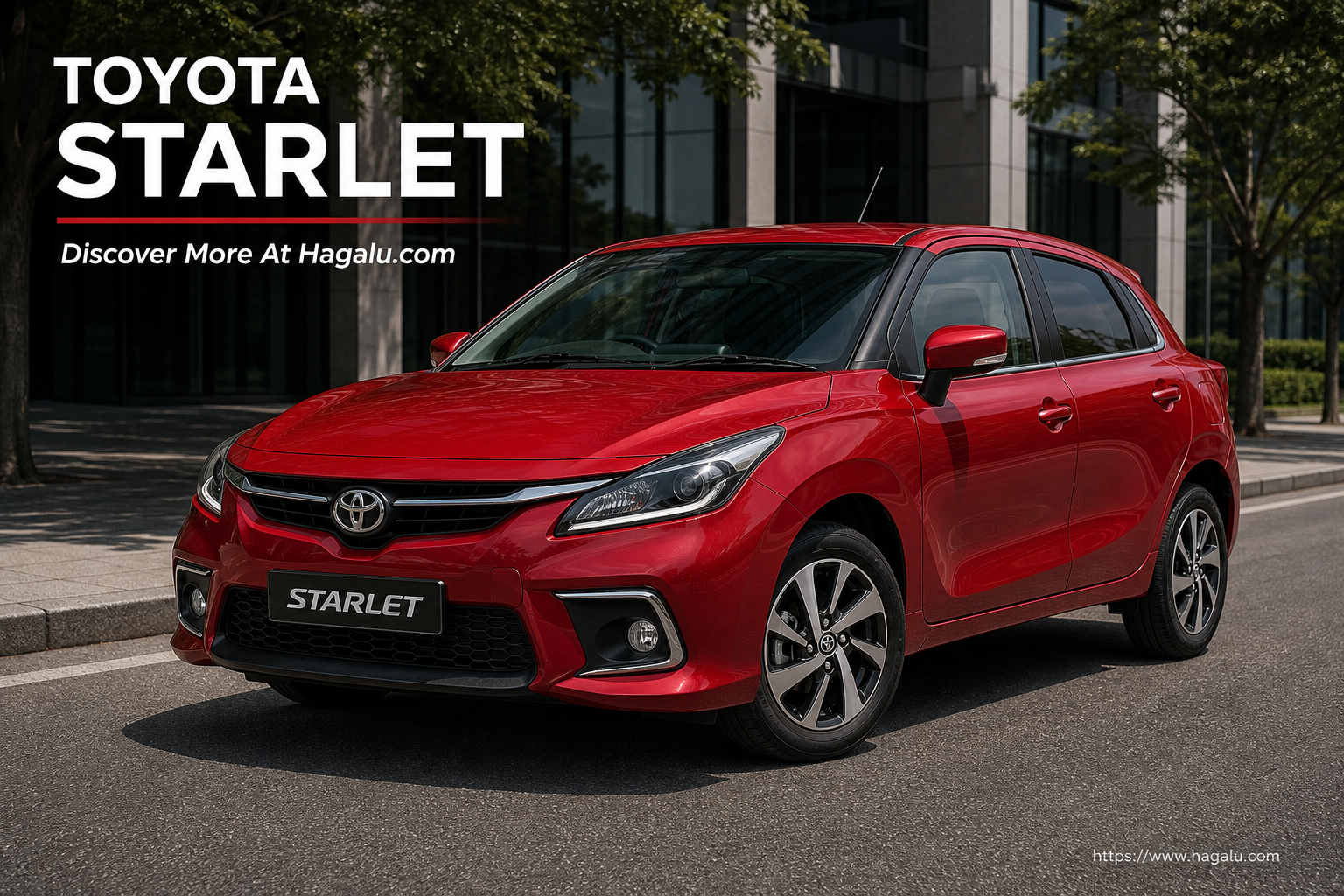
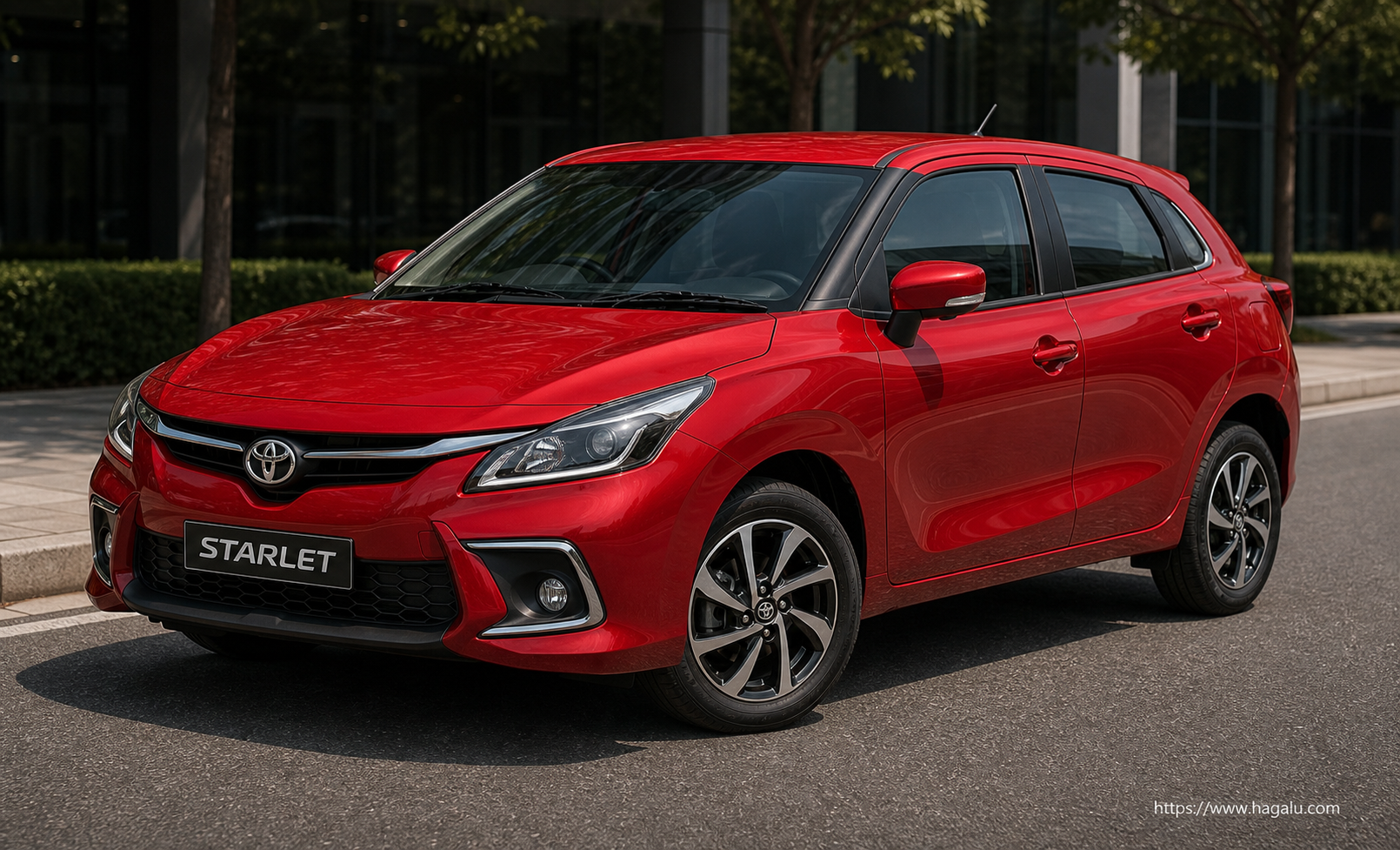
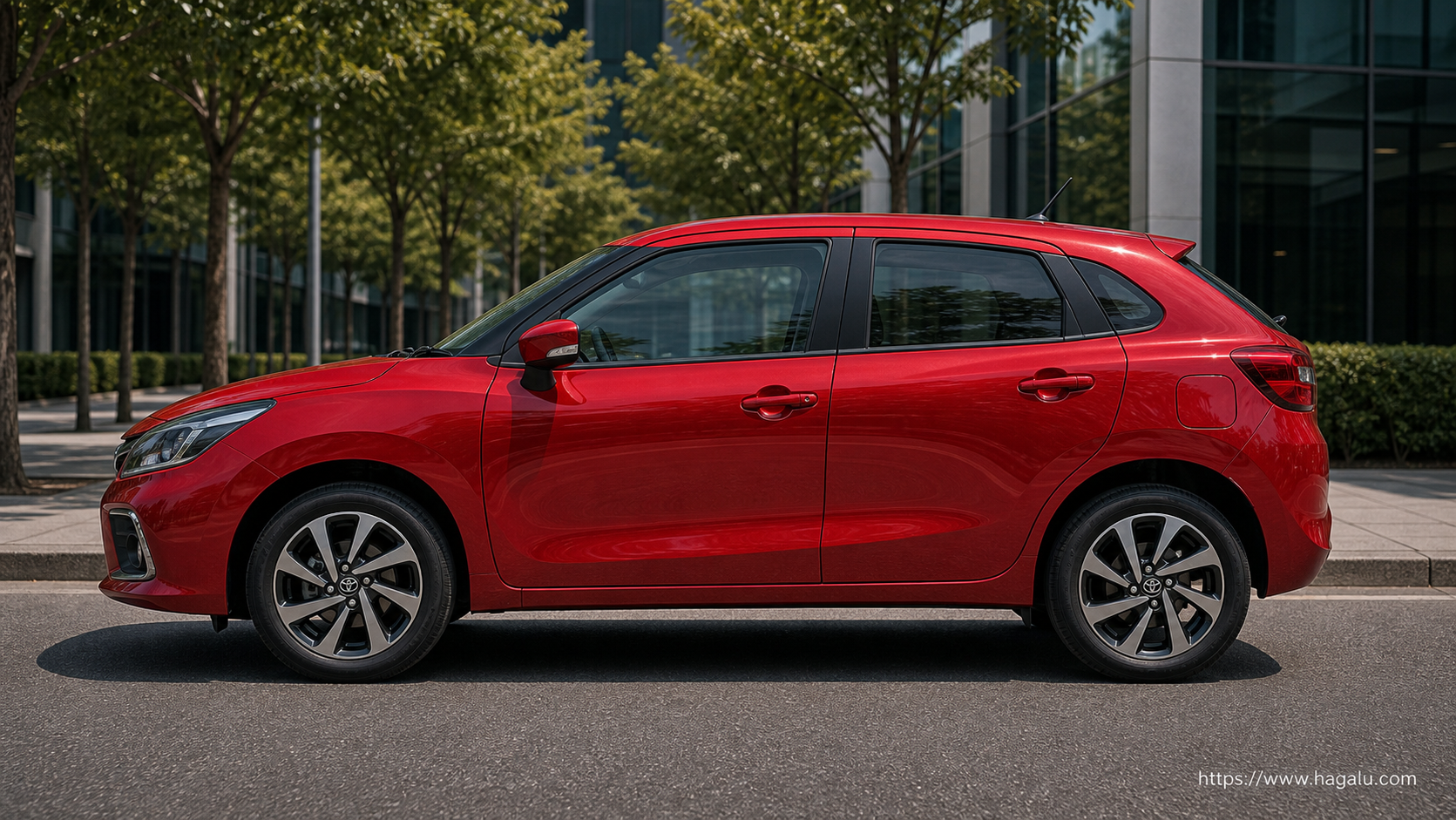
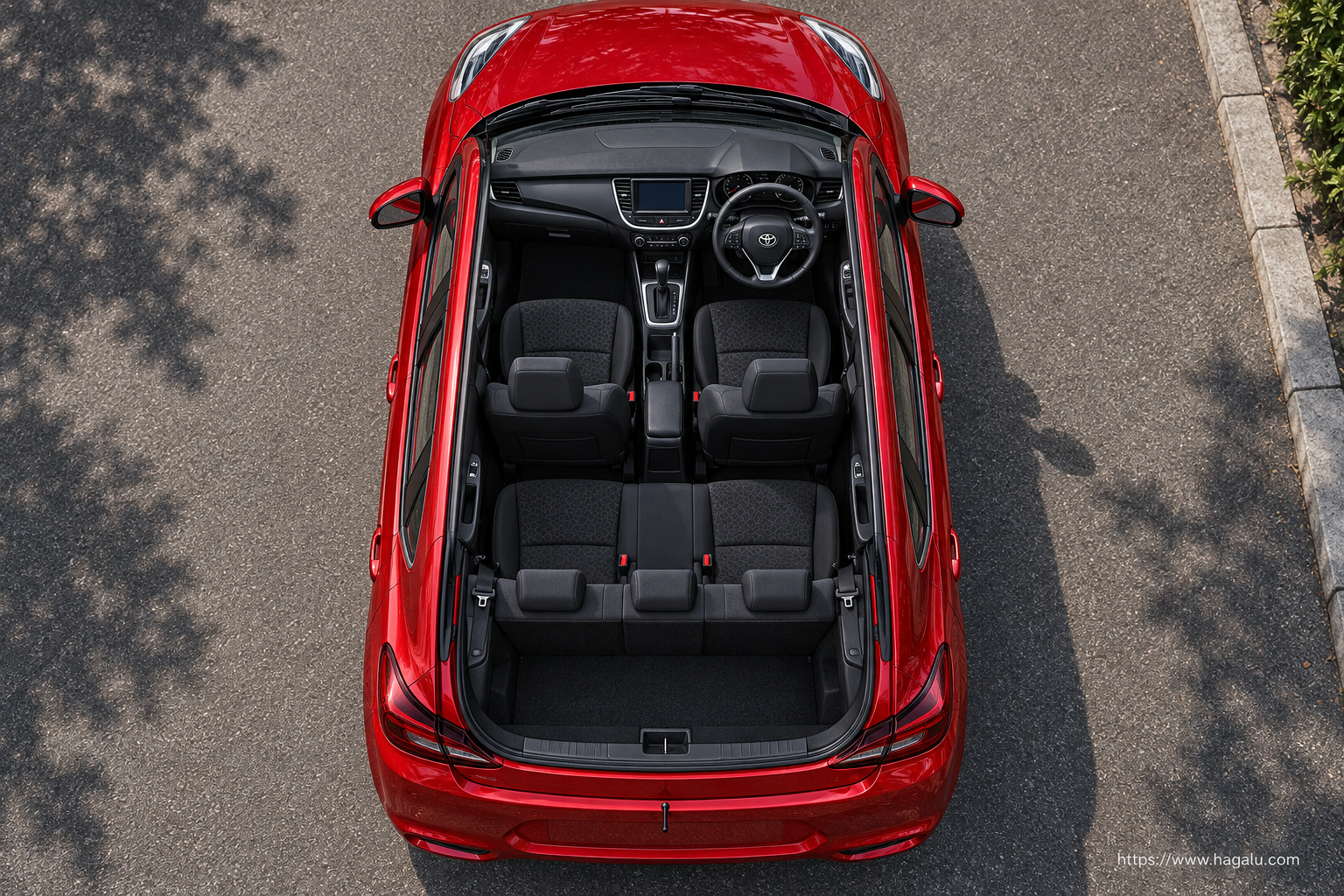
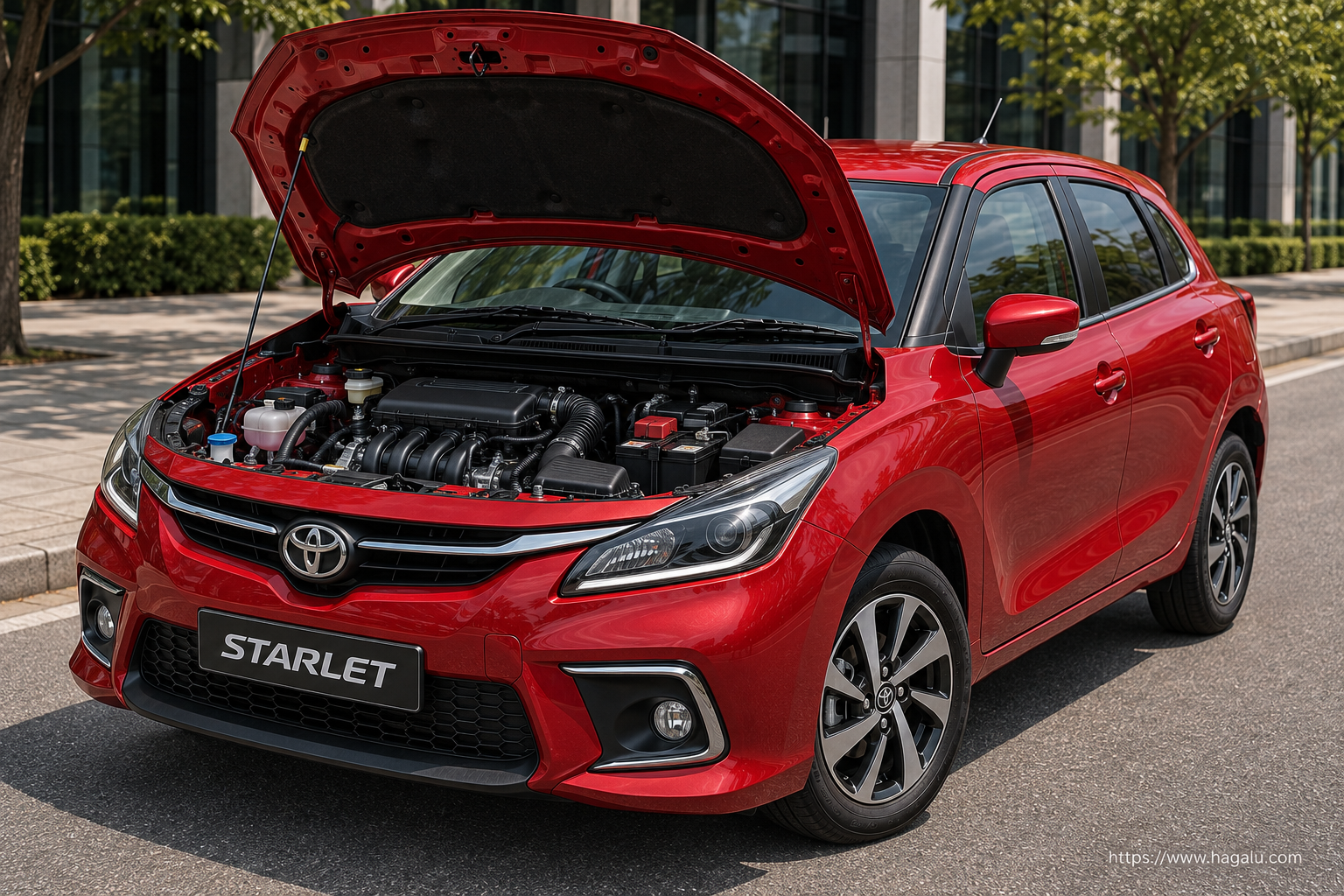
Model imagery
Starlet and Super Carry image comparison
Open an image for its full canonical file or visit the model page for the complete vehicle record.
Toyota Starlet
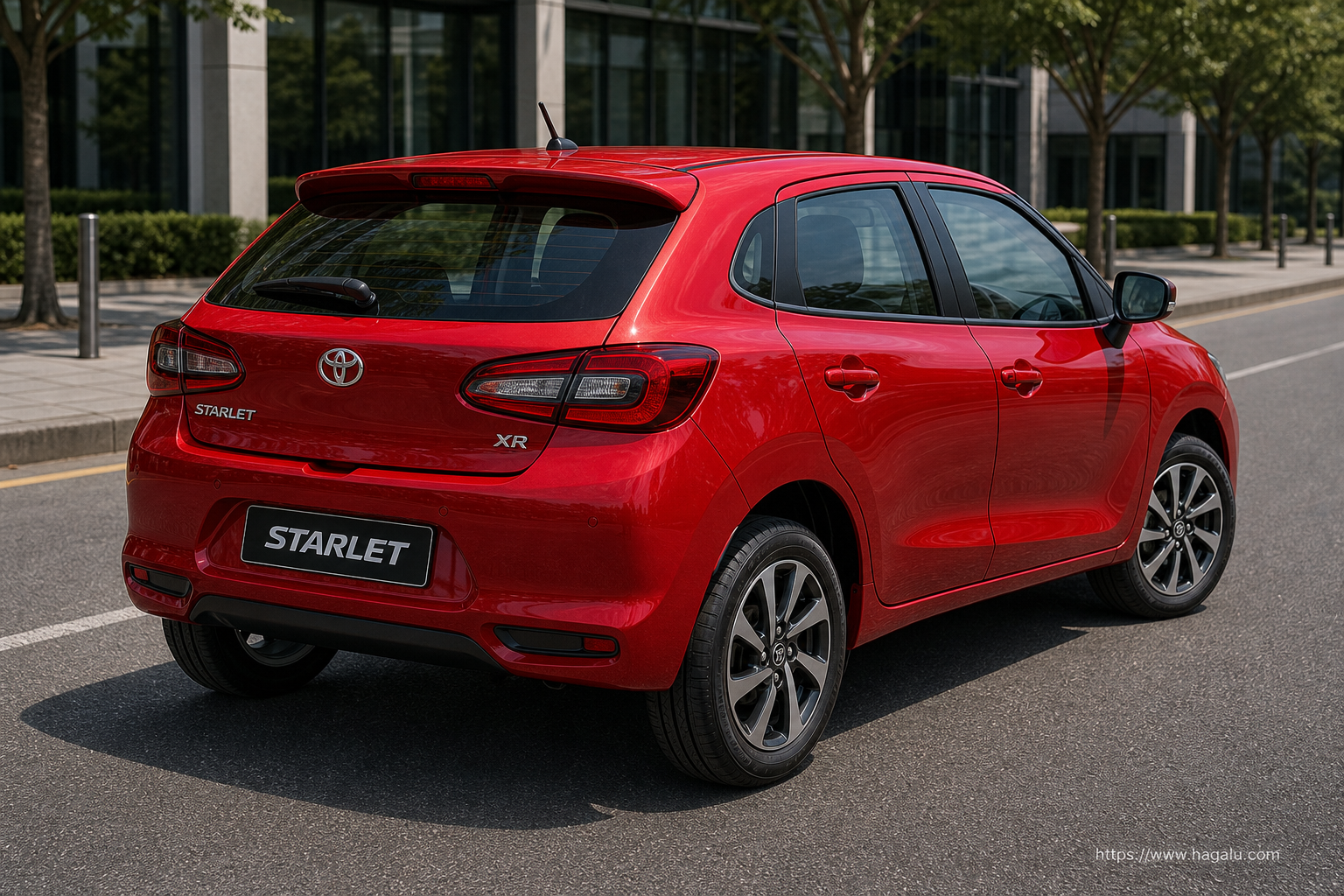
View 8 more Starlet images
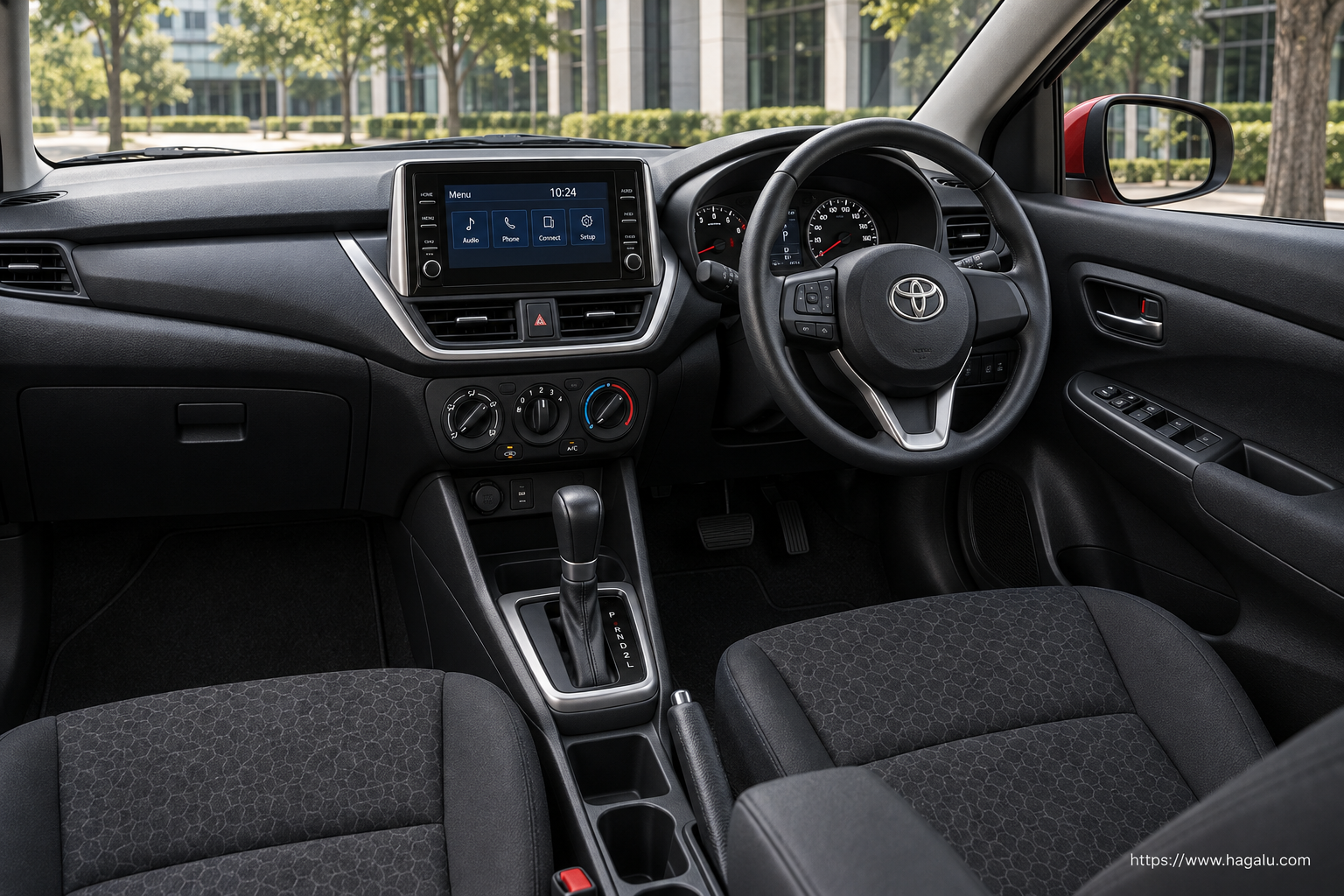
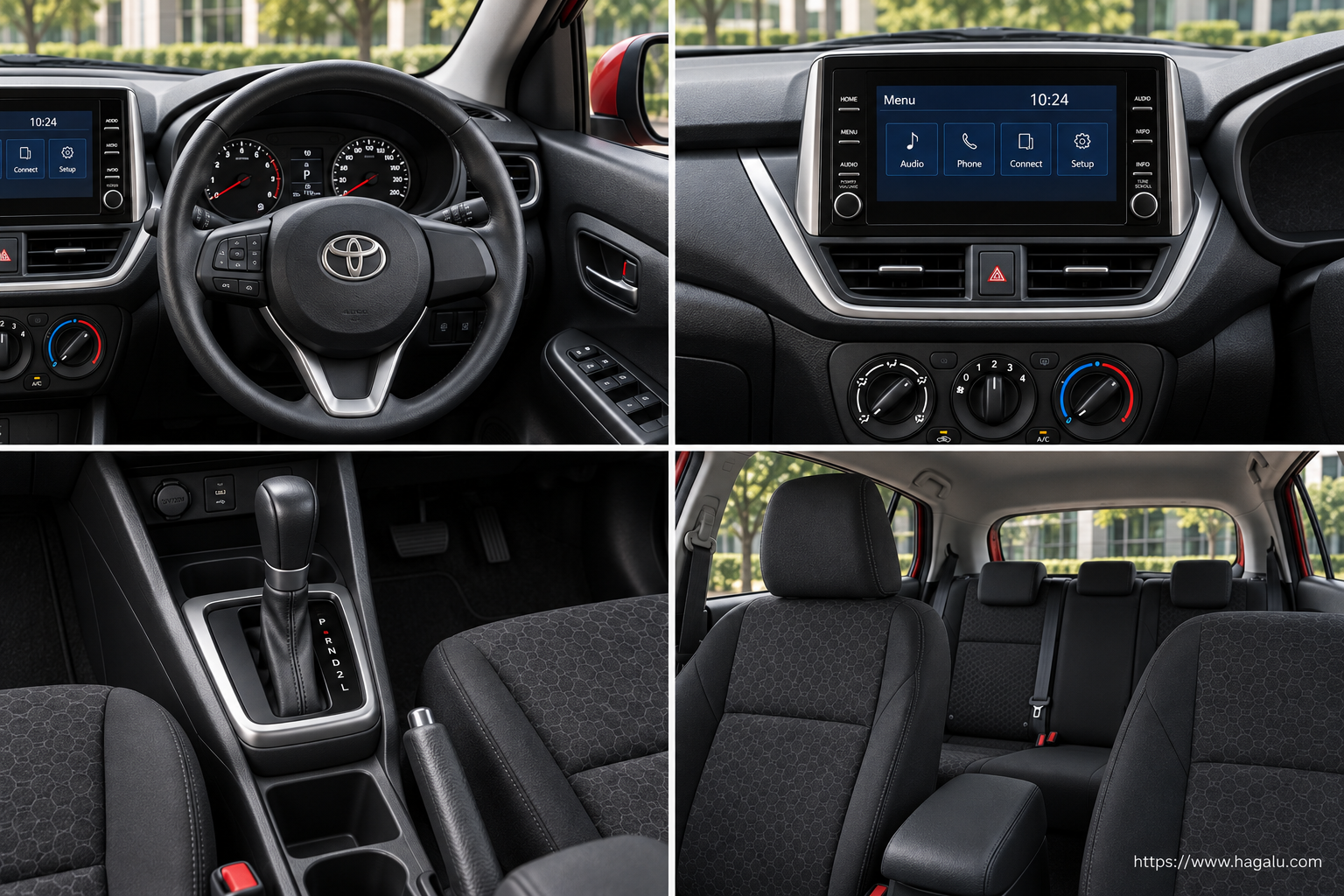
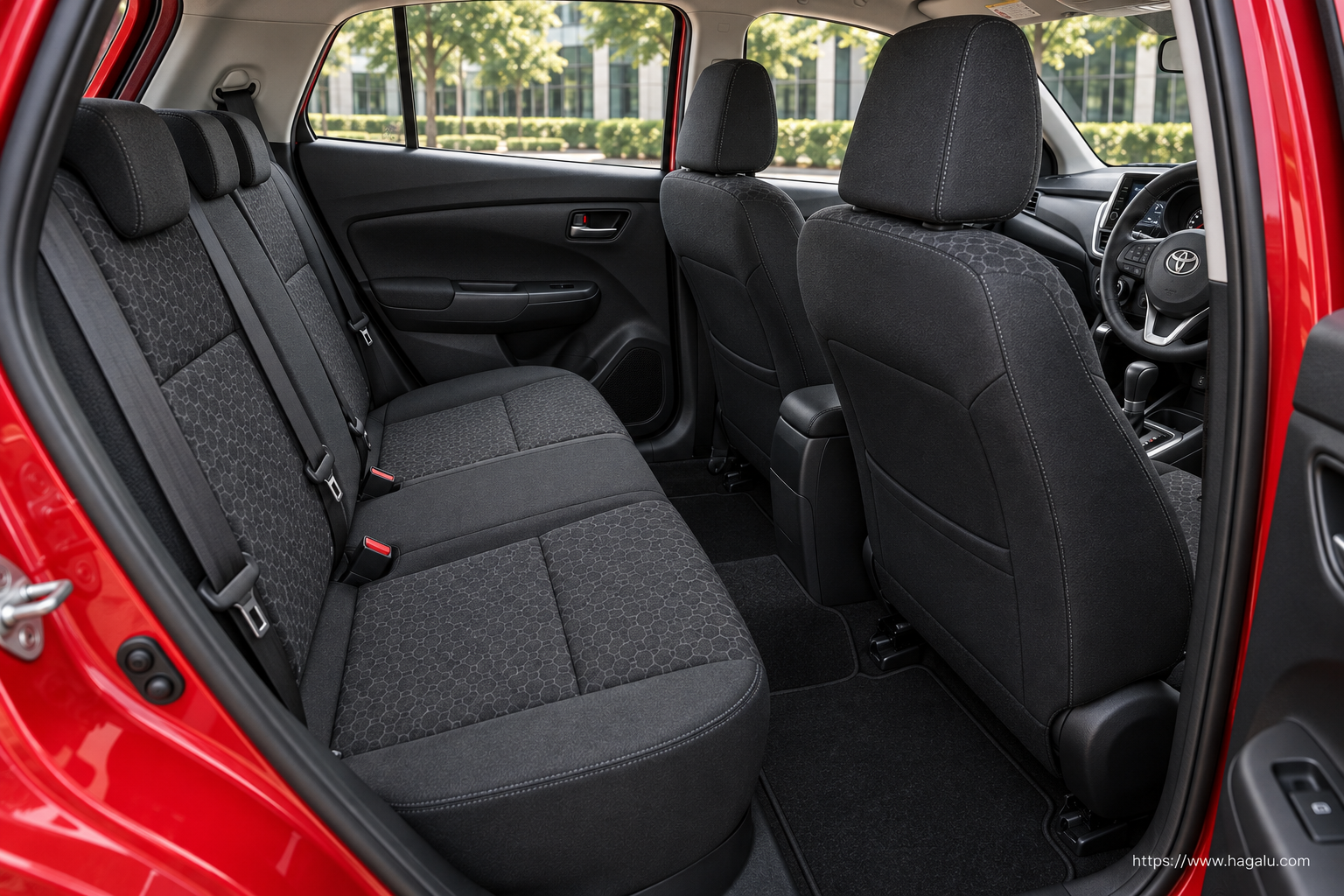
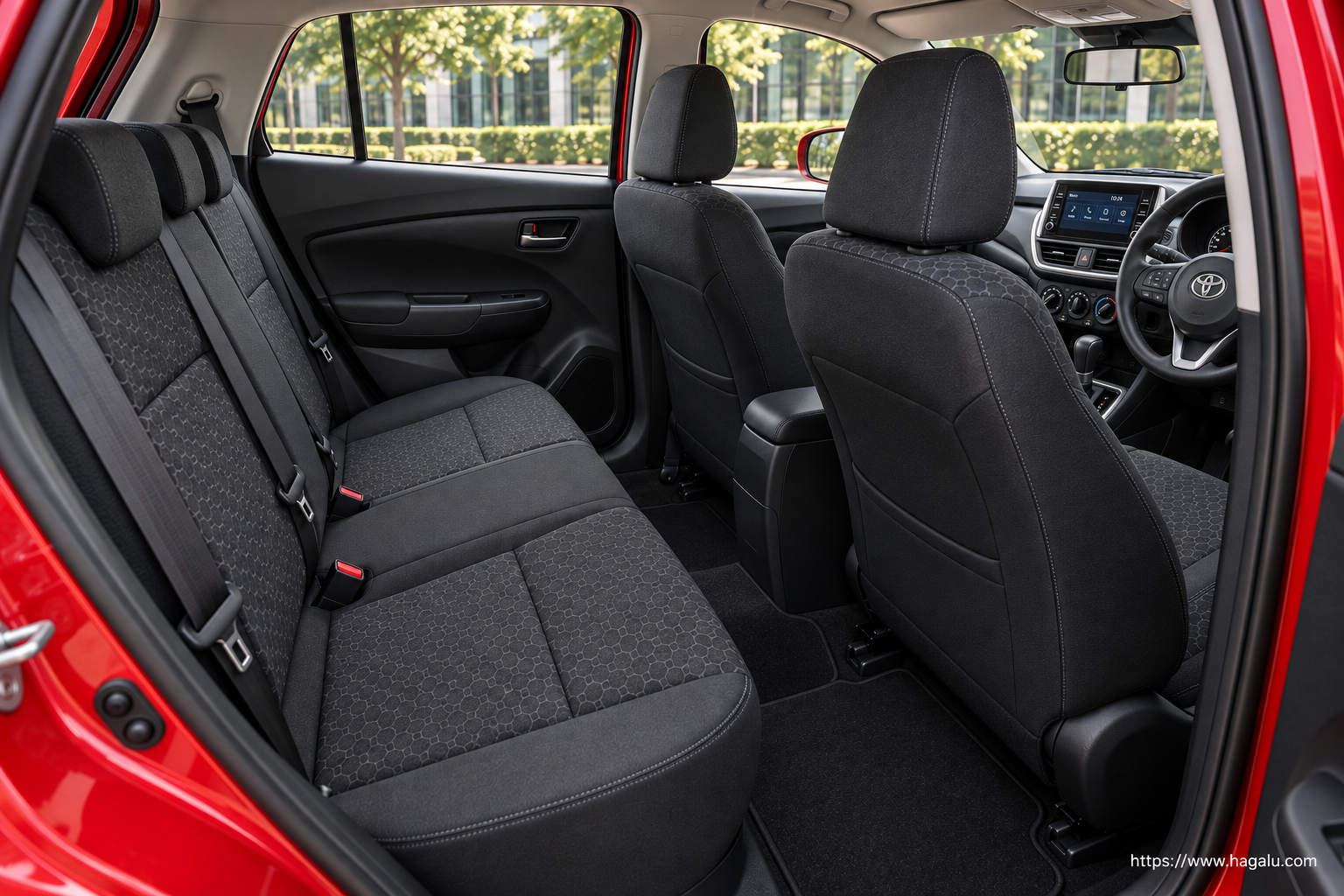
Suzuki Super Carry
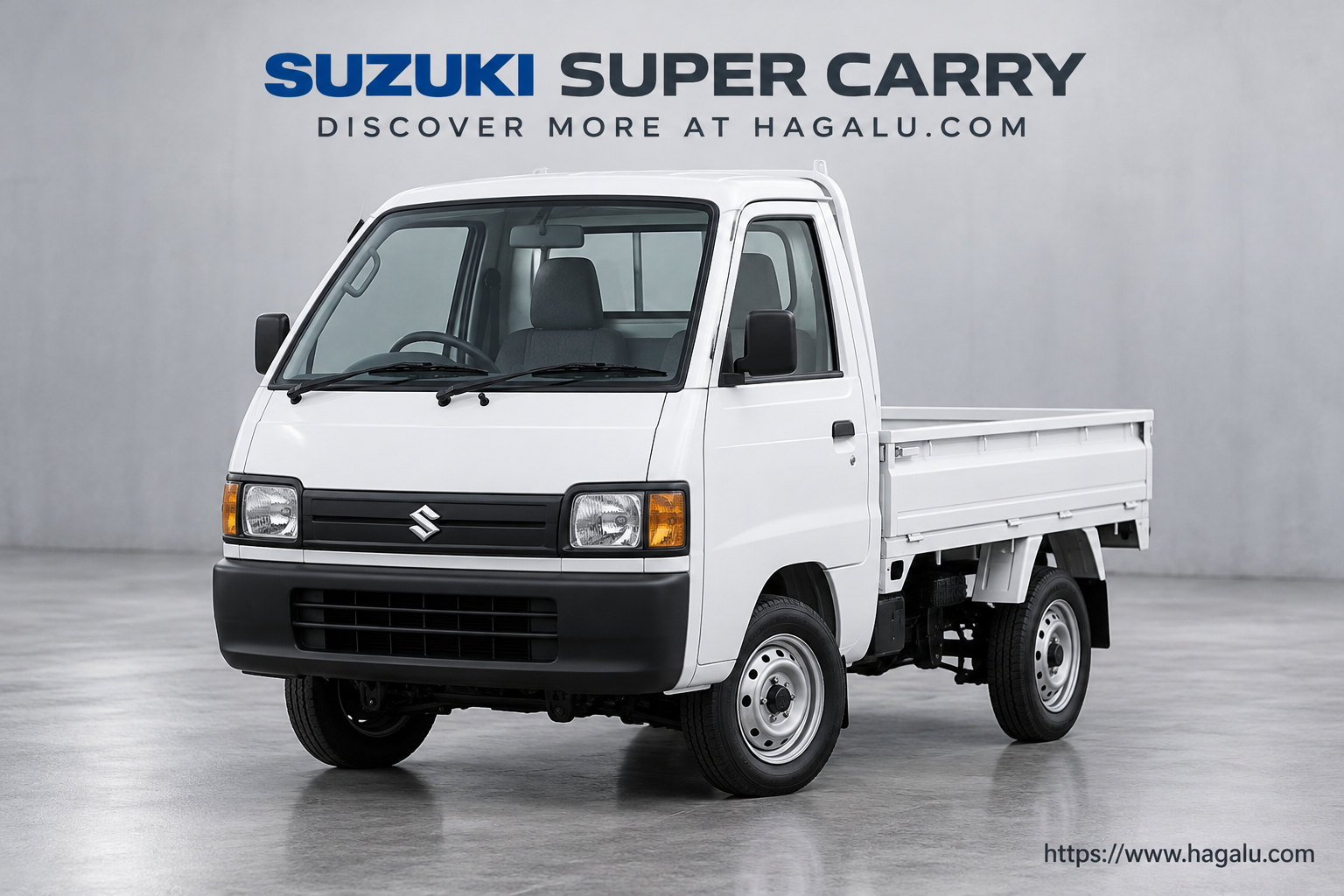
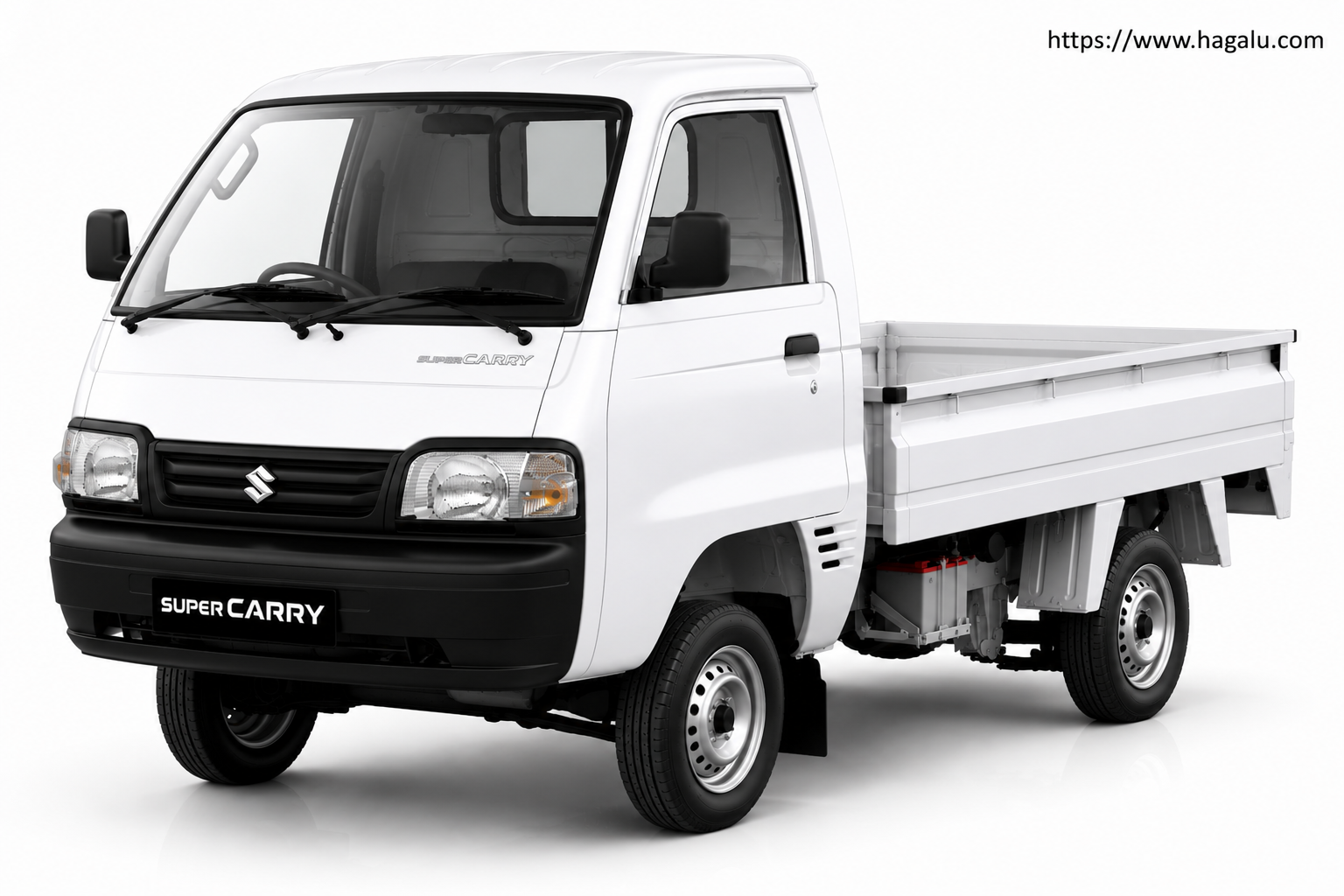
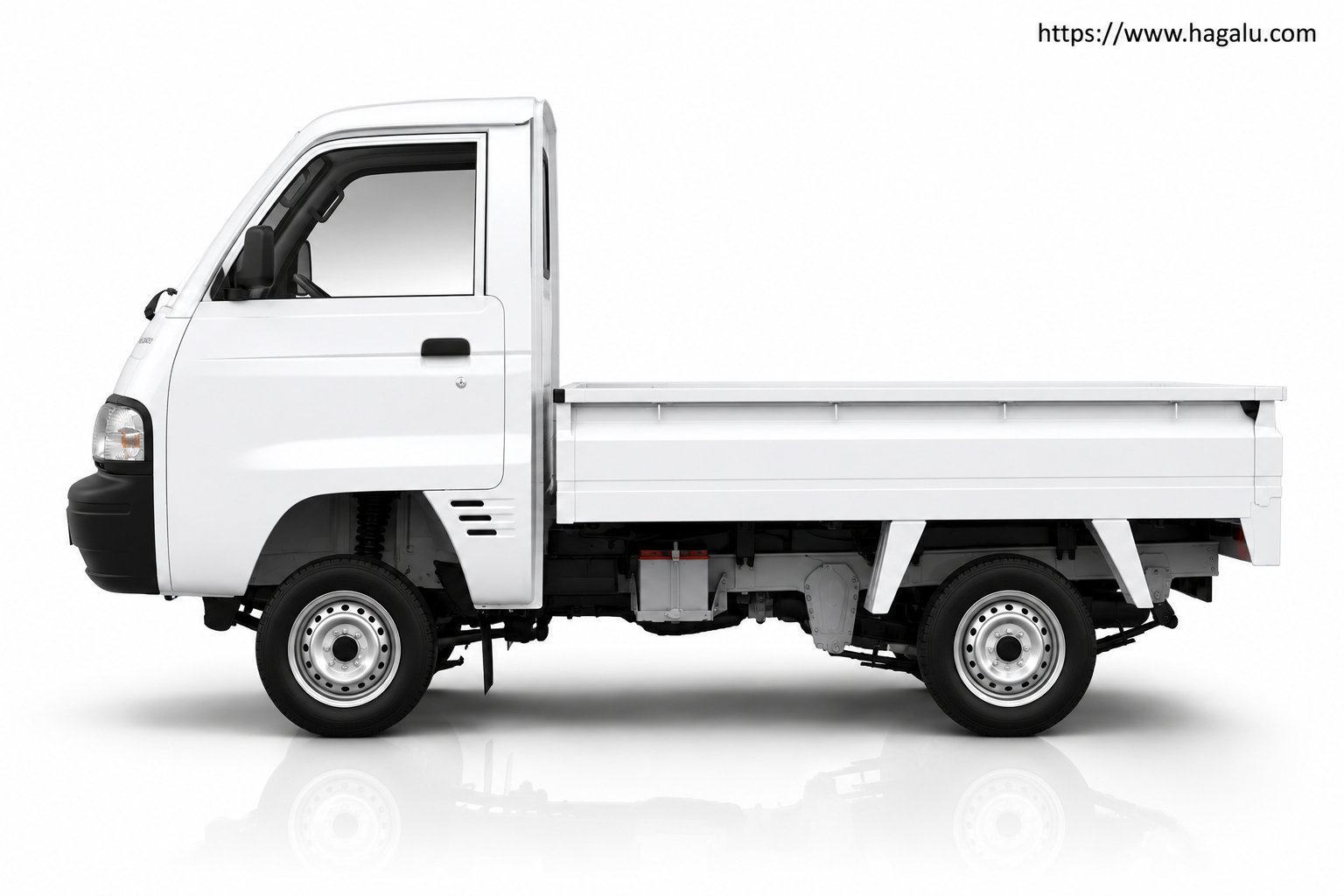
View 8 more Super Carry images
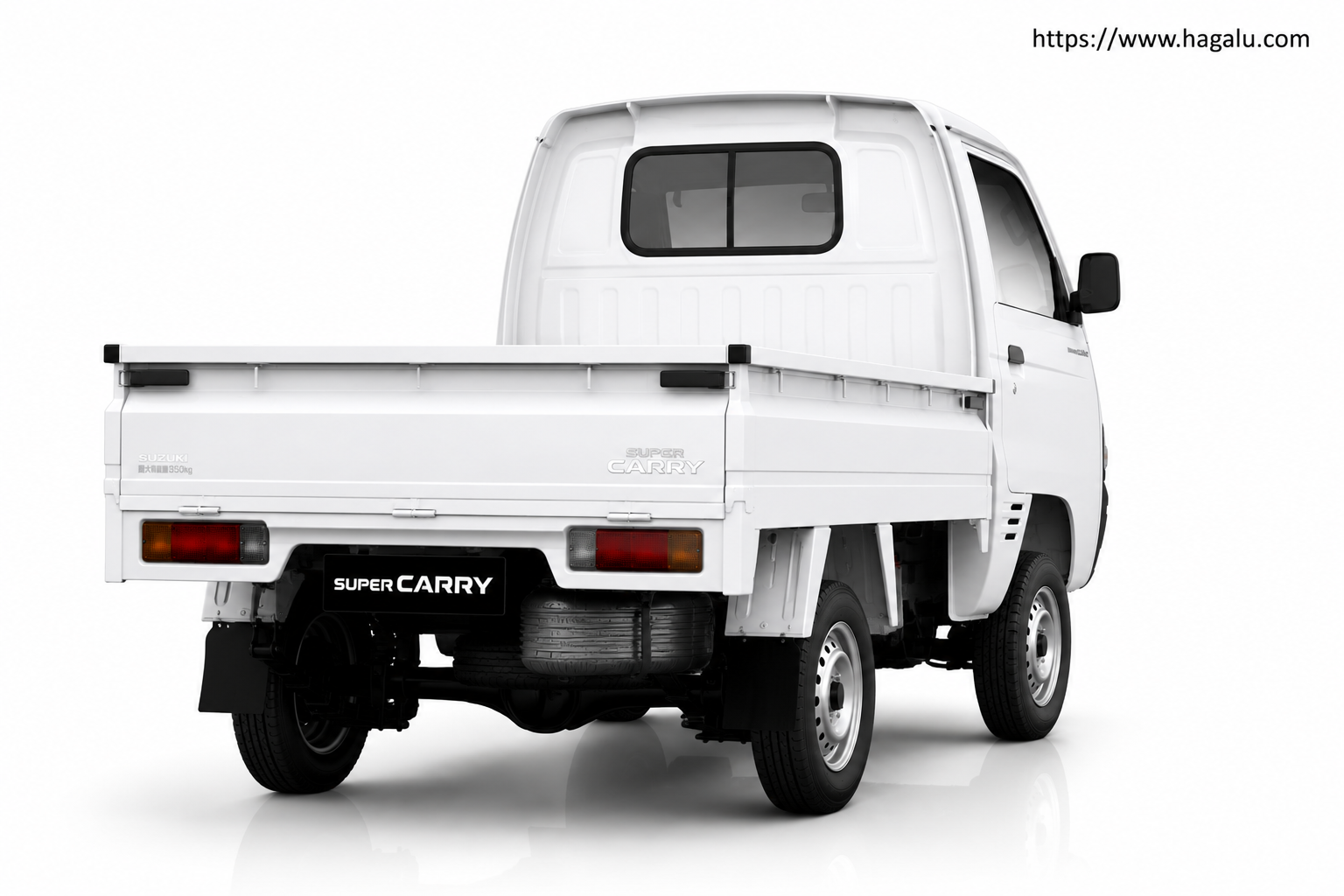
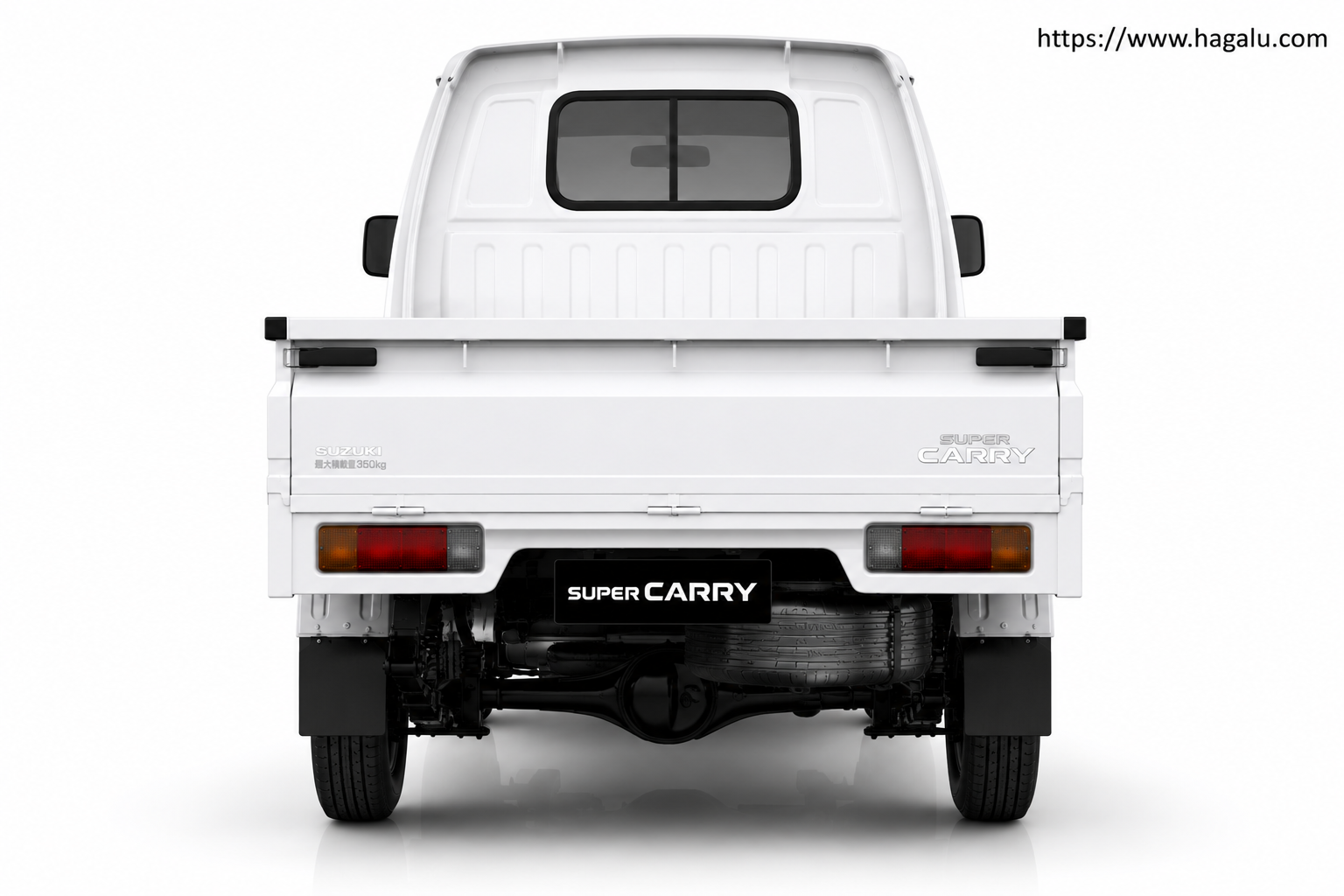
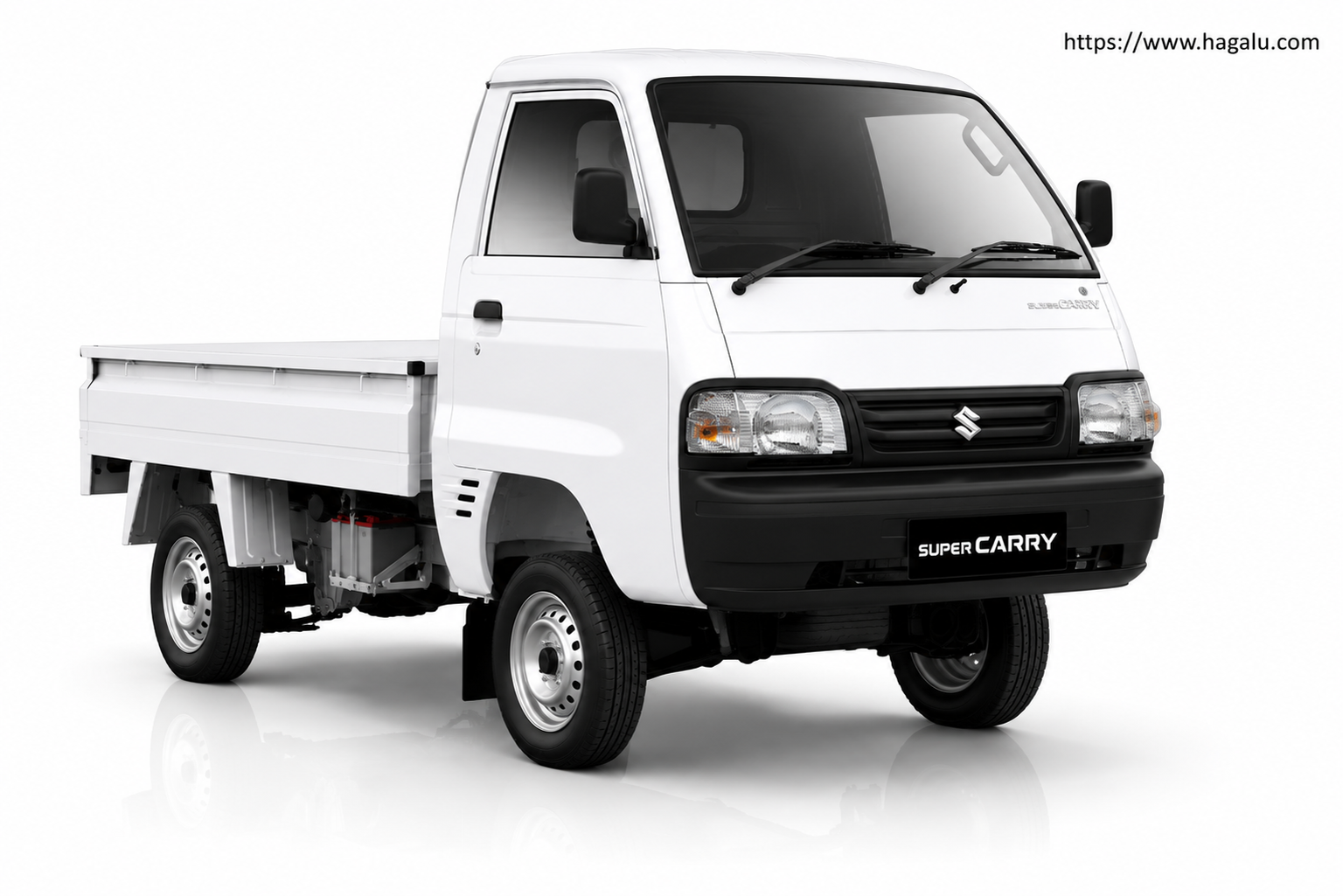
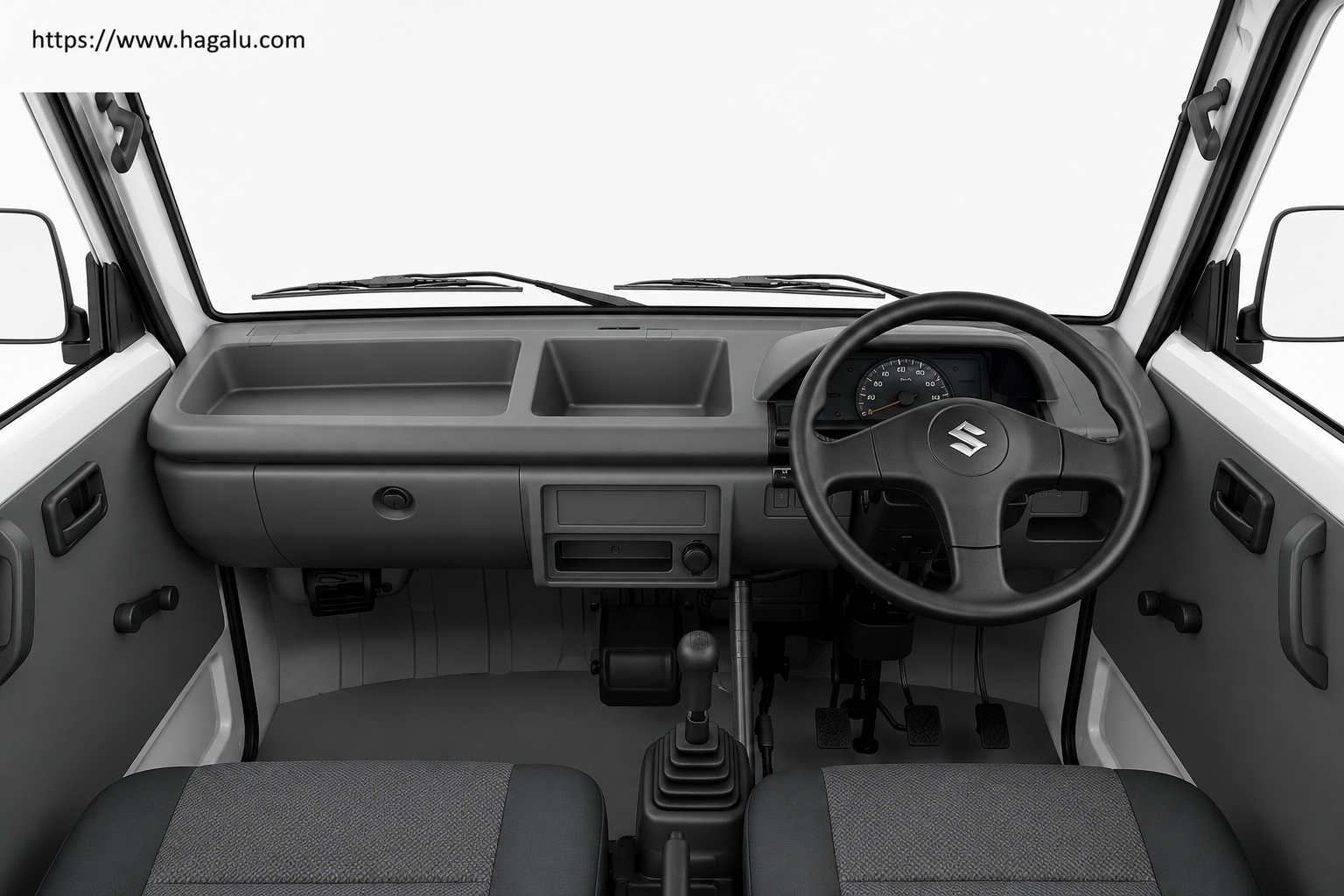
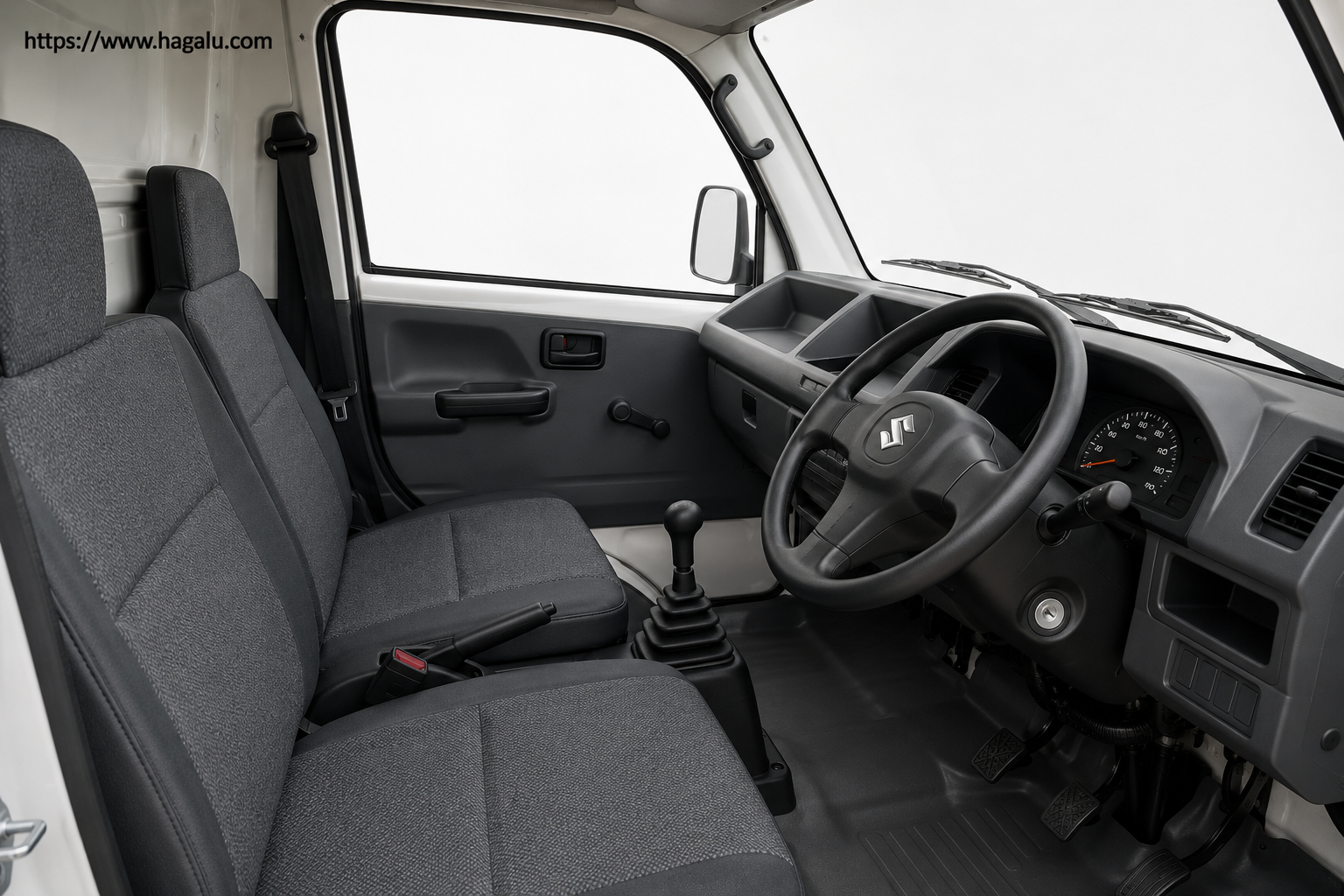
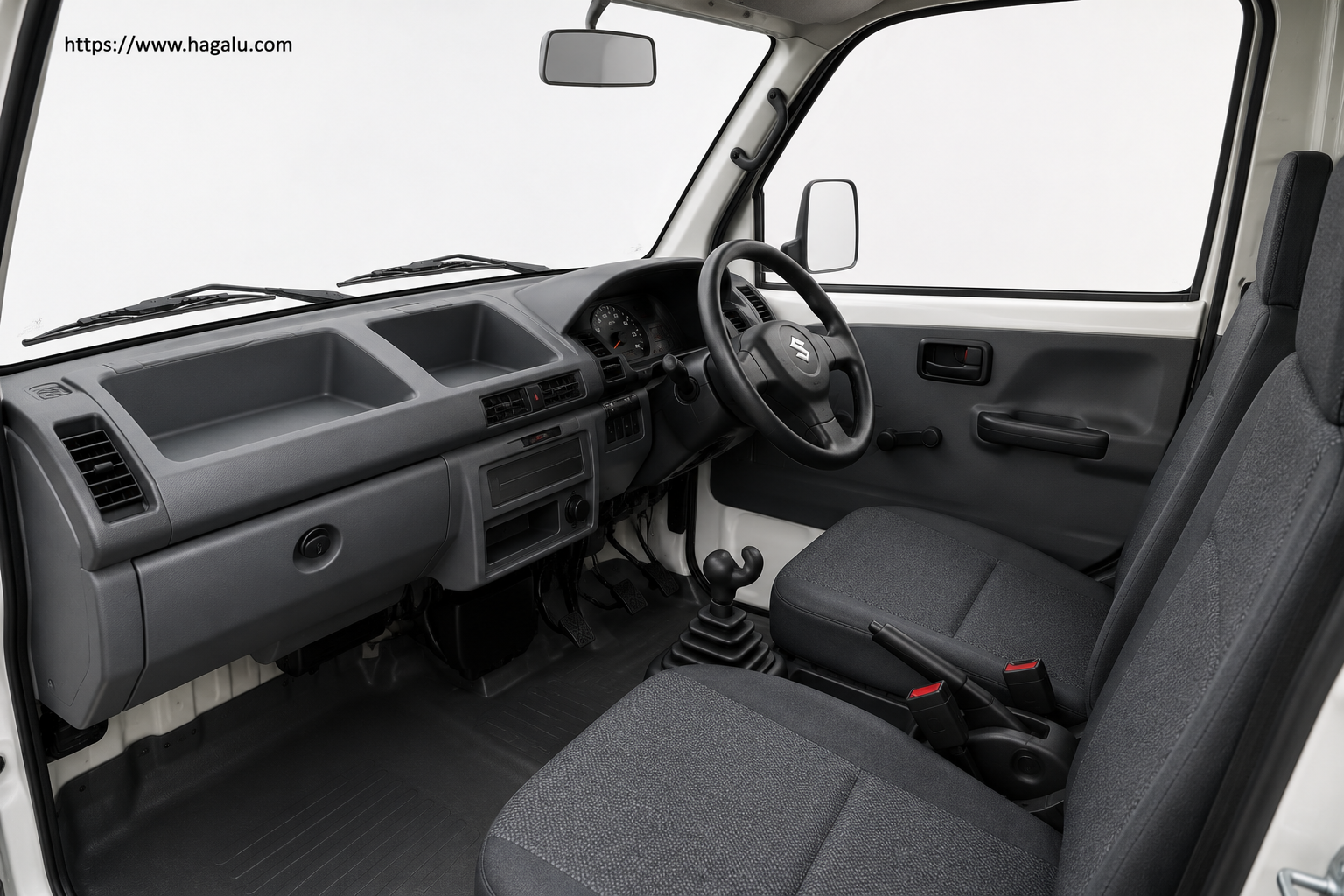
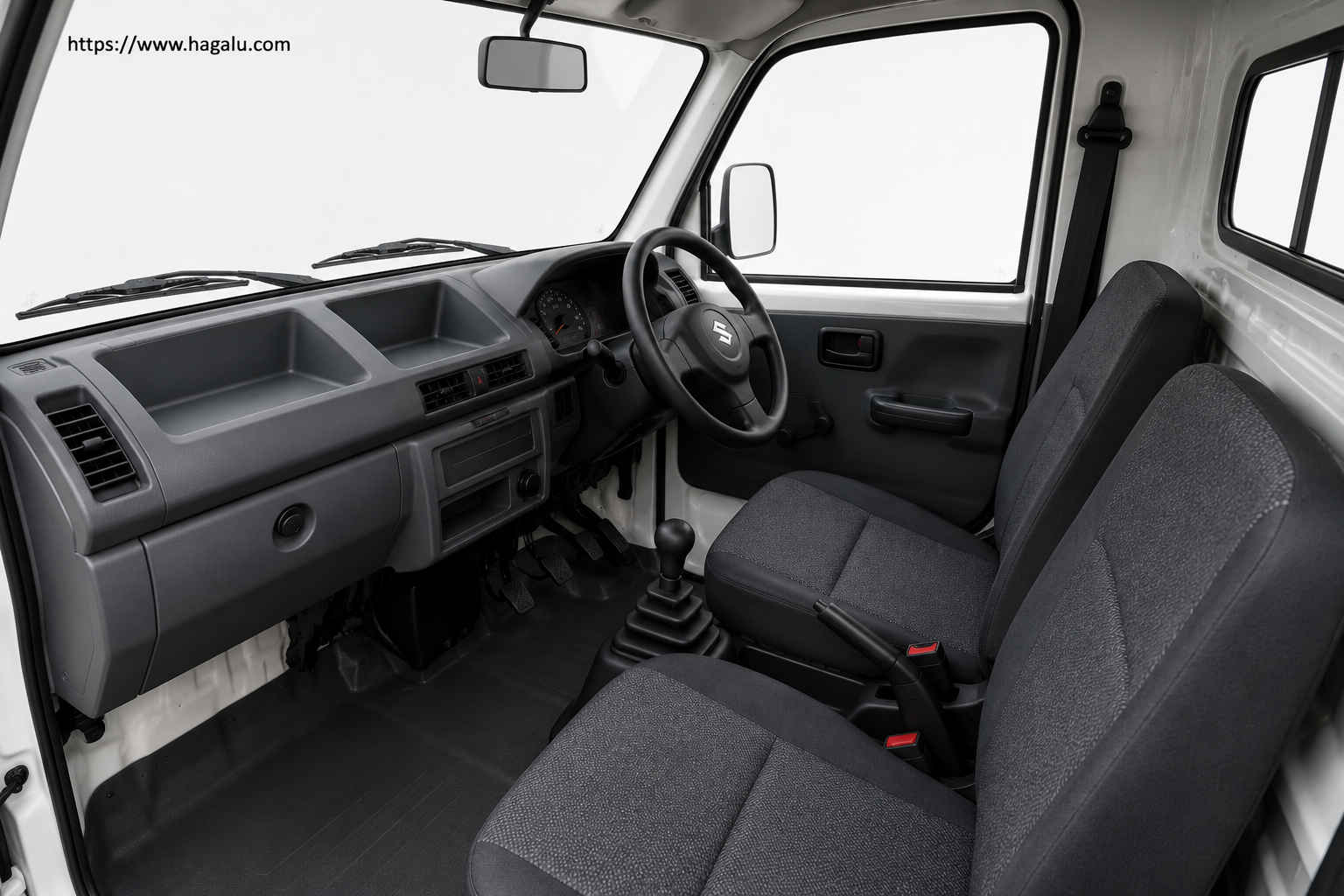
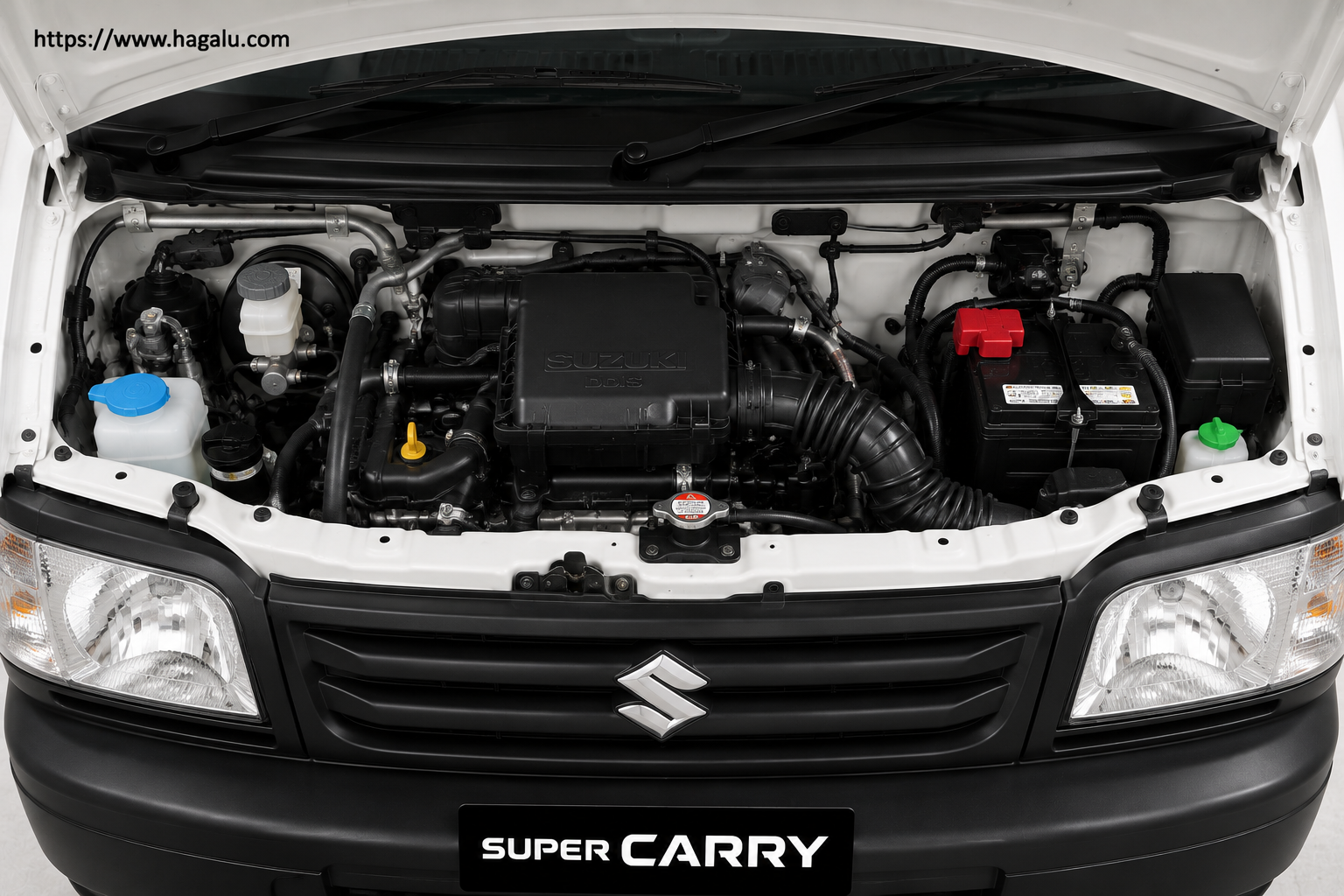
Specification Evidence Index
A transparent comparison of published catalogue fields. This is not a road-test score, owner rating or editorial review rating, and it appears only when every vehicle clears the same comparable-data threshold.
Evidence-index readout
Starlet leads by 16 points
Starlet holds a noticeable catalogue-index lead over Super Carry.
Evidence leader
55
/100
Lead
16
points
Data
74%
source coverage
55
#1
Evidence leader
Starlet
Performance
35
Efficiency
52
Safety
85
Practicality
50
Leads by 16 points
39
#2
Super Carry
Performance
33
Efficiency
59
Safety
36
Practicality
34
Performance 24%
Safety 22%
Practicality 22%
Efficiency 17%
Ownership 15%
Category leaders
What moves the verdict
Performance
Starlet +2
Efficiency
Super Carry +7
Safety
Starlet +49
Practicality
Starlet +16
Moderate difference in the source-backed catalogue index.
Why this score View full breakdown
Evidence-index leader
Starlet
Performance
35/100
Efficiency
52/100
Safety
85/100
Practicality
50/100
Super Carry
Performance
33/100
Efficiency
59/100
Safety
36/100
Practicality
34/100
What the evidence means
In Hagalu's specification evidence index, Starlet leads. However, Super Carry may suit buyers prioritising different confirmed fields. Ultimately, the right choice depends on your driving priorities in Uganda.
Related comparisons
Continue with closely related Uganda models and comparable body styles.

Starlet vs Super Carry questions
There is no universal winner. Use the comparison table to match the models and available derivatives in Uganda on price, safety equipment, space, powertrain and ownership cover. The category indicators summarise published catalogue data; they are not a road test or customer rating.
Compare the published consumption or mileage rows for the exact derivatives using the same unit and test basis. A catalogue figure is useful for like-for-like comparison, but traffic, speed, load, weather and driving style can change actual fuel use.
Compare only equipment explicitly listed for each derivative, including airbags, stability control and driver-assistance systems. Confirm the exact trim with the manufacturer, and treat any independent crash-test result separately because equipment and ratings can differ by market.
A reliable five-year total cannot be calculated from catalogue data alone. Add the exact purchase and finance cost, fuel or electricity, insurance quotes, scheduled servicing, tyres and expected resale value. Check whether the selected derivative includes a service or maintenance plan.
Use the seating, boot or load-space, ISOFIX and safety rows as a first check. Then test the exact cars with your child seats, passengers and typical luggage, because published dimensions do not show every access or comfort difference.
Compare the published power, torque and 0–100 km/h rows when they are available for both exact derivatives. Vehicle weight, gearing and power delivery also matter, so catalogue outputs alone do not establish real-world overtaking or response.