Ford Next-Gen Ranger vs Ford Next-Gen Ranger Single Cab
A proper head-to-head in Mozambique — compare price, performance, fuel economy or electric range, safety and the details that shape long-term ownership.
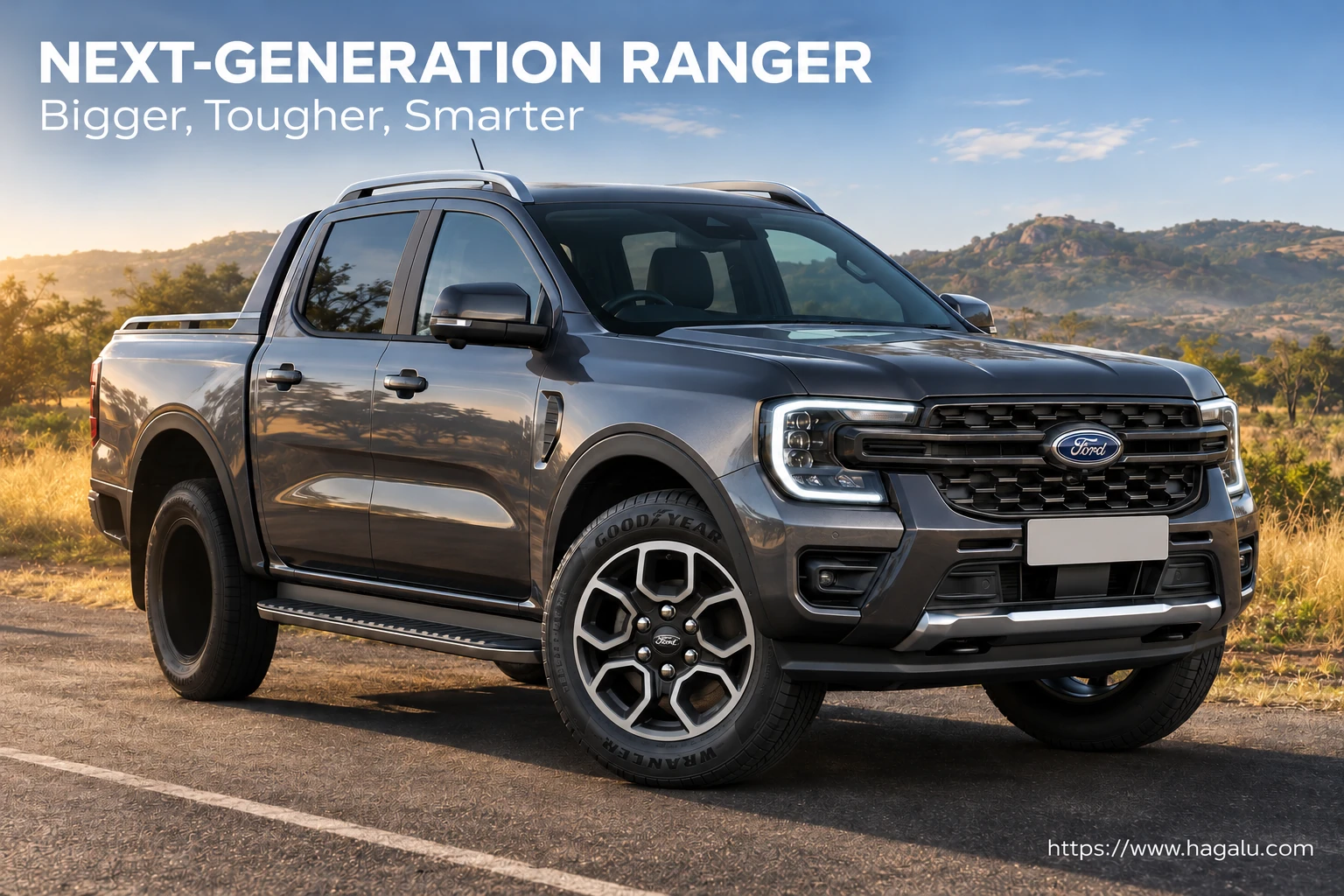
Ford Next-Gen Ranger
Base
Diesel
6-Speed Manual
Current
MZN 3,200,000
ex-showroom
⚡ 125 kW
🔧 405 Nm
⛽ 12.5 km/l
VS
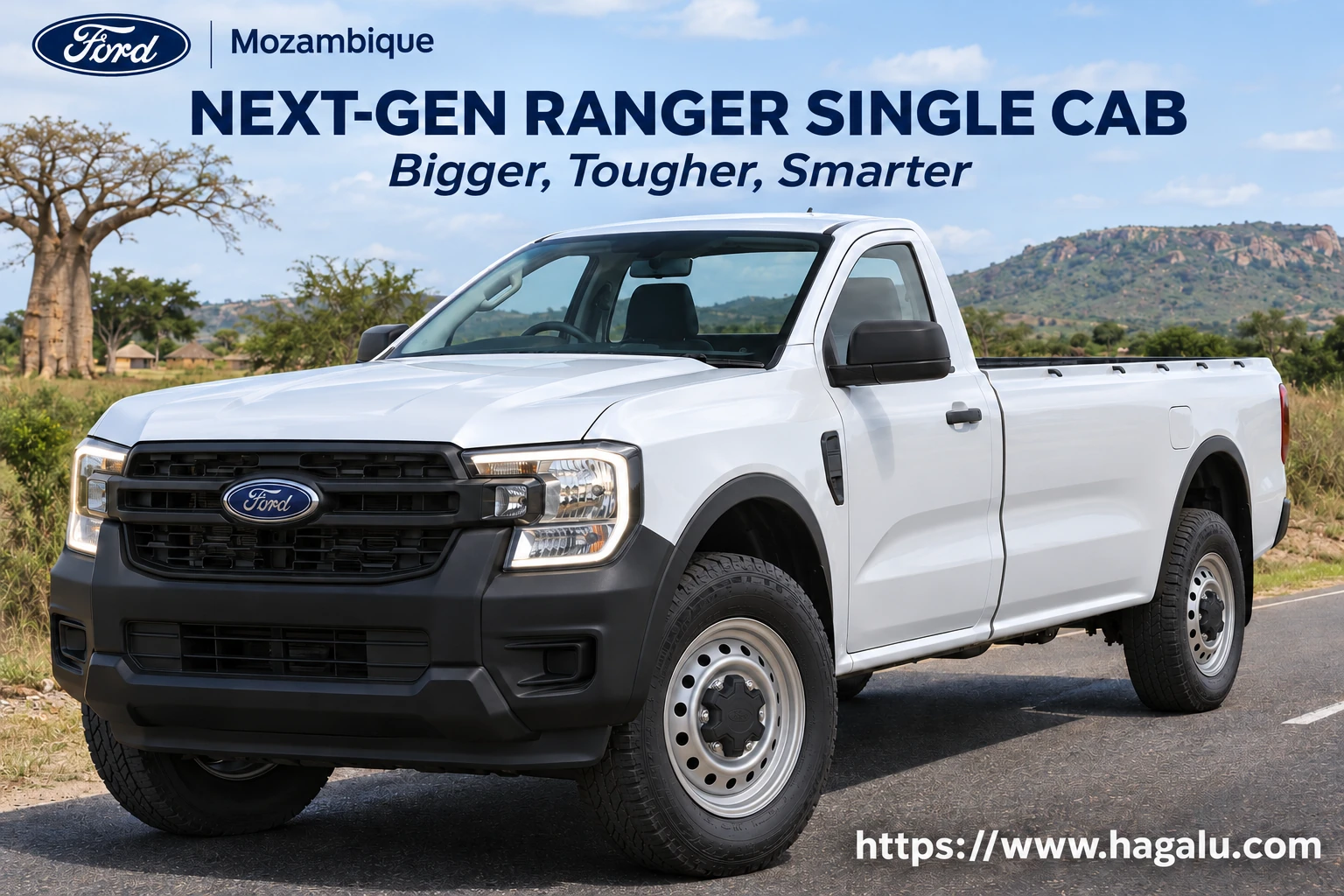
Ford Next-Gen Ranger Single Cab
XL Single Cab
Diesel
6-Speed Manual
Current
MZN 2,600,000
ex-showroom
⚡ 125 kW
🔧 405 Nm
⛽ 12.5 km/l
Decision summary
Ford Next-Gen Ranger vs Ford Next-Gen Ranger Single Cab: the short answer
Next-Gen Ranger and Next-Gen Ranger Single Cab are close on the comparable published fields, so buyer priorities should decide.
Next-Gen Ranger Single Cab starts MZN 600,000 cheaper
Next-Gen Ranger from MZN 3,200,000 · Next-Gen Ranger Single Cab from MZN 2,600,000
Five key differences
Exact selected derivatives| Specification | Next-Gen Ranger | Next-Gen Ranger Single Cab |
|---|---|---|
| Maximum Power | Next-Gen Ranger125 kW | Next-Gen Ranger Single Cab125 kW |
| Maximum Torque | Next-Gen Ranger405 Nm | Next-Gen Ranger Single Cab405 Nm |
| Engine Size | Next-Gen Ranger1996 cc | Next-Gen Ranger Single Cab1996 cc |
| Combined Fuel Economy | Next-Gen Ranger12.5 km/l | Next-Gen Ranger Single Cab12.5 km/l |
| Ground Clearance | Next-Gen Ranger235 mm | Next-Gen Ranger Single Cab230 mm |
Strongest published figure in that row; no road-test winner is implied.
Full Specs, Side by Side
Open a category to compare the selected variants.
What Each Car Gets Right (and Wrong)
Specification evidence leader
Next-Gen Ranger
Strengths
- More powerful engine output
- Stronger published practicality figures
Weak Spots
- No obvious weak spots to flag.
Best suited to:
Published Performance
Published Practicality
Next-Gen Ranger Single Cab
Strengths
- Nothing stands out clearly here.
Weak Spots
- Less powerful engine setup
- Lower published practicality figures
Best suited to:
General Use
Which One's Right for You?
Next-Gen Ranger
- Buyers prioritising the stronger published powertrain figures
- Buyers prioritising the stronger published space and capacity figures
Next-Gen Ranger Single Cab
- Buyers who prefer this derivative's confirmed specification mix
In depth: how these cars differ
This Next-Gen Ranger and Next-Gen Ranger Single Cab comparison uses the exact derivatives selected above for Mozambique. The catalogue index covers performance, efficiency, safety equipment, practicality and ownership cover only where comparable source-backed fields are present.
Performance index: Next-Gen Ranger 59 vs Next-Gen Ranger Single Cab 58.
Efficiency index: Next-Gen Ranger 49 vs Next-Gen Ranger Single Cab 49.
Safety-equipment index: Next-Gen Ranger 76 vs Next-Gen Ranger Single Cab 76.
Practicality index: Next-Gen Ranger 91 vs Next-Gen Ranger Single Cab 83.
Ownership-cover index: Next-Gen Ranger not separately scored vs Next-Gen Ranger Single Cab not separately scored.
These figures are Hagalu catalogue-comparison indicators, not customer ratings, crash-test scores, resale guarantees or a substitute for a road test. Each page shows its weighted source coverage beside the result.
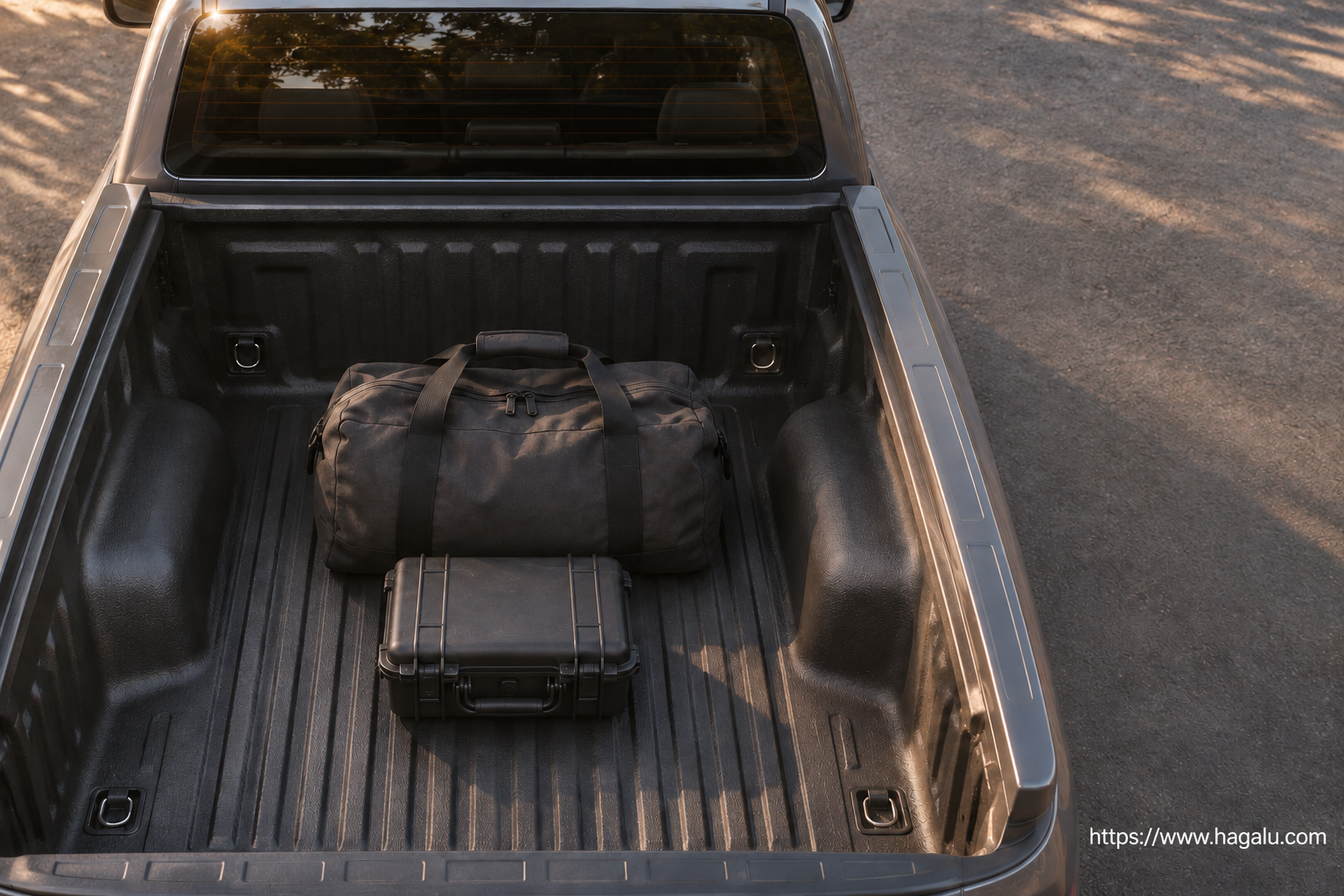
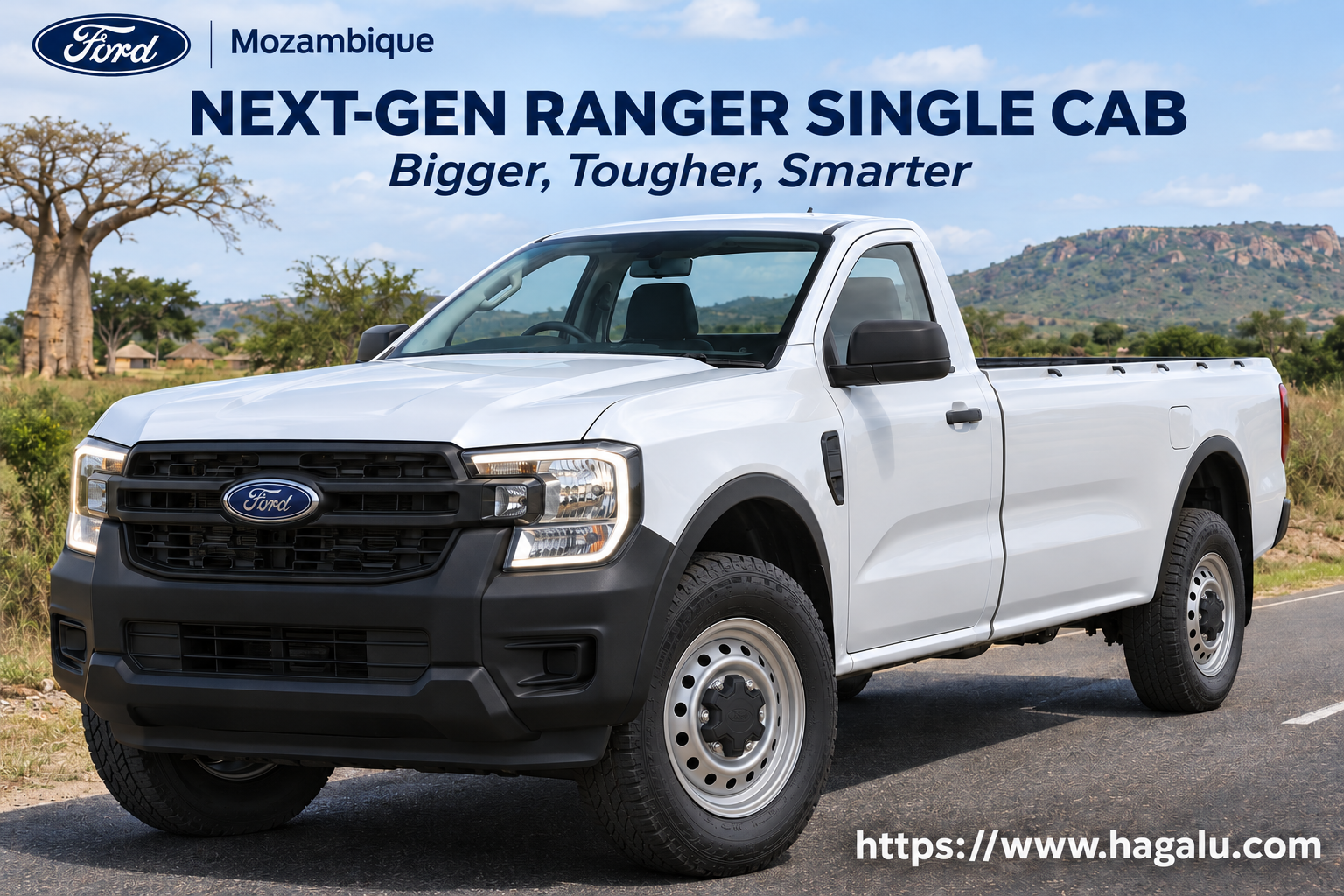
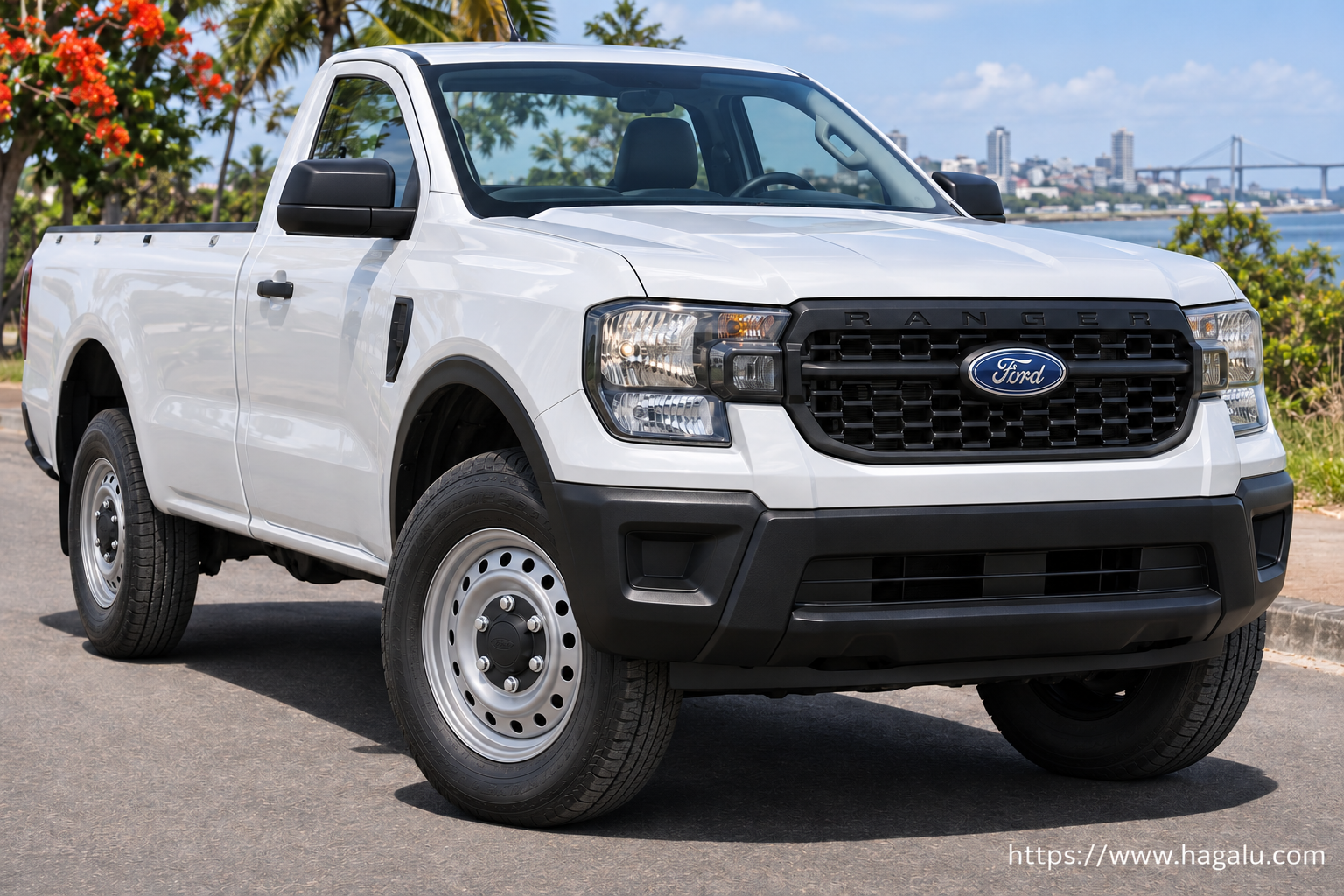
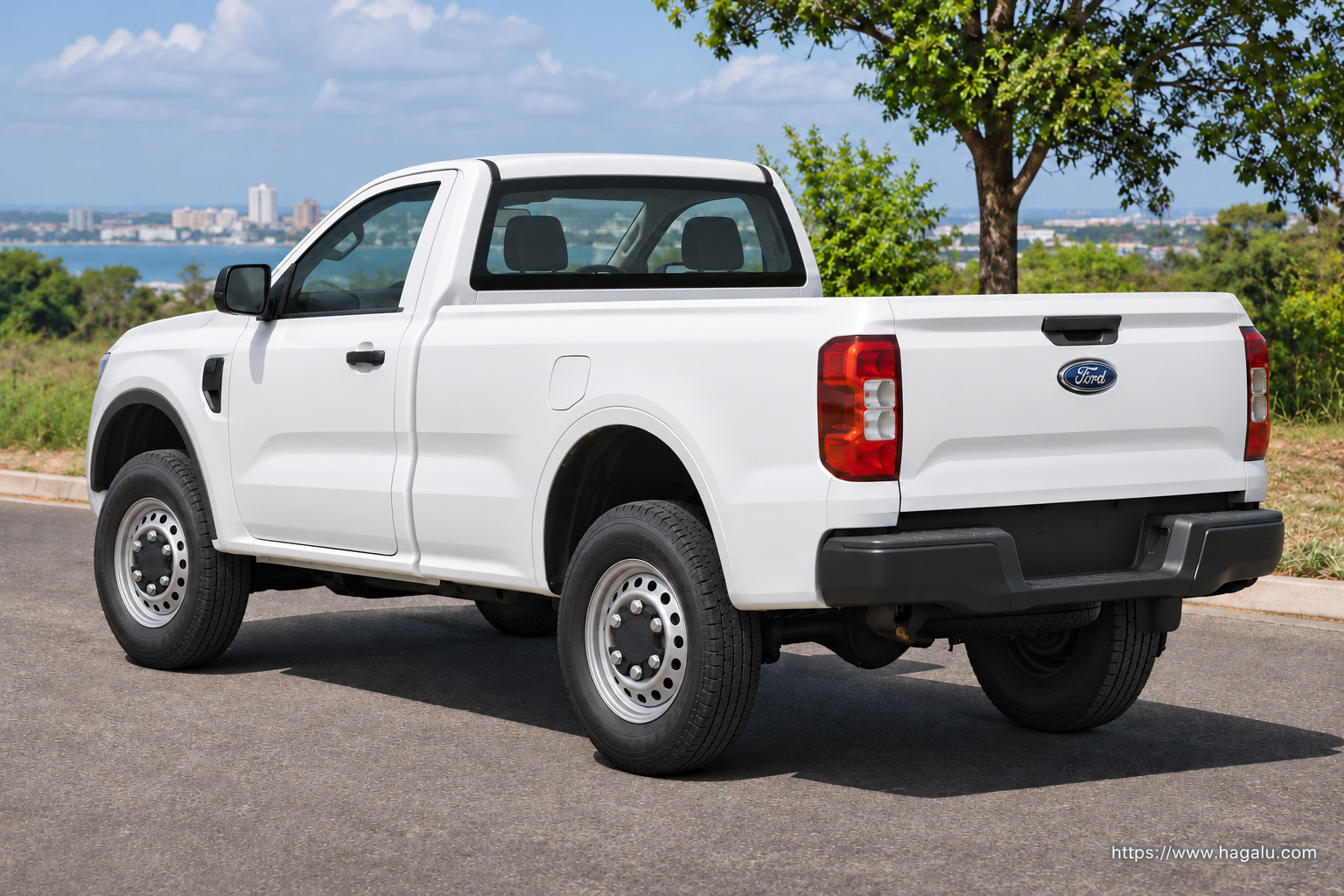
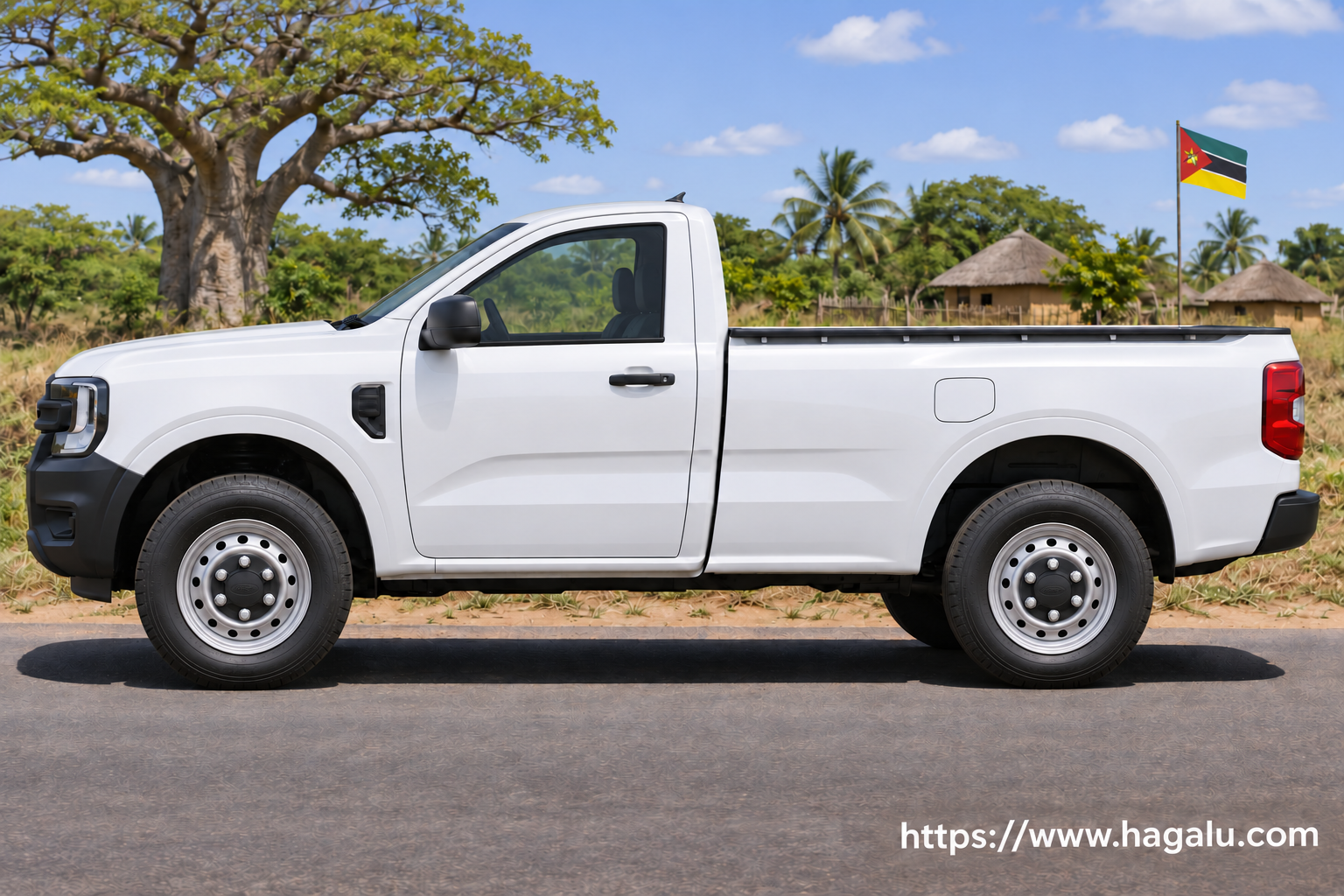
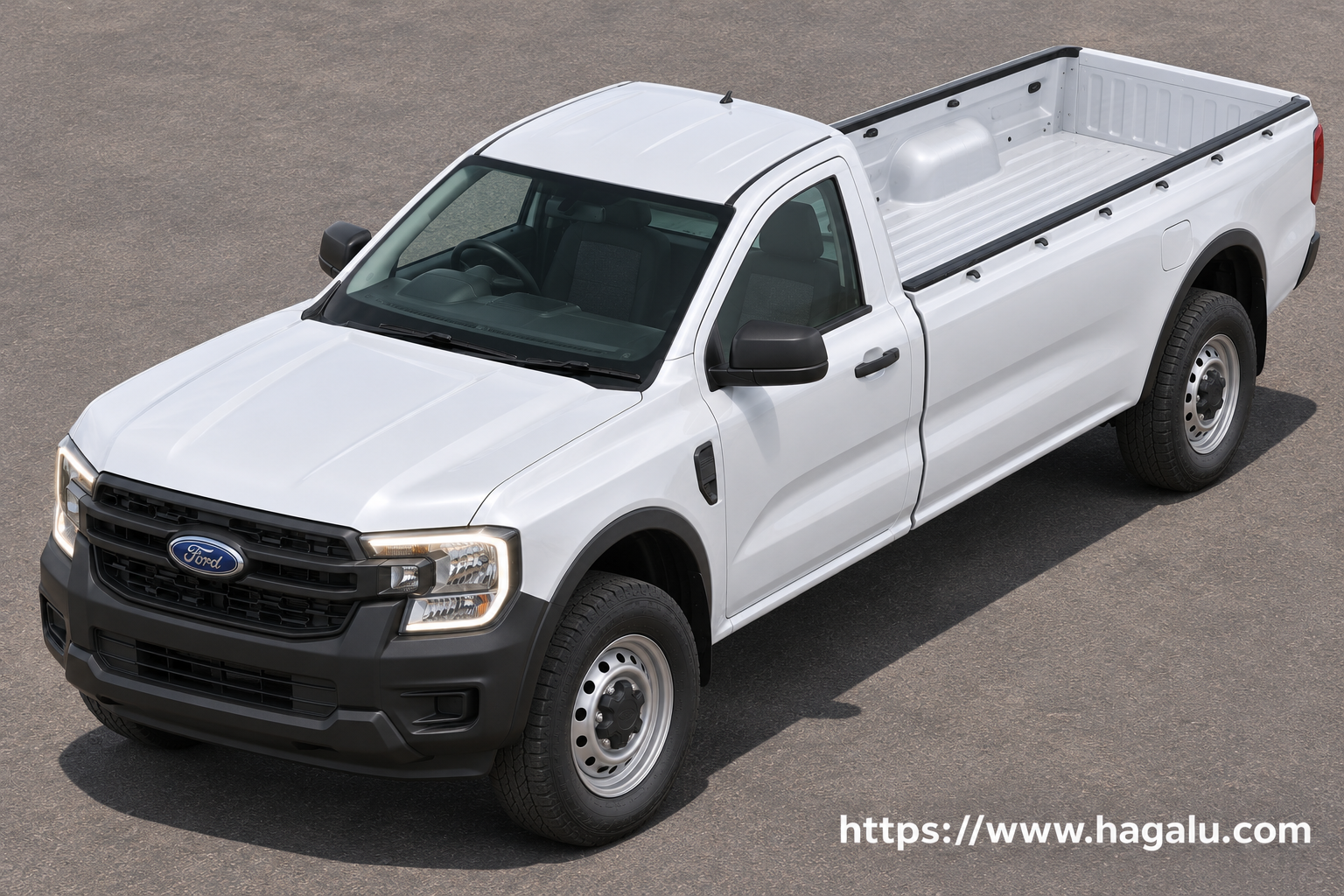
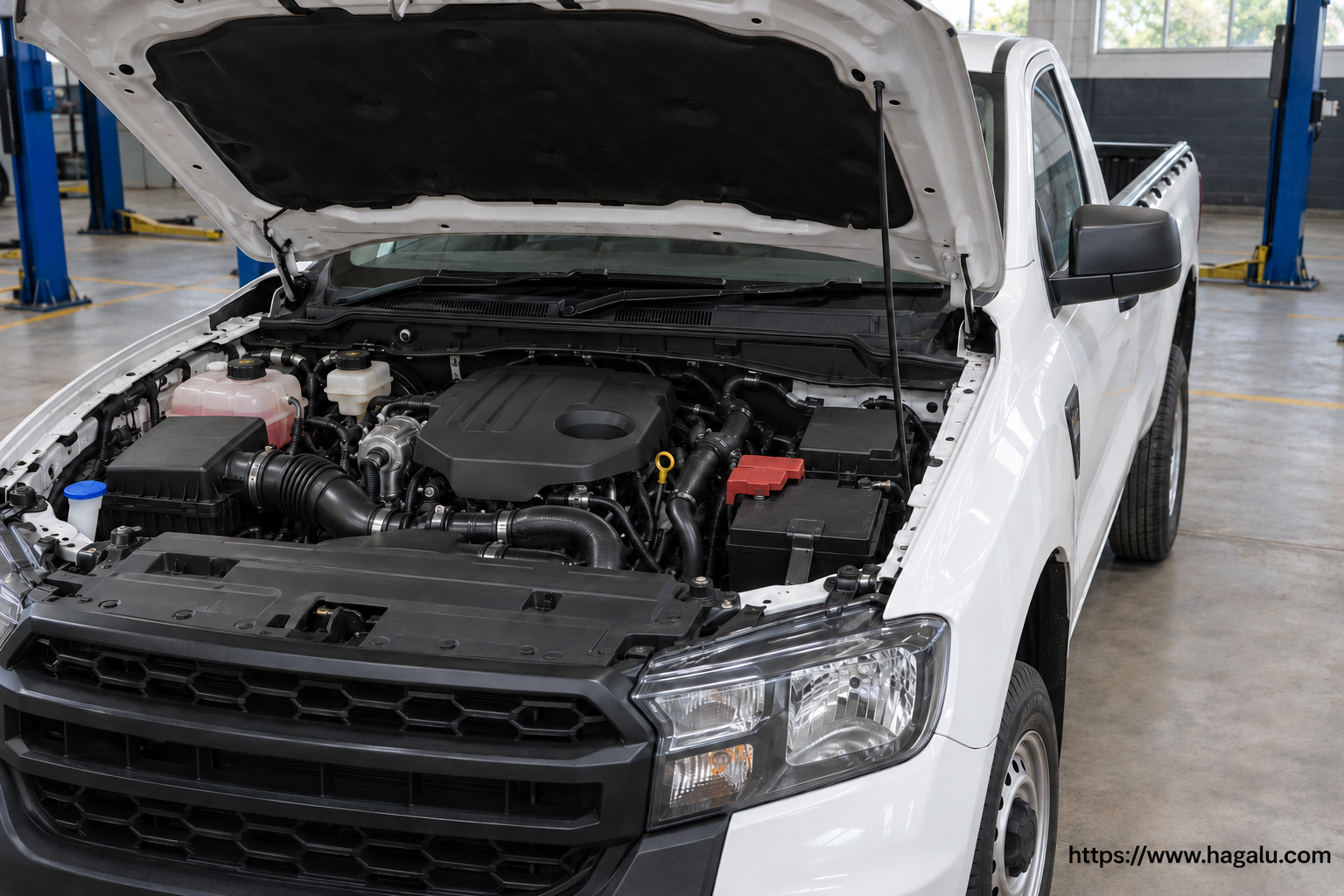
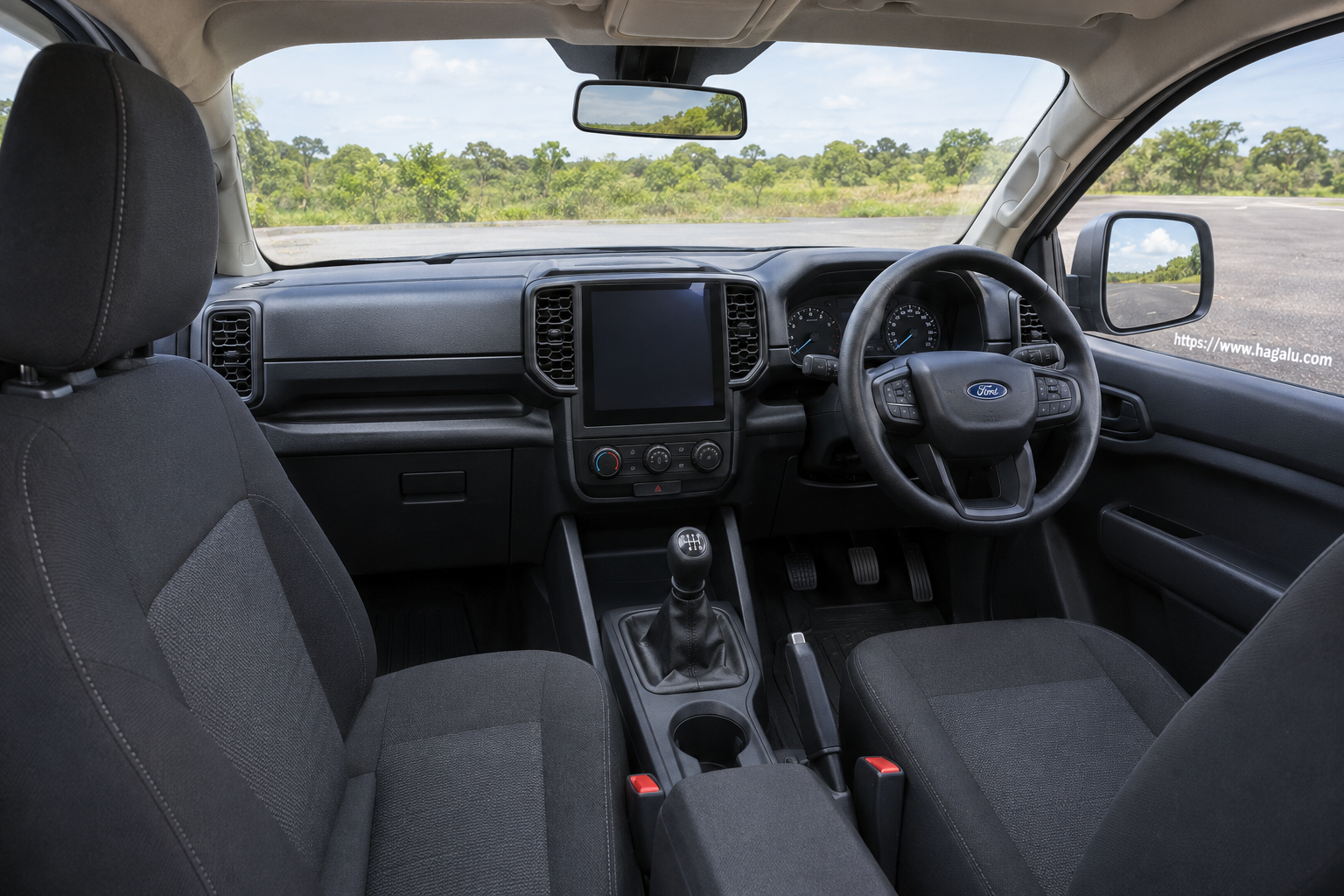
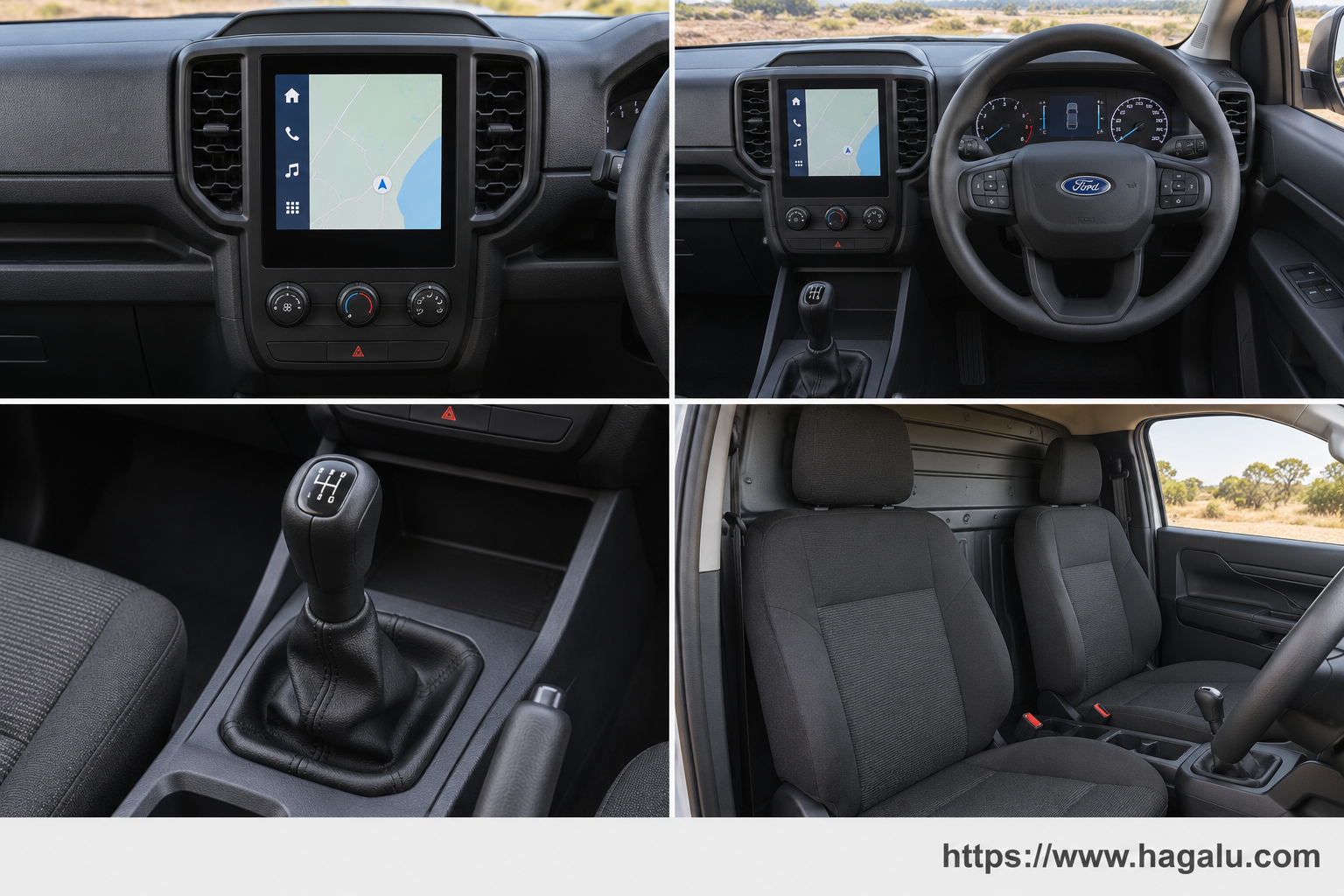
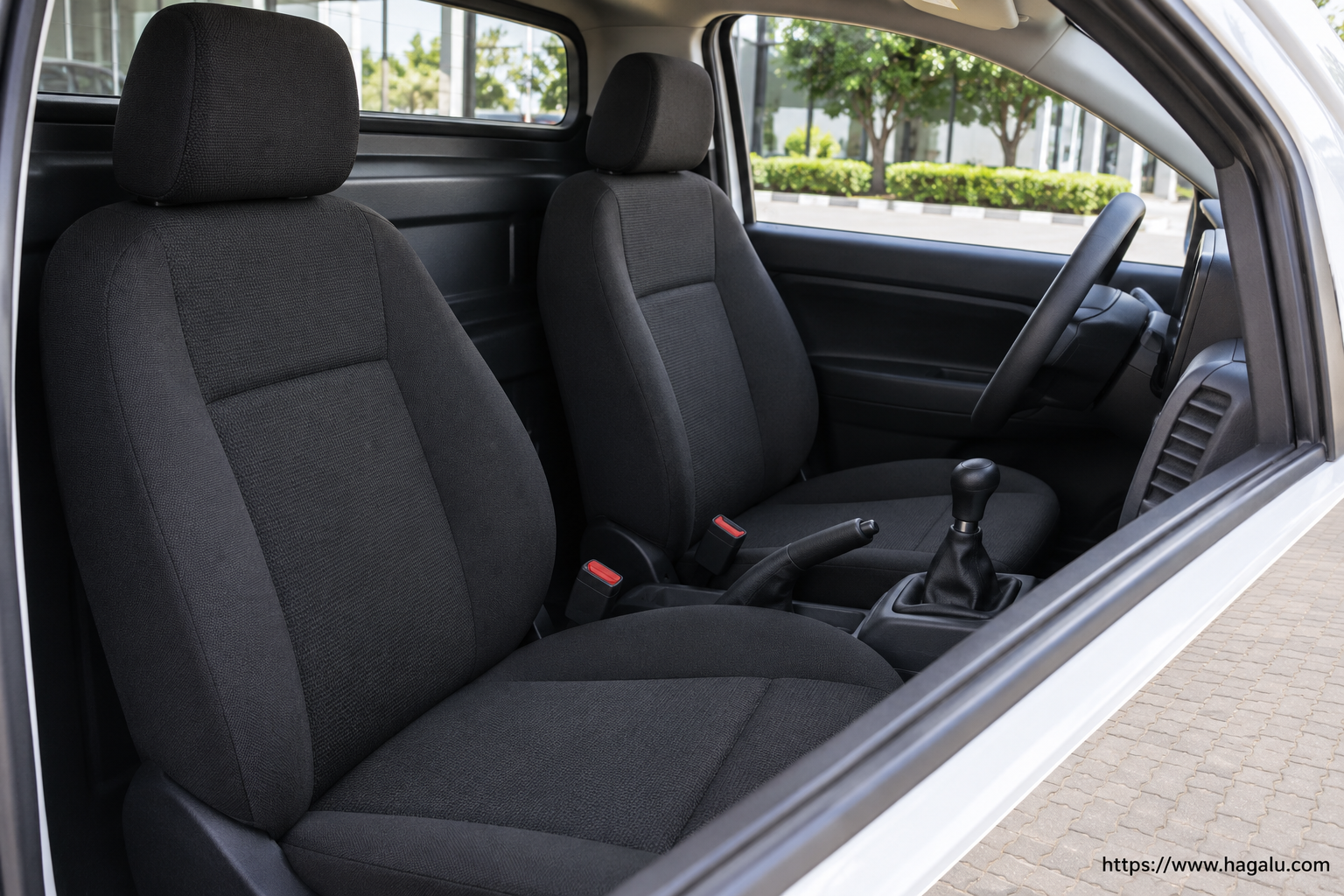
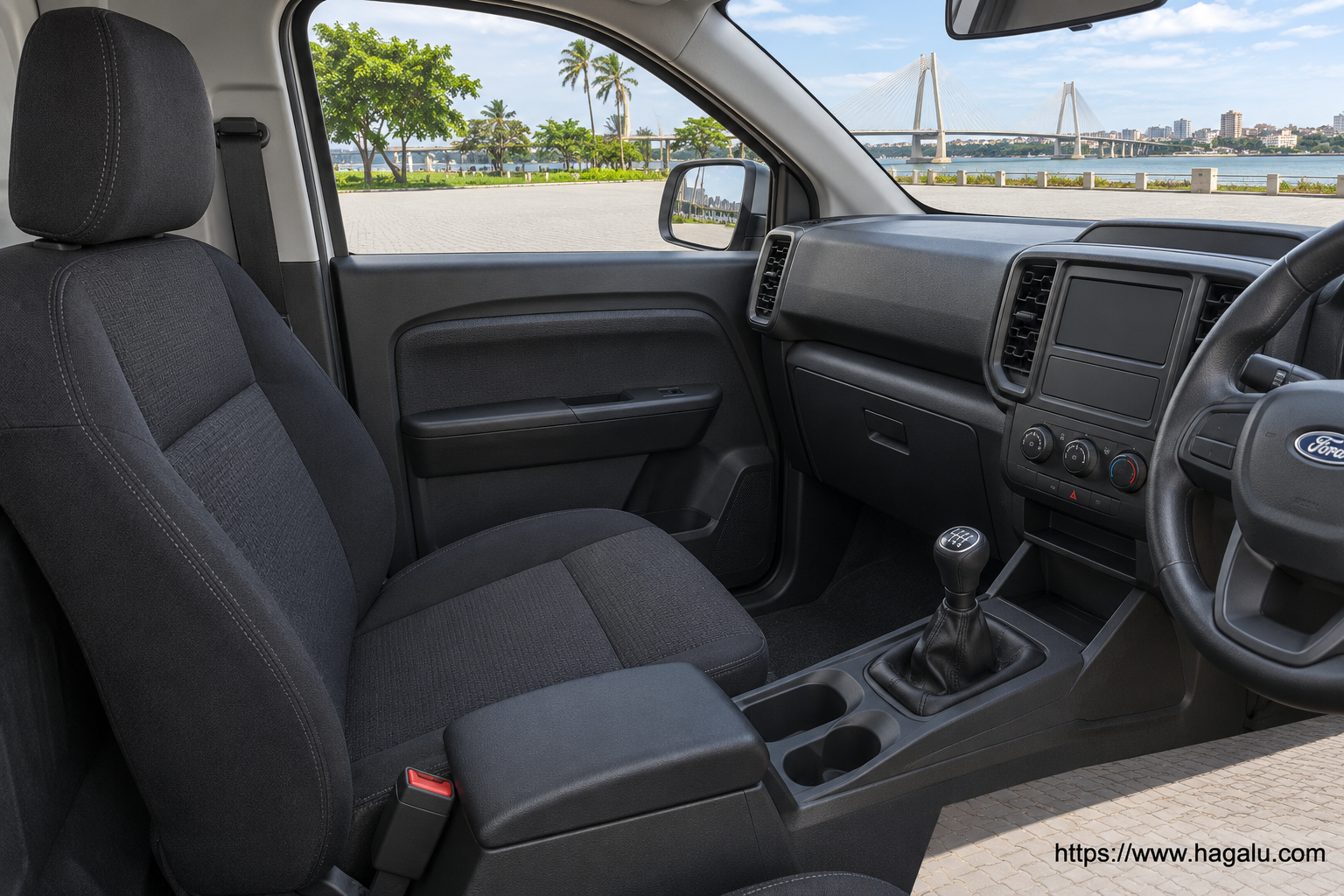
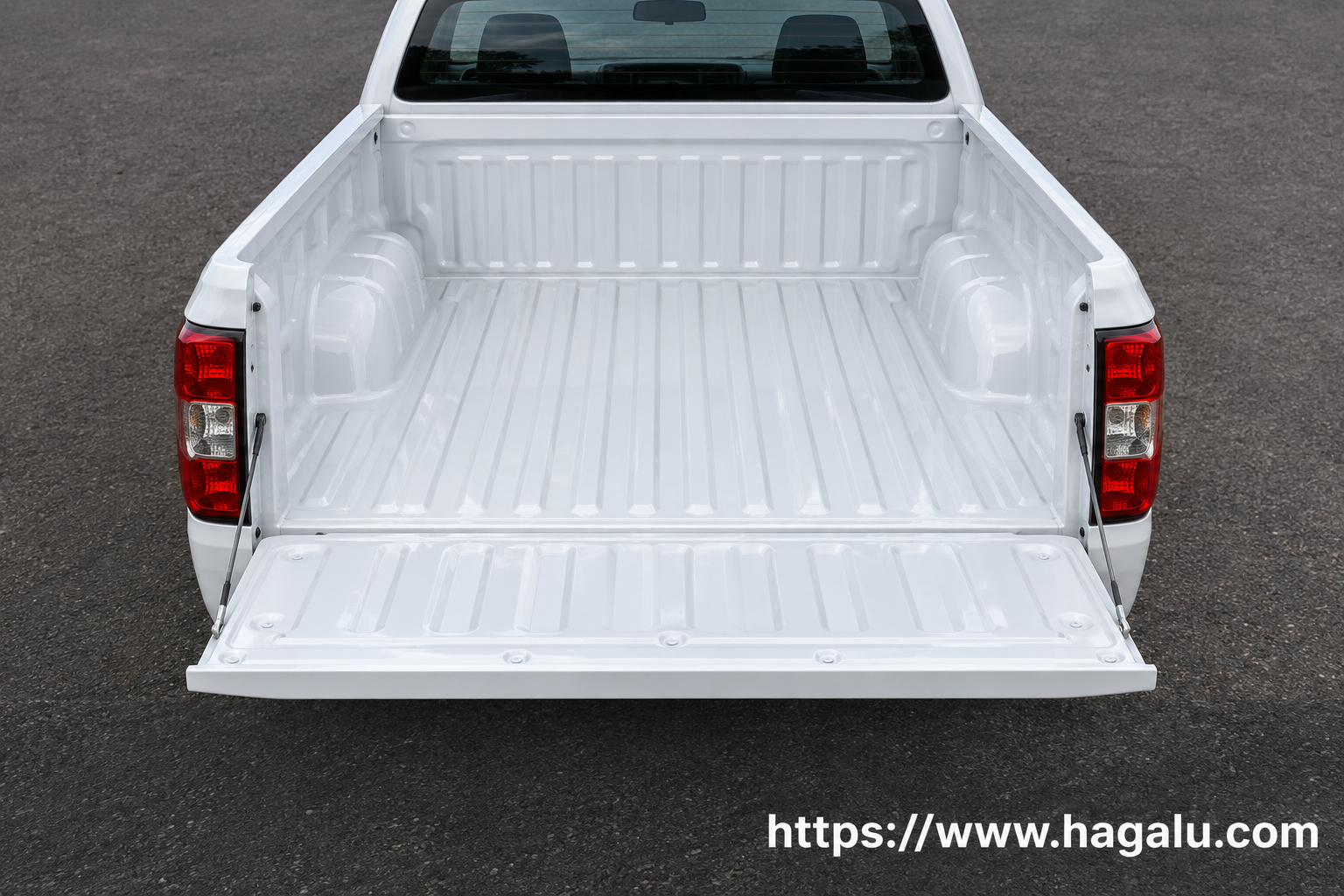
Model imagery
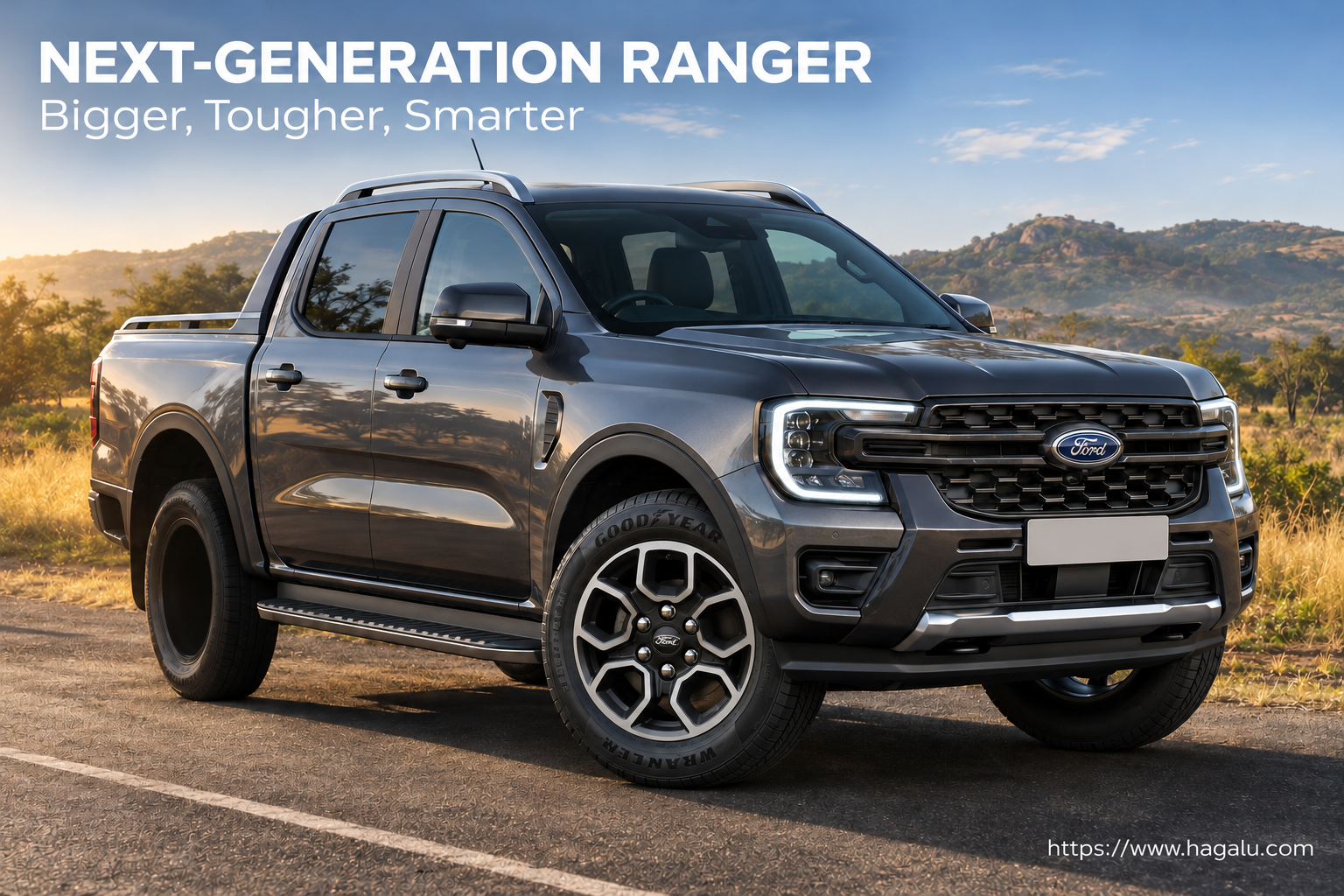
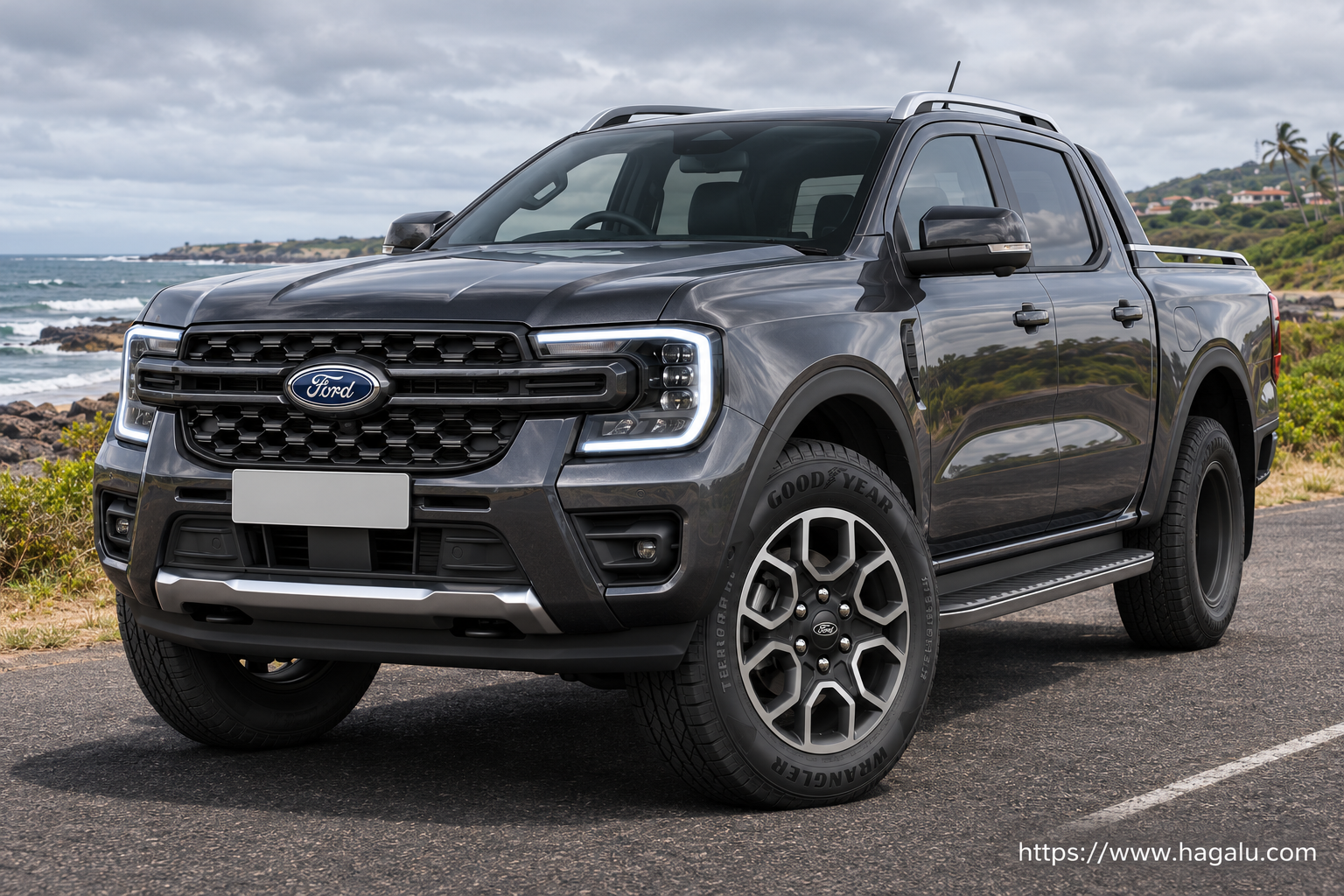
Next-Gen Ranger and Next-Gen Ranger Single Cab image comparison
Open an image for its full canonical file or visit the model page for the complete vehicle record.
Ford Next-Gen Ranger
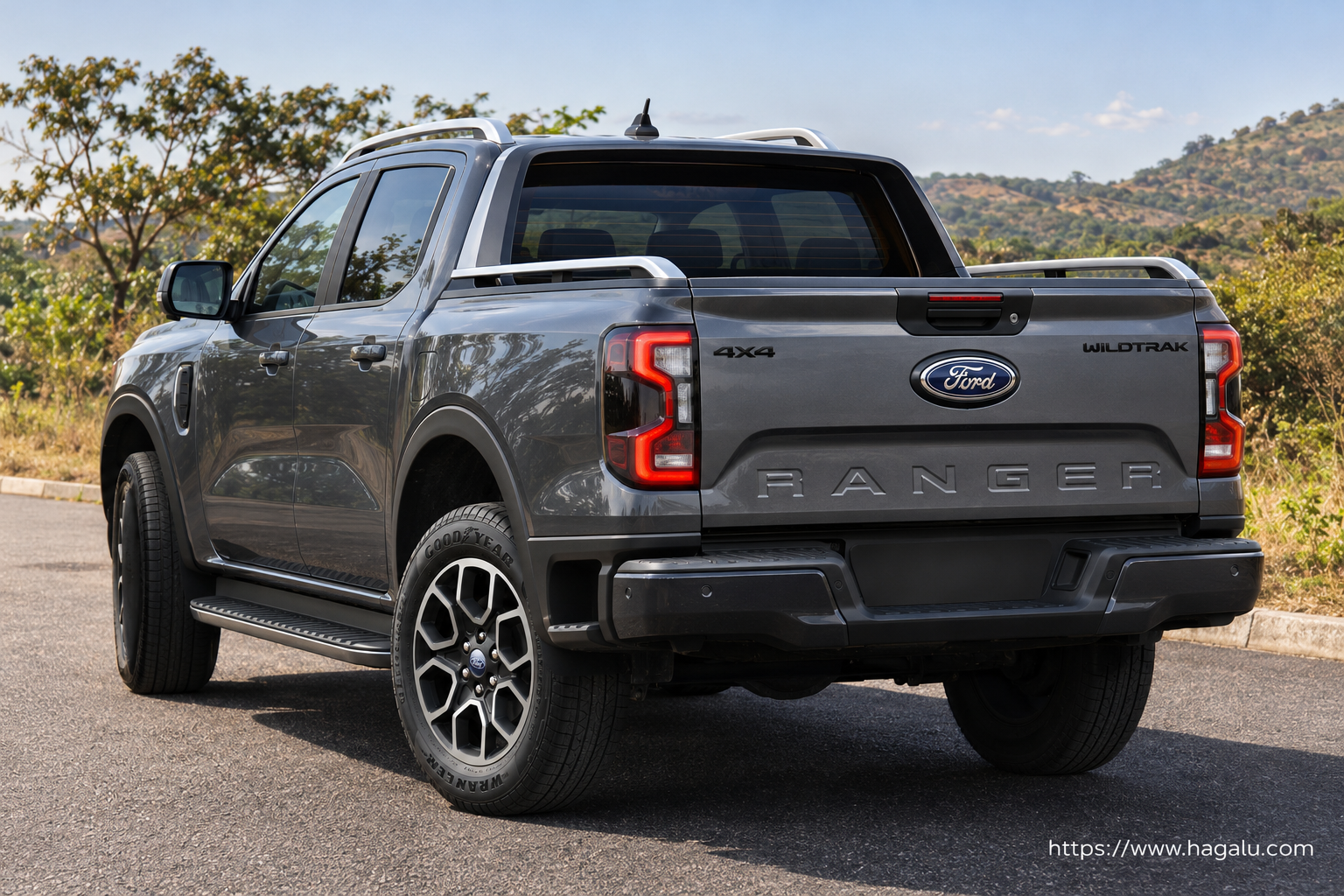
View 8 more Next-Gen Ranger images
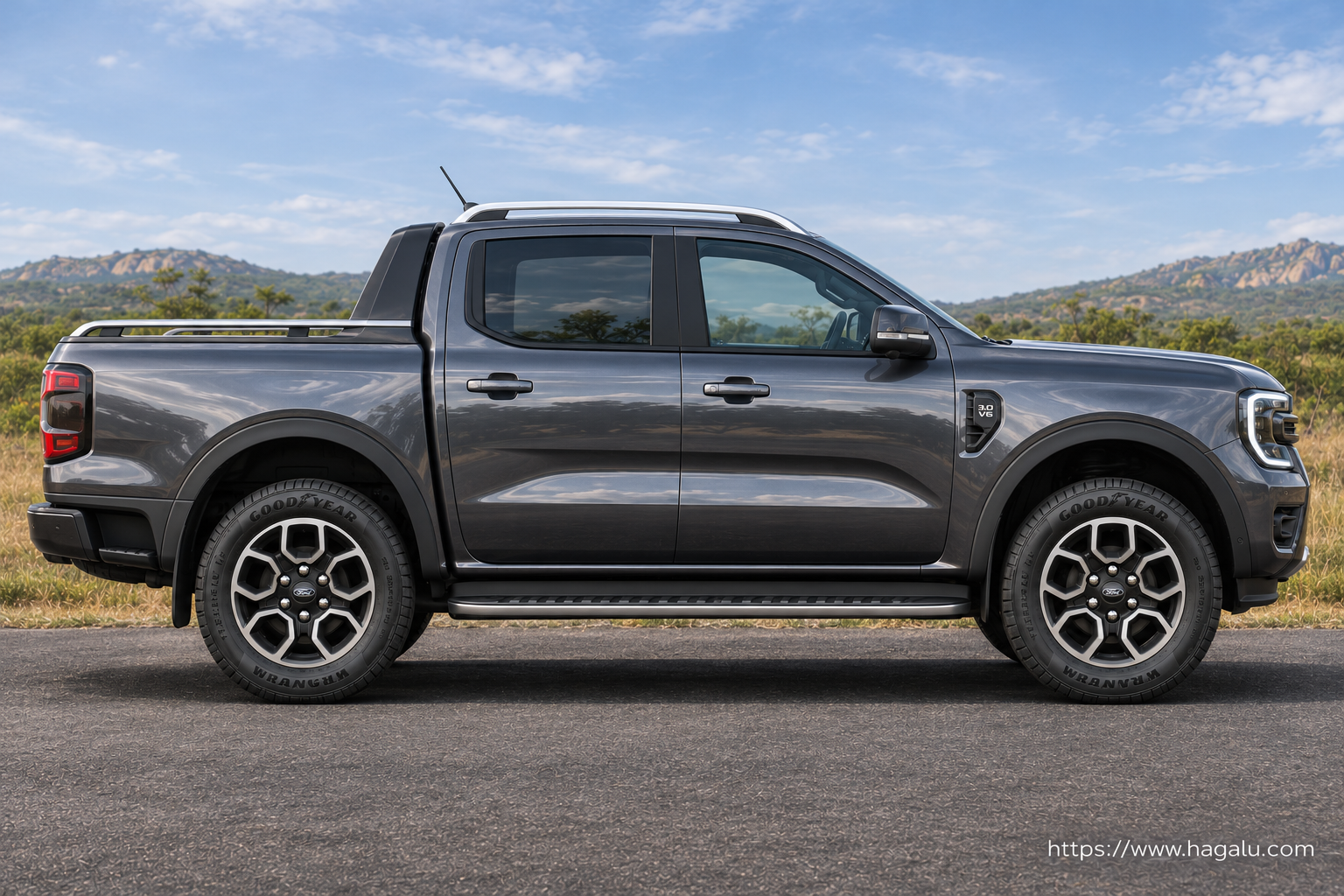
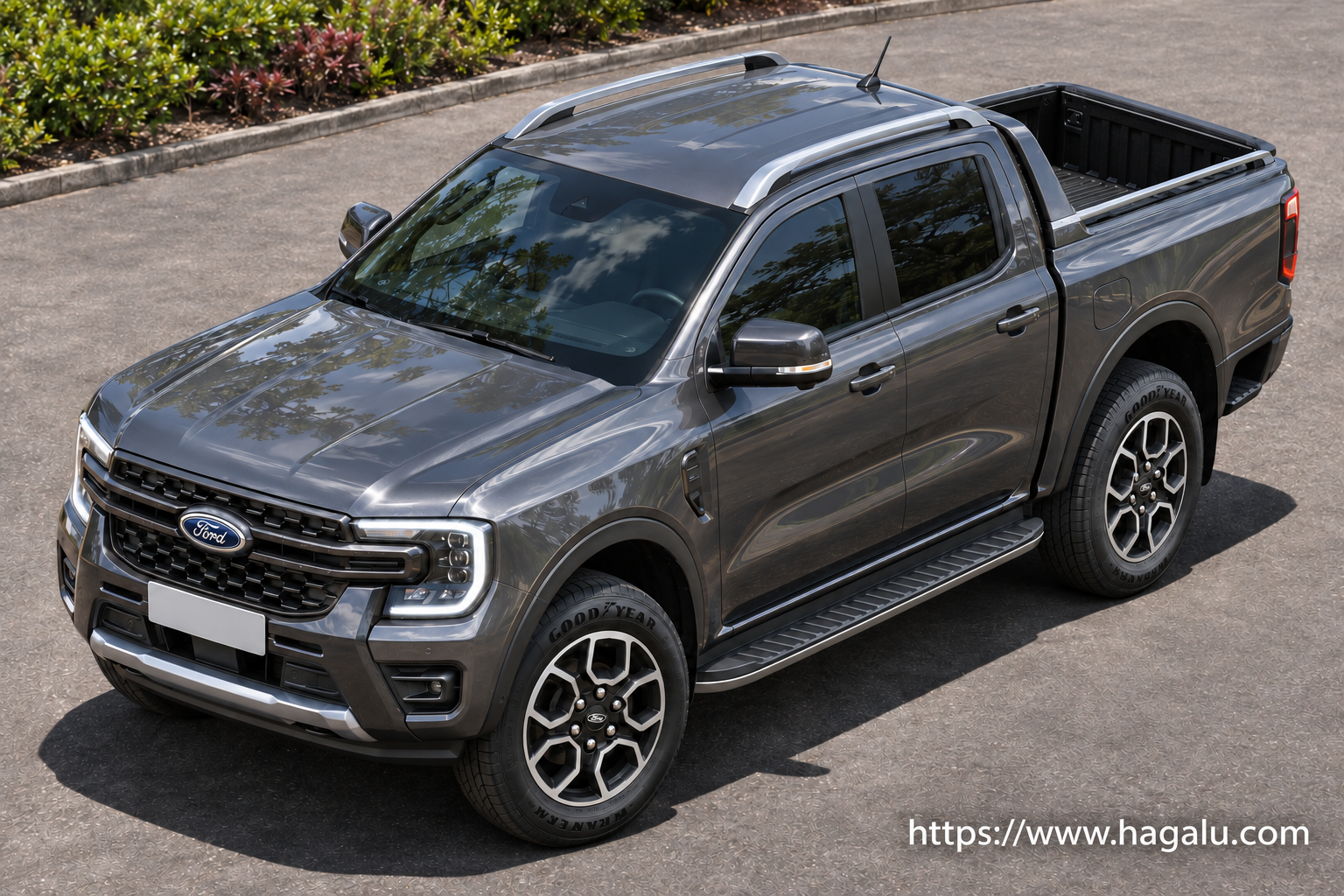
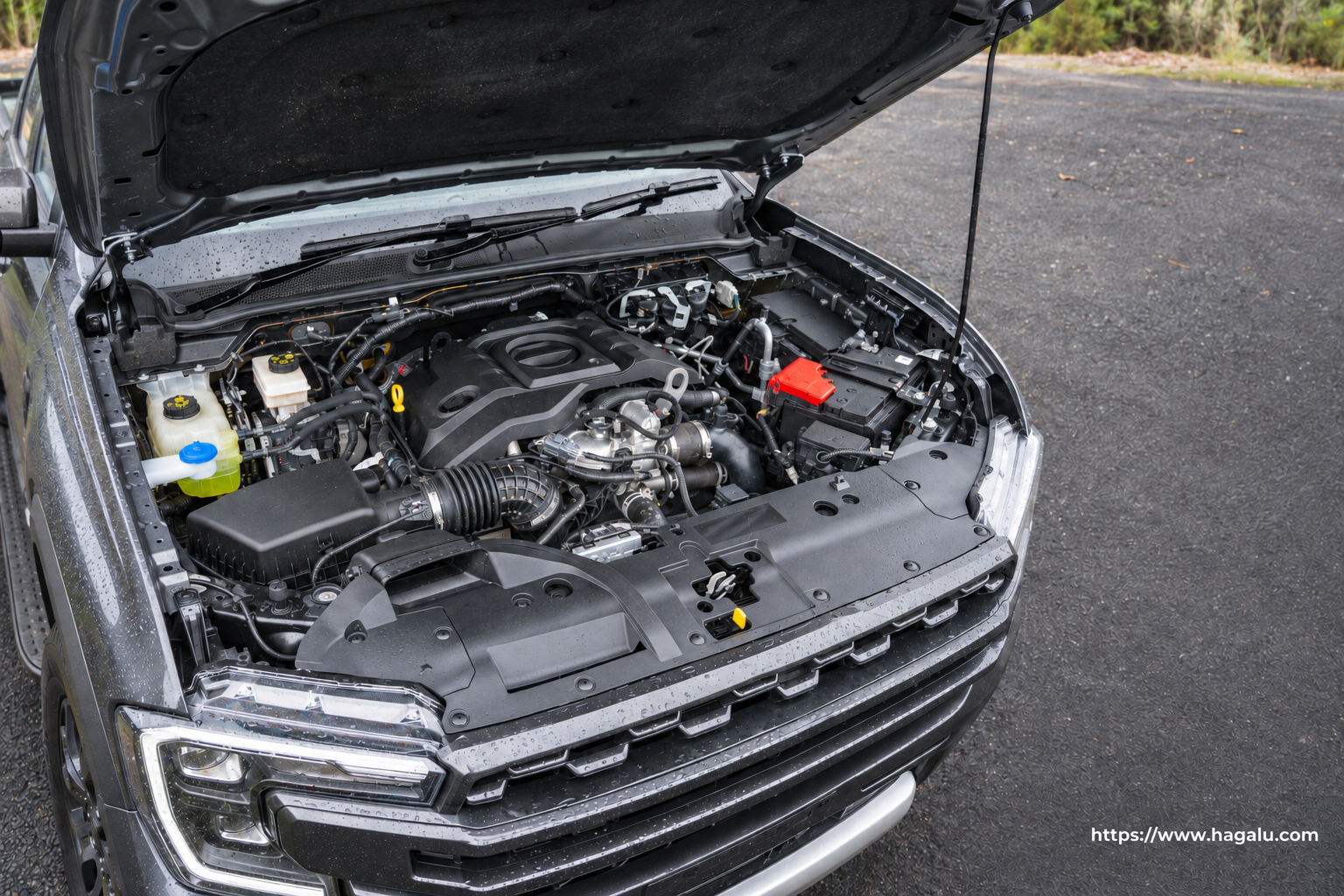
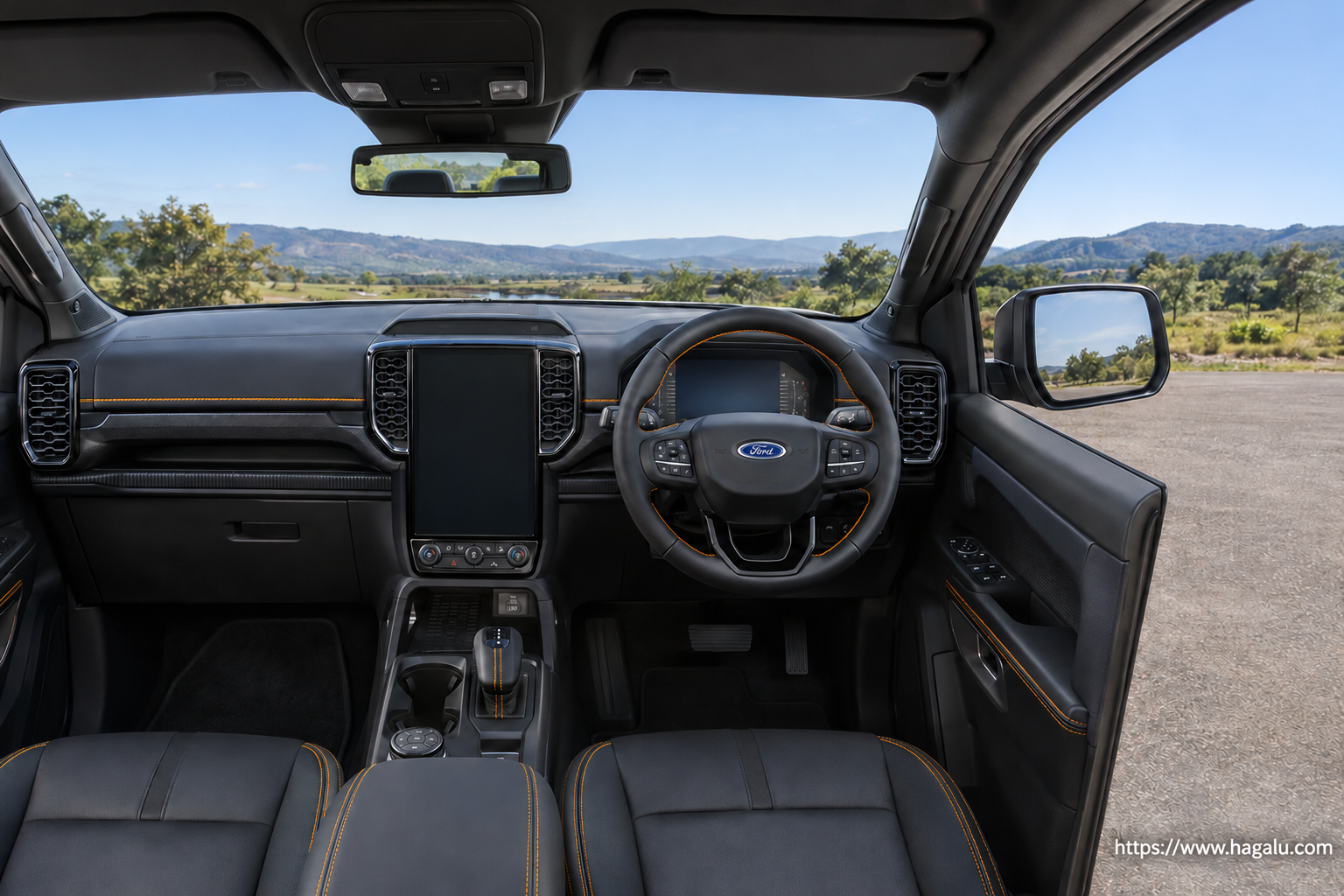
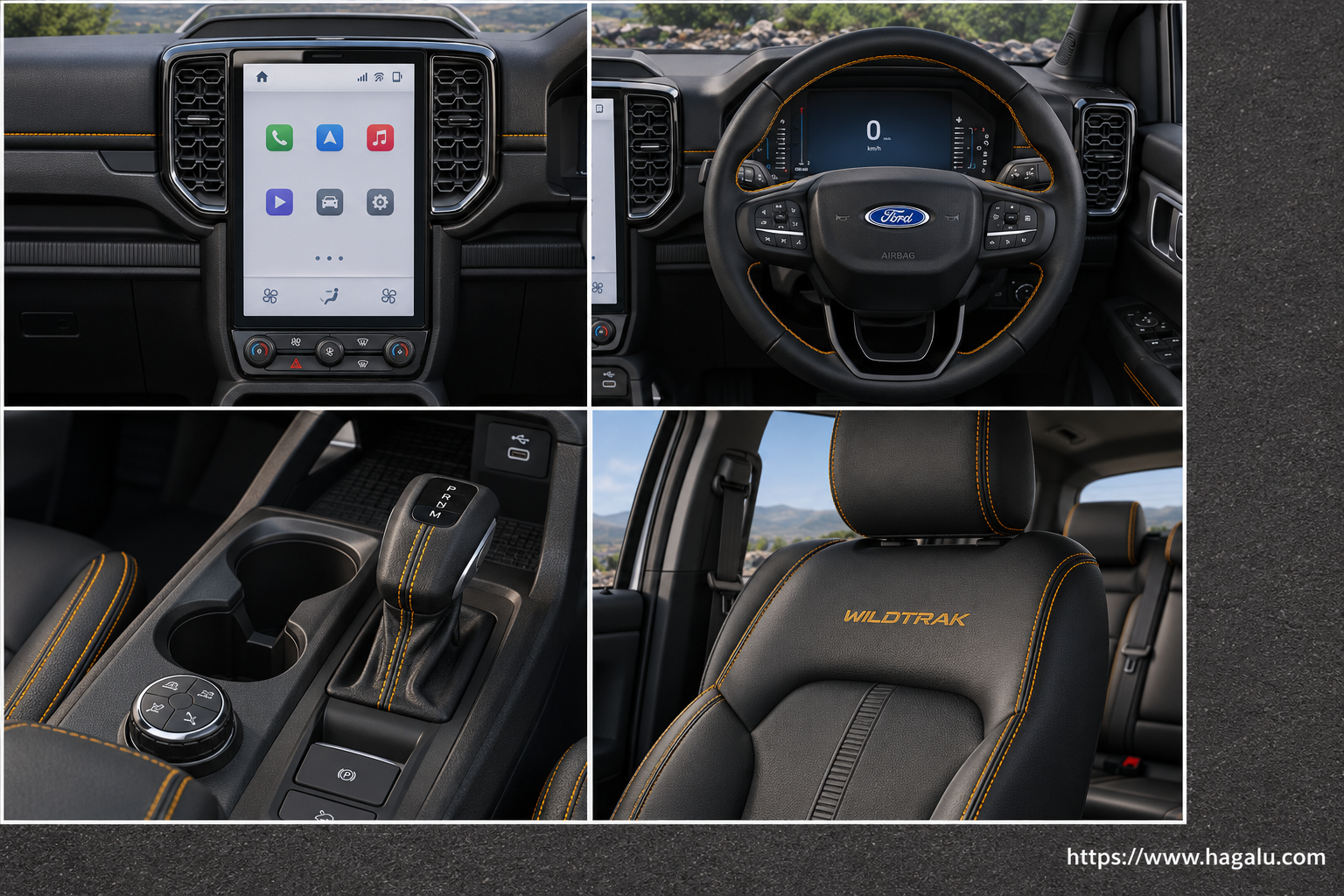
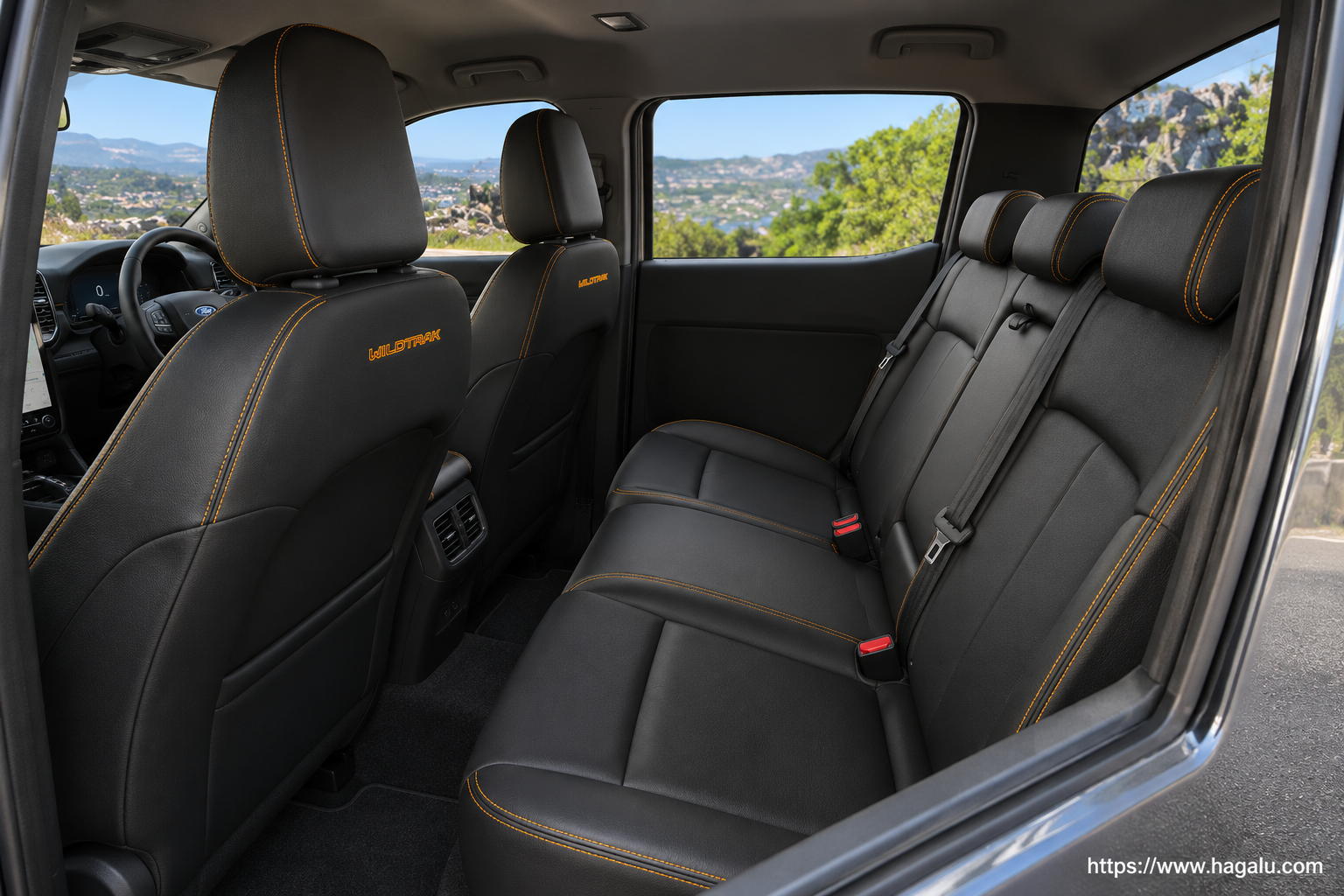
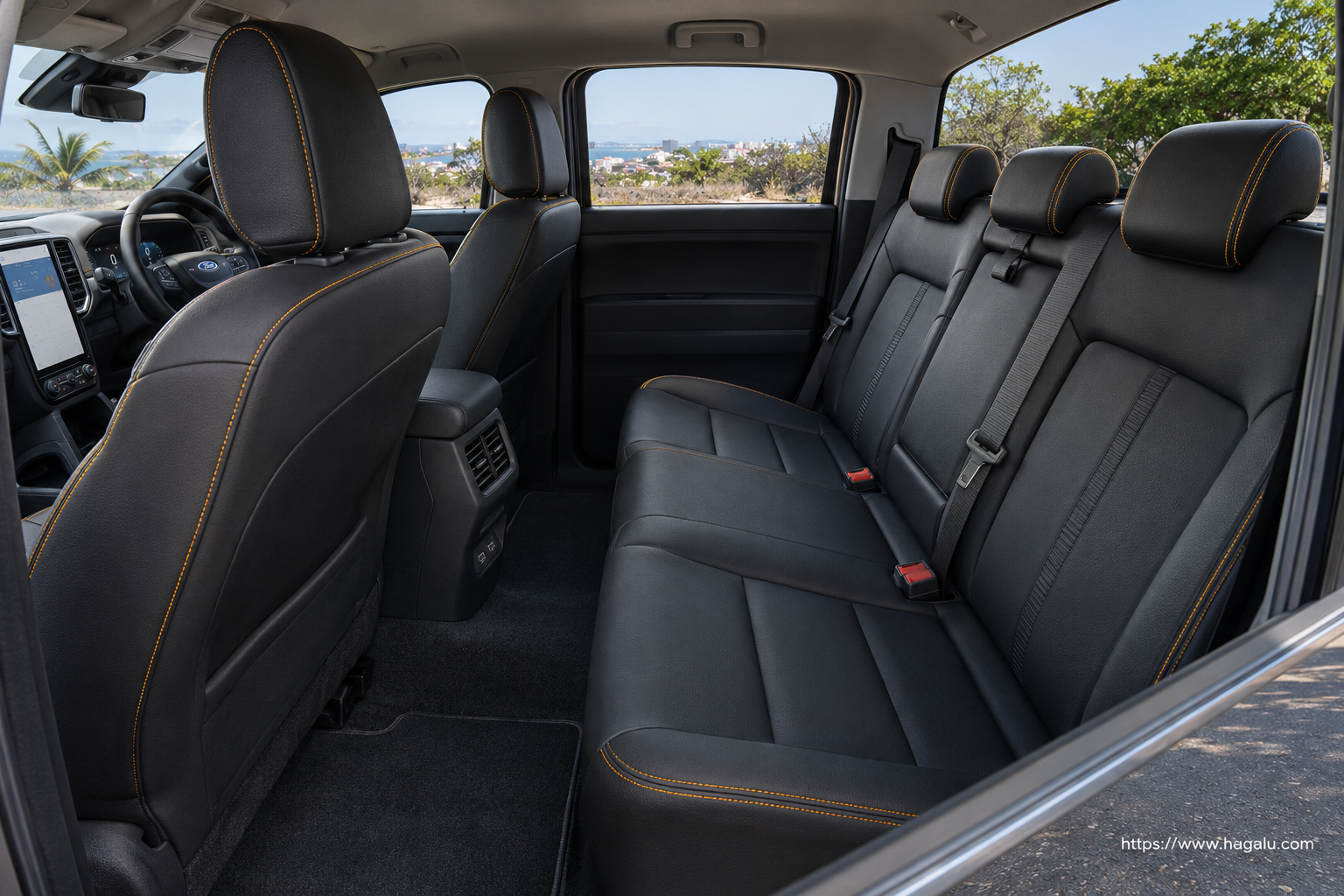
Ford Next-Gen Ranger Single Cab
View 8 more Next-Gen Ranger Single Cab images
Specification Evidence Index
A transparent comparison of published catalogue fields. This is not a road-test score, owner rating or editorial review rating, and it appears only when every vehicle clears the same comparable-data threshold.
Evidence-index readout
Next-Gen Ranger leads by 3 points
Next-Gen Ranger and Next-Gen Ranger Single Cab are close on the comparable published fields, so buyer priorities should decide.
Evidence leader
70
/100
Lead
3
points
Data
83%
source coverage
70
#1
Evidence leader
Next-Gen Ranger
Performance
59
Efficiency
49
Safety
76
Practicality
91
Leads by 3 points
67
#2
Next-Gen Ranger Single Cab
Performance
58
Efficiency
49
Safety
76
Practicality
83
Performance 24%
Safety 22%
Practicality 22%
Efficiency 17%
Ownership 15%
Category leaders
What moves the verdict
Performance
Next-Gen Ranger +1
Efficiency
Level
Safety
Level
Practicality
Next-Gen Ranger +8
Close catalogue match. Buyer priorities should decide the outcome.
Why this score View full breakdown
Evidence-index leader
Next-Gen Ranger
Performance
59/100
Efficiency
49/100
Safety
76/100
Practicality
91/100
Next-Gen Ranger Single Cab
Performance
58/100
Efficiency
49/100
Safety
76/100
Practicality
83/100
What the evidence means
In Hagalu's specification evidence index, Next-Gen Ranger leads. However, Next-Gen Ranger Single Cab may suit buyers prioritising different confirmed fields. Ultimately, the right choice depends on your driving priorities in Mozambique.
Next-Gen Ranger vs Next-Gen Ranger Single Cab questions
There is no universal winner. Use the comparison table to match the models and available derivatives in Mozambique on price, safety equipment, space, powertrain and ownership cover. The category indicators summarise published catalogue data; they are not a road test or customer rating.
Compare the published consumption or mileage rows for the exact derivatives using the same unit and test basis. A catalogue figure is useful for like-for-like comparison, but traffic, speed, load, weather and driving style can change actual fuel use.
Compare only equipment explicitly listed for each derivative, including airbags, stability control and driver-assistance systems. Confirm the exact trim with the manufacturer, and treat any independent crash-test result separately because equipment and ratings can differ by market.
A reliable five-year total cannot be calculated from catalogue data alone. Add the exact purchase and finance cost, fuel or electricity, insurance quotes, scheduled servicing, tyres and expected resale value. Check whether the selected derivative includes a service or maintenance plan.
Use the seating, boot or load-space, ISOFIX and safety rows as a first check. Then test the exact cars with your child seats, passengers and typical luggage, because published dimensions do not show every access or comfort difference.
Compare the published power, torque and 0–100 km/h rows when they are available for both exact derivatives. Vehicle weight, gearing and power delivery also matter, so catalogue outputs alone do not establish real-world overtaking or response.