Toyota Land Cruiser 300 vs Ford Next-Gen Ranger Raptor
A proper head-to-head in Mozambique — compare price, performance, fuel economy or electric range, safety and the details that shape long-term ownership.
Share

Toyota Land Cruiser 300
Land Cruiser 300 3.3D ZX 10AT 4x4
Diesel
10-Speed Automatic
Current
Price on request
⚡ 225 kW
🔧 700 Nm
⛽ 10.5 km/l
VS
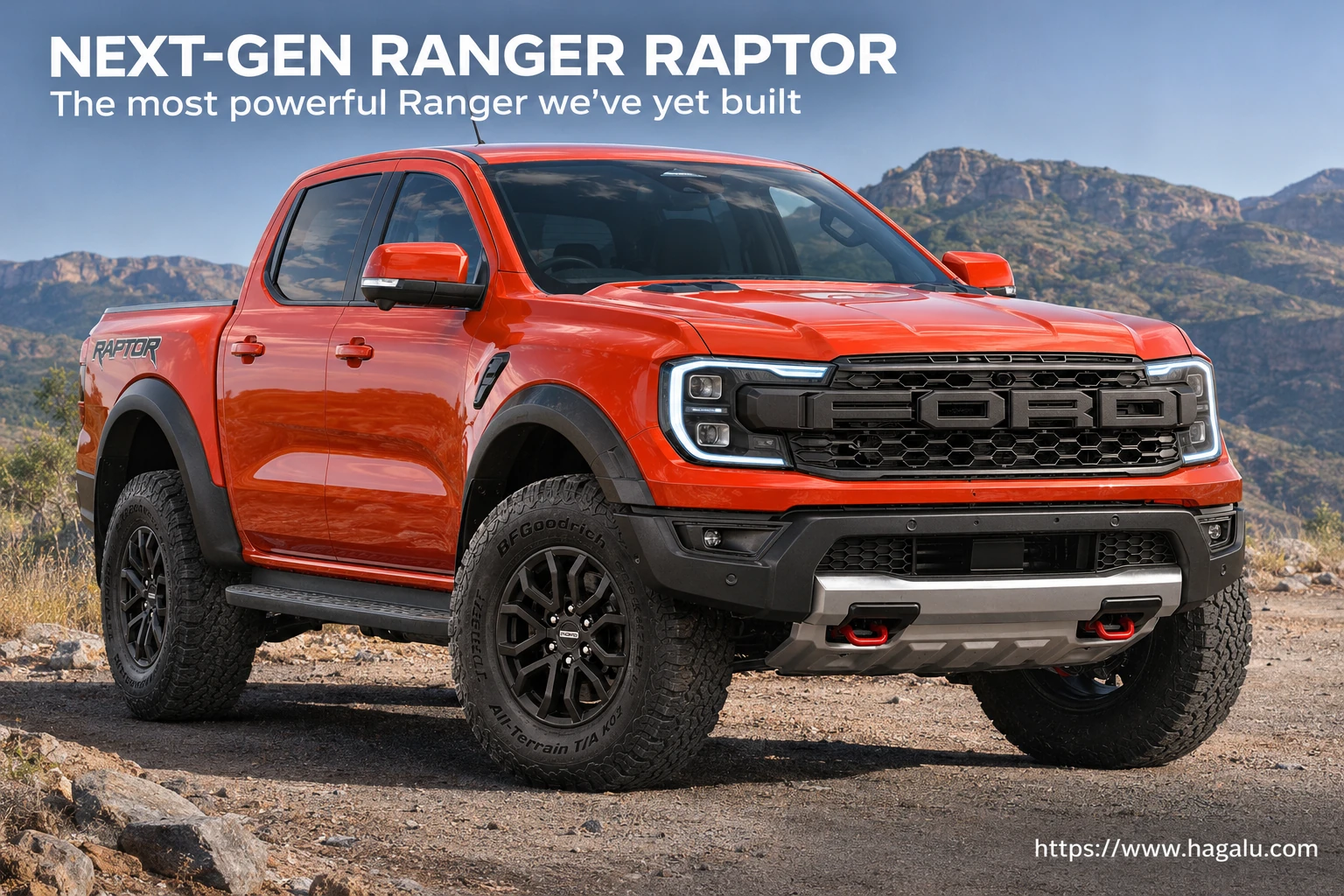
Ford Next-Gen Ranger Raptor
3.0 EcoBoost V6 10AT 4WD
Petrol
10-Speed Automatic
Current
MZN 5,200,000
ex-showroom
⚡ 292 kW
🔧 583 Nm
⛽ 8.7 km/l
+
Add a 3rd car
Decision summary
Toyota Land Cruiser 300 vs Ford Next-Gen Ranger Raptor: the short answer
Land Cruiser 300 and Next-Gen Ranger Raptor are close on the comparable published fields, so buyer priorities should decide.
Five key differences
Exact selected derivativesSwipe sideways to compare every column
| Specification | Land Cruiser 300 | Next-Gen Ranger Raptor |
|---|---|---|
| Maximum Power | Land Cruiser 300225 kW | Next-Gen Ranger Raptor292 kW |
| Maximum Torque | Land Cruiser 300700 Nm | Next-Gen Ranger Raptor583 Nm |
| Engine Size | Land Cruiser 3003346 cc | Next-Gen Ranger Raptor2956 cc |
| Combined Fuel Economy | Land Cruiser 30010.5 km/l | Next-Gen Ranger Raptor8.7 km/l |
| Ground Clearance | Land Cruiser 300235 mm | Next-Gen Ranger Raptor272 mm |
Strongest published figure in that row; no road-test winner is implied.
Full Specs, Side by Side
Open a category to compare the selected variants.
Open a category, then swipe sideways to compare every column
| Spec | Land Cruiser 300 | Next-Gen Ranger Raptor |
|---|---|---|
| Model Introduced Year | 2021 | 2022 |
| Generation | Current-generation Land Cruiser 300 regional configuration | Current Ford Mozambique model generation |
| Facelift History | Current Mozambique catalogue version; regional-equivalent derivative researched by Hagalu | Current Mozambique market specification |
| Facelift Launched Since | 2021 | 2022 |
| Facelift Version Ending | Current | Current |
| Body Style | SUV | Pickup |
| Body Type Cab | SUV | - |
| Color Note | Factory colours vary by trim and Mozambique dealer stock | - |
| Dealer Stock Note | Subject to Mozambique dealer stock and order availability | - |
| Drivetrain Note | 4x4 drivetrain researched from model-family and regional specifications | - |
| Gross Combined Mass Kg | 6780 kg | - |
| Model Year | 2026 | 2026 |
| Gross Weight Class | Light commercial / passenger vehicle | - |
| Wheelbase Type | Standard Wheelbase | - |
| Production Status | published | Current |
| Segment | 4x4 SUV | Pickup |
| Tare Mass Kg | 2695 kg | - |
| Vehicle Type | SUV | Pickup |
| Model Code | LAND-CRUISER-300-ZX | - |
| Spec | Land Cruiser 300 | Next-Gen Ranger Raptor |
|---|---|---|
| Length | 4985 mm | 5381 mm |
| Width | 1980 mm | 2028 mm |
| Height | 1950 mm | 1922 mm |
| Wheelbase | 2850 mm | 3270 mm |
| Ground Clearance (Default) | 235 mm | 272 mm |
| Ground Clearance (With Full Seating Load) | 215 mm | 272 mm |
| Fuel Tank Capacity | 110 l | 80 l |
| Boot/Cargo Space | 621 l | 1233 l |
| Kerb Weight | 2745 kg | 2475 kg |
| Gross Vehicle Weight (GVW) | 3280 kg | 3130 kg |
| Payload Capacity | 535 kg | 655 kg |
| Towing Capacity | 3500 kg | 2500 kg |
| Seating Capacity | 7 seats | 5 seats |
| Number of Rows | 3 rows | 2 rows |
| Doors | 5 doors | 4 doors |
| Minimum Turning Radius | 5.9 m | 6.5 m |
| Front Headroom | 1000 mm | 1020 mm |
| Rear Headroom | 960 mm | 1000 mm |
| Front Legroom | 1050 mm | 1050 mm |
| Rear Legroom | 900 mm | 900 mm |
| Spec | Land Cruiser 300 | Next-Gen Ranger Raptor |
|---|---|---|
| Front Track Width | 1667 mm | - |
| Rear Track Width | 1668 mm | - |
| Front Suspension | Double wishbone | Independent double wishbone with FOX adaptive dampers |
| Rear Suspension | 4-link coil spring | Coil spring with Watts linkage and FOX adaptive dampers |
| Chassis Type | Ladder-frame | - |
| Power Steering | Electric power-assisted steering | - |
| Steering Column | Tilt and telescopic adjustable | - |
| Front Spring Type | Double wishbone | - |
| Rear Spring Type | 4-link coil spring | - |
| Front Anti-Roll Bar | Yes | - |
| Rear Anti-Roll Bar | Yes | - |
| Shock Absorber Type | Gas-pressurised telescopic dampers | - |
| Air Suspension | Yes | - |
| Air Suspension Modes | 3 | - |
| Chassis Material | High-strength steel | - |
| Front Suspension Type | Double wishbone | Independent double wishbone with FOX adaptive dampers |
| Gross Axle Mass Front Kg | 1574 kg | - |
| Gross Axle Mass Rear Kg | 1706 kg | - |
| High Ride Suspension | Yes | - |
| Payload Front Axle | 214 kg | - |
| MagneRide Damping | No | - |
| Rear Axle Type | 4-link coil spring | - |
| Rear Suspension Type | 4-link coil spring | Coil spring with Watts linkage and FOX adaptive dampers |
| Shock Absorbers | Gas-pressurised telescopic dampers | - |
| Suspension | Double wishbone front; 4-link coil spring rear | - |
| Suspension Height | Standard ride height | - |
| Track Front Rear Mm | 1667 / 1668 mm | - |
| Electric Power Steering | Yes | - |
| Spec | Land Cruiser 300 | Next-Gen Ranger Raptor |
|---|---|---|
| Load Bed Length | 0 mm | - |
| Load Bed Width | 0 mm | - |
| Climate Control | Yes | Dual-zone automatic climate control |
| Power Windows | Yes | Yes |
| Keyless Entry | Yes | Yes |
| Push Button Start | Yes | Yes |
| Wireless Charging | Yes | Yes |
| Sunroof | Yes | Not Available |
| Electric Tailgate | Yes | No |
| Automatic Headlamps | Yes | - |
| Rain Sensing Wipers | Yes | Yes |
| Auto Dimming Mirror | Yes | - |
| Boot Space Seats Folded | 1863 l | - |
| Boot Space Seats Folded | 1863 l | - |
| Rear Window Defroster | Yes | - |
| Electric Mirror Folding | Yes | - |
| Driver Seat Height Adjustment | Yes | - |
| Follow Me Home Headlamps | Yes | - |
| 12V Accessory Socket | Yes | - |
| Speed Limiter | Yes | - |
| AC Type | Yes | Dual-zone automatic climate control |
| Adaptive Dampers | Yes | - |
| Aero Kit | No | - |
| Auto Dimming Irvm | Yes | - |
| Boot Opener | Power tailgate release | - |
| Chrome Exterior Highlights | Yes | - |
| Chrome Grille | Yes | - |
| Climate Zones | 3 | - |
| Door Ajar Warning | Yes | - |
| Drag Coefficient | 0.35 | - |
| Driver Display | Digital display | - |
| Electric Folding Mirrors | Yes | - |
| Engine Check Warning | Yes | - |
| Engine Start Button Illumination | Yes | - |
| Engine Start Stop | Yes | Yes |
| Engine Start Stop Button | Yes | Yes |
| Engine Warranty | 3 years / 100000 km | - |
| Exhaust Finish | Chrome tip | - |
| Exhaust Type | Single exhaust | - |
| Front Armrest | Centre armrest with storage | - |
| Front Power Outlet | Yes | - |
| Fuel Consumption Combined | 9.5 L/100 km | - |
| Fuel Lid Opener | Yes | - |
| Glovebox Cooling | Yes | - |
| Headlamp Height Adjust | Yes | - |
| Headlamp Washer | Yes | - |
| Headrest Adjustable | Yes | - |
| Heads Up Display | Yes | - |
| Hill Start Assist | Yes | - |
| Impact Sensing Door Unlock | Yes | - |
| Intercooler | Yes | - |
| Multi Function Steering | Yes | - |
| Panoramic Roof | Yes | Not Available |
| Performance Data Logger | No | - |
| Power Mirrors | Yes | - |
| Push Button Start | Yes | Yes |
| Rear Defogger | Yes | - |
| Rear Reading Lamps | Yes | - |
| Rear Seat Split | Yes | - |
| Rear Wing | No | - |
| Remote Engine Start | Yes | - |
| Rev Matching | No | - |
| Ride Mode Selection | Yes | - |
| Roof Antenna | Shark-fin antenna | - |
| Seat Type | Comfort front seats | - |
| Seatbelt Pre Tensioner | Yes | - |
| Service Reminder | Yes | - |
| Side Steps | Yes | - |
| Skid Plates | Yes | - |
| Spare Wheel | Yes | Full-size spare wheel |
| Speed Alert System | Yes | - |
| Stabilizer Bar | Yes | - |
| Steering Mounted Controls | Yes | - |
| Steering Response | Speed-sensitive power assistance | - |
| Tachometer | Yes | - |
| Tail Lamps | Yes | - |
| Telescopic Steering | Yes | - |
| Tilt Steering | Yes | - |
| Trip Computer | Yes | - |
| Tyre Repair Kit | No | - |
| Vanity Mirror | Yes | - |
| Voice Command | Yes | - |
| Voice Command Support | Yes | - |
| Accelerator 0 100 | 6.9 sec | - |
| Active Safety Alert | Yes | - |
| Air Conditioning | Yes | Dual-zone automatic climate control |
| Ambient Light Zones | Yes | - |
| Ambient Lighting Sport Integration | Yes | - |
| Automatic High Beam | Yes | - |
| B Pillar Blackout | Yes | - |
| Battery Preconditioning | Not Applicable | - |
| Bed Extender | Not Applicable | - |
| Bottle Holders | Yes | - |
| Bull Bar | Dealer accessory | - |
| Canopy Fitment | Not Applicable | - |
| Centre Console | Yes | - |
| Chrome Mirrors | Yes | - |
| Coat Hooks Rear | Yes | - |
| Common Rail Injection | Yes | - |
| Cornering Lights | Yes | - |
| Country Of Origin | Japan / regional production | - |
| Diff Lock | Yes | - |
| Difflock | Yes | - |
| Digital Speedometer | Yes | - |
| Door Opening Angle | 75 deg | - |
| Door Sill Trim | Model-family standard | - |
| Drive Mode Eco | Yes | - |
| Drive Mode Mud | Yes | - |
| Drive Mode Normal | Yes | - |
| Drive Mode Sand | Yes | - |
| Drive Mode Snow | Yes | - |
| Drive Mode Sport | Yes | - |
| Driver Alertness | Yes | - |
| Driver Drowsiness Detection | Yes | - |
| Electric Fold Indicator Mirrors | Yes | - |
| Follow Me Home Lights | Yes | - |
| Front And Rear LED Lights | Yes | - |
| Front Bumper | Body-colour | - |
| Front Bumper Colour | Body-colour | - |
| Front Diff Lock | No | - |
| Front Final Drive Ratio | 3.73:1 | - |
| Front Reading Lamps | Yes | - |
| Front Wiper | Yes | - |
| Front Wipers Type | Yes | - |
| Glove Box | Yes | - |
| Grab Handles Rear | Yes | - |
| Headrest Front | Yes | - |
| Headrest Rear | Yes | - |
| Heated Mirrors | Yes | - |
| Horn Type | Yes | - |
| Intelligent Battery System | Yes | - |
| Intelligent Keyless Entry | Yes | - |
| Intelligent Speed Assist | Yes | - |
| Lift Gate | Powered | - |
| Load Bed Cover | No | - |
| Load Bed Light | No | - |
| Load Bed Steps | No | - |
| Load Sill Height | 650 mm | - |
| Loadbox Depth Mm | 0 mm | - |
| Loadbox Length Mm | 0 mm | - |
| Loadbox Rope Hooks | No | - |
| Loadbox Tiedown Brackets | 0 | - |
| Loadbox Width Mm | 0 mm | - |
| Locking Diff Rear | Yes | - |
| Low Speed Manoeuvring Assist | Yes | - |
| Manual Aircon | No | - |
| Mirror | Power-adjustable | - |
| Mudflaps | Yes | - |
| Oil Pan Guard | Yes | - |
| Oil Pressure Warning | Yes | - |
| One Pedal Driving | Not Applicable | - |
| Panoramic Roof Size | Yes | - |
| Passive Entry Start | Yes | - |
| Pedal Covers | Standard rubber pedals | - |
| Power Sliding Doors | Yes | - |
| Power Socket 12v | 2 | - |
| Powered Tailgate | Yes | - |
| Pre Air Cleaner | Yes | - |
| Cabin Heating | Yes | - |
| Heated Steering Wheel | Yes | - |
| Prop Shaft | Yes | - |
| Propilot | Yes | - |
| Puddle Lights | Yes | - |
| Reading Lights Front | Yes | - |
| Reading Lights Rear | Yes | - |
| Rear Air Conditioning | Yes | - |
| Rear Bumper | Body-colour | - |
| Rear Bumper Colour | Body-colour | - |
| Rear Diff Lock | Yes | - |
| Rear Electric Motor | No | - |
| Rear Final Drive Ratio | 3.73 | - |
| Rear LED Combination Taillights | LED | - |
| Rear Privacy Windows | Yes | - |
| Rear Step Bumper | No | - |
| Rearview Mirror Inside | Yes | - |
| Refrigerated Console | Yes | - |
| Regenerative Braking Levels | 0 | - |
| Remote Central Locking | Yes | - |
| Remote Side Mirror | Power-adjustable | - |
| Remote Start | Yes | - |
| Remote Start Engine | Yes | - |
| Remote Starter | Yes | - |
| Rev Counter | Yes | - |
| Rim Size | 20-inch | 17 |
| Roof Load | 100 kg | - |
| Roof Rack Compatibility | Yes | - |
| Side Impact Bars | Yes | - |
| Side Step | Yes | - |
| Snow Mode | Yes | - |
| Sonar | Yes | - |
| Sound System | 10 | 10 |
| Source Model Column | Land Cruiser 300 3.3D ZX 10AT 4x4 | - |
| Sport Plus Mode | No | - |
| Sports Bar | No | - |
| Stabilizer Bar Front | Yes | - |
| Stabilizer Bar Rear | Yes | - |
| Steering Column Adjustment | Tilt and telescopic | - |
| Sub Frame | High-strength steel front subframe | - |
| Sunvisors | Yes | - |
| Surround View Monitor | Yes | Yes |
| Tailgate Damper | No | - |
| Tailgate Lock | No | - |
| Temperature Gauge | Yes | - |
| Three Zone Climate | Yes | - |
| Tie Down Hooks | No | - |
| Tow Bar Type | Receiver hitch | - |
| Towbar | Yes | - |
| TPMS | Yes | Yes |
| Trailer Hitch | Yes | - |
| Trailer Stability Assist | Yes | - |
| Trailer Sway Control | Yes | - |
| Trim Level | ZX | - |
| Unlocking | Yes | Yes |
| Uv Protection Glass | Yes | - |
| Vanity Mirror Illuminated | Yes | - |
| Variant Role | High-grade | - |
| Vdc | Not Applicable | - |
| Vehicle To Grid | Not Applicable | - |
| Vehicle To Load | Not Applicable | - |
| Walk Away Auto Door Lock | Yes | - |
| Walk Away Lock | Yes | - |
| Water Depth Protection Mm | 700 mm | - |
| Welcome Lighting | Yes | - |
| Wind Deflectors | Dealer accessory | - |
| Wireless Charger | Yes | Yes |
| Tailgate Lift Assistance | Yes | - |
| Rear Air Vents | Yes | - |
| Rear Shelf Board | Yes | - |
| Heat-pump Air Conditioning | Not Applicable | - |
| Cargo Bed Side Height | 0 mm | - |
| Spec | Land Cruiser 300 | Next-Gen Ranger Raptor |
|---|---|---|
| Engine | 3.3L Diesel Twin-Turbo engine | 3.0L EcoBoost V6 |
| Engine Code | F33A-FTV | Not Officially Disclosed |
| Fuel Type | Diesel | Petrol |
| Hybrid System | Not Applicable | Not Applicable |
| Engine Displacement | 3346 cc | 2956 cc |
| Cylinders | 6 | 6 |
| Cylinder Layout | V | V |
| Valves | 24 | 24 |
| Valves per Cylinder | 4 | 4 |
| Aspiration | Naturally Aspirated | Twin Turbocharged |
| Fuel System | Common-rail direct injection | Direct injection |
| Compression Ratio | 15.4:1 | 10.5:1 |
| Bore | 86 mm | 85.4 mm |
| Stroke | 96 mm | 86.0 mm |
| Maximum Power | 225 kW | 292 kW |
| Maximum Torque | 700 Nm | 583 Nm |
| Combined Power | Not Applicable | Not Applicable |
| Combined Torque | Not Applicable | Not Applicable |
| Motor Type | Not Applicable | Not Applicable |
| Number of Motors | Not Applicable | Not Applicable |
| Motor Location | Not Applicable | Not Applicable |
| Drive Type | 4WD | 4WD |
| Transmission | 10-Speed Automatic | 10-Speed Automatic |
| Top Speed | 210 km/h | 180 km/h |
| 0-100 km/h | 6.9 sec | 5.8 sec |
| Quarter Mile | 12.4 sec | 14.5 sec |
| Drive Modes | Normal | Eco | Sport | Mud/Ruts | Sand | Normal | Sport | Slippery | Rock Crawl | Sand | Mud/Ruts | Baja |
| Launch Control | No | Yes |
| Rev Limiter | 5000 rpm | 6500 rpm |
| Power-to-Weight Ratio | 82 kW/tonne | 118.0 kW/tonne |
| Torque-to-Weight Ratio | 255 Nm/tonne | 235.6 Nm/tonne |
| Battery Capacity | Not Applicable | Not Applicable |
| Usable Battery Capacity | Not Applicable | Not Applicable |
| Battery Type | Not Applicable | Not Applicable |
| Battery Voltage | Not Applicable | Not Applicable |
| Electric Range | Not Applicable | Not Applicable |
| AC Charging Power | Not Applicable | Not Applicable |
| DC Charging Power | Not Applicable | Not Applicable |
| AC Charging Time | Not Applicable | Not Applicable |
| DC Charging Time | Not Applicable | Not Applicable |
| Regenerative Braking | Not Applicable | Not Applicable |
| Spec | Land Cruiser 300 | Next-Gen Ranger Raptor |
|---|---|---|
| Engine Position | Front | - |
| Gearbox | 10-Speed Automatic | 10-Speed Automatic |
| Drivetrain Layout | 4x4 | 4WD |
| LSD Available | No | Yes |
| Transfer Case | Two-speed transfer case | Two-speed electronic transfer case |
| Differential Lock | Yes | Yes |
| Paddle Shifters | Yes | Yes |
| Final Drive Ratio | 3.73:1 | 3.73:1 |
| Steering Turns Lock to Lock | 3.2 | - |
| Number of Gears | 10 | 10 |
| Transmission Type | Automatic | Automatic |
| Clutch Type | Torque converter | Torque converter |
| Gear Shift Indicator | Yes | Yes |
| Gear Shift Type | Automatic selector | Automatic selector |
| Drivetrain | 4x4 | 4WD |
| 4WD Engagement | Electronic selectable 4WD | Electronic shift-on-the-fly |
| 4WD Hi Range | Yes | Yes |
| 4WD Lo Range | Yes | Yes |
| 4WD Selector | Electronic selectable 4WD | Electronic 4WD selector |
| Automatic Shift Paddles | Yes | Yes |
| Differential Type Front | Open differential with electronic traction control | - |
| Differential Type Rear | Electronic locking differential | - |
| Drive Mode Selector | Yes | - |
| Front Differential Lock | No | Yes |
| Gear Knob Trim | Leather-trimmed | - |
| Gear Ratio 1st | 4.7 | - |
| Gear Ratio 2nd | 2.98 | - |
| Gear Ratio 3rd | 2.15 | - |
| Gear Ratio 4th | 1.77 | - |
| Gear Ratio 5th | 1.52 | - |
| Gear Ratio 6th | 1.27 | - |
| Gear Ratio Reverse | 4.87 | - |
| Gearbox Type | Automatic | Automatic |
| Low Range Ratio | 2.70:1 | 2.717:1 |
| Low Range | Yes | Yes |
| Axle Layout | Front and rear driven axles | Front and rear driven axles |
| Rear Differential Lock | Yes | Yes |
| Reverse Gear Warning | Yes | - |
| Transfer Case Guard | Yes | - |
| Transmission Speeds | 10 | 10 |
| Spec | Land Cruiser 300 | Next-Gen Ranger Raptor |
|---|---|---|
| Claimed Mileage | 10.5 km/l | 8.7 km/l |
| City Mileage | 9.2 km/l | 7.8 km/l |
| Highway Mileage | 11.9 km/l | 9.7 km/l |
| Fuel Tank Capacity | 110 l | 80 l |
| Emission Standard | 6 | Euro 6 equivalent |
| AdBlue Tank Capacity | 20 l | Not Applicable |
| Auto Start Stop | 1 | Yes |
| Distance To Empty | 1100 | - |
| Low Fuel Warning | 1 | - |
| Real-world Mileage | 10.5 km/l | 8.7 km/l |
| Charging Port Type | 0 | Not Applicable |
| Charging Type | 0 | Not Applicable |
| Fuel Filler Cap | 1 | - |
| Fuel Tank Litres | 110 | 80 |
| Combined Driving Range | 1100 | 696 |
| Electric Consumption | 0 | Not Applicable |
| Range Real World Highway | 1188 km | 773 km |
| Range Real World Mixed | 1100 km | 644 km |
| Spec | Land Cruiser 300 | Next-Gen Ranger Raptor |
|---|---|---|
| Airbags | 7 | 7 |
| ABS | Yes | Yes |
| Electronic Stability Control | Yes | Yes |
| Traction Control | Yes | Yes |
| Hill Descent Control | Yes | Yes |
| Hill Start Assist | Yes | Yes |
| Child Safety Lock | Yes | Yes |
| ISOFIX Mounts | Yes | Yes |
| Brake Assist | Yes | Yes |
| Tyre Pressure Monitor | Yes | Yes |
| Engine Immobiliser | Yes | Yes |
| Alarm System | Yes | - |
| Central Locking | Yes | - |
| Side Impact Beams | Yes | - |
| Seatbelt Warning All Seats | Yes | Yes |
| Speed Alert System | Yes | - |
| Pedestrian Detection AEB | Yes | - |
| Front Parking Sensors | Yes | Yes |
| Safety Rating | 5 Stars (regional equivalent) | - |
| Whiplash Protection | Yes | - |
| Lane Change Warning | Yes | - |
| AEB | Yes | Yes |
| BA | Yes | Yes |
| Brake Override System | Yes | Yes |
| Curtain Airbags | Yes | Yes |
| Driver Airbag | Yes | Yes |
| EBD | Yes | Yes |
| Engine Immobiliser | Yes | Yes |
| Fatigue Detection | Yes | - |
| Hill Hold | Yes | Yes |
| Passenger Airbag | Yes | Yes |
| Rear Cross Traffic Alert | Yes | Yes |
| Seatbelt Pretensioners | Yes | Yes |
| Seatbelt Reminder | Yes | Yes |
| Side Airbags | Yes | Yes |
| Stability Control | Yes | Yes |
| TCS | Yes | Yes |
| Blind Spot Monitoring | Yes | - |
| Knee Airbag | Yes | No |
| ABS EBD | Yes | Yes |
| Anti Theft Alarm | Yes | - |
| Driver Front Passenger Airbags | Yes | - |
| Driver Passenger Airbags | Yes | - |
| ESC With Traction Control | Yes | - |
| Far Side Airbag | Yes | - |
| Front Seat Side Airbags | Yes | - |
| Front Side Airbags | Yes | - |
| Height Adjustable Seatbelts | Yes | - |
| Tracking System | Dealer accessory / telematics dependent | - |
| Integrated Brake Control | Yes | - |
| Spec | Land Cruiser 300 | Next-Gen Ranger Raptor |
|---|---|---|
| Cruise Control | Adaptive cruise control | Adaptive cruise control |
| Adaptive Cruise Control | Yes | Yes |
| Lane Keep Assist | Yes | Yes |
| Lane Departure Warning | Yes | Yes |
| Blind Spot Monitoring | Yes | Yes |
| Rear Cross Traffic Alert | Yes | Yes |
| Parking Sensors | Front and rear | Front and rear |
| Rear View Camera | Yes | Yes |
| 360 Degree Camera | Yes | Yes |
| Autonomous Emergency Braking | Yes | Yes |
| Driver Fatigue Alert | Yes | Yes |
| Traffic Sign Recognition | Yes | Yes |
| Auto Highbeam | Yes | Yes |
| Auto Lights | Yes | - |
| Auto Wipers | Yes | Yes |
| Eco Mode | Yes | - |
| EV Mode | Not Applicable | - |
| Rear Parking Sensors | Yes | Yes |
| Reverse Camera | Yes | Yes |
| Sport Mode | Yes | - |
| Adaptive Cruise Control | Yes | Yes |
| Park Assist | Yes | Yes |
| Active Engine Braking | Yes | - |
| Around View Monitor | Yes | Yes |
| Attention Assist | Yes | - |
| Auto Park Assist | Yes | - |
| Blind Spot Intervention | Yes | - |
| Blind Spot Warning | Yes | Yes |
| Driver Monitoring | Yes | - |
| Emergency Braking | Yes | - |
| Forward Collision Warning | Yes | Yes |
| Front Camera | Yes | - |
| Multi Collision Braking | Yes | - |
| Occupant Detection Sensor | Yes | - |
| Parking Distance Sensors | Front and rear | - |
| Parking Sensor | Front and rear | - |
| Automatic High Beam | Yes | - |
| Pre-Collision System | Yes | - |
| Collision Mitigation | Yes | - |
| Rain Sensor Wipers | Yes | - |
| Rear View Camera | Yes | - |
| Reverse Camera Type | Yes | - |
| Reversing Camera | Yes | - |
| Surround View Camera | Yes | Yes |
| Emergency Lane Keeping | Yes | - |
| Lane Departure Prevention | Yes | - |
| Pedal Misapplication Mitigation | Yes | - |
| Rear Cross Traffic Braking | Yes | - |
| Rear Radar | Yes | - |
| Traffic Jam Assist | Yes | - |
| Turn Assist | Yes | - |
| Auto Hold | Yes | - |
| Steering Modes | Comfort | Normal | Sport | - |
| Spec | Land Cruiser 300 | Next-Gen Ranger Raptor |
|---|---|---|
| Seat Material | Leather-accented upholstery | Leather-accented upholstery |
| Seat Adjustment | 8-way power adjustment | - |
| Heated Seats | Yes | Yes |
| Ventilated Seats | Yes | No |
| Steering Type | Electric power-assisted steering | - |
| Steering Adjustment | Tilt and telescopic | - |
| Ambient Lighting | Yes | Yes |
| Folding Rear Seats | Yes | - |
| Front Armrest | Centre armrest with storage | - |
| Rear Armrest | Yes | - |
| Front Shoulder Room | 1800 mm | - |
| Rear Shoulder Room | 1760 mm | - |
| Cup Holders | 6 | - |
| Rear AC Vents | Yes | - |
| Rear USB Ports | 2 | - |
| Steering Wheel Material | Leather | Leather |
| Instrument Cluster Type | Digital instrument cluster | - |
| Interior Colour Options | 2 | - |
| Driver Lumbar Support | Power lumbar support | - |
| Door Map Pockets | Yes | - |
| 60 40 Split Seat | Yes | Yes |
| Adjustable Driver Seat | 8-way power adjustment | - |
| Adjustable Front Seat | 8-way power adjustment | - |
| Cooled Seats | Yes | - |
| Driver Seat Adjustment | 8-way power adjustment | Power adjustment |
| Fabric Seats | No | - |
| Front Headrest | Height-adjustable head restraints | - |
| Leather Seats | Yes | - |
| Memory Seats | Yes | - |
| Passenger Seat Adjustment | 6-way power adjustment | Power adjustment |
| Rear Headrest | Height-adjustable head restraints | - |
| Armrest Front | Centre armrest with storage | - |
| Armrest Rear | Yes | - |
| Boot Light | Yes | - |
| Boot Space Seats Down | 1552 | - |
| Cargo Hooks In Boot | Yes | - |
| Cargo Net | Yes | - |
| Driver Seat | Yes | - |
| Front Seats Configuration | Two individual front seats | - |
| Heated Front Seats | Yes | - |
| Interior Courtesy Lamps | LED cabin lighting | - |
| Interior Courtesy Lights | LED cabin lighting | - |
| Interior Trim Colour | Black | - |
| Leather Accented Seat Trim | Yes | - |
| Massage Seat Front | Yes | - |
| Massage Seats | Yes | - |
| Floor Trim | Carpet | - |
| Floor Mats | Carpet mats | - |
| Interior Colours | Black | - |
| Rear Seat Centre Armrest | Yes | - |
| Rear Seat Entertainment | Yes | - |
| Rear Seat Ventilation | Yes | - |
| Seat Adjustment Driver Backrest | Yes | - |
| Seat Adjustment Driver Fore Aft | Yes | - |
| Seat Adjustment Driver Height | Yes | - |
| Seat Belt Warning | Yes | - |
| Seat Fold Type | 60:40 split-folding | - |
| Seat Heating Rear | Yes | - |
| Seat Trim | Leather-accented upholstery | Leather-accented |
| Seat Ventilation | Yes | - |
| Seat Ventilation Rear | Yes | - |
| Second Row Seat Configuration | 60:40 split bench | - |
| Third Row Seat Configuration | Split-folding bench | - |
| Third Row Seating Capacity | 2 | - |
| Third Row Seats | Split-folding bench | - |
| Rear Ventilation Duct | Yes | - |
| Driver Seat Memory | Yes | - |
| Spec | Land Cruiser 300 | Next-Gen Ranger Raptor |
|---|---|---|
| Infotainment System | 12-inch touchscreen infotainment | SYNC 4 infotainment system |
| Apple CarPlay | Yes | Wireless Apple CarPlay |
| Android Auto | Yes | Wireless Android Auto |
| Bluetooth Connectivity | Yes | Yes |
| Number of Speakers | 10 | 10 |
| Navigation System | Yes | - |
| Digital Instrument Cluster | 12.3-inch digital cluster | 12.4-inch digital instrument cluster |
| USB Ports | Yes | USB-A and USB-C |
| Wireless Apple CarPlay | Yes | Wireless Apple CarPlay |
| Wireless Android Auto | Yes | Wireless Android Auto |
| FM Radio | Yes | - |
| Steering Wheel Audio Controls | Yes | - |
| Voice Recognition | Yes | - |
| AUX Input | USB and Bluetooth audio | - |
| Infotainment Screen Size | 12-inch touchscreen infotainment | 12 |
| Wi-Fi Hotspot | Yes | - |
| Audio Controls On Steering | Yes | - |
| Infotainment Display | 12-inch touchscreen infotainment | - |
| Rear Usb | Yes | - |
| Premium Audio | Yes | - |
| Audio | Premium multi-speaker audio system | - |
| Audio Input | USB and Bluetooth audio | - |
| Audio Speakers | 10 | 10 |
| Audio System | Premium multi-speaker audio system | - |
| Display Audio | 12-inch touchscreen infotainment | - |
| Front Rear USB Charge Ports | Yes | - |
| Head Up Display | Yes | - |
| Infotainment Screen | 12-inch touchscreen infotainment | 12 |
| Laminated Windscreen | Yes | - |
| Multi Information Display | Colour multi-information display | - |
| Connected Services | Yes | - |
| Over-the-air Updates | Yes | - |
| Voice Control | Yes | - |
| Smartphone Connectivity | Yes | - |
| Radio | Yes | - |
| Touchscreen | 12-inch touchscreen infotainment | 12 |
| Spec | Land Cruiser 300 | Next-Gen Ranger Raptor |
|---|---|---|
| LED Headlamps | Yes | Yes |
| Daytime Running Lamps | Yes | LED daytime running lights |
| Fog Lamps | Yes | Yes |
| Roof Rails | Yes | No |
| Alloy Wheel Design | Multi-spoke machined alloy | - |
| Chrome Exterior Finish | Yes | - |
| Body Cladding | Yes | - |
| Rear Spoiler | Yes | - |
| Exterior Colour Options | White, Silver, Grey, Black, Red, Blue | Multiple Ford Mozambique factory exterior colours |
| Roof Type | Panoramic glass roof | - |
| Wing Mirror Type | Power-adjustable, folding and heated | - |
| Rear Wiper | Yes | - |
| Door Handle Finish | Body-colour | - |
| Body Type | SUV | - |
| DRL | Yes | LED daytime running lights |
| Fog Lights | Yes | - |
| Front Fog Lights | Yes | - |
| Led Headlights | Yes | Yes |
| Led Taillights | Yes | - |
| Rear Fog Lights | Yes | - |
| Front Overhang | 1025 mm | - |
| Rear Overhang | 1110 mm | - |
| Auto Headlights | Yes | - |
| Automatic Headlamps | Yes | - |
| Chrome Grille Handles | Yes | - |
| Daytime Running Lights | Yes | LED daytime running lights |
| Electric Blind Sunroof | Yes | - |
| Exterior Colour Options | 6 | - |
| Exterior Door Handle Colour | Body-colour | - |
| Exterior Mirror Electric | Yes | - |
| Exterior Mirror Folding | Yes | - |
| Exterior Mirror Heated | Yes | - |
| Exterior Mirror Memory | Yes | - |
| Exterior Mirror Turn Indicator | Yes | - |
| Front Fog Lamps | Yes | Yes |
| Front Overhang Mm | 1025 mm | - |
| Headlamp Levelling | Automatic levelling | - |
| Headlamps | Yes | Yes |
| Headlight Type | Yes | Yes |
| Headlights | Yes | Yes |
| Load Bed Liner | Not Applicable | - |
| Panoramic Sunroof | Yes | Not Available |
| Active Exhaust | No | - |
| Exterior Trim | Body-colour and black protective trim | - |
| Radiator Grille | Chrome-accented grille | - |
| Radiator Grille Colour | Chrome and black | - |
| Rear Fog Lamps | Yes | - |
| Rear Overhang Mm | 1110 mm | - |
| Rear Spoiler | Yes | - |
| Sunroof Slide | Yes | - |
| Sunroof Tilt | Yes | - |
| Wheel Arch Extensions | Yes | - |
| LED Tail Lamps | Yes | - |
| Spec | Land Cruiser 300 | Next-Gen Ranger Raptor |
|---|---|---|
| Approach Angle | 29 deg | 32.0 deg |
| Departure Angle | 24 deg | 27.0 deg |
| Wading Depth | 700 mm | 850 mm |
| Terrain Modes | Normal | Mud | Sand | Rock | Snow | Normal | Sport | Slippery | Rock Crawl | Sand | Mud/Ruts | Baja |
| Locking Differential | Yes | Front and rear locking differentials |
| Underbody Protection | Yes | - |
| Ramp Breakover Angle | 21 deg | - |
| Recovery Hooks | Yes | - |
| 4WD System Type | Selectable 4WD with low range | Selectable 4WD with low range |
| Hill Descent Control | Yes | Yes |
| Ramp-over Angle | 21 deg | - |
| Approach Angle Deg | 29 deg | - |
| Breakover Angle | 21 deg | 24.0 deg |
| Breakover Angle Deg | 21 deg | - |
| Departure Angle Deg | 24 deg | - |
| Energy Recovery Display | No | - |
| Engine Sump Guard | Yes | - |
| Front Skid Plate Guard | Yes | - |
| Ground Clearance Max | 255 mm | - |
| Ground Clearance Min | 215 mm | - |
| Off Road Descent Control | Yes | - |
| Off Road Traction Assist | Yes | - |
| Crawl Control | Yes | - |
| Rear Skid Plate Guard | Yes | - |
| Skid Plate Guard | Yes | - |
| Skid Plates Front | Yes | - |
| Skid Plates Fuel Tank | Yes | - |
| Skid Plates Transfer Case | Yes | - |
| Terrain Mode Mud | Yes | - |
| Terrain Mode Normal | Yes | - |
| Terrain Mode Rock | Yes | - |
| Terrain Mode Sand | Yes | - |
| Terrain Mode Snow | Yes | - |
| Terrain Response System | Multi-Terrain Select | - |
| Underbody Camera | Yes | - |
| Wading Depth Mm | 700 mm | - |
| Lift Kit | Factory high-ride suspension | - |
| Rough Terrain Mode | Yes | - |
| Spec | Land Cruiser 300 | Next-Gen Ranger Raptor |
|---|---|---|
| Tyre Size | 265/55 R20 | 285/70 R17 |
| Wheel Type | Multi-spoke machined alloy | - |
| Front Brake Type | Ventilated disc | Ventilated disc |
| Rear Brake Type | Ventilated disc | Ventilated disc |
| Spare Wheel Type | Yes | Full-size spare wheel |
| Front Brake Disc Diameter | 320 mm | - |
| Rear Brake Drum Diameter | 305 mm | - |
| Parking Brake Type | Electronic parking brake | - |
| Tyre Load Index | 95 | - |
| Tyre Speed Rating | H | - |
| Wheel Rim Size | 20-inch | 17 |
| Brake Type Front | Ventilated disc | - |
| Brake Type Rear | Ventilated disc | - |
| Spare Tyre | Yes | Full-size spare wheel |
| Tyre Type | All-terrain | - |
| Front Tyre Width | 265 mm | - |
| Rear Tyre Width | 265 mm | - |
| Wheel Diameter | 20-inch | 17 |
| All Terrain Tyres | Yes | - |
| Auto Brake Hold | Yes | - |
| Autonomous Emergency Brake | Yes | - |
| Brake Override Accelerator | Yes | - |
| Brakes | Ventilated disc front; Ventilated disc rear | - |
| Cornering Brake Control | Yes | - |
| Electric Park Brake | Yes | - |
| Electronic Brakeforce Distribution | Yes | - |
| Fifth Wheel Prep | No | - |
| Handbrake Type | Electronic parking brake | Electronic parking brake |
| Hydraulic Brake Assist | Yes | - |
| Leather Steering Wheel | Yes | - |
| Leather Steering Wheel Controls | Yes | - |
| Mud Terrain Tyres | No | - |
| Multi Collision Brake | Yes | - |
| Brake Caliper Colour | Natural metal | - |
| Run Flat Tyres | No | - |
| Spare Wheel Location | Under luggage floor | - |
| Spare Wheel Size Type | Full-size | - |
| Steering Wheel Audio Controls | Yes | - |
| Steering Wheel Cruise Controls | Yes | - |
| Steering Wheel Phone Controls | Yes | - |
| Steering Wheel Trim | Leather | - |
| Towing Unbraked Kg | 750 kg | - |
| Tyre Pressure Display | Yes | - |
| Tyre Pressure Monitoring | Yes | Yes |
| Wheel Cover | No | - |
| Wheel Locking Nuts | Yes | - |
| Wheel Material | Multi-spoke machined alloy | - |
| Wheel Size Type | Alloy | - |
| Wheels | Multi-spoke machined alloy | - |
| Winter Tyres | No | - |
| Puncture Repair Kit | No | - |
| Spec | Land Cruiser 300 | Next-Gen Ranger Raptor |
|---|---|---|
| Service Interval | 15000 km or 12 months | - |
| Approx Service Cost | Approximately MZN 57,300 per scheduled service | - |
| Battery Warranty | Not Applicable | - |
| Maintenance Plan | 3 years / 90000 km | - |
| Engine Oil Capacity | 6 l | - |
| Engine Oil Change Interval | 15000 km or 12 months | - |
| First Service At | 15000 km | - |
| Service Plan Duration | 3 years / 90000 km | Ford Mozambique service support; market terms apply |
| Service Plan Distance | 3 years / 90000 km | Ford Mozambique service support; market terms apply |
| Anti-Rust Treatment | Factory anti-corrosion treatment | - |
| Alternator | 12 V high-output alternator | - |
| Service Plan | 3 years / 90000 km | Ford Mozambique service support; market terms apply |
| Service Intervals | 15000 km or 12 months | - |
| Accessory Battery Type | 12 V lead-acid battery | - |
| Spec | Land Cruiser 300 | Next-Gen Ranger Raptor |
|---|---|---|
| Warranty Years | 3 years / 100000 km | Manufacturer warranty; Mozambique market terms apply |
| Warranty Kilometers | 3 years / 100000 km | Manufacturer warranty; Mozambique market terms apply |
| Roadside Assistance | 3 years roadside assistance | - |
| Anti-Corrosion Warranty | 5 years | - |
| Basic Warranty | 3 years / 100000 km | Manufacturer warranty; Mozambique market terms apply |
| Roadside Assistance | 3 years roadside assistance | - |
| Warranty | 3 years / 100000 km | Manufacturer warranty; Mozambique market terms apply |
| Warranty Roadside Assistance | 3 years roadside assistance | - |
| High-voltage Battery Warranty | Not Applicable | - |
| Spec | Land Cruiser 300 | Next-Gen Ranger Raptor |
|---|---|---|
| CO2 Emissions | 251 g/km | 262 g/km |
| Start Stop System | Yes | - |
| Hybrid System Type | Not Applicable | - |
| Noise Level | 68 dB | - |
| Variable Valve Timing | No | - |
| Fuel Octane Requirement | 50 ppm low-sulphur diesel | - |
| Particulate Filter | Yes | - |
| Euro Emission Standard | Euro 6 equivalent | - |
| Green NCAP Rating | Low | - |
| Idle CO2 Output | Estimated 20 g/h equivalent | - |
| Fuel Evaporation Control | Not Applicable | - |
| CO2 Emissions G Km | 251 | - |
| Spec | Land Cruiser 300 | Next-Gen Ranger Raptor |
|---|---|---|
| Real-world City Mileage Min | 10.4 l/100km | - |
| Real-world City Mileage Max | 12.5 l/100km | - |
| Real-world Highway Mileage Min | 7.6 l/100km | - |
| Real-world Highway Mileage Max | 9.2 l/100km | - |
| Owner Review Count | 0 | - |
| Spec | Land Cruiser 300 | Next-Gen Ranger Raptor |
|---|---|---|
| Ownership Role | Hagalu Research Editorial Team | Ford Mozambique ownership programme |
| Pricing Role | Price on application | Historical price on application |
Independent editorial assessment
Hagalu editorial ratings
When a variant is selected, its rating out of five applies only to that exact derivative; a model-range review is not inherited. Editorial ratings are separate from the Specification Evidence Index out of 100 and are not customer ratings.
Ford Next-Gen Ranger Raptor
3.0 EcoBoost V6 10AT 4WD
Hagalu editorial rating
3.7/5
★★★★★★★★★★
Desk research · Exact variant
Hagalu Editorial Team ·
Editorial assessment, not a customer rating. Not road-tested for this review.
Read the review and score breakdown →Not yet rated means a complete review is not published; it does not mean the vehicle scored zero. Read the rating methodology.
What Each Car Gets Right (and Wrong)
Land Cruiser 300
Strengths
- Better fuel efficiency
- Stronger listed safety equipment
- Stronger published practicality figures
Weak Spots
- Less powerful engine setup
Best suited to:
Published Efficiency
Published Practicality
Specification evidence leader
Next-Gen Ranger Raptor
Strengths
- More powerful engine output
Weak Spots
- Lower fuel efficiency
- Fewer listed safety features
- Lower published practicality figures
Best suited to:
Published Performance
Which One's Right for You?
Land Cruiser 300
- Buyers prioritising the lower published fuel or energy use
- Buyers prioritising the more complete listed safety equipment
- Buyers prioritising the stronger published space and capacity figures
Next-Gen Ranger Raptor
- Buyers prioritising the stronger published powertrain figures
In depth: how these cars differ
This Land Cruiser 300 and Next-Gen Ranger Raptor comparison uses the exact derivatives selected above for Mozambique. The catalogue index covers performance, efficiency, safety equipment, practicality and ownership cover only where comparable source-backed fields are present.
Performance index: Land Cruiser 300 96 vs Next-Gen Ranger Raptor 98.
Efficiency index: Land Cruiser 300 43 vs Next-Gen Ranger Raptor 36.
Safety-equipment index: Land Cruiser 300 100 vs Next-Gen Ranger Raptor 99.
Practicality index: Land Cruiser 300 90 vs Next-Gen Ranger Raptor 83.
Ownership-cover index: Land Cruiser 300 50 vs Next-Gen Ranger Raptor not separately scored.
These figures are Hagalu catalogue-comparison indicators, not customer ratings, crash-test scores, resale guarantees or a substitute for a road test. Each page shows its weighted source coverage beside the result.
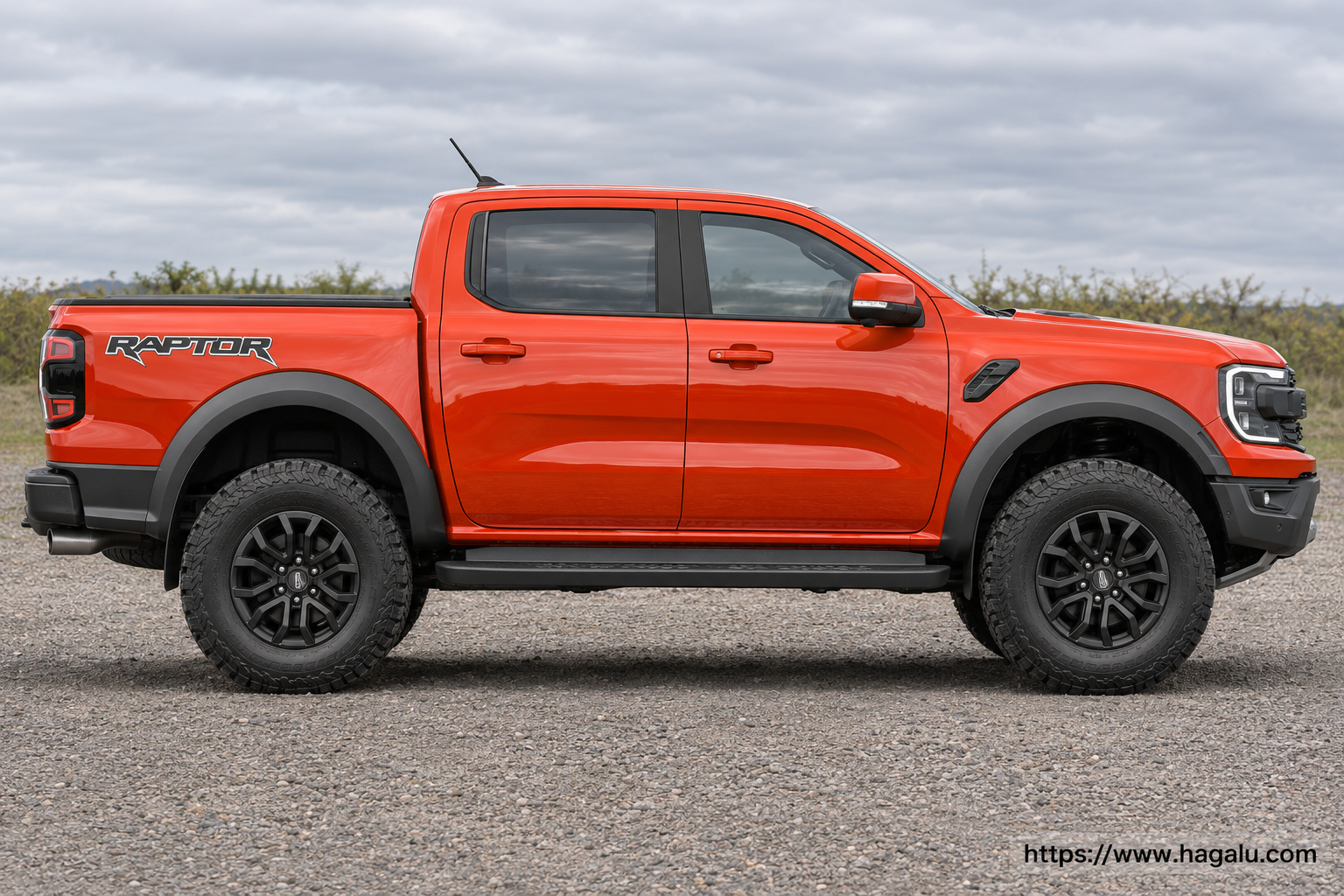
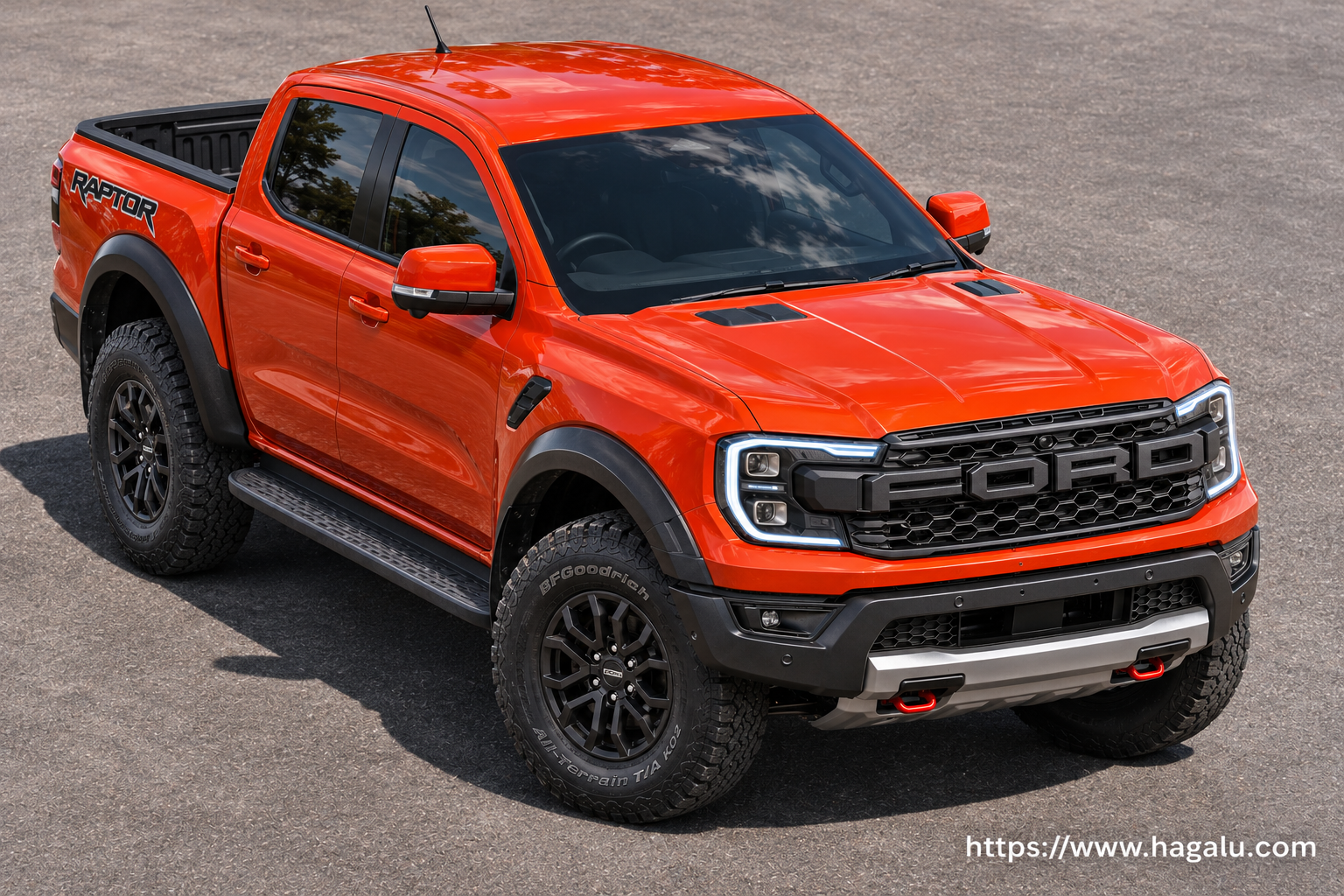
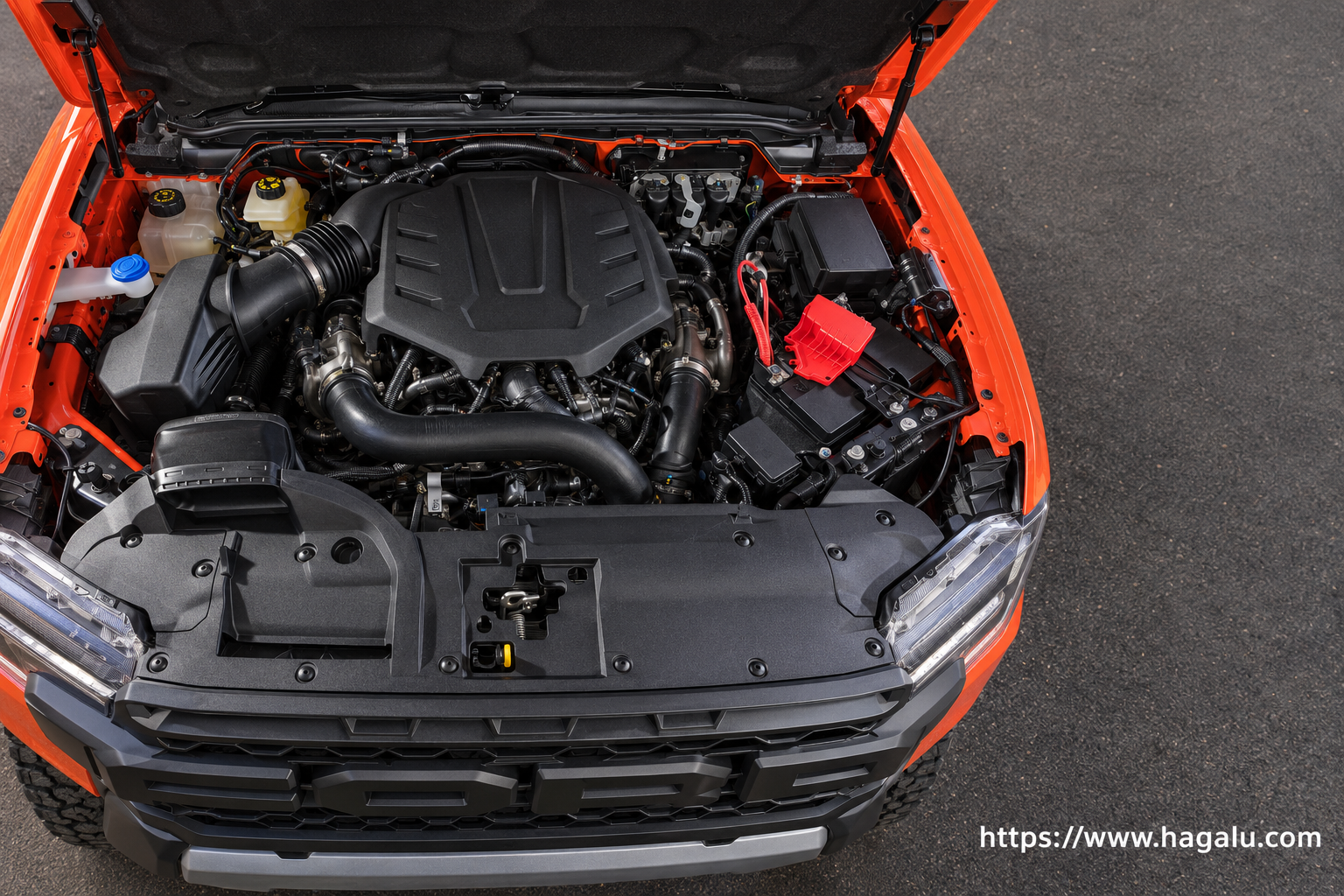
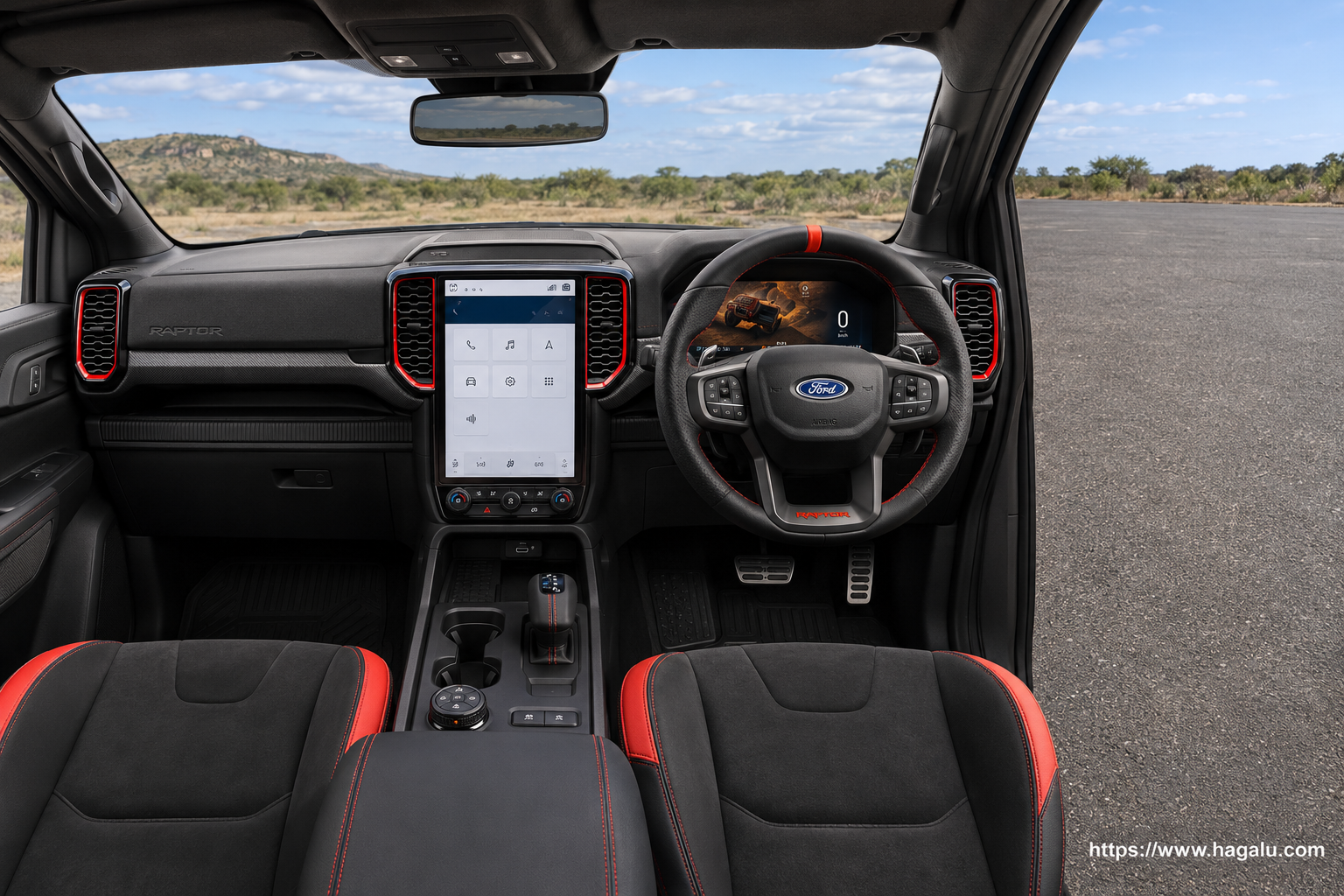
Model imagery
Land Cruiser 300 and Next-Gen Ranger Raptor image comparison
Open an image for its full canonical file or visit the model page for the complete vehicle record.
Ford Next-Gen Ranger Raptor
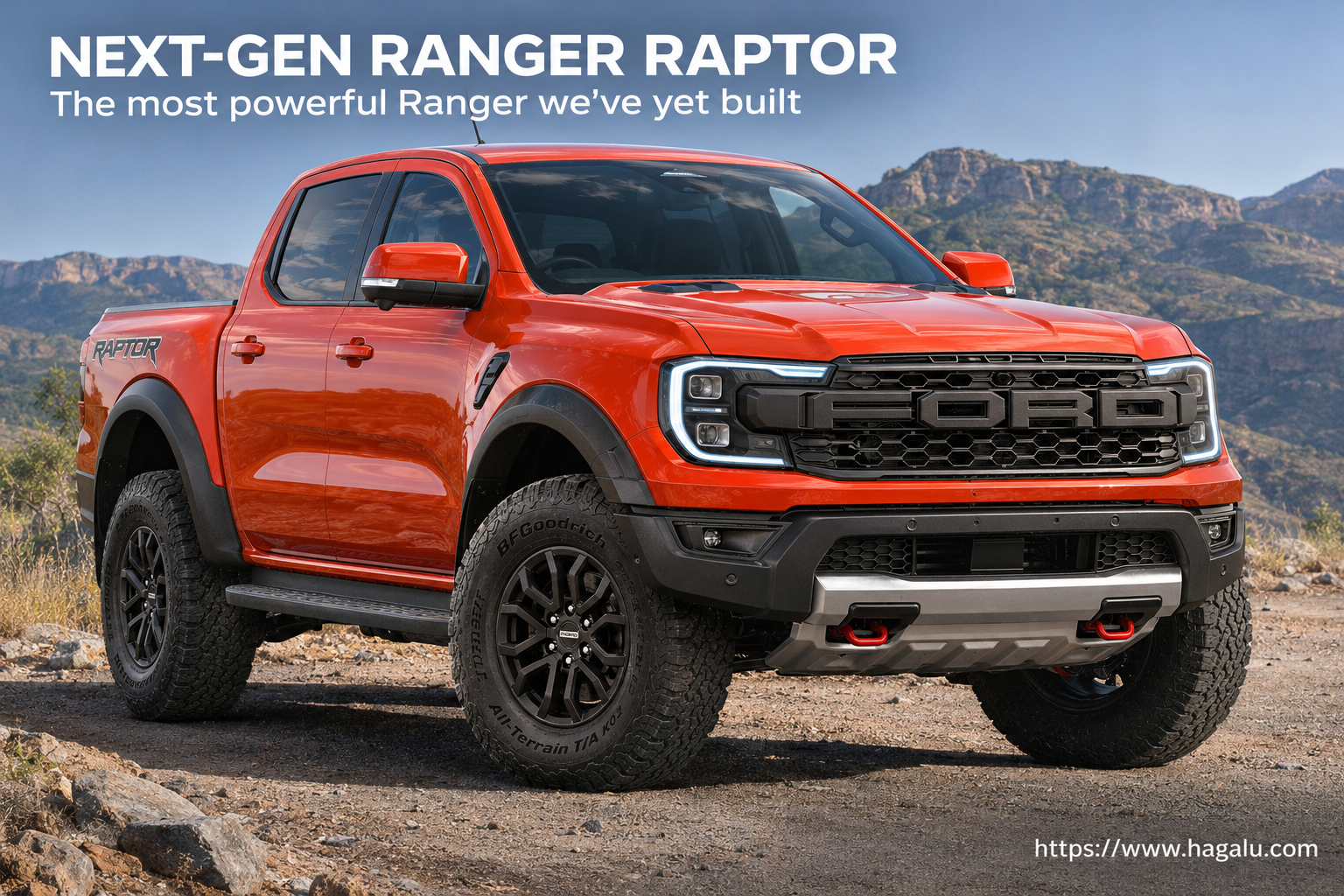
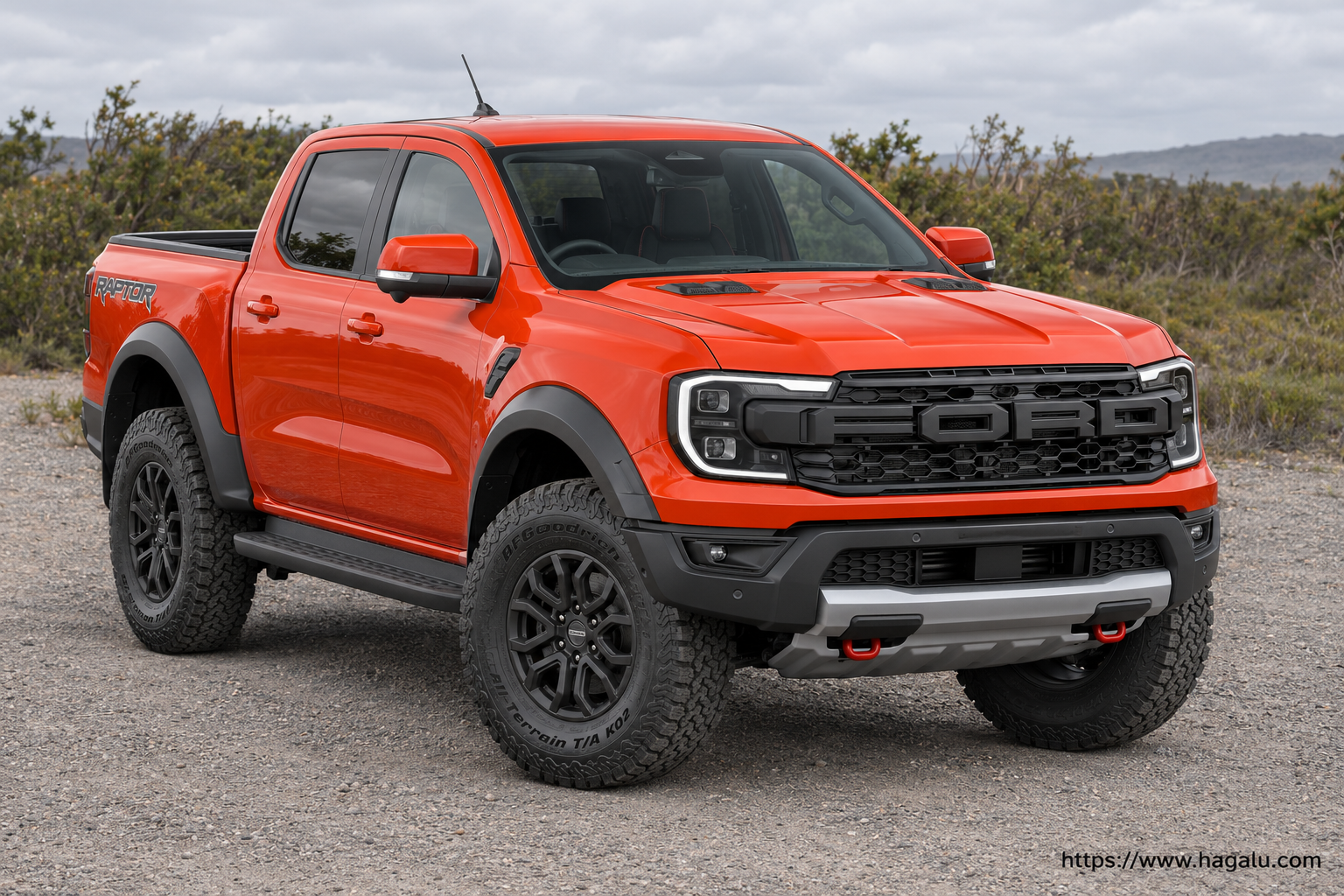
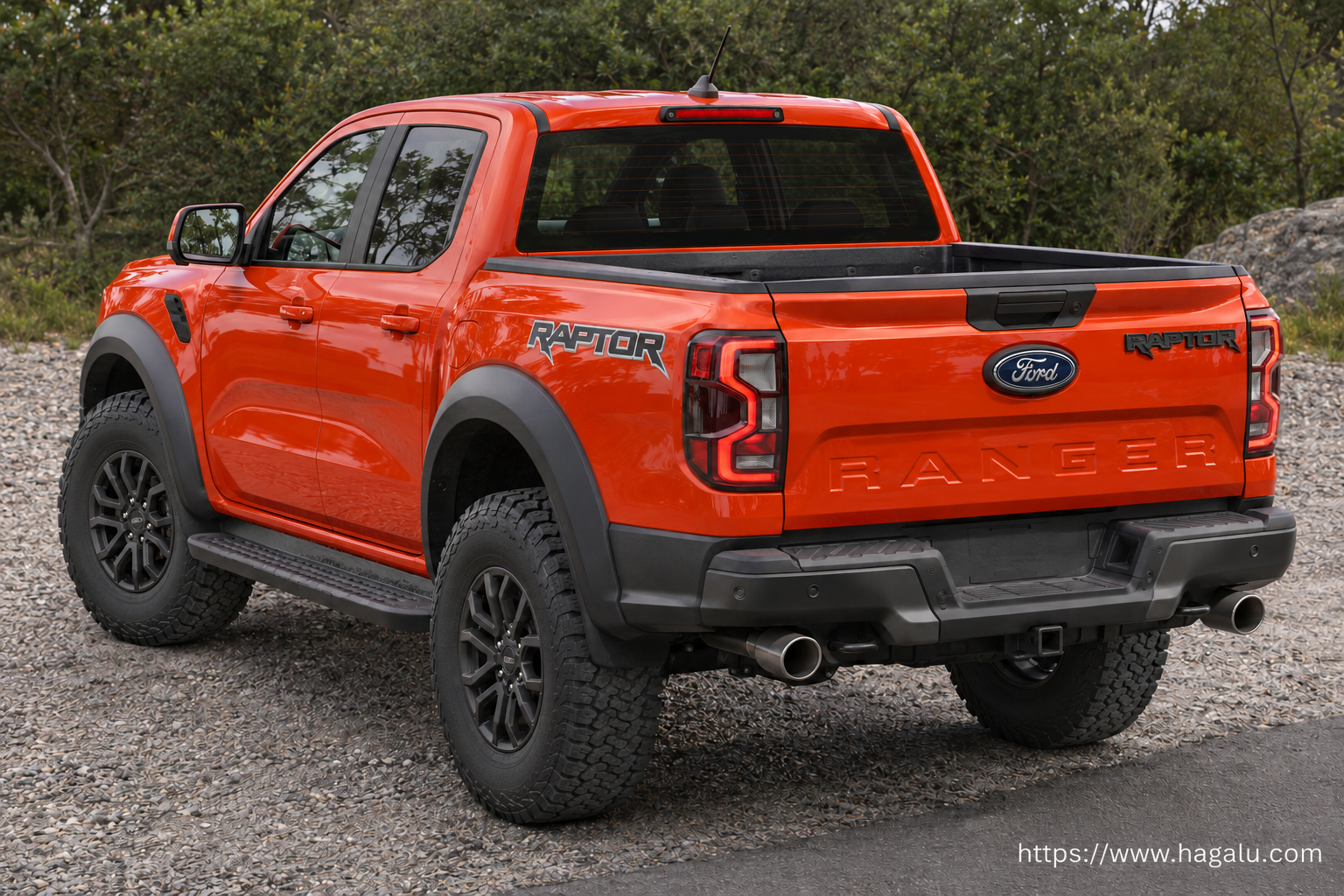
View 8 more Next-Gen Ranger Raptor images
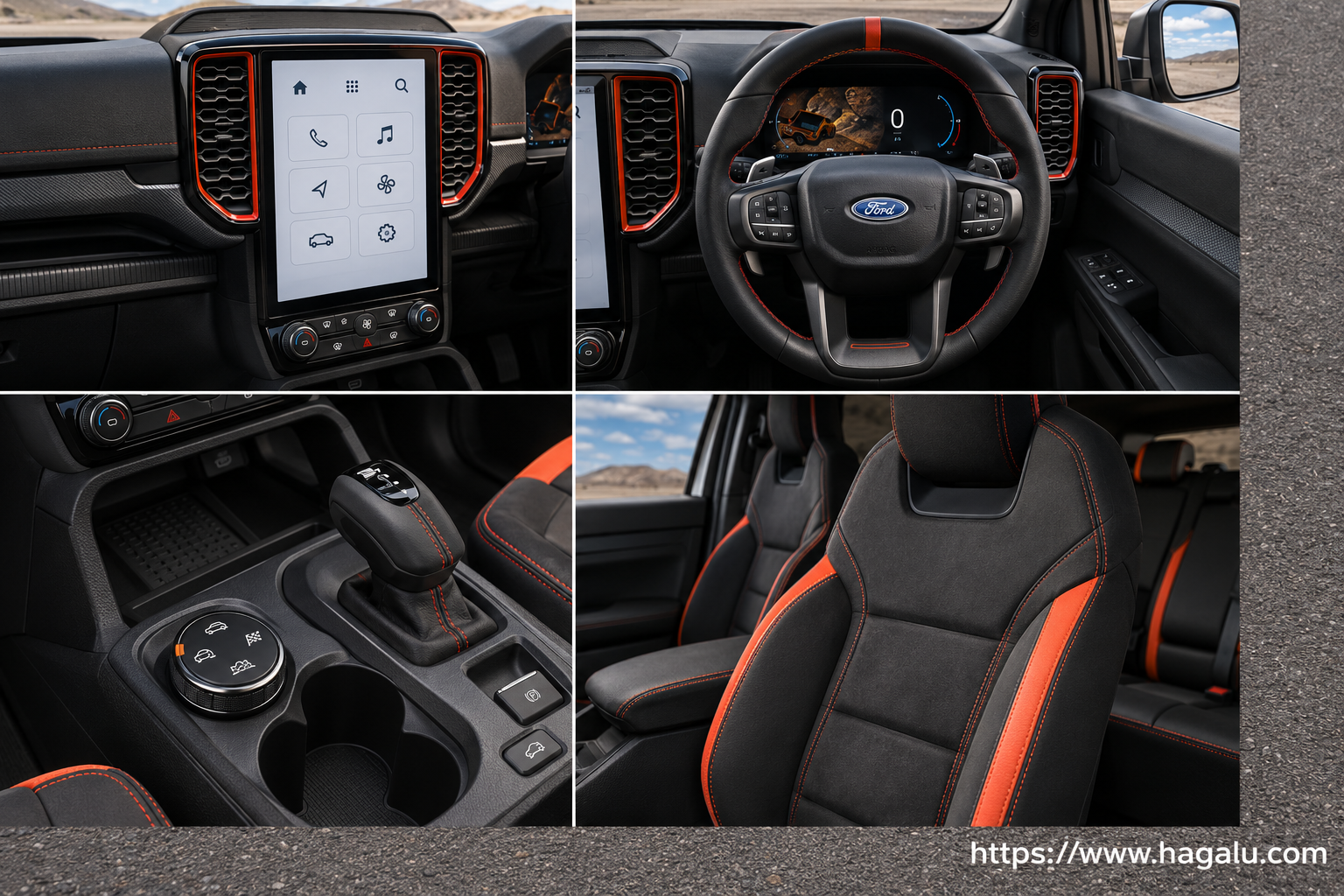
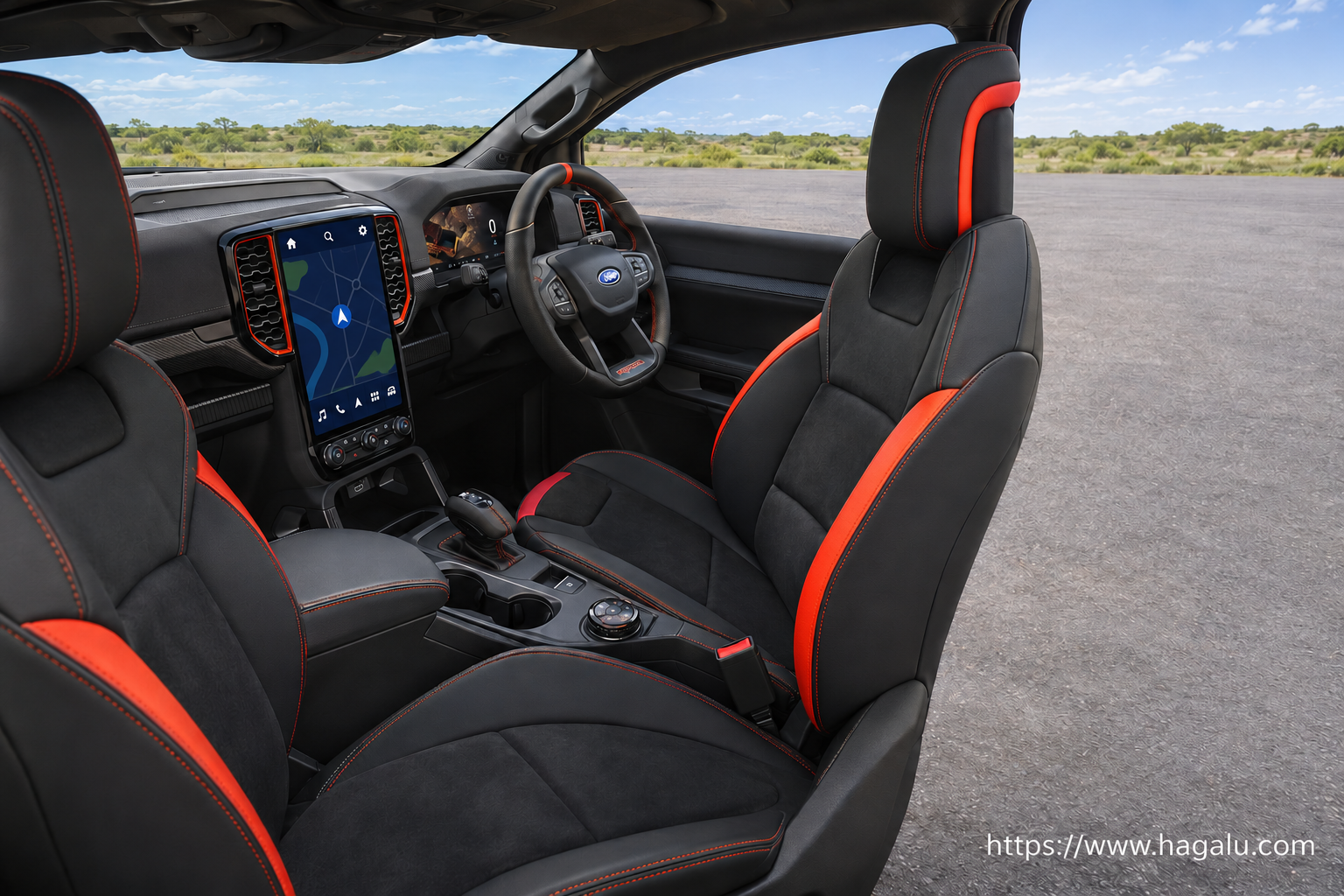
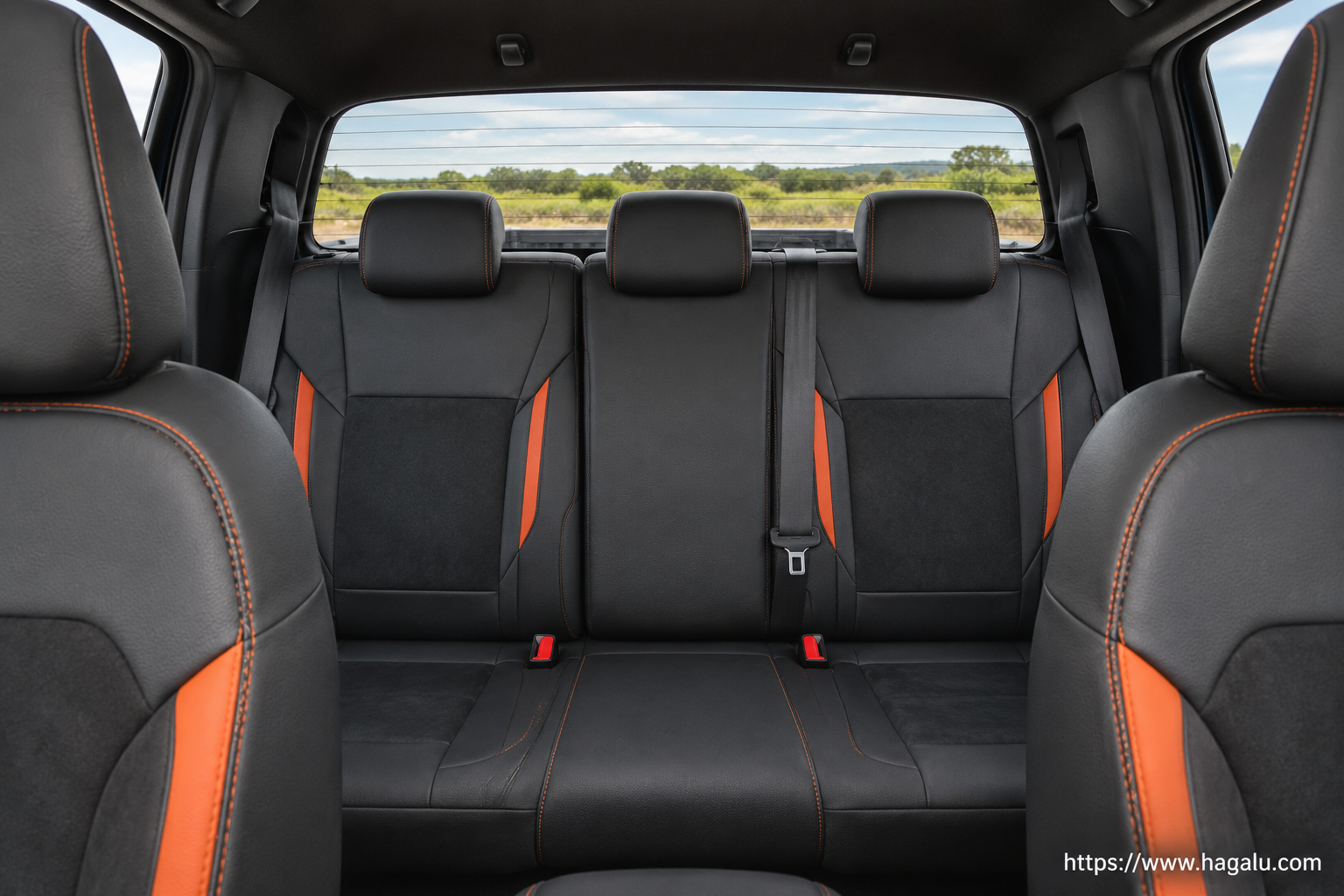
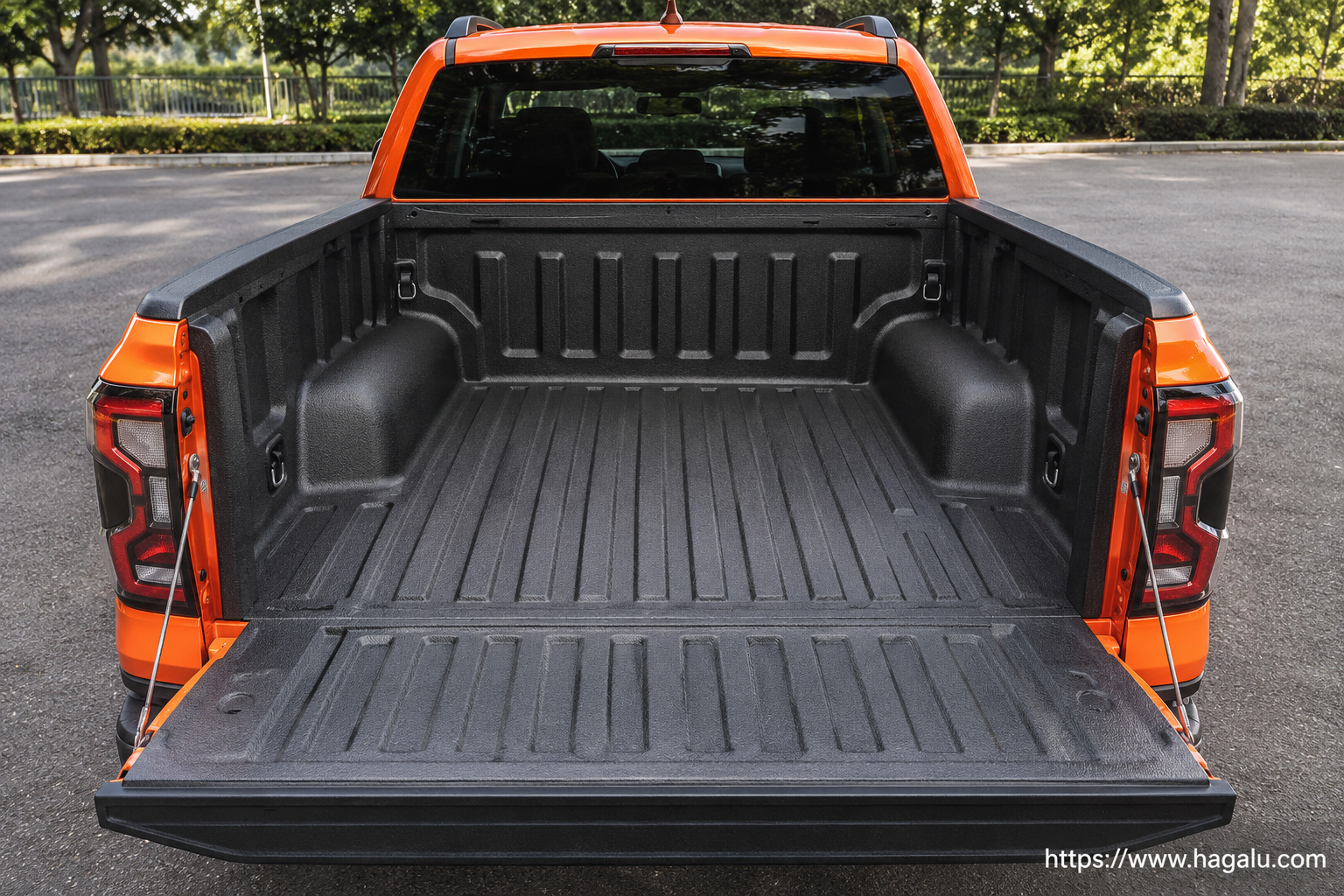
Specification Evidence Index
A transparent comparison of published catalogue fields. This is not a road-test score, owner rating or editorial review rating, and it appears only when every vehicle clears the same comparable-data threshold.
Evidence-index readout
Next-Gen Ranger Raptor leads by 2 points
Land Cruiser 300 and Next-Gen Ranger Raptor are close on the comparable published fields, so buyer priorities should decide.
Evidence leader
82
/100
Lead
2
points
Data
83%
source coverage
82
#1
Evidence leader
Next-Gen Ranger Raptor
83% source coverage
3 strong categories
Best at
Safety 99
Check
Efficiency 36
Performance
98
Efficiency
36
Safety
99
Practicality
83
Leads by 2 points
80
#2
Land Cruiser 300
100% source coverage
3 strong categories
Best at
Safety 100
Check
Efficiency 43
Performance
96
Efficiency
43
Safety
100
Practicality
90
Ownership
50
Performance 24%
Safety 22%
Practicality 22%
Efficiency 17%
Ownership 15%
Category leaders
What moves the verdict
Performance
Next-Gen Ranger Raptor +2
Efficiency
Land Cruiser 300 +7
Safety
Land Cruiser 300 +1
Practicality
Land Cruiser 300 +7
Close catalogue match. Buyer priorities should decide the outcome.
Why this score View full breakdown
Evidence-index leader
Next-Gen Ranger Raptor
Performance
98/100
Efficiency
36/100
Safety
99/100
Practicality
83/100
Land Cruiser 300
Performance
96/100
Efficiency
43/100
Safety
100/100
Practicality
90/100
Ownership
50/100
What the evidence means
Evidence index
Ford Next-Gen Ranger Raptor
leads the specification evidence index with 82 pts
vs 80 pts for Land Cruiser 300
In Hagalu's specification evidence index, Next-Gen Ranger Raptor leads. However, Land Cruiser 300 may suit buyers prioritising different confirmed fields. Ultimately, the right choice depends on your driving priorities in Mozambique.
Land Cruiser 300 vs Next-Gen Ranger Raptor questions
There is no universal winner. Use the comparison table to match the models and available derivatives in Mozambique on price, safety equipment, space, powertrain and ownership cover. The category indicators summarise published catalogue data; they are not a road test or customer rating.
Compare the published consumption or mileage rows for the exact derivatives using the same unit and test basis. A catalogue figure is useful for like-for-like comparison, but traffic, speed, load, weather and driving style can change actual fuel use.
Compare only equipment explicitly listed for each derivative, including airbags, stability control and driver-assistance systems. Confirm the exact trim with the manufacturer, and treat any independent crash-test result separately because equipment and ratings can differ by market.
A reliable five-year total cannot be calculated from catalogue data alone. Add the exact purchase and finance cost, fuel or electricity, insurance quotes, scheduled servicing, tyres and expected resale value. Check whether the selected derivative includes a service or maintenance plan.
Use the seating, boot or load-space, ISOFIX and safety rows as a first check. Then test the exact cars with your child seats, passengers and typical luggage, because published dimensions do not show every access or comfort difference.
Compare the published power, torque and 0–100 km/h rows when they are available for both exact derivatives. Vehicle weight, gearing and power delivery also matter, so catalogue outputs alone do not establish real-world overtaking or response.