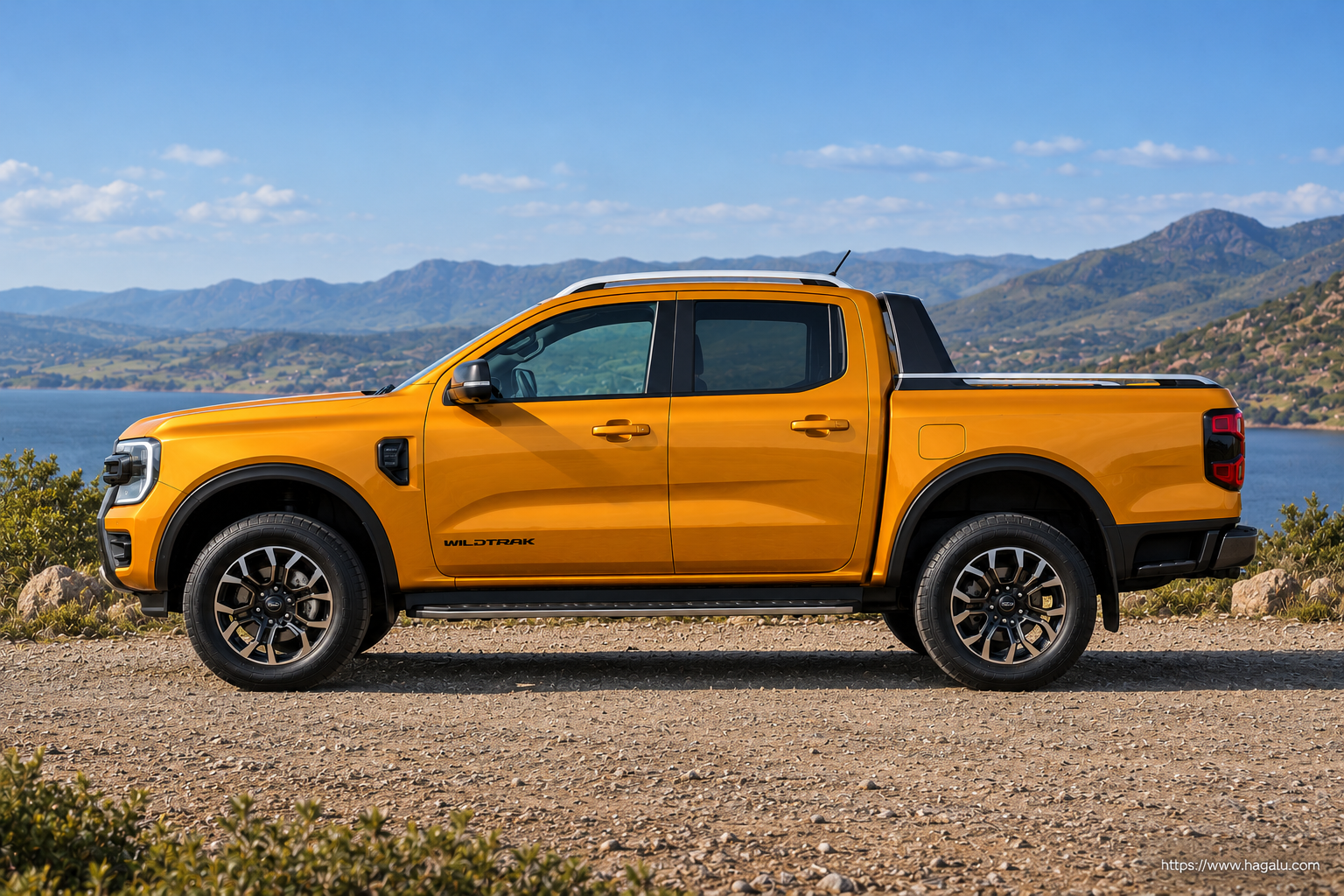
Sport 2.0 Bi-Turbo 10AT 4WDDiesel10-Speed AutomaticCurrent
UGX 290,000,000ex-showroom
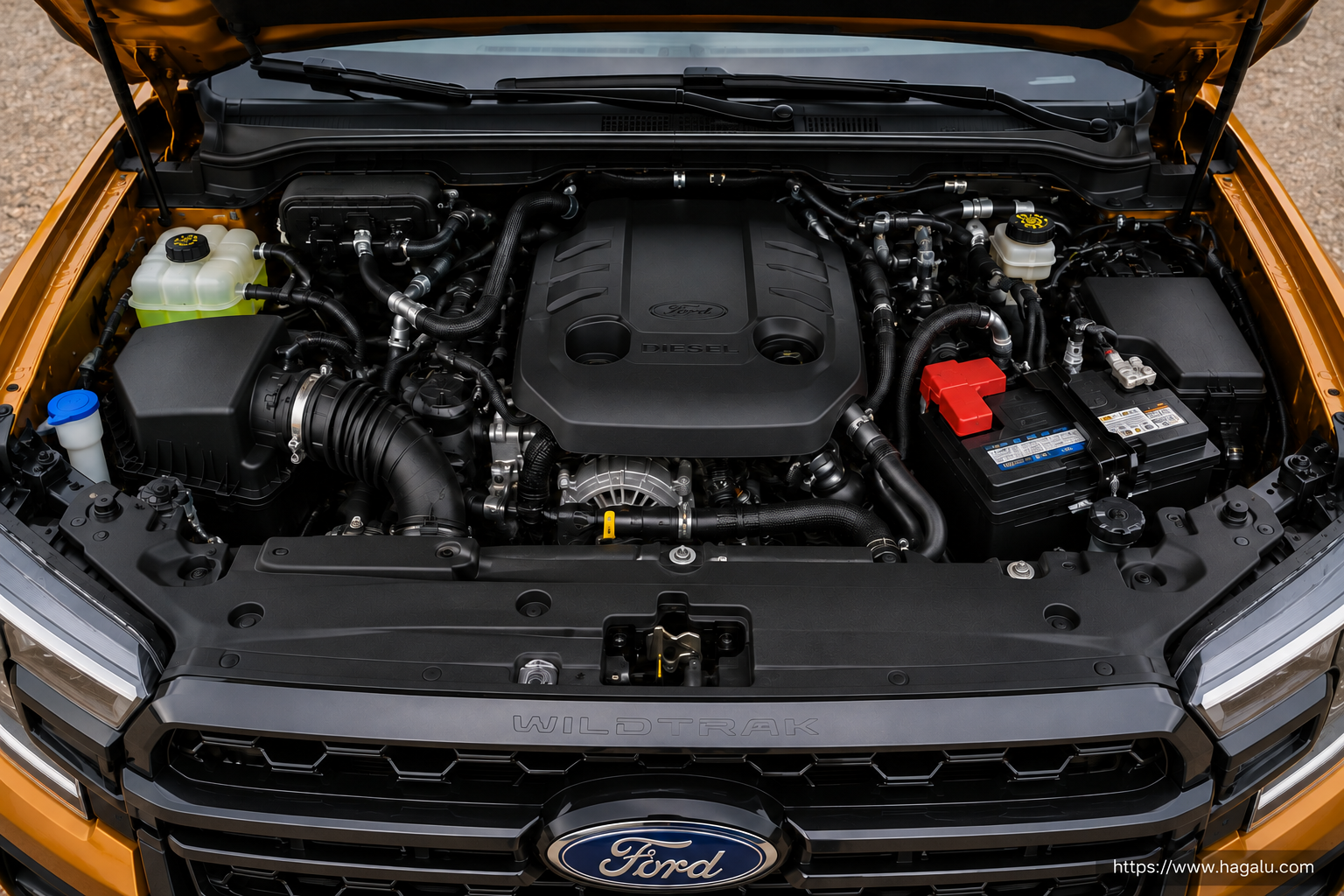
⚡ 154 kW🔧 500 Nm
+Add a 3rd car
Decision summary
Hyundai Kona EV vs Ford Ranger: the short answer
Compare the available model information below. Hagalu has withheld a ranked verdict because the selected vehicles do not yet meet the minimum like-for-like source-coverage threshold.
Kona EV starts UGX 95,000,000 cheaperKona EV from UGX 195,000,000 · Ranger from UGX 290,000,000
Five key differences
Exact selected derivatives
Swipe sideways to compare every column
Specification
Kona EV
Ranger
Maximum Power
Kona EVNot Officially Disclosed
Ranger154 kW @ 3750 rpm
Maximum Torque
Kona EVNot Officially Disclosed
Ranger500 Nm @ 1750-2000 rpm
Engine Size
Kona EVNot Applicable
Ranger1996 cc
Combined Fuel Economy
Kona EVNot Applicable
RangerNot Officially Disclosed
Ground Clearance
Kona EVNot Officially Disclosed
RangerNot Officially Disclosed
Strongest published figure in that row; no road-test winner is implied.
Evidence forHyundai Kona EV
KONA EV 64.0 kWh Battery
New-vehicle supply through Hyundai Uganda; obtain a current local quotation and applicable warranty terms
New-vehicle supply through Ford Uganda / Motorcare; confirm the exact local derivative, warranty and itemised UGX quotation
Pricing Role
Ex-showroom price in UGX
Ex-showroom price in UGX
Spec
Kona EV
Ranger
Warranty
5 years / 100,000 km, whichever comes first; local warranty-booklet conditions apply
3 years / 100,000 km; Uganda warranty conditions apply
In depth: how these cars differ
This Kona EV and Ranger comparison brings together local model information and available derivatives for Uganda. Prices and specifications appear only where they have been recorded for this market.
Hagalu has withheld an overall score because at least one selected vehicle does not yet have four comparable categories and 50% weighted source coverage. Missing catalogue evidence is not replaced with a neutral score or a guessed value.
Use the key-spec and full-spec tables to compare the fields that are confirmed. For a purchase decision, verify current availability, exact derivative equipment, finance, insurance and ownership cover with the relevant manufacturer or authorised retailer.
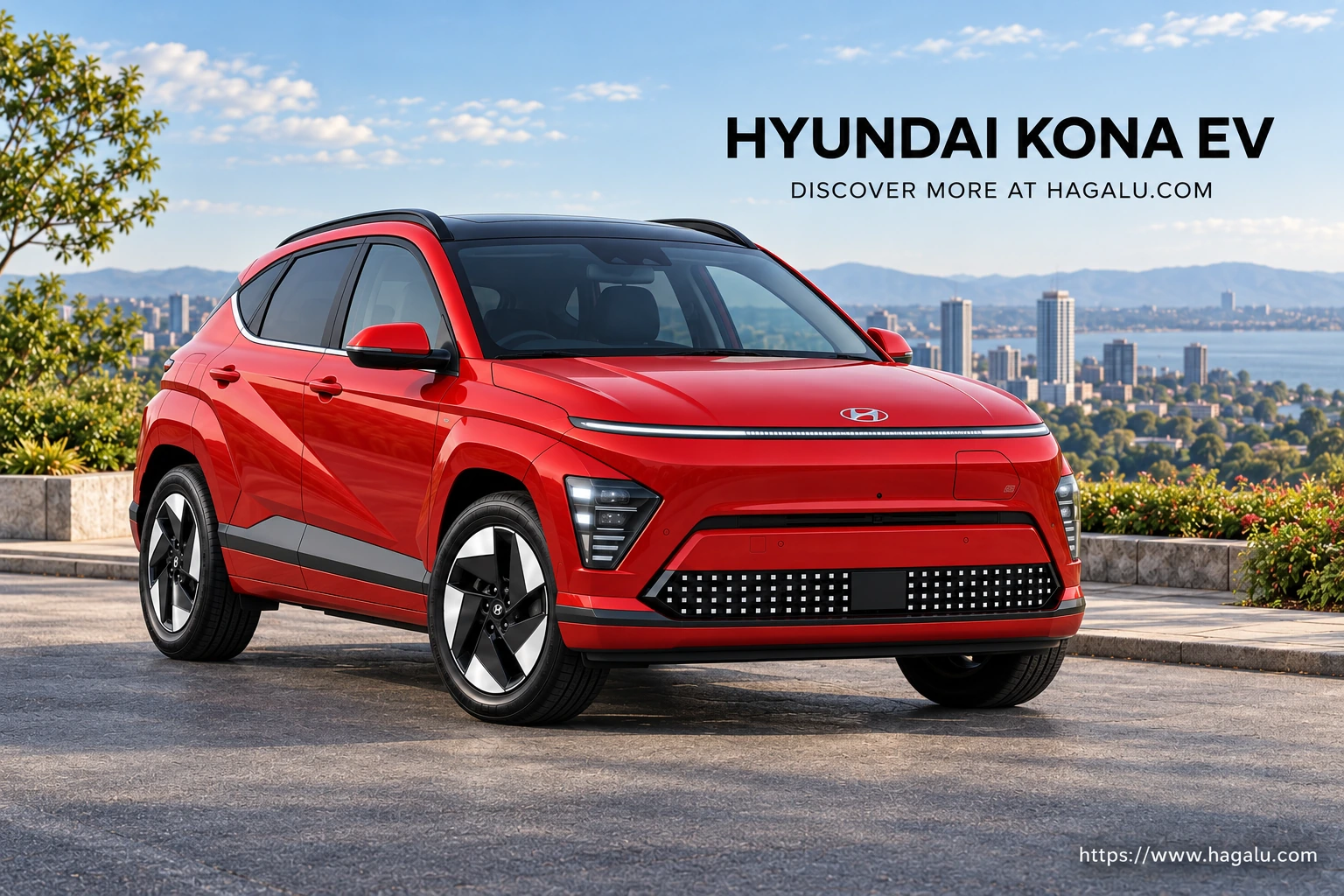
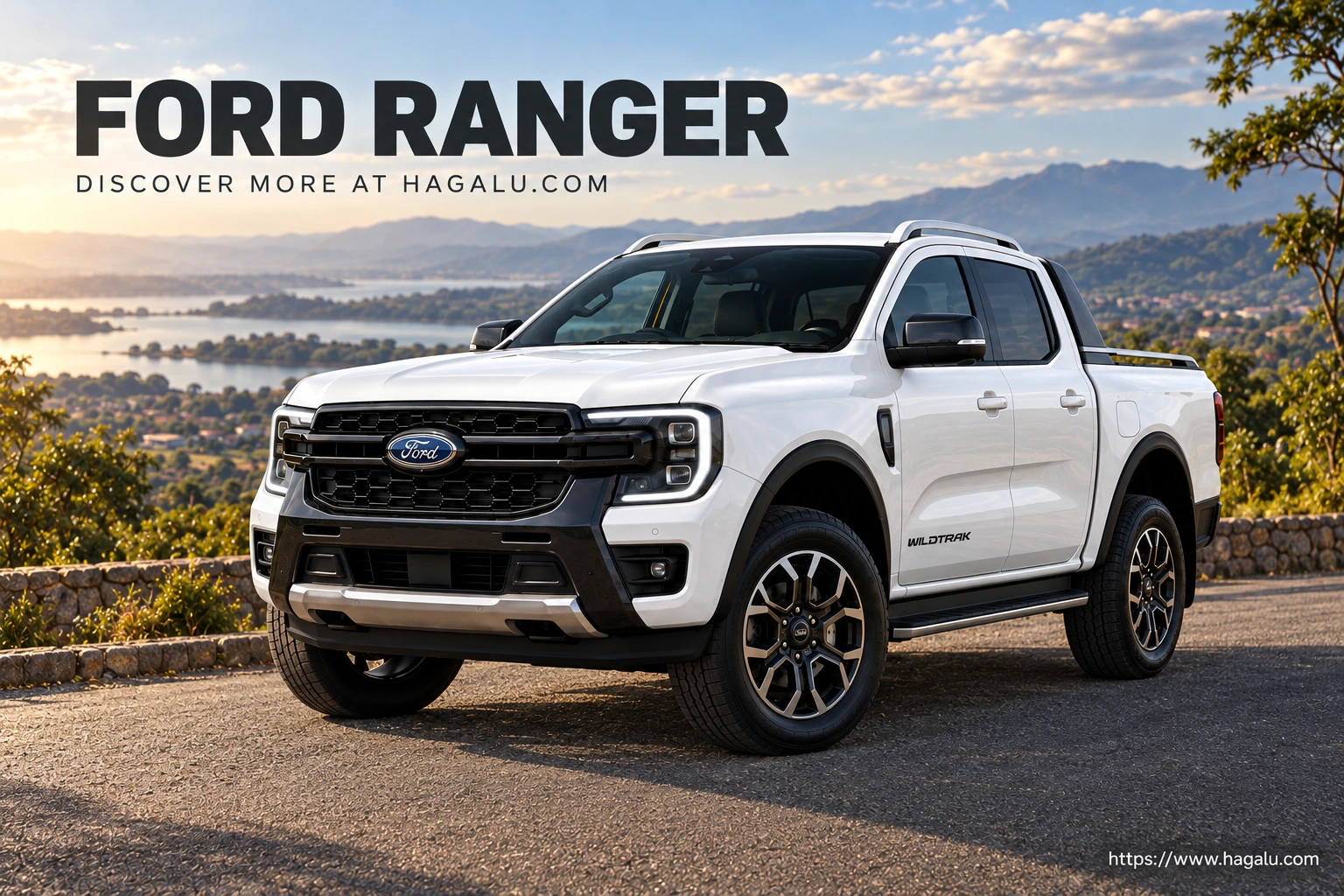
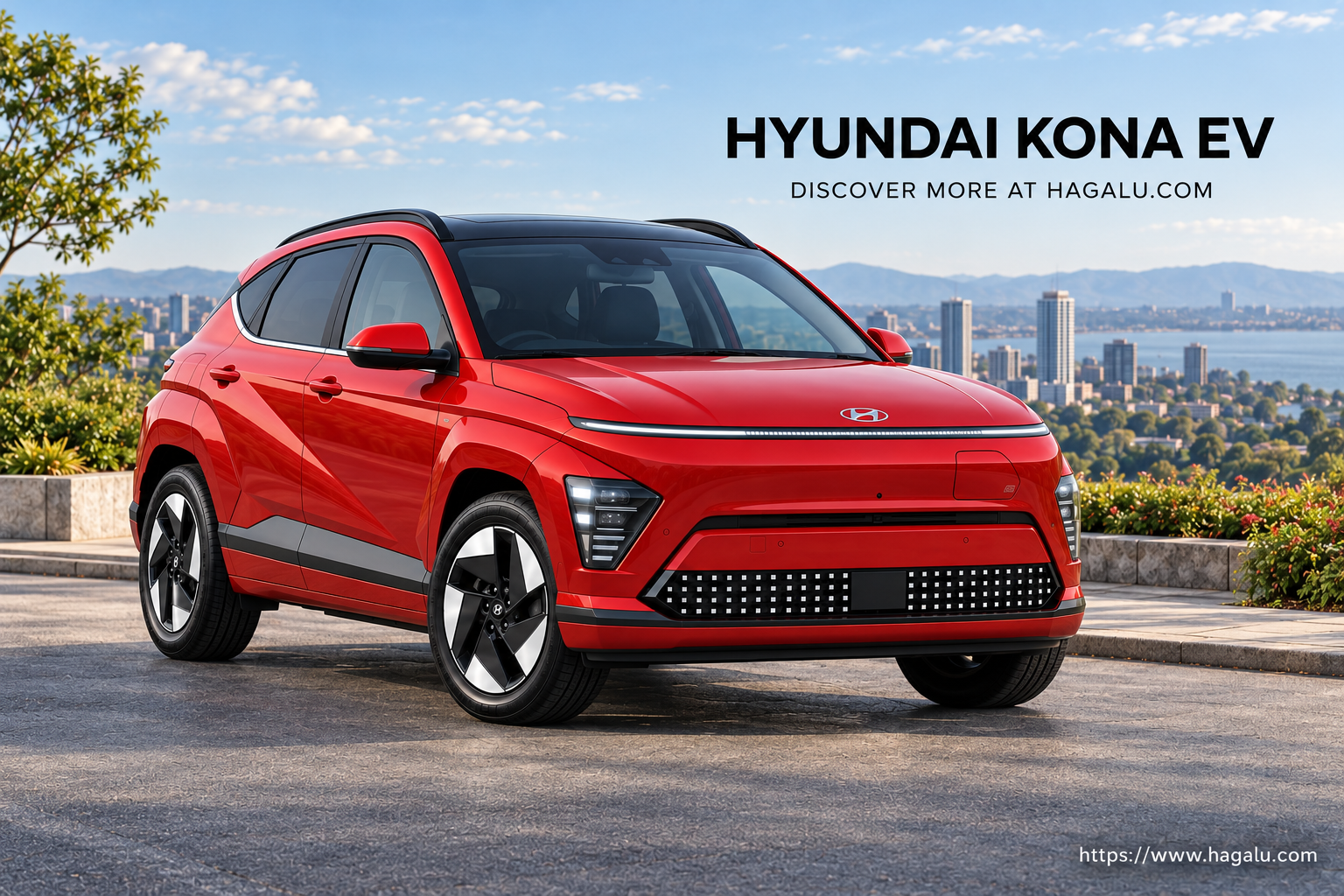
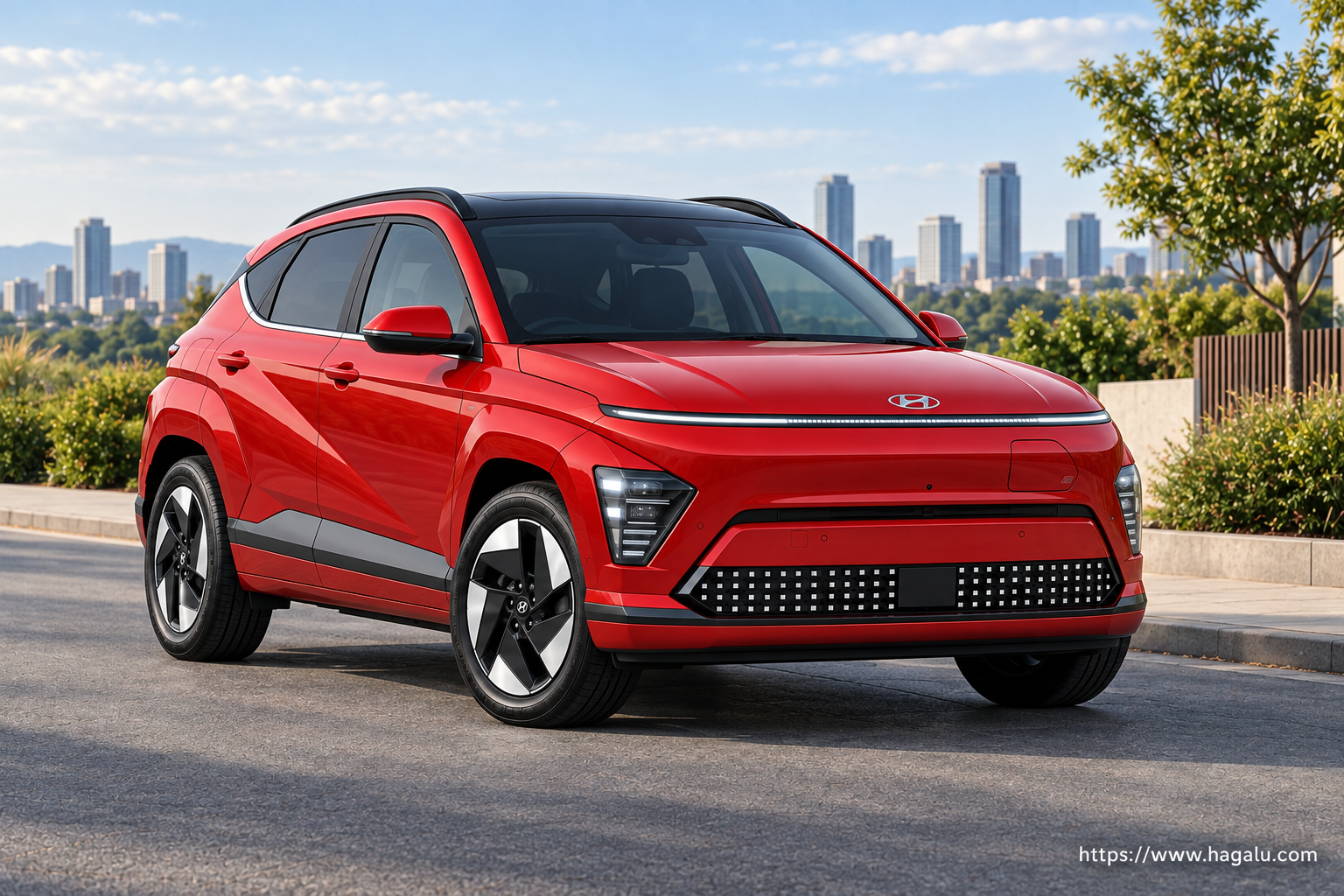
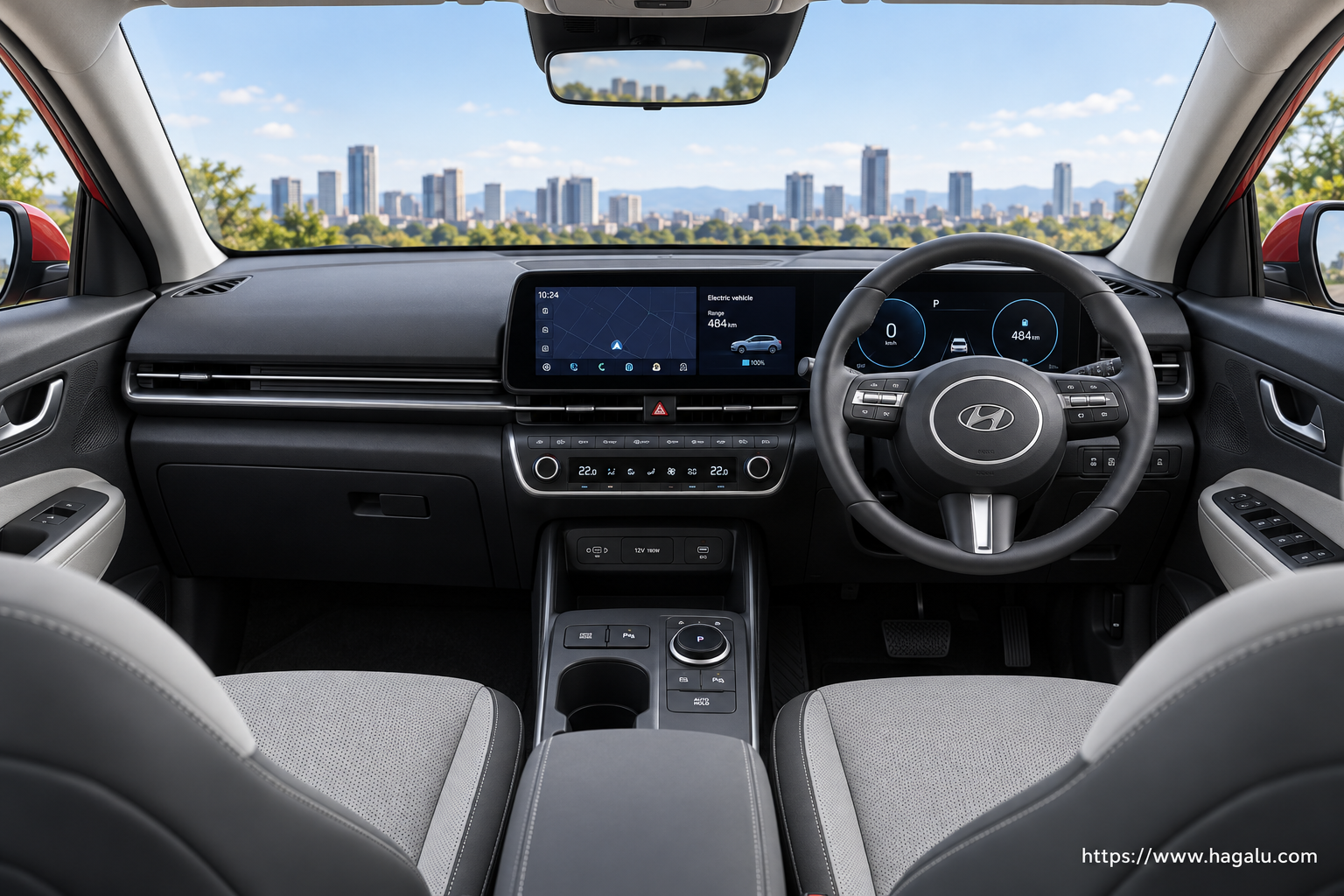
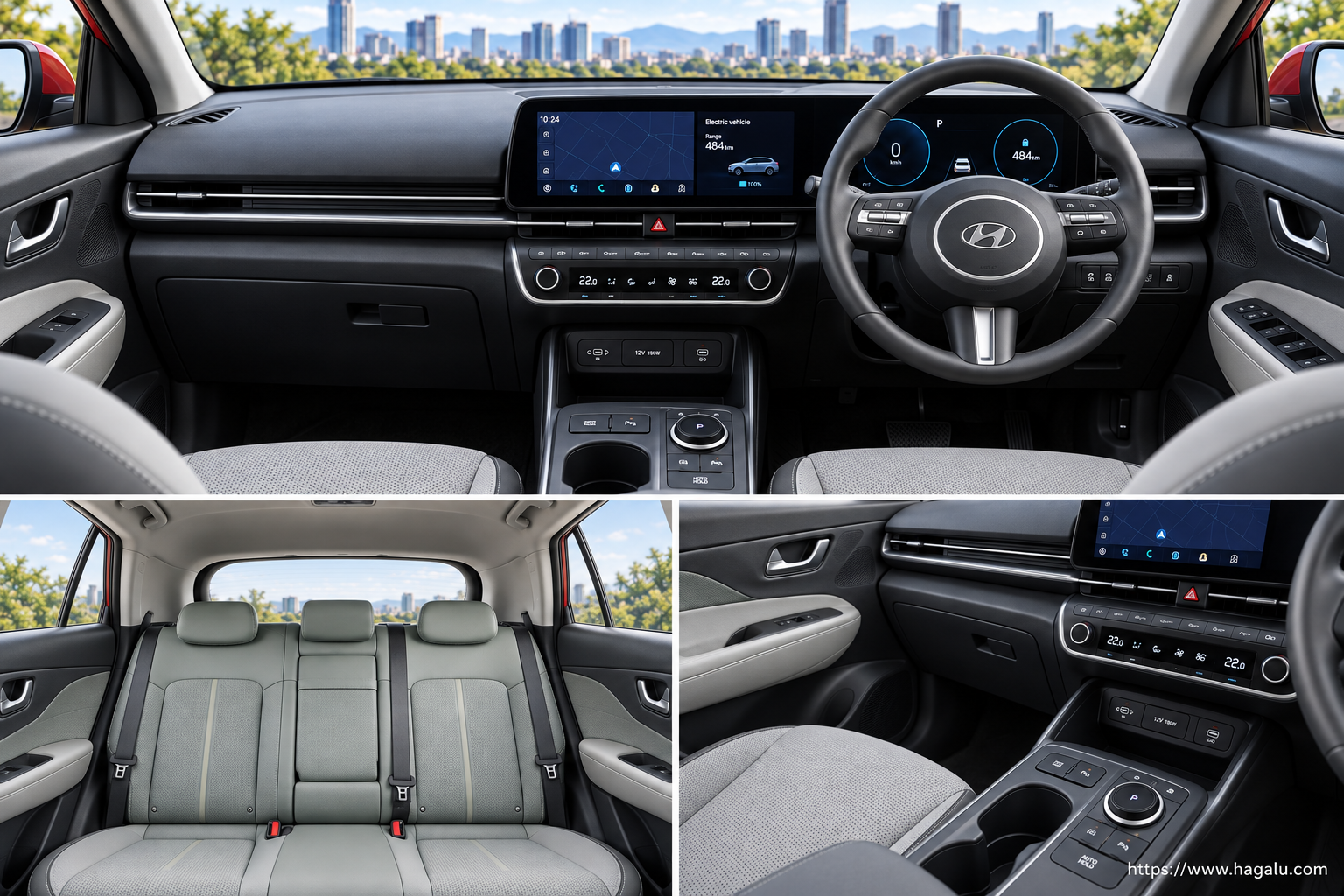
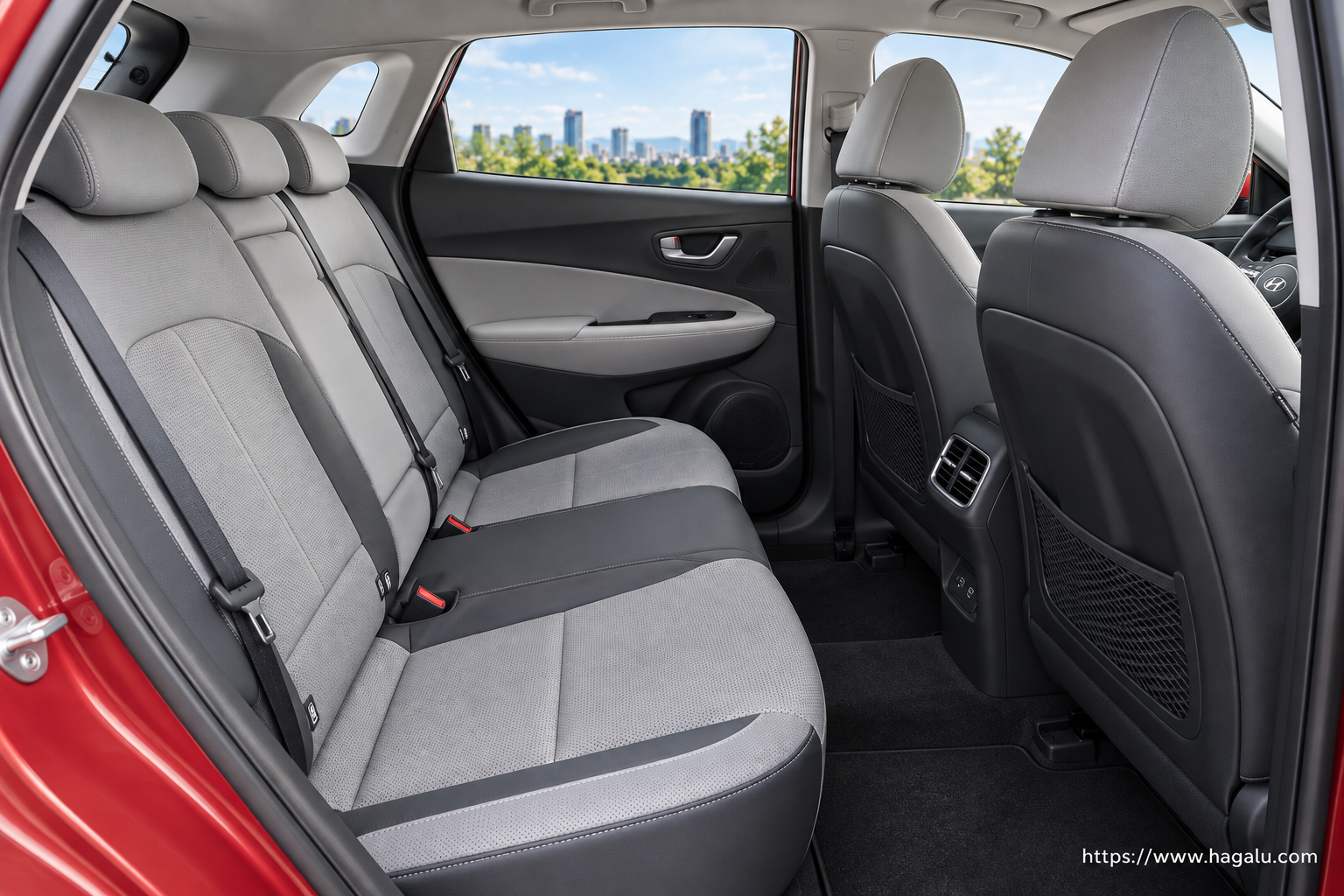
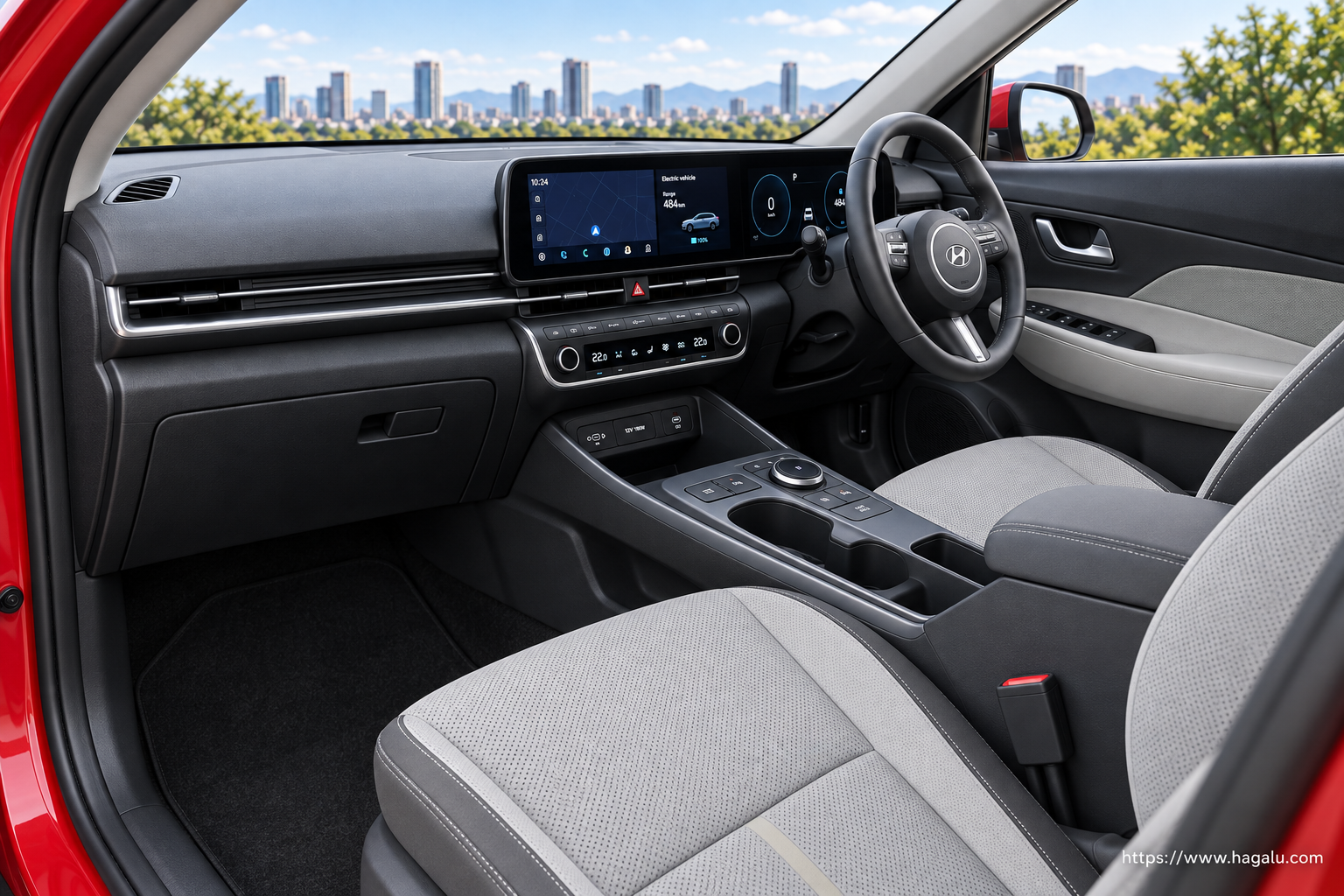
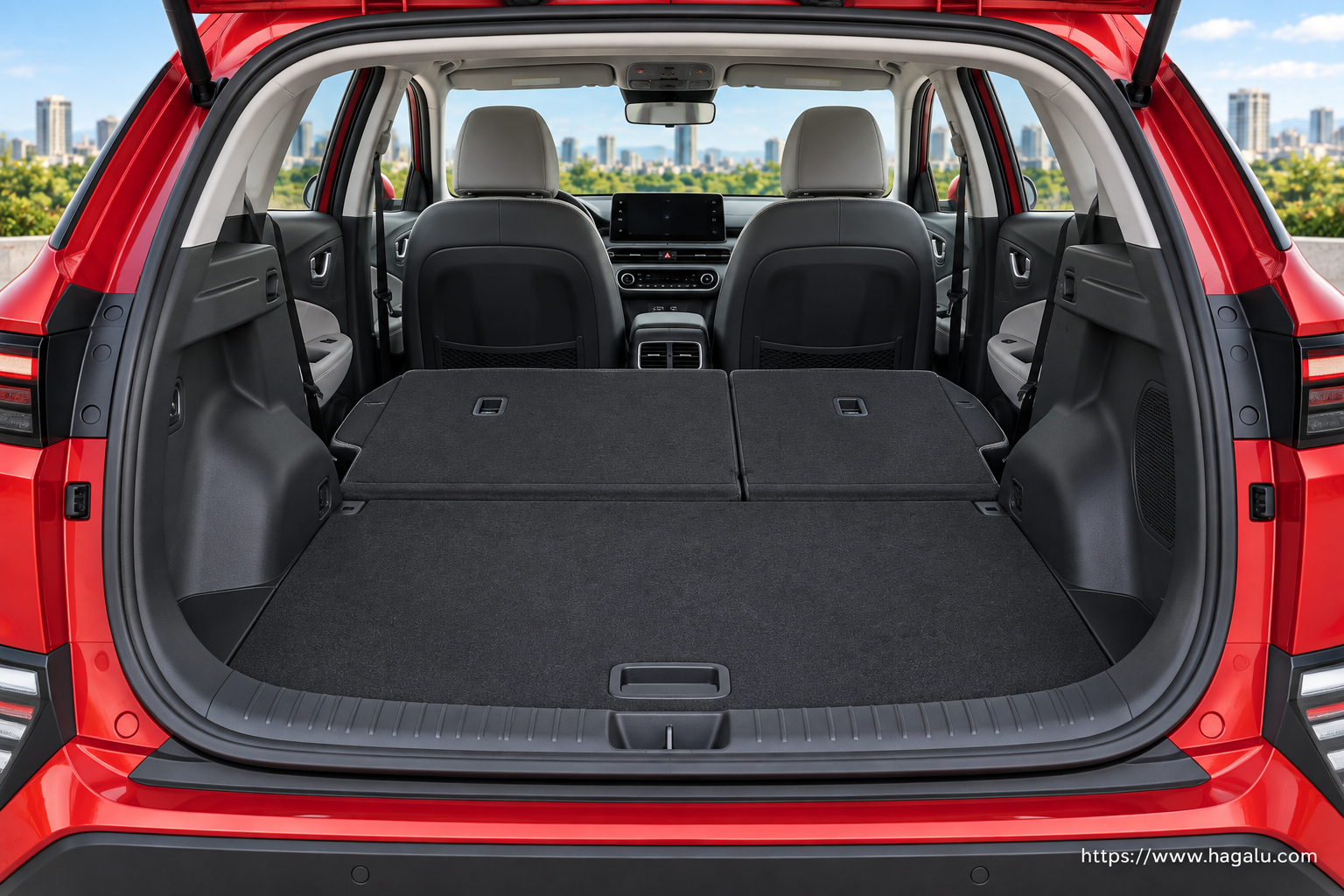
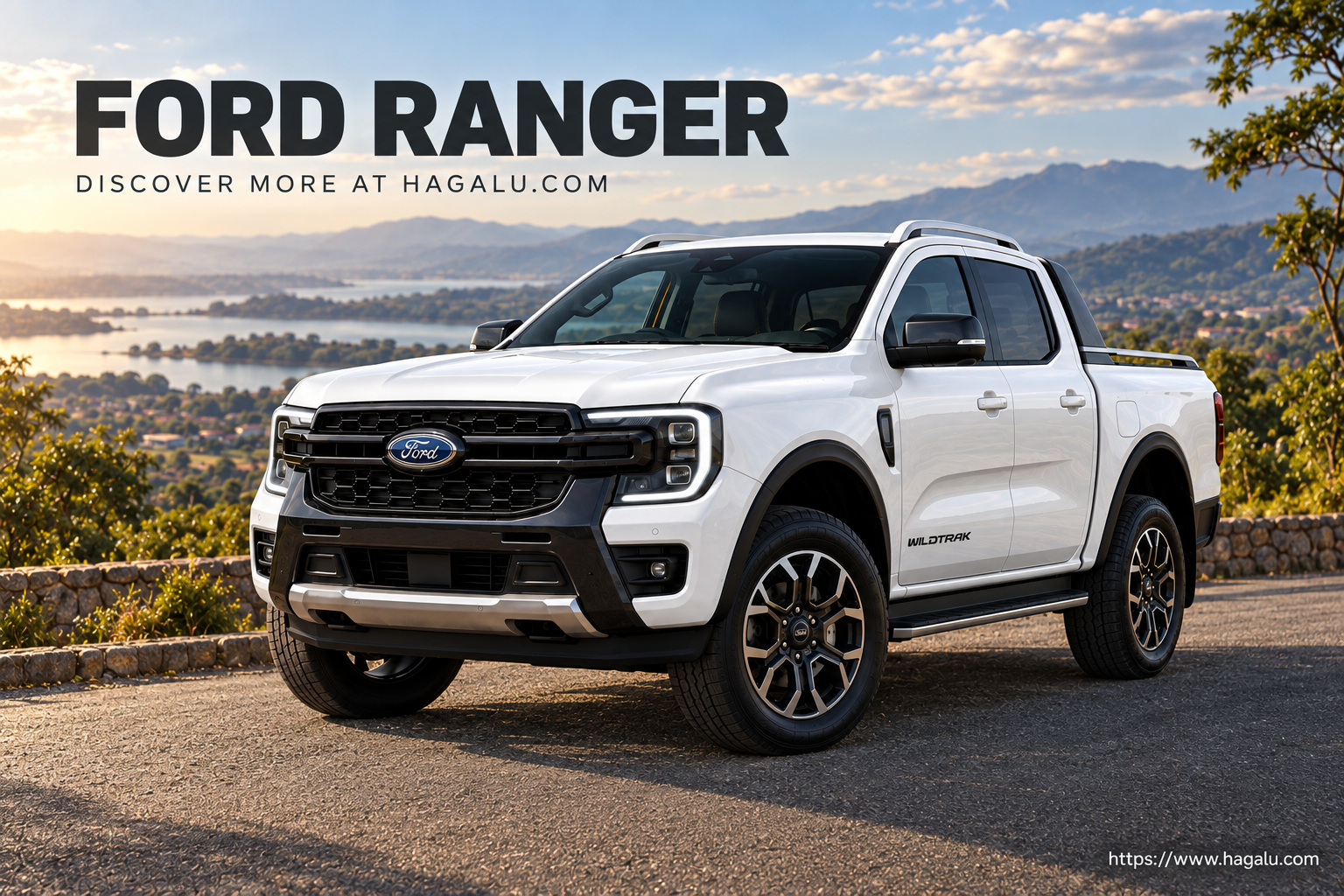
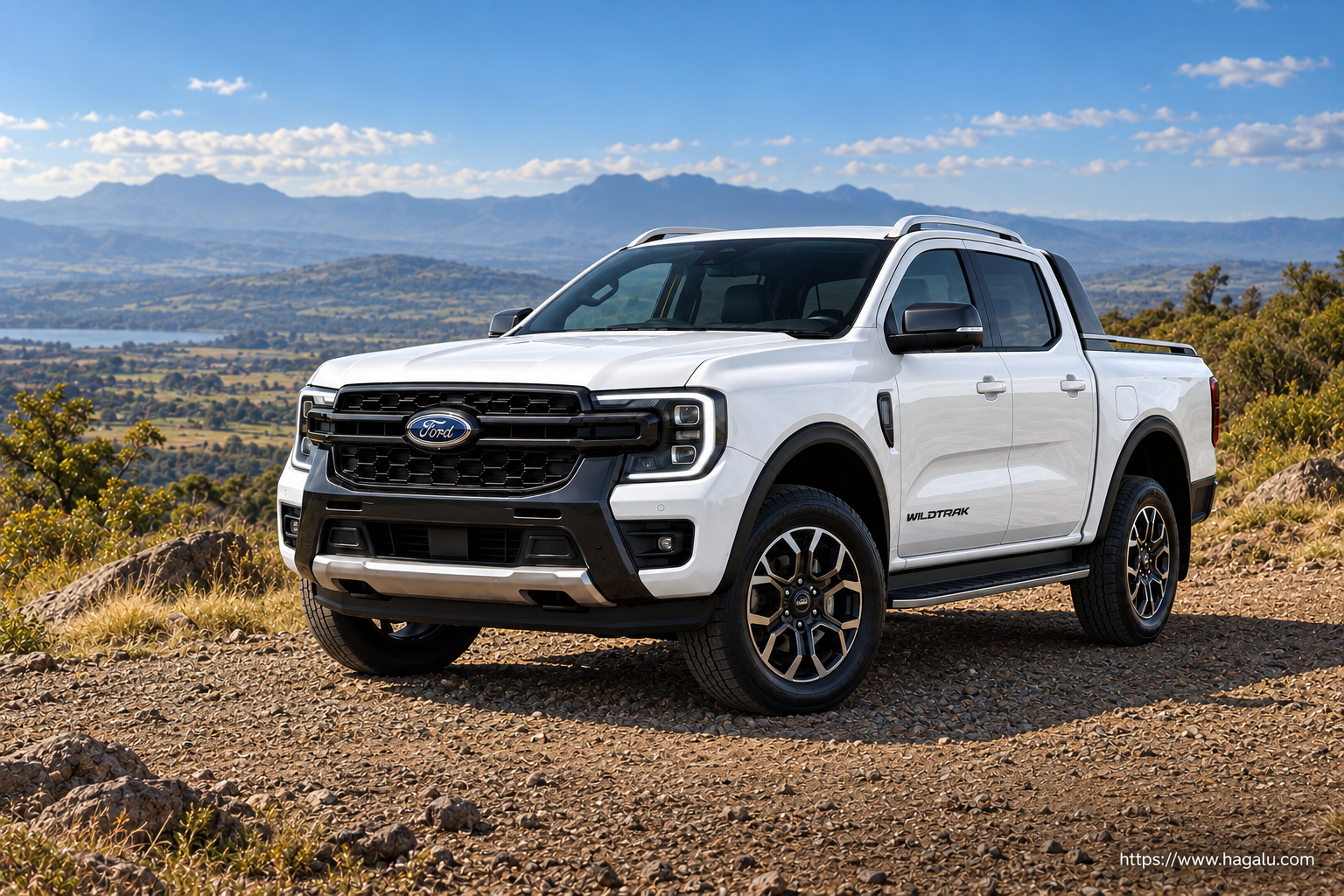
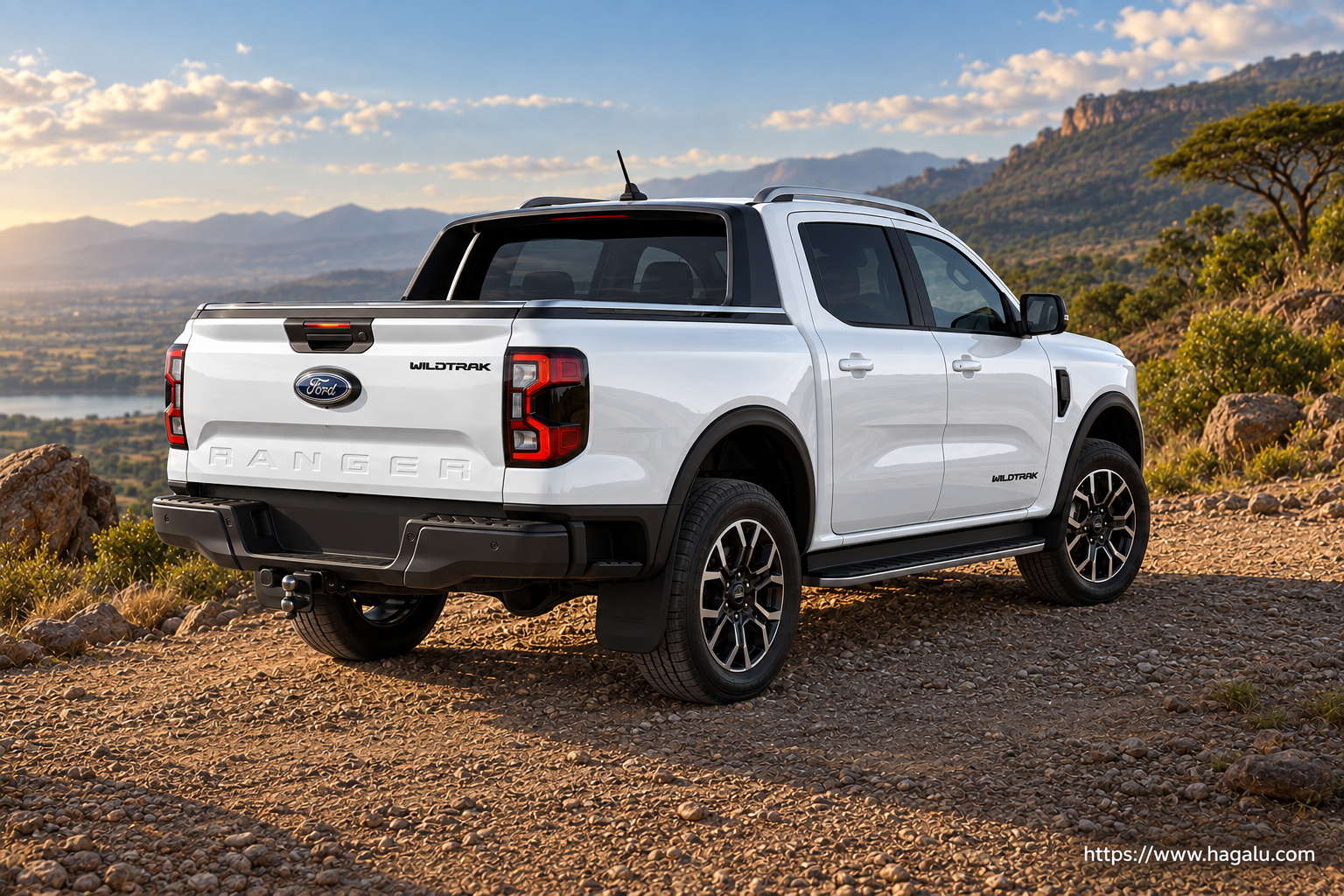
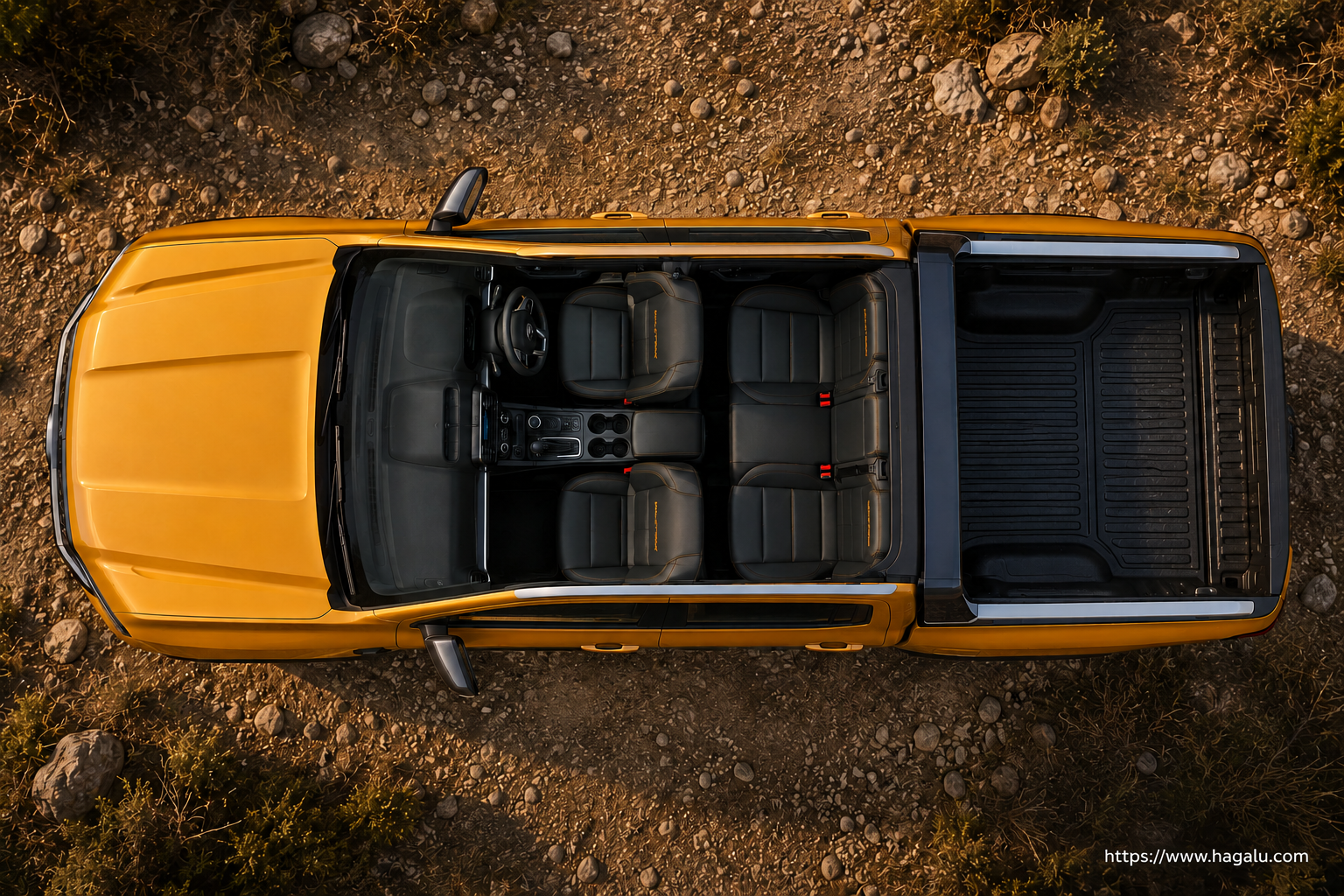
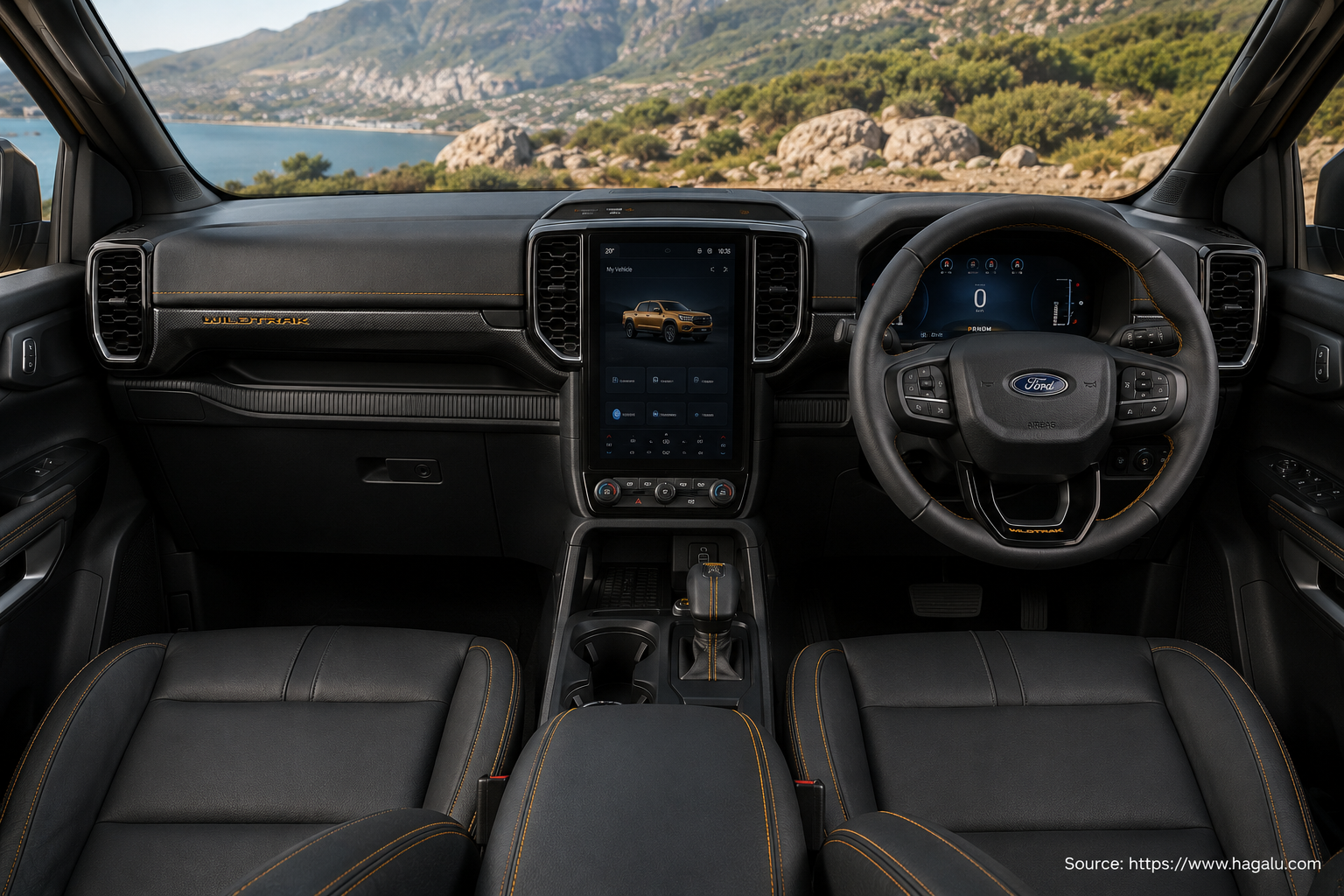
Model imagery
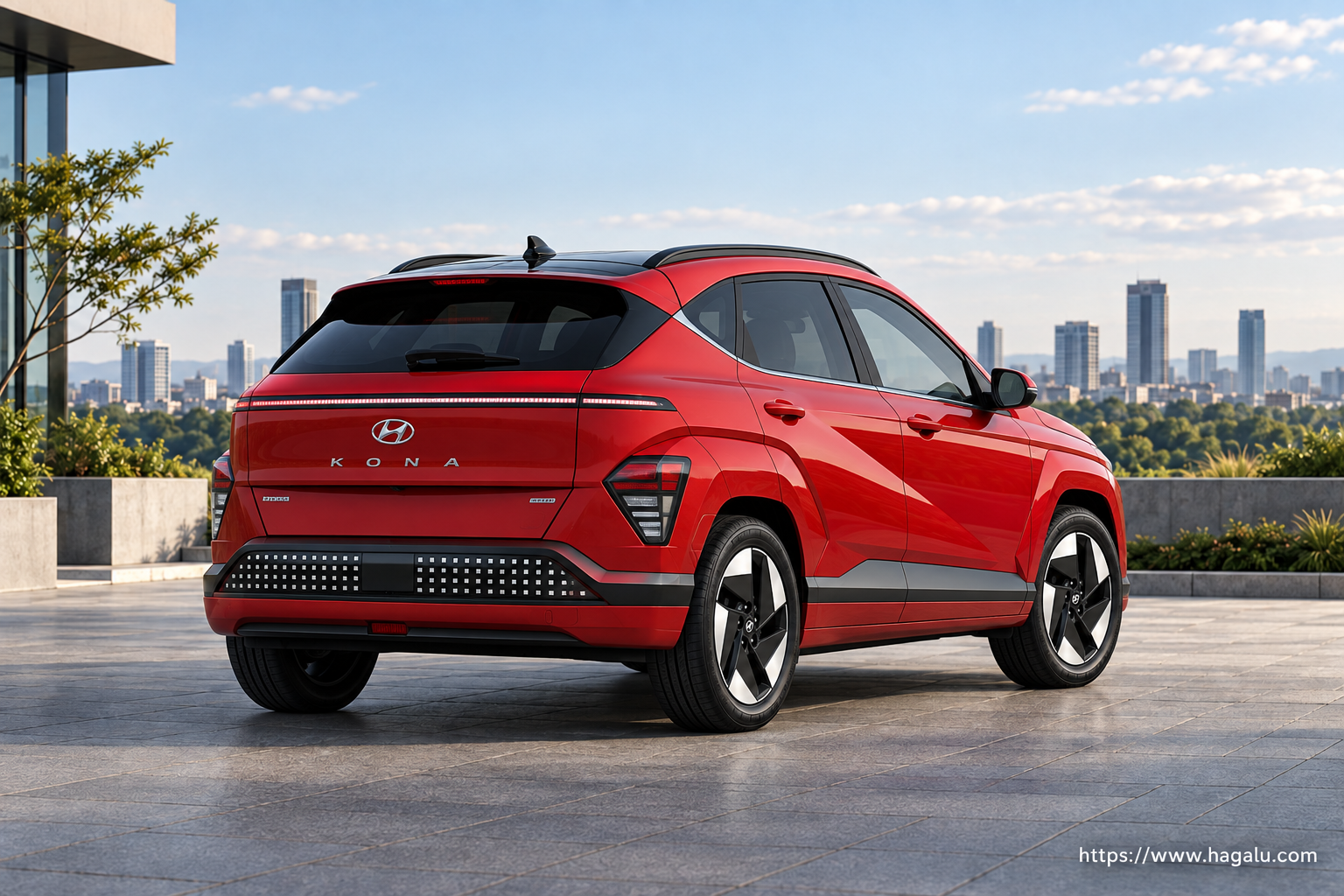
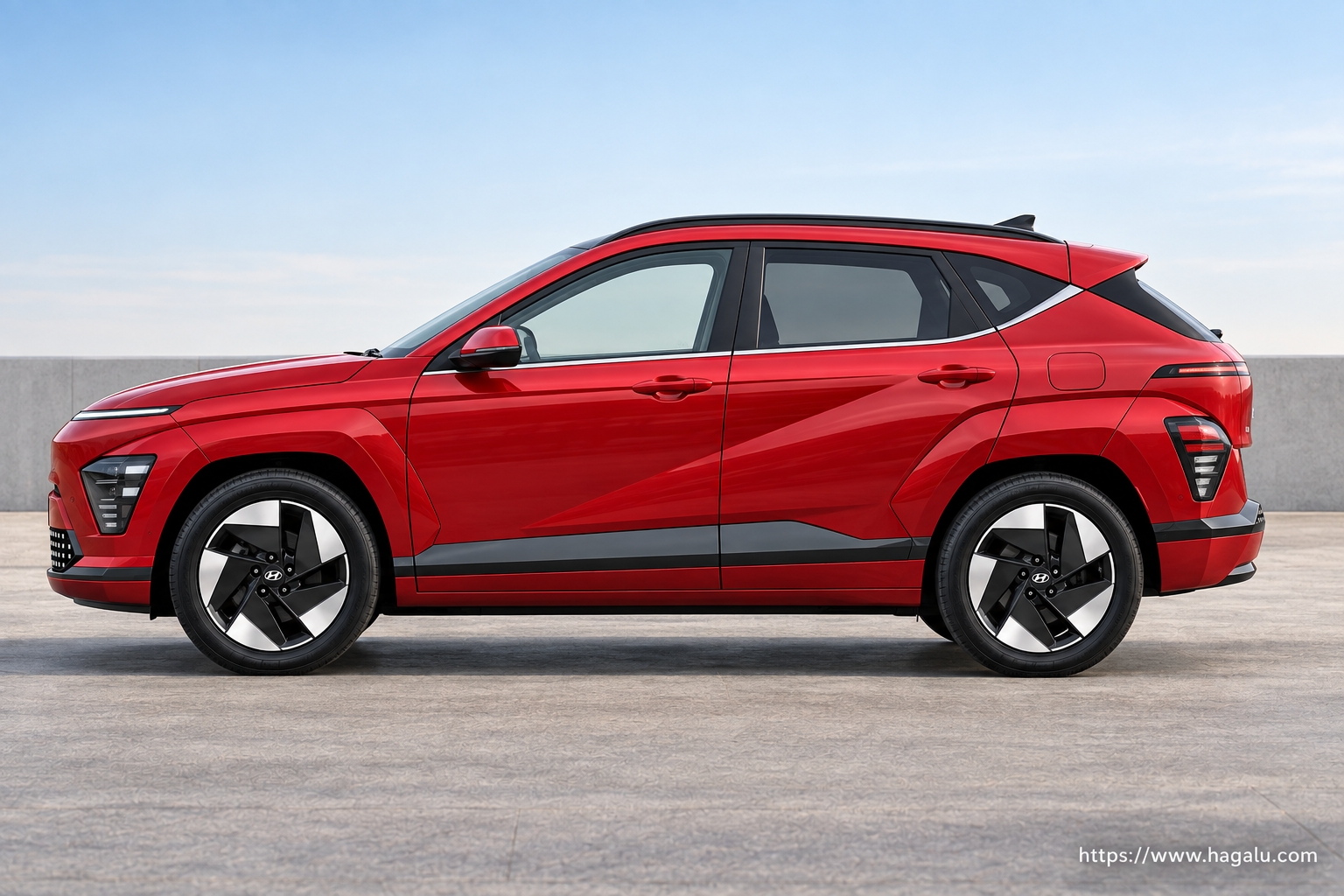
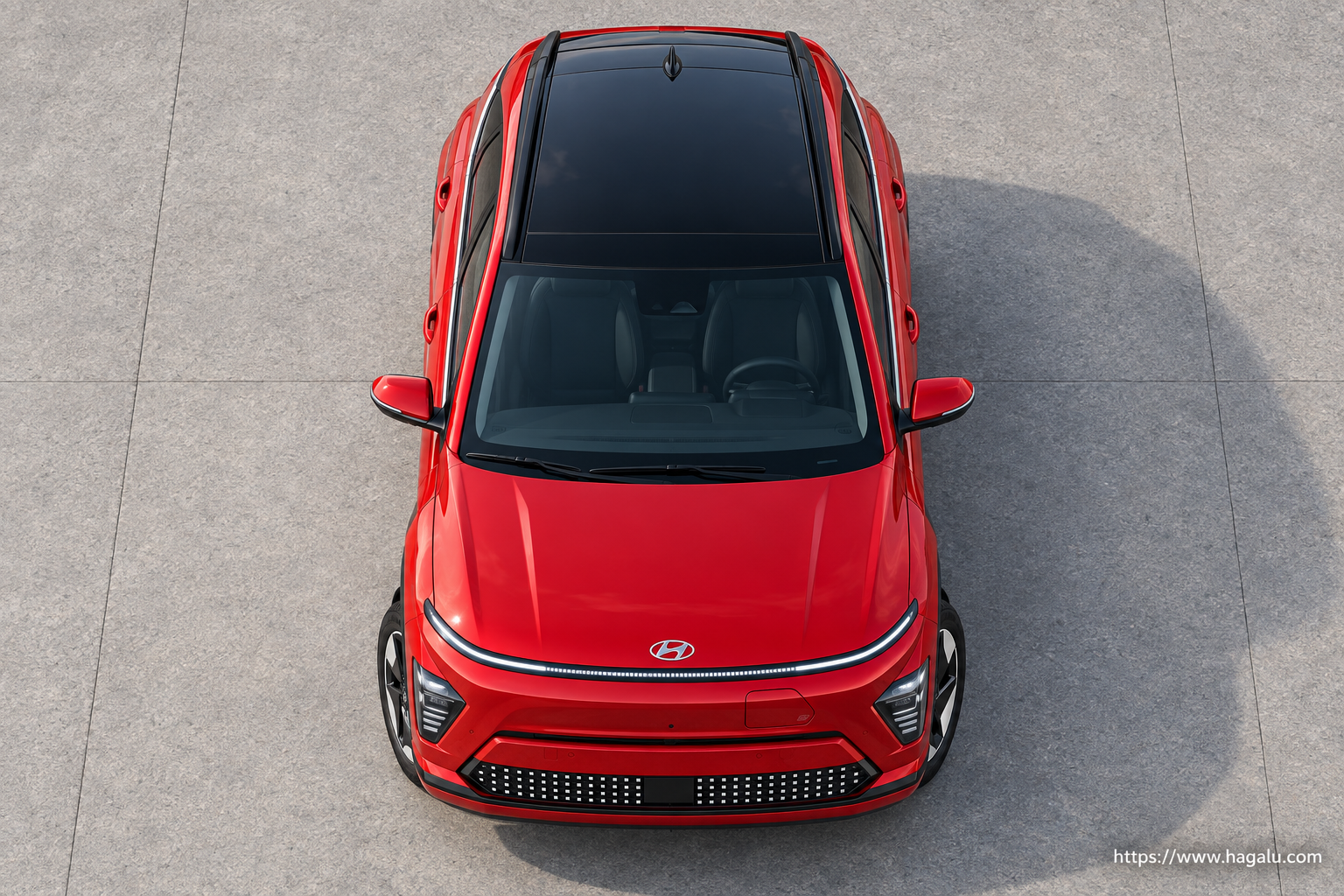
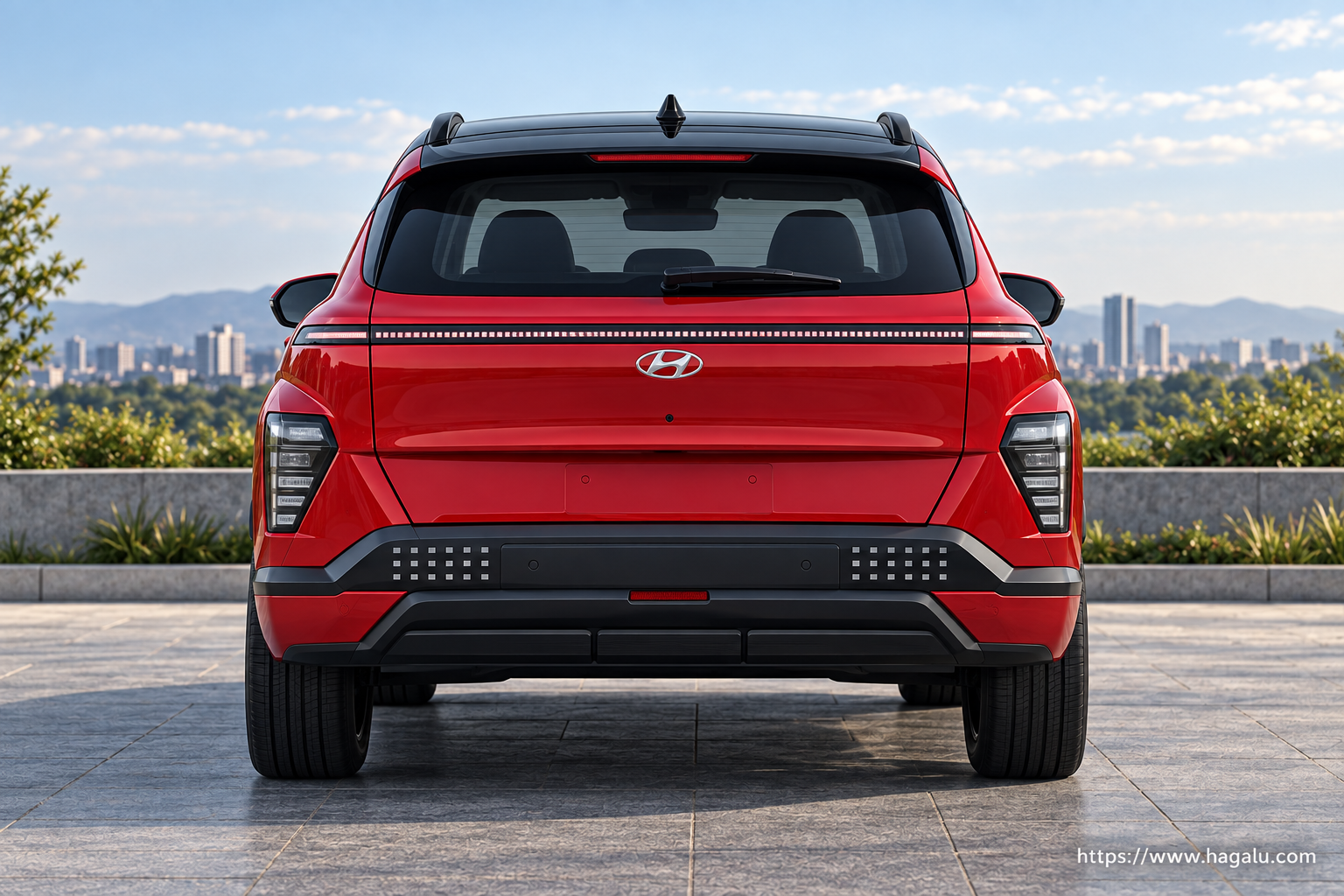
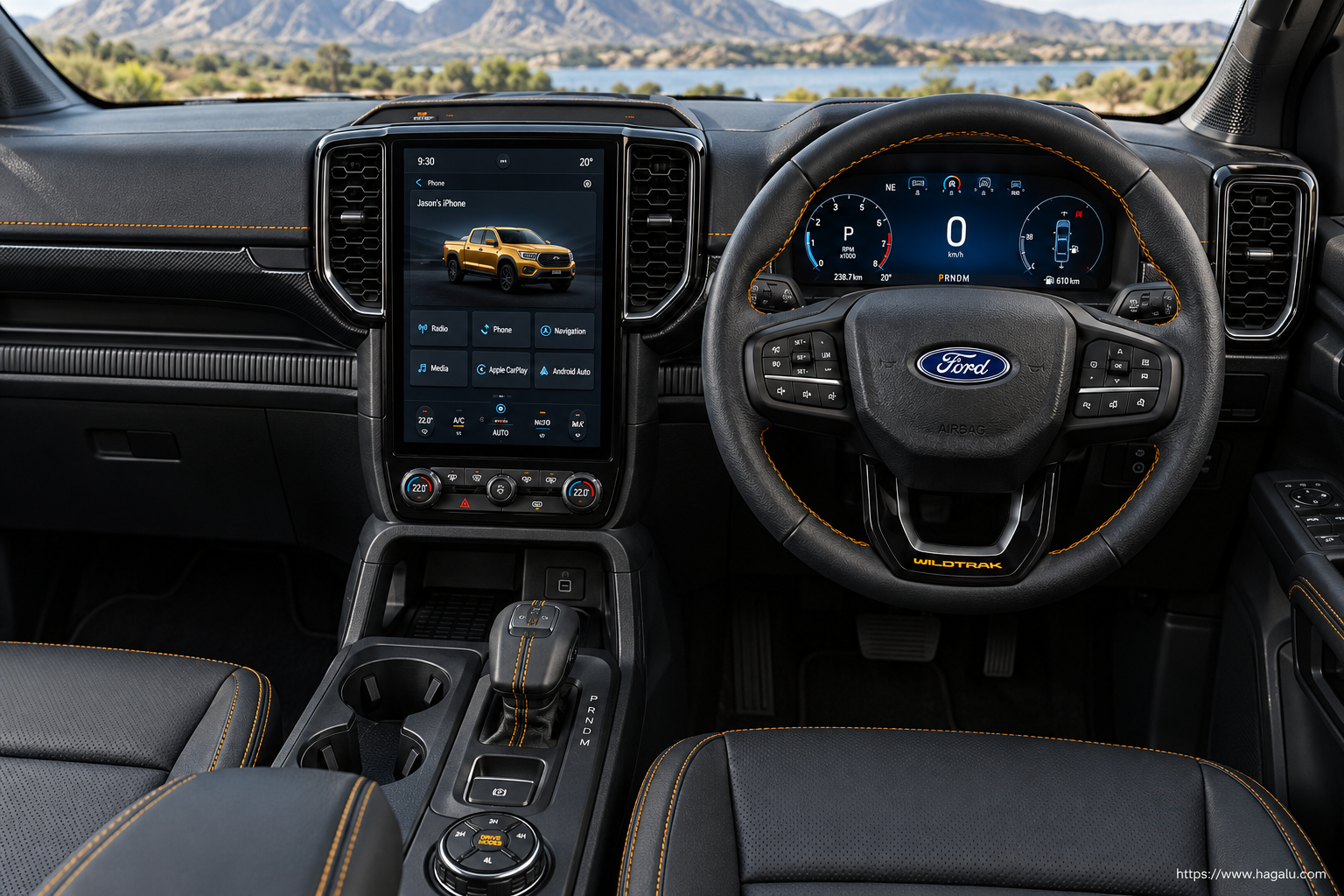
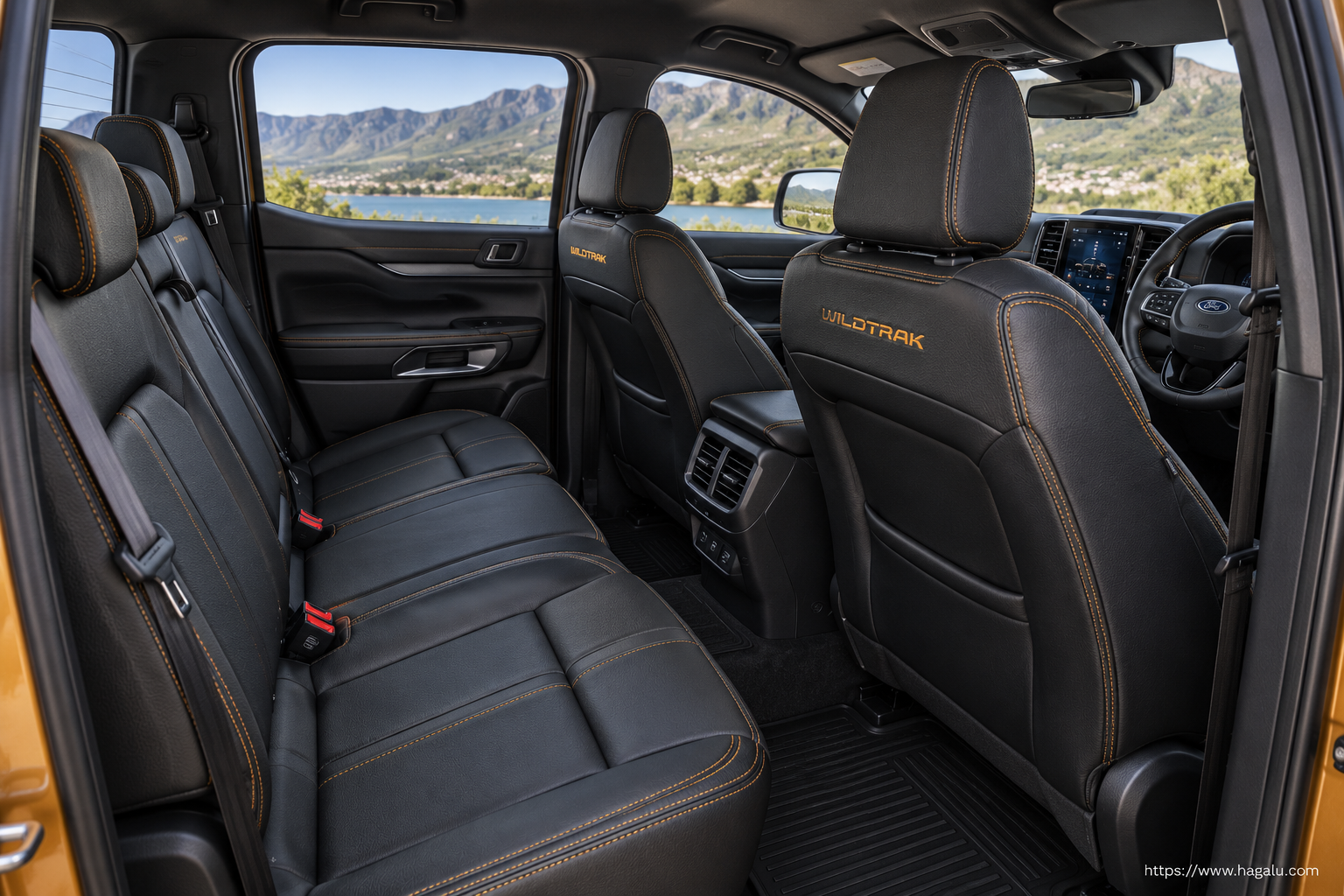
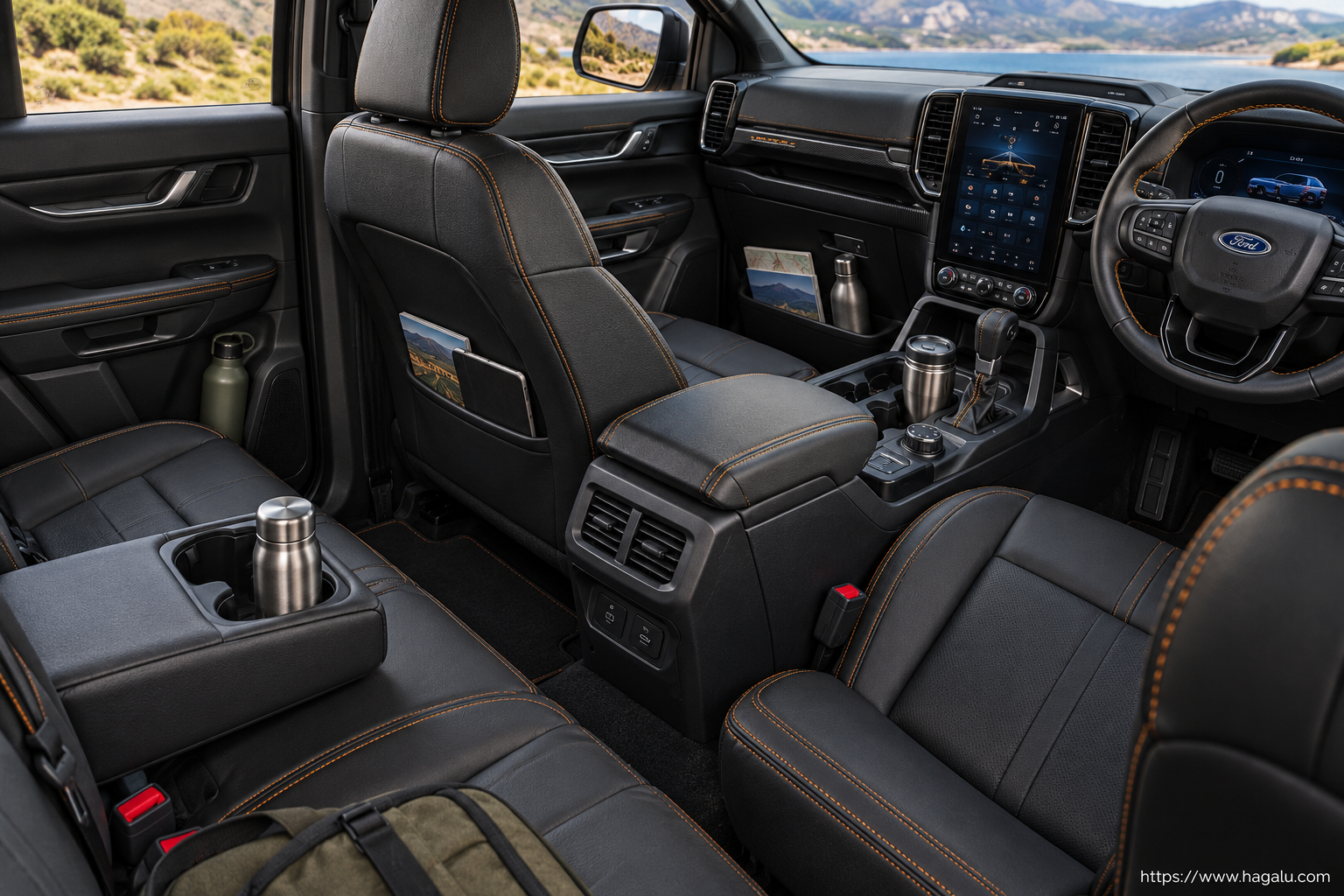
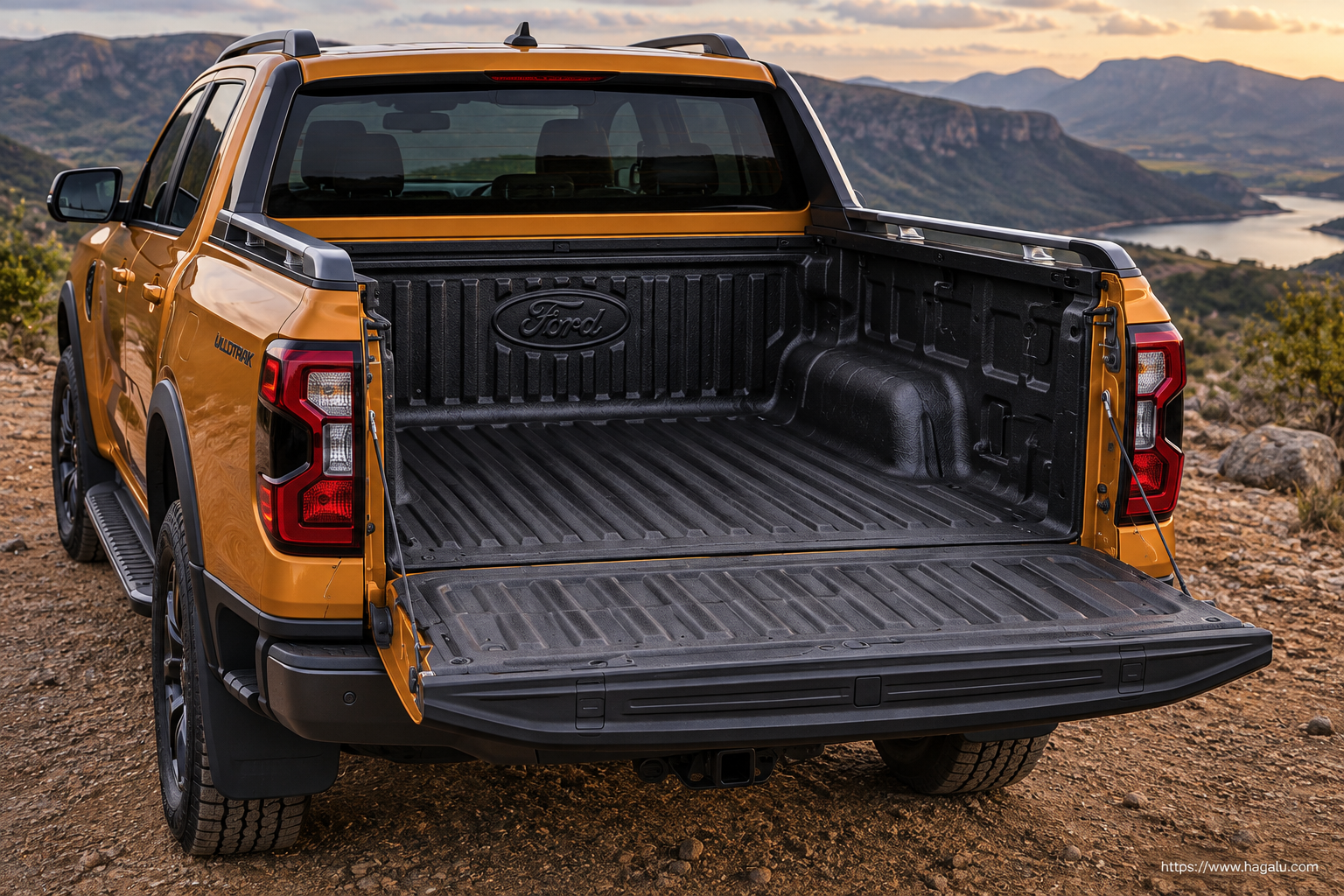
Kona EV and Ranger image comparison
Open an image for its full canonical file or visit the model page for the complete vehicle record.
Hagalu does not turn missing specifications into neutral scores or guessed values.
Fail closed
Score withheld: fewer than four comparable categories or less than 50% weighted source coverage for at least one vehicle.
Use the verified key-spec and full-spec tables on this page. A ranked index will appear only after every selected vehicle has source-backed data in at least four categories and reaches 50% weighted coverage.
What the evidence means
No overall winner is declared because the selected vehicles do not yet meet Hagalu's minimum like-for-like source-coverage threshold. Compare the confirmed rows and verify the exact derivative before buying.
Related comparisons
Continue with closely related Uganda models and comparable body styles.
There is no universal winner. Use the comparison table to match the models and available derivatives in Uganda on price, safety equipment, space, powertrain and ownership cover. The category indicators summarise published catalogue data; they are not a road test or customer rating.
Compare the published consumption or mileage rows for the exact derivatives using the same unit and test basis. A catalogue figure is useful for like-for-like comparison, but traffic, speed, load, weather and driving style can change actual fuel use.
Compare only equipment explicitly listed for each derivative, including airbags, stability control and driver-assistance systems. Confirm the exact trim with the manufacturer, and treat any independent crash-test result separately because equipment and ratings can differ by market.
A reliable five-year total cannot be calculated from catalogue data alone. Add the exact purchase and finance cost, fuel or electricity, insurance quotes, scheduled servicing, tyres and expected resale value. Check whether the selected derivative includes a service or maintenance plan.
Use the seating, boot or load-space, ISOFIX and safety rows as a first check. Then test the exact cars with your child seats, passengers and typical luggage, because published dimensions do not show every access or comfort difference.
Compare the published power, torque and 0–100 km/h rows when they are available for both exact derivatives. Vehicle weight, gearing and power delivery also matter, so catalogue outputs alone do not establish real-world overtaking or response.
Compare
Get Best Price
We'll Contact You
Fill in your details and a dedicated executive will reach out shortly.
✓
We've Got Your Details!
An executive will contact you shortly. Thank you for your interest.